Are you struggling to identify the root causes of a problem in your organization? Do you find yourself searching for effective solutions without a clear understanding of what’s causing the issue in the first place? If so, you may benefit from using a fishbone diagram, also known as a cause-and-effect diagram or Ishikawa diagram.
What is a Fishbone Diagram?
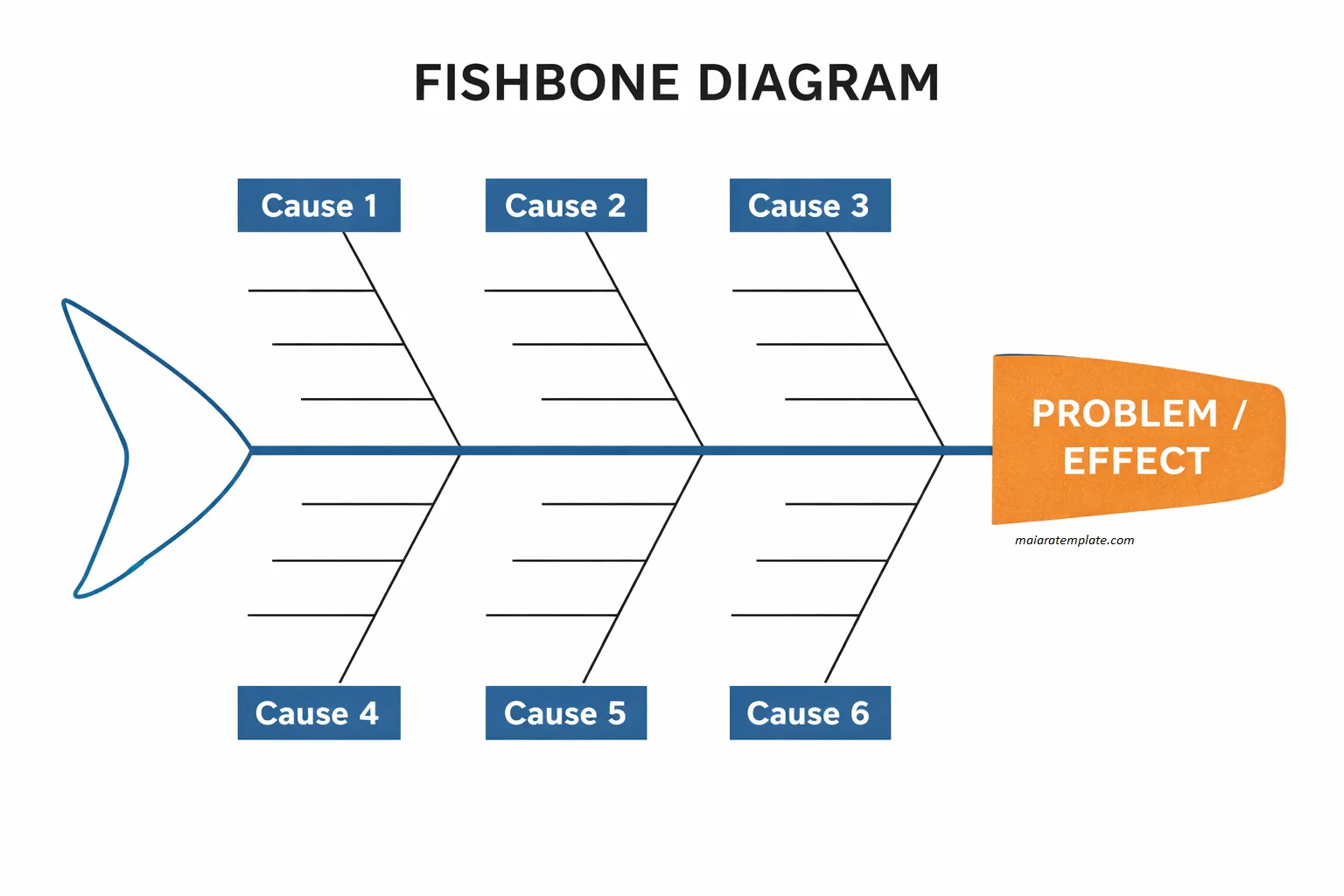
A fishbone diagram, also called a cause-and-effect diagram or Ishikawa diagram, is a visual tool used to identify the potential root causes of a specific problem or effect. The diagram gets its name from its appearance, as it resembles the skeletal structure of a fish with the problem statement at the head and potential causes branching off like bones.
Why Do You Need Cause and Effect Charts?
Cause and effect charts, like fishbone diagrams, are essential tools for problem-solving and decision-making in any organization. By visually mapping out the potential causes of a problem, teams can work together to analyze the relationships between different factors and prioritize their efforts towards the most critical areas. This method helps prevent jumping to conclusions or implementing ineffective solutions that only address symptoms rather than the root cause.
Importance of Identifying Root Causes
Identifying the root causes of a problem is crucial for developing effective solutions that address the underlying issues rather than just the symptoms. Without a clear understanding of what is causing the problem, organizations may waste time and resources implementing temporary fixes that do not solve the issue in the long run. Root cause analysis is essential for sustainable improvements and continuous growth.
Preventing Future Recurrence
By using cause and effect charts like fishbone diagrams, organizations can proactively identify and address potential root causes of problems, thus preventing future recurrence of similar issues. This proactive approach not only saves time and resources but also helps build a culture of problem-solving and continuous improvement within the organization.
Enhancing the Decision-Making Process
Cause and effect charts provide teams with a structured framework for analyzing problems and making informed decisions based on data and evidence. Instead of relying on gut feelings or assumptions, teams can use the visual representation of the fishbone diagram to guide their discussions and prioritize actions based on the most critical causes of the problem.
When Should a Fishbone Diagram Be Used?
Fishbone diagrams are particularly useful in situations where a problem is complex and multifaceted, making it challenging to pinpoint the exact cause. Common scenarios where a fishbone diagram can be beneficial include:
Quality Control Issues
When products consistently fail to meet quality standards, organizations can use fishbone diagrams to identify potential causes related to materials, equipment, processes, or human factors. By categorizing these causes into distinct branches, teams can analyze the relationships between different factors and develop targeted solutions to improve product quality.
Process Improvement
When a workflow is inefficient or prone to errors, organizations can use fishbone diagrams to analyze the root causes of process bottlenecks, delays, or defects. By visually mapping out the factors contributing to these issues, teams can brainstorm innovative solutions to streamline processes, optimize resource utilization, and enhance overall efficiency.
Customer Complaints
When recurring issues are reported by customers, organizations can use fishbone diagrams to investigate the underlying reasons for dissatisfaction. By categorizing potential causes related to product design, service delivery, communication, or other factors, teams can identify areas for improvement and implement corrective actions to enhance customer satisfaction and loyalty.
Team Collaboration
When multiple stakeholders need to align on a common understanding of a problem, fishbone diagrams can serve as a powerful communication tool. By visually presenting the potential causes of a problem and facilitating group discussions, teams can foster collaboration, promote knowledge sharing, and ensure everyone is on the same page in terms of problem identification and resolution.
Root Cause Analysis
When investigating the underlying reasons for a specific outcome, organizations can use fishbone diagrams to conduct root cause analysis and determine the primary factors contributing to the problem. By systematically categorizing causes into different branches, teams can delve deeper into the root causes of the issue and develop strategic interventions to address them effectively.
Steps to Creating a Cause and Effect Diagram
Creating a fishbone diagram involves several key steps to ensure its effectiveness in problem-solving:
Identify the Problem
The first step in creating a fishbone diagram is to clearly define the problem or effect that needs to be addressed. This step is crucial to ensure that the team focuses on a specific issue and does not get sidetracked by unrelated factors.
Assemble a Diverse Team
Gather a diverse team of stakeholders with relevant knowledge about the problem. It’s important to include individuals from different departments or disciplines to provide varied perspectives and insights into the potential causes of the problem.
Draw the Main Line
Draw a horizontal line across the page to represent the problem statement or effect. This main line serves as the backbone of the fishbone diagram and provides a clear reference point for categorizing potential causes.
Create Branches
Create branches off the main line to categorize potential causes into distinct factors. Common categories used in fishbone diagrams include the 5Ps – People, Process, Policies, Procedures, and Plant (Environment). These categories help organize causes and facilitate systematic analysis.
Brainstorm with the Team
Brainstorm with the team to populate each branch with specific causes related to the problem. Encourage open discussion and creativity to generate a comprehensive list of potential causes that may contribute to the issue at hand.
Analyze Relationships
Analyze the relationships between causes and effects to identify the most significant contributors to the problem. Look for patterns, connections, and dependencies between different factors to uncover hidden root causes that may be driving the issue.
Develop Action Plans
Develop action plans to address the root causes identified in the fishbone diagram. Prioritize solutions based on their potential impact and feasibility, and assign responsibilities to team members for implementing the actions within a specified timeframe.
Monitor Progress
Monitor progress towards implementing the solutions and evaluate the effectiveness of the actions taken. Regularly review and update the fishbone diagram to track improvements, identify new causes that may arise, and ensure continuous learning and adaptation.
Pros and Cons of Fishbone Diagrams
Fishbone diagrams offer several advantages for problem-solving, including:
Visual Representation
One of the primary benefits of fishbone diagrams is their visual representation of the problem, which helps teams see the big picture and understand the interconnectedness of different factors. The diagram provides a clear and structured layout that makes it easier to analyze complex issues and communicate findings effectively.
Structured Approach
Fishbone diagrams provide a structured approach to organizing brainstorming sessions and categorizing potential causes into distinct factors. By using predefined categories such as the 5Ps, teams can systematically analyze different aspects of the problem and ensure a comprehensive exploration of all possible causes.
Root Cause Identification
Fishbone diagrams facilitate a deeper analysis of underlying issues by focusing on identifying root causes rather than surface-level symptoms. By categorizing causes and analyzing their relationships, teams can uncover the primary factors driving the problem and develop targeted solutions that address the core issues effectively.
Decision Making
Fishbone diagrams help teams prioritize actions based on the most critical causes of a problem. By visually mapping out the potential causes and their relationships, teams can make informed decisions about which solutions to pursue first, allocate resources efficiently, and measure the impact of interventions on addressing the root causes.
Free Fishbone Diagram Template
To help you get started with creating your own fishbone diagram, we’ve provided a free template that you can download and customize for your specific needs. By leveraging this tool, you can streamline your problem-solving process and drive more effective outcomes within your organization.
Fishbone Diagram Template – DOWNLOAD

- Ship Chart Template - October 5, 2026
- Free Printable Table Tent Template - October 5, 2026
- Free Printable Supply List Template - October 5, 2026
