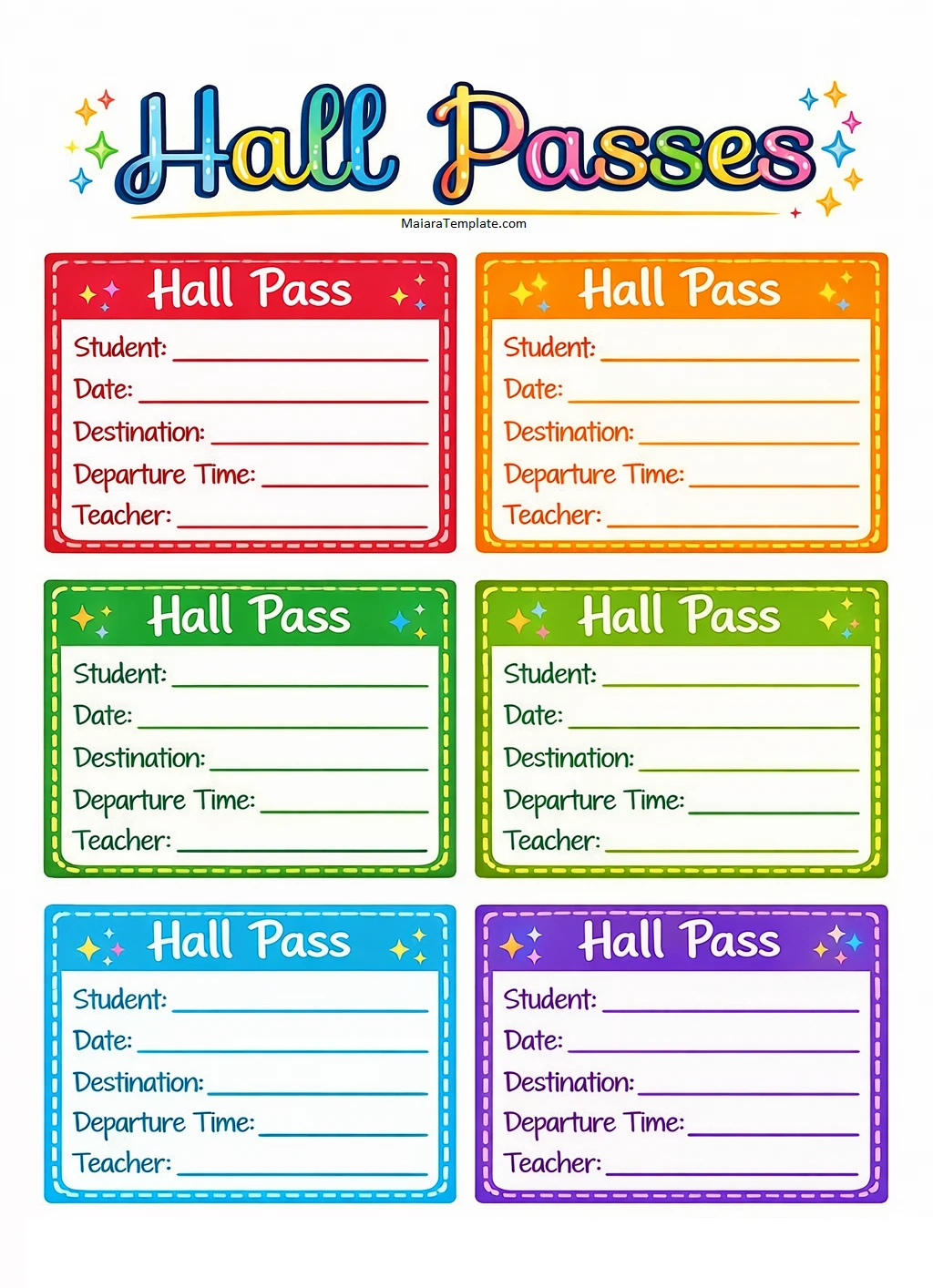
Hall passes are a critical component of school management, providing a structured system for tracking student movement during school hours. By offering a means of accountability and control, hall passes allow schools to monitor who is out of class, where they are going, and why. This system helps maintain order in the classroom, prevents overcrowding in the hallways, and enables staff to ensure the well-being of students.
In this comprehensive guide, we will explore the various aspects of hall passes, including their significance, key elements, implementation strategies, and tips for effective use.
What are Hall Passes?
Hall passes serve as permission slips for students to leave the classroom for various reasons, such as using the restroom, visiting the nurse’s office, or running errands for teachers.
These passes typically include the student’s name, destination, reason for leaving, time stamp, and the teacher’s signature. By providing a physical or digital record of student movement, hall passes facilitate communication between teachers, staff, and administrators regarding student whereabouts during school hours.
Why are Hall Passes Important?
Ensuring Student Safety
One of the primary reasons for implementing hall passes is to ensure the safety of students while they are outside the classroom. By requiring students to obtain permission before leaving, schools can keep track of their whereabouts and respond promptly in case of emergencies. This proactive approach to student safety helps schools mitigate risks and provide a secure learning environment for all students.
Promoting Accountability and Responsibility
Hall passes instill a sense of accountability and responsibility in students by requiring them to follow established procedures for leaving the classroom. By obtaining permission from their teacher, students learn to respect authority, adhere to rules, and understand the importance of proper conduct in a school setting. This emphasis on accountability helps students develop crucial life skills that extend beyond their academic experience.
Preventing Disruptions and Distractions
Another key benefit of hall passes is their ability to minimize disruptions and distractions in the classroom. By controlling the movement of students in and out of the room, teachers can maintain focus during instruction and ensure that all students have the opportunity to learn without unnecessary interruptions. This structured approach to student movement creates a more conducive learning environment for everyone involved.
Enhancing Classroom Management
Hall passes are a valuable tool for enhancing classroom management practices. By requiring students to obtain permission before leaving, teachers can better regulate student behavior, attendance, and participation in class activities. The use of hall passes encourages students to communicate their needs effectively, seek assistance when necessary, and adhere to established protocols for maintaining order within the classroom.
Supporting School Policies and Procedures
Hall passes play a crucial role in supporting school policies and procedures related to student conduct and safety. By establishing a clear process for students to follow when leaving the classroom, schools can ensure compliance with regulations, promote consistency in enforcement, and uphold expectations for student behavior. Hall passes serve as a tangible representation of school rules and expectations, reinforcing the importance of adherence to established guidelines.
Key Elements of Hall Passes
The Importance of Student Information
Including student information on hall passes is essential for identifying individuals in case of emergencies, tracking student movement patterns, and ensuring accountability for each student’s whereabouts. By including details such as the student’s name, grade level, and teacher’s name, schools can quickly identify students and verify their authorized departure from the classroom. This information also helps teachers and staff communicate effectively regarding student whereabouts and coordinate responses in case of unexpected incidents.
Clarity in Destination Designation
Specifying the student’s destination on hall passes is crucial for ensuring that students know where they are permitted to go and for enabling teachers and staff to track student movement accurately. By clearly indicating locations such as the restroom, office, counselor’s office, or library, hall passes provide clarity on the purpose of the student’s departure and help prevent misunderstandings or unauthorized excursions. This clarity in destination designation promotes efficiency in managing student movement and contributes to overall school safety and security.
Emphasizing Reason for Leaving
Requiring students to indicate the reason for leaving the classroom on hall passes serves multiple purposes, including accountability, communication, and resource allocation. By specifying whether a student is taking a restroom break, seeking academic support, meeting with a counselor, or running an errand for a teacher, hall passes enable teachers and staff to understand students’ needs and respond accordingly. This information also helps schools identify trends in student behavior, address common concerns, and tailor support services to meet students’ individual needs effectively.
Importance of Time Stamps
Time stamps on hall passes are critical for tracking student movement, monitoring departure and return times, and ensuring that students do not exceed their allotted time outside the classroom. By recording the exact time a student leaves the classroom, teachers and staff can track student whereabouts, address delays or extended absences, and maintain accurate records of student activities throughout the day. Time stamps also facilitate communication between teachers regarding students’ availability, assist in identifying potential issues or concerns, and support efforts to enhance overall school security and safety.
Teacher Signature Validation
The inclusion of a teacher’s signature on hall passes serves as a validation of the student’s authorized departure from the classroom and helps confirm that the student has followed proper procedures for leaving and returning. By signing and dating each hall pass, teachers take responsibility for granting permission to students, ensuring that students are accounted for, and verifying the authenticity of the pass. Teacher signatures also promote consistency in enforcing school policies, provide a record of student movement, and enable teachers to communicate effectively regarding student whereabouts and availability during class time.
Designating Return Time Expectations
Some hall passes may include a designated return time to specify when students are expected to reenter the classroom after their authorized absence. By setting expectations for students’ return times, teachers can manage student movement more effectively, minimize disruptions, and maintain instructional continuity. Designating return time expectations also helps prevent students from exceeding their allocated time outside the classroom, encourages timely completion of tasks or activities, and supports a structured approach to managing student absences during class time.
How to Use Hall Passes Effectively
Using hall passes effectively requires a combination of clear procedures, consistent implementation, and ongoing monitoring to ensure compliance and address any issues that may arise. By following best practices for utilizing hall passes, schools can streamline student movement, enhance communication among staff and students, and promote a safe and orderly learning environment.
Establish Clear Procedures
To use hall passes effectively, schools should establish clear procedures outlining when and how students can obtain permission to leave the classroom. These procedures should include guidelines for filling out hall passes, obtaining teacher approval, and adhering to designated departure and return times. By clearly communicating expectations to students and staff, schools can minimize confusion, promote consistency in implementation, and facilitate efficient management of student movement during school hours.
Training Staff on Hall Pass Procedures
Training staff on hall pass procedures is essential for ensuring consistent implementation and enforcement across all classrooms. Teachers, administrators, and supportstaff members should receive comprehensive training on how to issue, monitor, and collect hall passes, as well as how to address any issues or concerns that may arise during the process. By providing staff with the necessary guidance and resources, schools can ensure that hall pass procedures are followed accurately, student movement is monitored effectively, and classroom disruptions are minimized.
Monitor Hall Pass Usage
Regular monitoring of hall pass usage is vital for identifying trends, patterns, and potential areas for improvement. Schools should collect data on the frequency of hall pass use, reasons for student departures, and any issues or concerns that arise during the process. By analyzing this data, schools can make informed decisions about adjusting procedures, addressing common issues, and enhancing overall efficiency in managing student movement. Monitoring hall pass usage also allows schools to track compliance, identify potential safety risks, and ensure that students are accounted for at all times.
Provide Adequate Supplies
Ensuring that there is an ample supply of hall passes available for students and staff is essential for maintaining a seamless process and preventing delays or disruptions. Schools should regularly replenish supplies of paper passes, laminated cards, or digital passes to accommodate student needs throughout the day. By providing an adequate supply of hall passes, schools can streamline the process of granting permission, minimize wait times for students, and promote efficiency in managing student movement during school hours.
Encourage Accountability
Promoting accountability among students for their use of hall passes is crucial for ensuring compliance with school policies, fostering responsibility, and maintaining order within the school environment. Schools should communicate expectations regarding proper hall pass usage, consequences for misuse, and the importance of following established procedures for leaving the classroom. By holding students accountable for their actions, schools can instill a sense of responsibility, respect for rules, and adherence to protocols that contribute to a positive and productive learning environment.
Regularly Review and Update Procedures
Continuously reviewing and updating hall pass procedures is essential for adapting to changing circumstances, addressing emerging issues, and improving the overall effectiveness of the system. Schools should solicit feedback from students, teachers, and staff on their experiences with hall passes, identify areas for improvement, and make adjustments as needed to enhance efficiency and ensure compliance. By regularly reviewing and updating procedures, schools can stay responsive to student needs, maintain consistency in implementation, and promote a culture of continuous improvement in managing student movement during school hours.
Tips for Implementing Hall Pass Systems
Implementing an effective hall pass system requires careful planning, communication, and monitoring to ensure that it meets the needs of students, teachers, and staff. By following these tips, schools can streamline the process of managing student movement, enhance communication, and promote a safe and organized learning environment.
Clear Communication
Effective communication is key to implementing a successful hall pass system. Schools should clearly communicate hall pass procedures to students, teachers, and staff, including guidelines for obtaining permission, filling out passes, and adhering to designated departure and return times. By providing detailed instructions and clarifying expectations, schools can minimize confusion, promote consistency, and ensure that everyone understands their role in maintaining order and safety within the school environment.
Consistent Enforcement
Consistent enforcement of hall pass rules is essential for maintaining order, accountability, and discipline in the school setting. Schools should ensure that all teachers and staff follow established procedures for issuing, monitoring, and collecting hall passes, and that consequences are enforced for any misuse or violations. By promoting consistency in enforcement, schools can establish a culture of respect for rules, foster accountability among students, and create a safe and orderly learning environment that supports academic success.
Respect Student Privacy
Respecting student privacy is essential when implementing a hall pass system. Schools should collect only essential information on hall passes, such as the student’s name, destination, reason for leaving, and time stamp, to ensure that personal information is protected. By maintaining confidentiality and only collecting necessary data, schools can uphold student privacy rights, build trust with students and parents, and demonstrate a commitment to safeguarding sensitive information within the school environment.
Solicit Feedback
Seeking feedback from students, teachers, and staff on the hall pass system is valuable for identifying areas for improvement, addressing concerns, and making adjustments to enhance effectiveness. Schools should regularly solicit input on the ease of use, clarity of instructions, and overall satisfaction with the hall pass system to ensure that it meets the needs of all stakeholders. By listening to feedback and incorporating suggestions for improvement, schools can enhance the user experience, streamline operations, and promote a culture of transparency and collaboration in managing student movement during school hours.
Conclusion
In conclusion, hall passes play a crucial role in school management by providing a structured system for tracking student movement, maintaining discipline, and ensuring the safety and security of students. By implementing clear procedures, monitoring hall pass usage, and promoting accountability among students, schools can effectively manage student movement during school hours and create a safe and organized learning environment.
By following best practices, soliciting feedback, and continuously improving hall pass systems, schools can enhance communication, streamline operations, and support a positive and productive educational experience for all students.
Hall Passes Template – DOWNLOAD

- Free Printable Wedding Schedule Template - September 15, 2026
- Free Printable Weekly Employee Timesheet Template - September 15, 2026
- Printable Sign-in Sign-out Sheet Template - September 15, 2026
