In today’s world, it’s not uncommon for individuals to find themselves in financial distress due to mounting debts. When faced with overwhelming debt, exploring options such as a personal debt agreement can provide a way to regain control of your finances. But what exactly is a personal debt agreement, and how can it help you navigate through tough financial times?
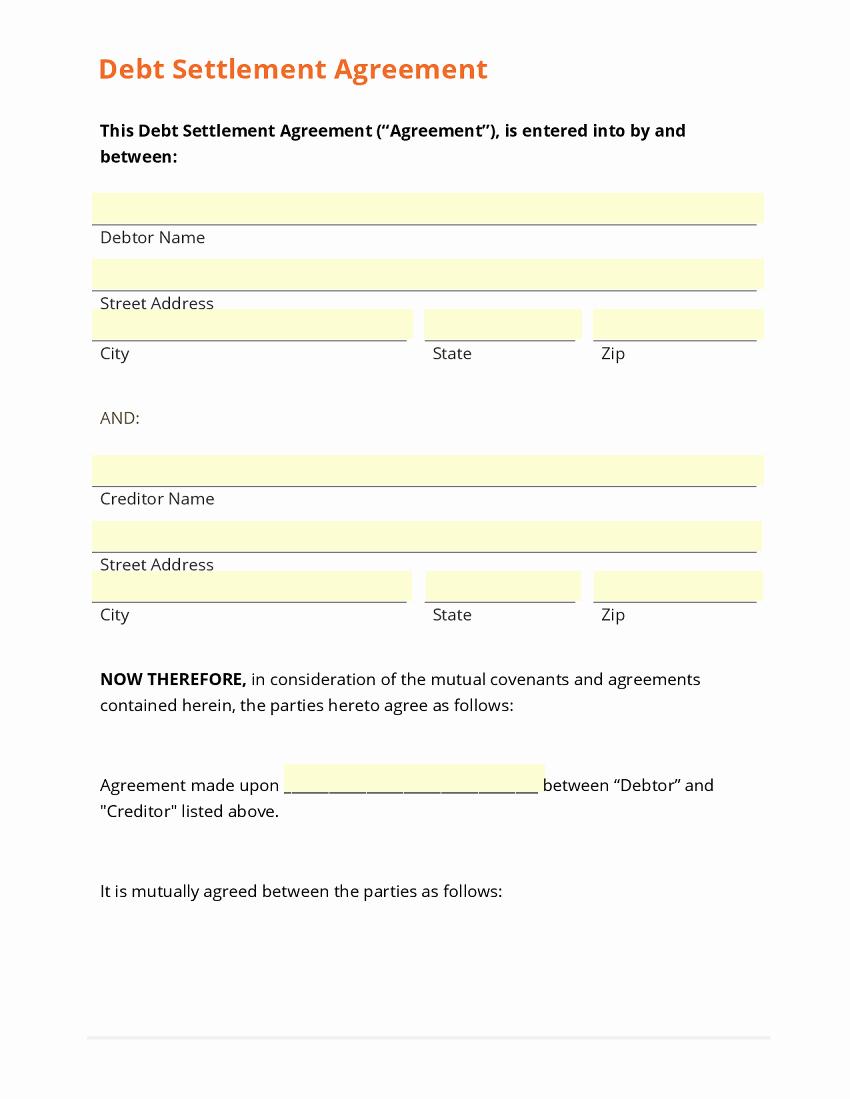
In this guide, we will delve into the intricacies of personal debt agreements, discussing what they are, why they are beneficial, what to include in such an agreement, how to go about setting one up, and tips for successful implementation.
What is a Personal Debt Agreement?
A personal debt agreement, also known as a Part IX Debt Agreement, is a legally binding agreement between you and your creditors to repay a portion of your debts over a set period of time. This agreement is designed for individuals who are struggling to meet their debt obligations but are unable to pay off the full amount owed.
By entering into a personal debt agreement, you can avoid bankruptcy while still working towards clearing your debts. This agreement allows you to consolidate multiple debts into a single repayment plan, making it easier to manage your finances and reduce the stress associated with overwhelming debt.
Why Consider a Personal Debt Agreement?
There are several reasons why individuals may choose to opt for a personal debt agreement as a debt relief solution. Some of the key benefits include:
- Avoiding Bankruptcy: A personal debt agreement provides a viable alternative to filing for bankruptcy, which can have long-term consequences on your financial standing.
- Debt Consolidation: By consolidating your debts into a single repayment plan, you can streamline your finances and make it easier to manage your debt obligations.
- Protection from Creditors: Once a personal debt agreement is in place, your creditors are legally bound to cease any debt collection activities against you, providing you with relief from constant harassment.
- Flexible Repayment Terms: Personal debt agreements offer flexibility in terms of repayment, allowing you to tailor the agreement to suit your financial capabilities.
Overall, a personal debt agreement can be a lifeline for individuals drowning in debt, offering a structured approach to debt resolution without the severe consequences associated with bankruptcy.
What to Include in a Personal Debt Agreement
When setting up a personal debt agreement, it’s essential to include specific details to ensure the agreement is comprehensive and legally binding. Some key elements to include in a personal debt agreement are:
- Details of Debts: List all debts included in the agreement, specifying the creditor, amount owed, and any relevant terms.
- Repayment Plan: Outline the proposed repayment schedule, including the amount to be paid, frequency of payments, and duration of the agreement.
- Asset Information: Disclose any assets you own, as well as any assets used as security for the agreement.
- Consequences of Default: Clearly state the consequences of defaulting on the agreement, such as potential legal action or termination of the agreement.
By including these essential elements in your personal debt agreement, you can ensure that all parties involved are aware of their rights and obligations, reducing the likelihood of disputes or misunderstandings down the line.
How to Set Up a Personal Debt Agreement
Setting up a personal debt agreement involves several steps that must be followed to ensure the agreement is valid and enforceable. Some key steps in the process include:
- Seek Professional Advice: Before proceeding with a personal debt agreement, it’s advisable to seek advice from a financial counselor or debt mediator to understand your options.
- Negotiate with Creditors: Contact your creditors to discuss the possibility of entering into a personal debt agreement and negotiate the terms of the agreement.
- Engage a Registered Debt Agreement Administrator: To formalize the agreement, you will need to engage a registered debt agreement administrator who will assist in setting up the agreement and managing repayments.
- Sign the Agreement: Once the terms are finalized, all parties involved must sign the personal debt agreement to make it legally binding.
By following these steps and seeking professional guidance throughout the process, you can navigate the complexities of setting up a personal debt agreement with confidence and clarity.
Tips for Successful Implementation of a Personal Debt Agreement
While entering into a personal debt agreement can be a positive step towards financial stability, it’s crucial to approach the process thoughtfully and strategically. Some tips for successful implementation of a personal debt agreement include:
- Stick to the Repayment Plan: Make timely repayments as per the agreed schedule to demonstrate your commitment to clearing your debts.
- Communicate Openly: Stay in regular communication with your debt agreement administrator and creditors to address any issues or concerns that may arise.
- Review Your Budget: Regularly review your budget to ensure that you can afford the repayments and make adjustments as needed.
- Seek Financial Education: Take steps to improve your financial literacy and management skills to avoid falling into debt traps in the future.
By following these tips and staying proactive in managing your finances, you can successfully navigate through a personal debt agreement and work towards a debt-free future.
Personal Debt Agreement Template

- Free Printable Wedding Schedule Template - September 15, 2026
- Free Printable Weekly Employee Timesheet Template - September 15, 2026
- Printable Sign-in Sign-out Sheet Template - September 15, 2026
