Family trees are an essential tool for individuals looking to visually represent their lineage and relationships within a family. They provide a comprehensive overview of one’s heritage and family history, helping to uncover connections to ancestors, interesting family stories, and a sense of belonging and identity.
Moreover, family trees serve practical purposes such as medical history research and estate planning.
What Is a Family Tree?
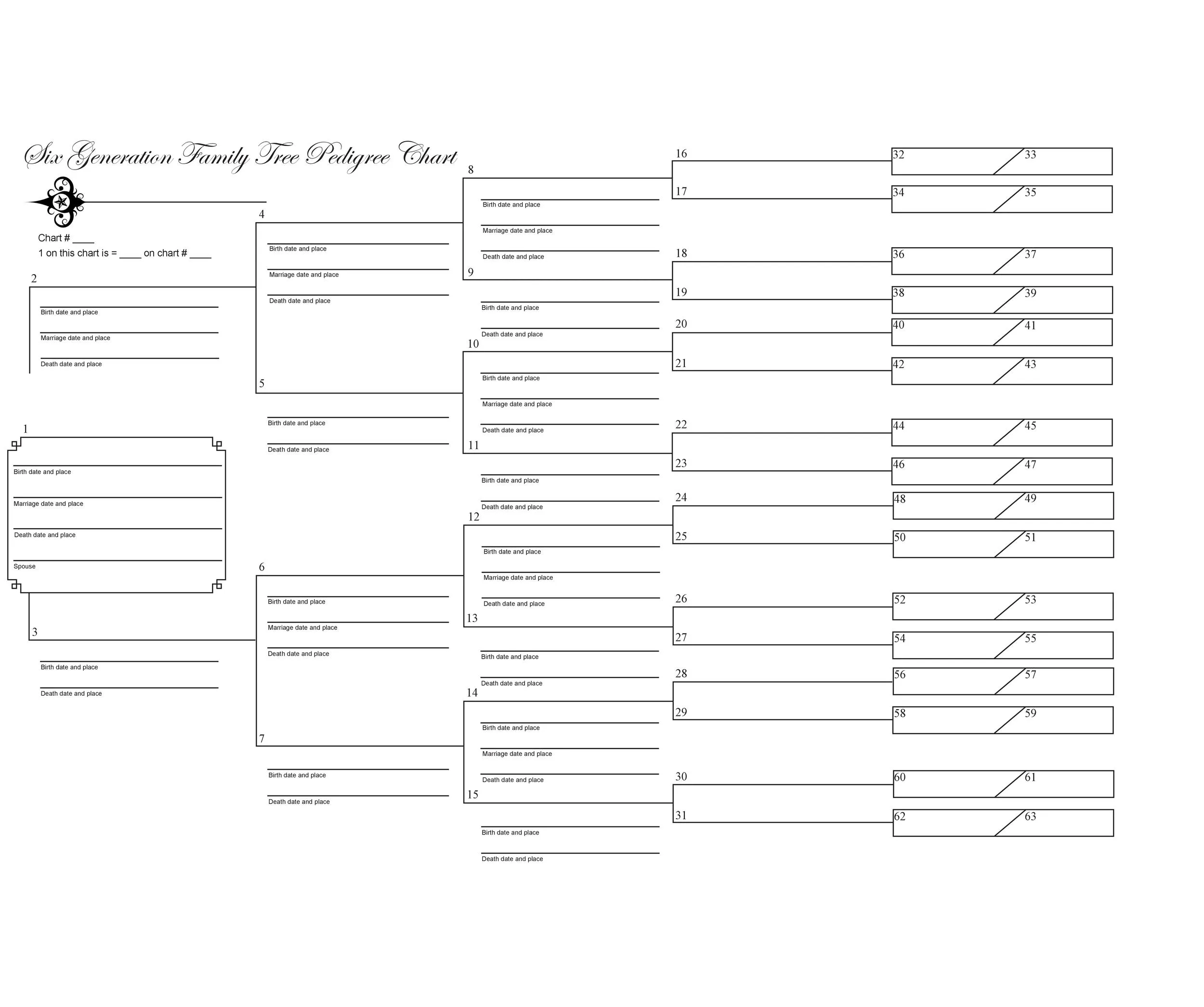
A family tree, also known as a pedigree chart, is a diagram that illustrates the relationships among individuals in a family. It typically starts with a single individual at the top, known as the “root” or “proband,” and branches out to include their ancestors, siblings, and descendants.
Family trees can be as simple or as complex as needed, depending on the depth of information available.
How Do Family Trees Work?
Family trees work by organizing and displaying information about a person’s family relationships in a visual format. Each individual is represented by a box or circle, with connecting lines indicating their connections to other family members. By tracing these connections, individuals can better understand their familial lineage and the relationships that define their family structure.
Tracing Lineages and Relationships
Family trees allow individuals to trace their lineages and relationships through multiple generations, showing how ancestors are connected to descendants and how family members are related to each other. This process of mapping out familial connections can reveal intricate patterns and dynamics within the family unit.
Identifying Ancestors and Descendants
One of the primary functions of a family tree is to identify ancestors and descendants, creating a comprehensive record of familial relationships that extends both backward and forward in time. By visually representing these connections, individuals can see how their family has grown and evolved over the years.
Understanding Family Dynamics
Family trees provide insight into the dynamics of a family, showing not only who is related to whom but also the nature of those relationships. By mapping out familial connections, individuals can gain a better understanding of family structure, hierarchies, and patterns of inheritance.
Mapping Genetic Inheritance
Family trees can also be used to map genetic inheritance patterns within a family, highlighting traits, health conditions, and other genetic factors that are passed down from one generation to the next. This information can be valuable for understanding hereditary risks and health concerns.
Organizing Complex Family Structures
For individuals with complex family structures, such as blended families or large extended families, family trees provide a clear and organized way to visualize relationships and connections. By creating a detailed family tree, individuals can untangle the complexities of their familial network.
The Benefits of Having Family Trees
There are several benefits to creating and maintaining a family tree:
Understanding Heritage and Identity
Family trees help individuals understand their heritage and identity by providing a tangible representation of their familial connections. By tracing their lineage through a family tree, individuals can see where they come from and how their family history has shaped their identity.
Discovering Ancestors and Stories
Family trees can uncover interesting family stories and connections to ancestors, shedding light on the lives and experiences of those who came before. By exploring their family tree, individuals may discover unknown relatives, remarkable achievements, or intriguing events that add richness to their family history.
Building a Sense of Belonging
By visually mapping out their familial relationships, individuals can develop a stronger sense of belonging and connection to their family. Family trees show how each person fits into the larger family unit, reinforcing bonds and fostering a sense of community and shared history.
Connecting Generations
Family trees bridge the gap between generations, allowing individuals to connect with their ancestors and pass down knowledge to future descendants. By preserving family history in a visual format, family trees ensure that stories, traditions, and values are transmitted across generations.
Facilitating Medical History Research
Family trees are valuable tools for tracking hereditary health conditions and understanding genetic risks within a family. By documenting family medical history in a family tree, individuals can identify patterns of illness or conditions that may be passed down through generations.
Aiding in Estate Planning
Family trees play a vital role in estate planning by identifying heirs, beneficiaries, and potential recipients of assets or inheritance. By clearly mapping out familial relationships, individuals can ensure that their estate is distributed according to their wishes and in accordance with legal requirements.
Family Tree Types
There are several types of family trees that individuals can create, depending on their preferences and the information available:
Ancestral Family Tree
An ancestral family tree focuses on tracing ancestors and their relationships, typically going back several generations. This type of family tree emphasizes the historical roots of an individual and highlights the lineage of their forebears.
Descendant Family Tree
A descendant family tree highlights the descendants of a particular individual or couple, showing their lineage forward in time. This type of family tree focuses on the offspring of a specific ancestor and may include multiple generations of descendants.
Extended Family Tree
An extended family tree includes not only direct ancestors and descendants but also collateral relatives such as aunts, uncles, cousins, and in-laws. This type of family tree provides a broader view of familial relationships and connections beyond the immediate nuclear family.
Genetic Family Tree
A genetic family tree maps out genetic relationships within a family, highlighting inherited traits, health conditions, and genetic markers passed down through generations. This type of family tree can be useful for understanding hereditary risks and genetic predispositions within a family.
Who Should You Include in Your Family Tree?
When creating a family tree, it’s essential to consider which individuals to include to ensure accuracy and completeness:
Immediate Family
Start with yourself, your parents, siblings, and children to establish the core of your family tree. These immediate family members form the foundation of your familial connections and provide a starting point for tracing your lineage.
Ancestors
Include grandparents, great-grandparents, and other ancestors to expand your family tree vertically and uncover your familial roots. Ancestors play a crucial role in shaping your family history and provide valuable insight into your heritage and lineage.
Descendants
Add your children, grandchildren, and future generations to show the continuation of your family lineage and document the growth of your family over time. Including descendants in your family tree ensures that your legacy is preserved for future generations.
Extended Family Members
Consider including extended family members such as aunts, uncles, cousins, and in-laws to provide a more comprehensive view of your familial connections. Including extended family members can add depth and complexity to your family tree, showcasing the broader network of relationships within your family.
Non-Blood Relatives
Depending on personal preferences and family dynamics, individuals may choose to include non-blood relatives such as step-parents, adoptive family members, or close family friends in their family tree. These individuals may have played significant roles in shaping one’s life and familial relationships.
How to Start a Family Tree
To begin creating your family tree, follow these steps:
Gather Information
Collect birth, marriage, and death records, photos, letters, and other documents that provide information about your family history. This information will serve as the foundation for creating your family tree and help you piece together the puzzle of your lineage.
Organize Your Materials
Organize your collected information into categories, such as by generation or family branch, to make it easier to create your family tree. Having a systematic approach to organizing your materials will help you stay on track and ensure that you don’t overlook any important details.
Choose a Format
Decide on the format for your family tree, whether you want to create a physical chart, use genealogy software, or build an online family tree. Consider your preferences and the level of detail you want to include when selecting the format for your family tree.
Create the Tree
Start with yourself as the root of the tree and work backward, adding your parents, grandparents, and other ancestors. Use connecting lines to show the relationships between family members, indicating parent-child connections, marriages, and sibling relationships as you build out your family tree.
Add Details and Verify Information
As you expand your family tree, add details such as birthdates, marriage dates, locations, and any other relevant information to provide context for each individual. Verify the accuracy of the information you include in your family tree by cross-referencing multiple sources and consulting with family members.
Include Photos and Stories
Enhance your family tree with photos, stories, and anecdotes that bring the individuals in your tree to life. Adding personal touches to your family tree can make it more engaging and meaningful, preserving memories and honoring the lives of your ancestors.
Update and Expand
Continuously update and expand your family tree as you gather more information and discover new relatives. Family history research is an ongoing process, and your family tree can evolve as you uncover more about your ancestry and family connections.
Share Your Family Tree
Share your family tree with other family members to involve them in the process and gather additional information. Sharing your family tree can spark conversations, reunite distant relatives, and create a sense of collaboration in documenting your family history.
Family Tree Chart Template – DOWNLOAD

- Nursing Resignation Letter Template - March 27, 2026
- Free Editable Nursing Resume Template (Word) - March 12, 2026
- Monthly Work Schedule Template (Excel) - March 10, 2026
