What is a Genogram?
A genogram is a powerful tool that provides a visual representation of a family’s structure and relationships across multiple generations. It goes beyond the traditional family tree by capturing not only biological connections but also emotional bonds, patterns of behavior, and the impact of past events on present relationships.
Genograms are commonly used in various fields, including psychology, social work, genealogy, and healthcare, to help individuals and professionals gain a deeper understanding of family dynamics.
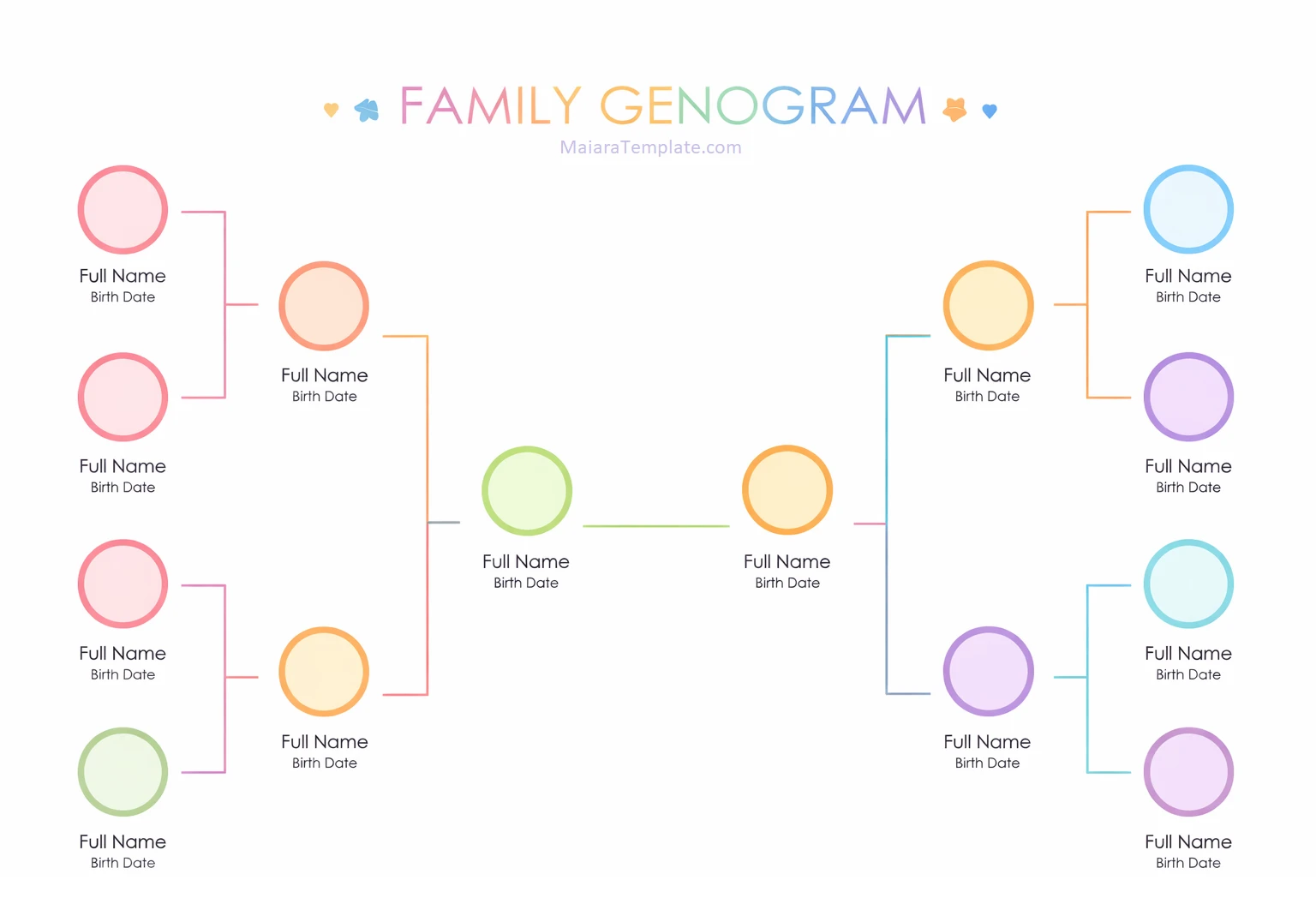
Difference Between Genogram And Family Tree
While genograms and family trees both aim to represent family relationships, they serve distinct purposes and provide different levels of detail. A family tree typically focuses on documenting biological relationships within a family, such as parent-child connections and bloodlines. It usually includes names, dates of birth, and sometimes dates of death for each family member, presented in a hierarchical format.
Difference Between Genogram And Ecomap
Another tool that is sometimes confused with a genogram is an ecomap. While genograms focus on representing internal family dynamics and relationships, ecomaps look at the broader social environment in which the family exists. Ecomaps provide a visual representation of the relationships between individuals and their external support systems, resources, and networks.
Benefits of Using a Genogram
The use of genograms offers a wide range of benefits for individuals, families, and professionals across various fields. From gaining insight into family dynamics to facilitating communication and identifying patterns of behavior, genograms serve as a valuable tool for understanding the complexities of familial relationships.
Identifying Patterns and Themes
One of the key benefits of using a genogram is the ability to identify recurring patterns of behavior, conflicts, and themes within a family. By visually mapping out relationships and connections, individuals and professionals can pinpoint common threads that may shed light on underlying issues or challenges within the family system. Recognizing these patterns can help individuals break free from destructive cycles and make positive changes in their relationships.
- Insight into Generational Patterns: Genograms reveal intergenerational patterns of behavior that have been passed down through the family. By recognizing these patterns, individuals can begin to understand how past experiences and influences continue to impact their present relationships and behaviors.
- Identifying Communication Patterns: Genograms can highlight communication styles within a family, including open communication, conflicts, and barriers to effective communication. Understanding these patterns can help individuals improve their communication skills and address conflicts more effectively.
- Recognizing Role Dynamics: Genograms show the roles and responsibilities that family members assume within the family unit. By analyzing these role dynamics, individuals can gain insight into power dynamics, expectations, and conflicts that may be affecting family relationships.
Exploring Family History and Relationships
Genograms provide a platform for exploring family history, relationships, and influences that have shaped individual identities and behaviors. By mapping out connections between family members, individuals can gain a deeper understanding of their heritage, cultural background, and the experiences that have shaped their family over time. Genograms serve as a visual representation of the complex web of relationships that make up a family’s history.
- Understanding Family Influences: Genograms help individuals understand how past events, traumas, and relationships within the family have influenced their present-day behaviors and relationships. By exploring these influences, individuals can begin to make sense of their own experiences and behaviors.
- Exploring Cultural Traditions: Genograms can highlight cultural traditions, values, and beliefs that have been passed down through the family. By recognizing these cultural influences, individuals can gain a deeper appreciation for their heritage and identity.
- Uncovering Hidden Stories: Genograms may reveal hidden stories, conflicts, or connections within the family history that have been overlooked or suppressed.
- Understanding Family Dynamics: Genograms provide a visual representation of family dynamics, including power dynamics, conflicts, and alliances within the family. By exploring these dynamics, individuals can gain insight into the complexities of family relationships and the factors that shape behavior and interactions.
Facilitating Communication and Healing
Genograms can serve as a powerful tool for facilitating communication and healing within families. By visually representing relationships and patterns of behavior, genograms provide a starting point for open and honest conversations about family dynamics, conflicts, and challenges. Genograms can help family members understand each other’s perspectives, communicate more effectively, and work together to address underlying issues.
- Promoting Emotional Awareness: Genograms can help individuals become more aware of their emotions, triggers, and patterns of behavior within the family. By exploring these emotional connections, individuals can develop greater emotional intelligence and empathy for themselves and others.
- Building Empathy and Understanding: Genograms encourage family members to empathize with each other’s experiences, perspectives, and challenges. By seeing the interconnectedness of relationships and influences, individuals can develop a deeper understanding of the complexities of family dynamics.
- Fostering Healing and Resilience: Through the process of creating and discussing genograms, families can work together to heal old wounds, address conflicts, and build resilience in the face of challenges. Genograms provide a platform for families to come together, support each other, and move towards a healthier and more connected future.
Supporting Personal Growth and Self-Discovery
Genograms can be a valuable tool for personal growth and self-discovery, allowing individuals to gain insight into their own behaviors, relationships, and family history. By reflecting on their genogram, individuals can uncover patterns, triggers, and influences that may impact their current relationships and decisions. This self-awareness can empower individuals to make positive changes, set boundaries, and create healthier relationships.
- Self-Reflection and Insight: Genograms encourage individuals to reflect on their family history, relationships, and personal experiences. By examining their genogram, individuals can gain insight into their own behaviors, triggers, and patterns of interaction.
- Setting Personal Goals: Genograms can help individuals identify areas for personal growth and set goals for themselves based on their reflections. By recognizing patterns that they would like to change or improve, individuals can take proactive steps towards personal development.
- Creating Boundaries and Healthy Relationships: Through the insights gained from their genogram, individuals can establish boundaries, improve communication skills, and cultivate healthier relationships with family members and others in their lives.
Who Can Use a Genogram?
Genograms can be utilized by a wide range of individuals and professionals who are seeking to gain a deeper understanding of family dynamics, relationships, and influences. From therapists and social workers to genealogists and individuals interested in personal growth, genograms offer a versatile tool for exploring the complexities of familial connections.
Therapists and Counselors
Therapists and counselors often use genograms as a visual aid to help clients explore their family history, relationships, and patterns of behavior. By creating genograms, therapists can better understand the client’s background and the factors that may be contributing to their current challenges. Genograms also serve as a valuable tool for guiding therapy sessions, promoting open communication, and fostering healing within the family system.
Therapists may use genograms to assess family dynamics, identify patterns of behavior, and explore intergenerational influences that impact the client’s mental health and well-being. By integrating genograms into therapy sessions, therapists can facilitate deeper insights, promote empathy and understanding, and support clients in creating positive changes in their relationships.
Social Workers and Case Managers
Social workers and case managers often use genograms as a tool to assess family functioning, develop intervention plans, and support clients in navigating complex family dynamics. By creating genograms, social workers can identify strengths, resources, and challenges within the family system, allowing them to tailor interventions that address the unique needs of each family member.
Genograms help social workers understand the relationships, roles, and communication patterns within the family, guiding their decision-making and intervention strategies. By mapping out these dynamics, social workers can develop holistic plans that promote family stability, address risk factors, and empower clients to build healthier relationships.
Genealogists and Family Historians
For genealogists and family historians, genograms offer a dynamic way to document relationships, connections, and influences across generations. By creating genograms, genealogists can uncover hidden stories, conflicts, and patterns within their family history that may enhance their understanding of their heritage and identity.
Genograms provide genealogists with a visual representation of family relationships, allowing them to trace lineage, connections, and cultural influences over time. By incorporating genograms into their research, genealogists can gain a deeper appreciation for the complexities of family dynamics and the impact of historical events on their ancestors.
Individuals Seeking Personal Growth
Individuals who are interested in personal growth, self-discovery, or understanding their family dynamics can also benefit from creating genograms. By reflecting on their family history and relationships, individuals can gain insights into their own behaviors, triggers, and patterns of interaction that may impact their current relationships and decisions.
Genograms can serve as a platform for self-reflection, goal-setting, and boundary establishment, empowering individuals to make positive changes in their relationships and personal development. By examining their genogram, individuals can identify areas for growth, set personal goals, and cultivate healthier relationships with themselves and others.
How to Create Genograms
Creating a genogram involves a series of steps to gather information, map out relationships, and analyze patterns within the family system. By following a structured approach to creating genograms, individuals and professionals can gain valuable insights into family dynamics and relationships.
Gather Information About Your Family
The first step in creating a genogram is to gather information about your family members, including names, dates of birth, relationships, medical history, and significant life events. This information will serve as the foundation for your genogram and help you create a comprehensive representation of your family’s structure and dynamics.
Take the time to interview family members, review family records, and gather any relevant documents that may provide insight into your family history. Consider including information about family members’ personalities, roles within the family, and significant events that have shaped their lives.
Choose a Format for Your Genogram
Once you have gathered the necessary information, decide on a format for your genogram. You can create a genogram using traditional pen and paper or utilize genogram software to create a digital diagram. There are several genogram software options available online that offer templates, symbols, and customization features to help you create a professional-looking genogram.
Consider the level of detail you want to include in your genogram and select a format that allows you to capture the complexity of family relationships. Choose symbols and lines that represent different types of relationships, connections, and patterns of behavior within the family.
Map Out Relationships and Connections
With your information gathered and format selected, begin mapping out relationships and connections within your family on your genogram. Use symbols to represent different types of relationships, such as parent-child, sibling, grandparent-grandchild, and marital relationships. Connect family members with lines to indicate the nature of their relationship and the direction of influence.
Consider including additional information on your genogram, such as emotional bonds, conflicts, communication patterns, and roles within the family. These details can provide a more comprehensive understanding of family dynamics and relationships that go beyond biological connections.
Analyze Patterns and Relationships
Once you have created your genogram, take the time to analyze the patterns, relationships, and connections you have mapped out. Look for recurring themes, conflicts, influences, and intergenerational patterns of behavior that may shed light on underlying issues within the family system. Reflect on the emotional dynamics, communication styles, and roles within the family that may impact relationships.
Consider the impact of historical events, cultural traditions, and family experiences on present-day relationships and behaviors. Explore how family members interact with each other, communicate, and navigate conflicts within the family system. By analyzing these patterns and relationships, you can gain valuable insights into the complexities of family dynamics.
Seek Feedback and Additional Perspectives
Share your genogram with trusted family members, friends, or professionals to gain additional insights and perspectives on your family relationships. Their feedback can help you see connections you may have missed, gain new perspectives on family dynamics, and deepen your understanding of your genogram. Consider discussing your genogram with a therapist, counselor, or social worker for additional support and guidance.
Engage in open and honest conversations about your genogram with others, seeking feedback on the patterns, relationships, and dynamics you have mapped out. Listen to their perspectives, insights, and suggestions for interpreting your genogram and gaining a deeper understanding of your family dynamics. Use their feedback to reflect on your genogram, identify areas for growth, and continue exploring the complexities of your family relationships.
Update Your Genogram Regularly
Family dynamics and relationships evolve, so it’s important to regularly update your genogram to reflect these changes. As new relationships form, family members pass away, or dynamics shift, your genogram should be updated to accurately capture these developments. By keeping your genogram current, you can continue to gain new insights into your family relationships and history.
Set aside time periodically to review and update your genogram, adding new family members, changing relationship dynamics, and updating any relevant information. Consider incorporating new symbols or lines to represent evolving relationships or patterns that have emerged within the family. By maintaining an up-to-date genogram, you can ensure that it remains a useful tool for understanding your family dynamics.
Conclusion
In conclusion, genograms serve as a powerful tool for understanding family dynamics and relationships across generations. By visually representing family structure, relationships, and patterns of behavior, genograms offer valuable insights into the complexities of familial connections. From identifying patterns and themes to exploring family history and relationships, genograms provide a comprehensive view of the influences that shape family dynamics.
Whether used in therapy, social work, genealogy, or personal growth, genograms offer a versatile and customizable approach to understanding family systems. By creating genograms, individuals can gain insight into intergenerational patterns, communicate more effectively within the family, and promote healing and resilience. Genograms facilitate self-discovery, empathy, and understanding, allowing individuals to navigate complex family dynamics with clarity and compassion.
Overall, the power of genograms lies in their ability to illuminate the “why” behind family behaviors and challenges, offering a roadmap for exploration, communication, and growth within the family unit. By harnessing the insights provided by genograms, individuals and professionals can gain a deeper understanding of family dynamics, build stronger relationships, and create positive changes that promote well-being and connection within families.
Genogram Template – DOWNLOAD

- Free Editable Nanny Agreement Template - April 9, 2026
- NDA Disclosure Agreement Template - April 8, 2026
- New Grad Nursing Resume Template - April 2, 2026
