What is a Graduate Letter of Intent?
A graduate letter of intent, also known as a statement of purpose or personal statement, is a written document that serves as a crucial component of the graduate school application process. It provides applicants with an opportunity to express their interest in a specific graduate program, outline their qualifications, and articulate their goals for pursuing a graduate degree.
The letter of intent is a way for applicants to introduce themselves to the admissions committee and make a compelling case for why they are a strong candidate for the program.
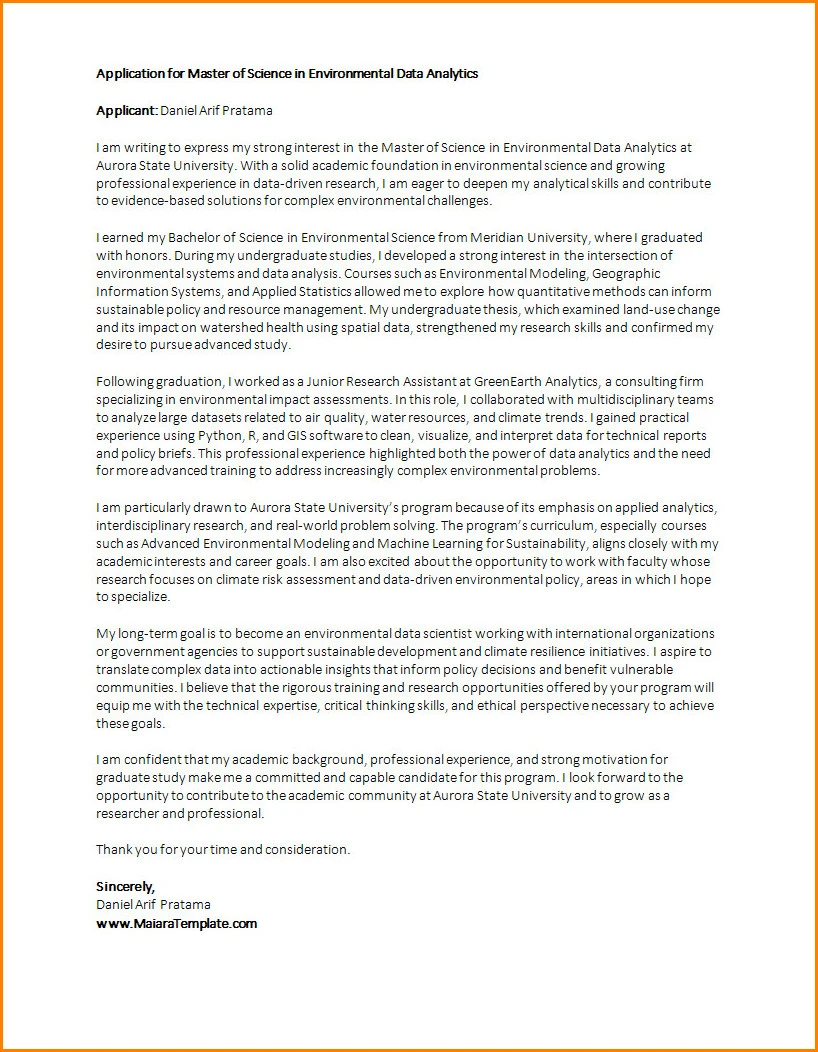
Why is a Letter of Intent Important?
Highlighting Personal Qualifications
One of the primary reasons why a letter of intent is important is that it allows applicants to highlight their personal qualifications and experiences in a way that other application materials cannot. By providing admissions committees with a more nuanced understanding of who they are as individuals, applicants can make a stronger case for why they are a good fit for the program.
Demonstrating Fit with the Program
Another key reason why a letter of intent is important is that it allows applicants to demonstrate their fit with the program. By explaining how their academic and professional background aligns with the program’s goals and values, applicants can show admissions committees that they have carefully considered their decision to apply and are committed to their academic and professional goals.
Assessing Writing Skills
Admissions committees also use the letter of intent to assess applicants’ writing skills. A well-written letter of intent demonstrates that an applicant can communicate effectively, organize their thoughts cohesively, and present a compelling argument. Strong writing skills are essential for success in graduate school, so the letter of intent provides admissions committees with valuable insight into an applicant’s ability to succeed in an academic setting.
Setting Applicants Apart
In a competitive admissions process, a strong letter of intent can set applicants apart from other candidates. By crafting a compelling narrative that showcases their unique strengths, experiences, and goals, applicants can make a memorable impression on admissions committees and increase their chances of being accepted into the program of their choice. A well-written letter of intent can make a significant difference in a candidate’s application.
Personalizing the Application
The letter of intent allows applicants to personalize their application and provide admissions committees with a deeper understanding of who they are as individuals. While transcripts and test scores provide important data points, the letter of intent gives applicants the opportunity to tell their own story and explain why they are passionate about their field of study. This personal touch can help applicants connect with admissions committees on a more emotional level.
What Should Be In a Letter of Intent for Graduate School?
Introduction
The introduction of a letter of intent should grab the reader’s attention and clearly state the purpose of the letter. It should introduce the applicant and provide a brief overview of their interest in the program. The introduction sets the tone for the rest of the letter and should be engaging and concise.
Academic Background
The academic background section of the letter of intent should highlight the applicant’s academic achievements, including relevant coursework, research experience, and any publications. This section is an opportunity for applicants to demonstrate their intellectual curiosity, academic rigor, and readiness for graduate study.
Professional Experience
The professional experience section of the letter of intent allows applicants to discuss any relevant work experience, internships, or volunteer work that has prepared them for graduate study. Applicants should highlight their skills, accomplishments, and contributions in a professional setting, and explain how these experiences have influenced their decision to pursue a graduate degree.
Career Goals
The career goals section of the letter of intent should outline the applicant’s career aspirations and explain how obtaining a graduate degree will help them achieve those goals. Applicants should be specific about the type of career they hope to pursue, the skills and knowledge they hope to gain from the program, and how they plan to use their degree in the future.
Program Fit
The program fit section of the letter of intent is crucial for demonstrating to admissions committees that the applicant has carefully considered their decision to apply and has researched the program thoroughly. Applicants should explain why they are interested in the program, how their academic and professional background aligns with the program’s goals, and what they hope to gain from the program. It’s important to tailor this section to the specific program and provide specific examples of why the program is the right fit for the applicant.
Conclusion
The conclusion of the letter of intent should summarize the main points of the letter and reiterate the applicant’s interest in the program. It should leave a lasting impression on the reader and reinforce the applicant’s qualifications and motivations for pursuing a graduate degree. The conclusion should be strong, confident, and leave the reader with a clear understanding of why the applicant is a strong candidate for the program.
How to Write a Standout Letter of Intent for Graduate School
Do Your Research
Before writing your letter of intent, it’s important to research the program thoroughly. This includes understanding the program’s strengths, faculty, curriculum, and values. By doing your research, you can tailor your letter to the specific program and demonstrate to admissions committees that you are genuinely interested in and committed to the program.
Be Specific
One of the keys to writing a standout letter of intent is to be specific. Avoid vague or generic statements and instead provide concrete examples of your achievements, experiences, and goals. Show admissions committees why you are a unique and qualified candidate for the program by highlighting specific instances where you have excelled academically or professionally.
Showcase Your Unique Qualifications
One of the best ways to stand out in a competitive admissions process is to showcase your unique qualifications. Highlight your accomplishments, experiences, and skills that make you a strong candidate for the program. Use specific examples to demonstrate how your background aligns with the program’s goals and values, and how you will contribute to the program’s community.
Be Authentic
It’s important to write your letter of intent in your own voice and be authentic. Admissions committees are looking for applicants who are genuine, passionate, and sincere in their motivations for pursuing a graduate degree. Be honest about your goals, aspirations, and experiences, and let your personality shine through in your writing.
Edit and Revise
Once you have written your letter of intent, be sure to edit and revise it carefully. Proofread for grammar and spelling errors, and make sure that your writing is clear, concise, and coherent. Ask a mentor, friend, or family member to review your letter and provide feedback. Editing and revising your letter will help ensure that it is polished and professional before you submit it.
Follow Instructions
It’s important to carefully follow the program’s guidelines for formatting, word count, and submission requirements when writing your letter of intent. Failure to adhere to these guidelines could result in your application being disqualified. Make sure to read and understand the program’s instructions before you begin writing, and double-check that you have followed all requirements before submitting your letter.
Be Professional
When writing your letter of intent, it’s important to maintain a professional tone and format. Address your letter to the appropriate recipient, use a formal salutation, and sign off respectfully. Avoid slang, jargon, or overly casual language, and instead opt for clear, concise, and professional writing. Admissions committees are looking for applicants who can communicate effectively in an academic setting, so it’s important to present yourself professionally.
Free Graduate Letter of Intent Template
A Graduate Letter of Intent helps you clearly communicate your academic goals, motivation, and qualifications in a structured and professional format. It guides you in presenting your background, interests, and reasons for pursuing a graduate program while maintaining a focused and persuasive tone. With a well-crafted template, you can confidently express your intent and strengthen your graduate school application.
Download our Graduate Letter of Intent Template today to present your goals clearly and make a strong impression on admissions committees.
Graduate Letter of Intent Template – DOWNLOAD

- Free Notary Acknowledgement Form Template - February 27, 2026
- Free Printable Nutrition Chart Template - February 26, 2026
- Free Student Reference Letter Template (Word) - February 22, 2026
