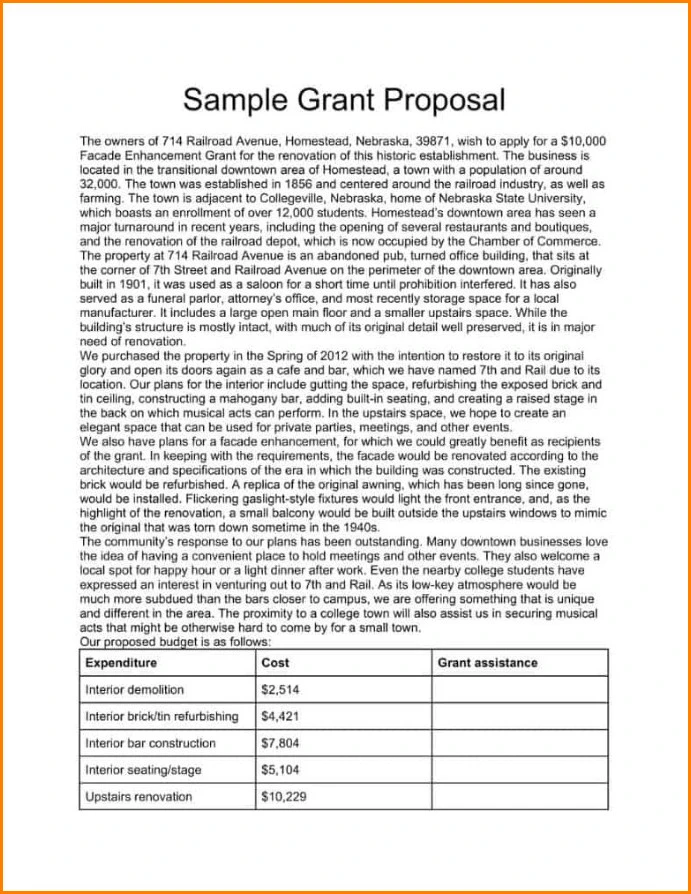
Writing a grant proposal is a crucial step for organizations seeking financial support for their projects or programs. A well-crafted proposal can make a significant difference in securing the funding needed to bring your vision to life.
In this detailed guide, we will delve deeper into the essential elements of a successful grant proposal and provide you with expert tips on how to create a persuasive and compelling case for funding.
What is a Grant Proposal?
A grant proposal is a formal document that organizations submit to potential funders to request financial support for a specific project or program. It serves as a roadmap for the project, outlining its objectives, activities, budget, and expected outcomes.
A well-written grant proposal not only conveys the importance of the project but also demonstrates the organization’s credibility and capacity to deliver results.
Why Write a Grant Proposal?
Writing a grant proposal is essential for organizations looking to secure funding for their projects. By presenting a well-researched and well-articulated proposal, organizations can demonstrate the need for their project, outline its potential impact, and make a compelling case for financial support.
A grant proposal is not just a request for funding but also an opportunity to showcase the organization’s mission, values, and commitment to making a difference in the community.
What to Include in a Grant Proposal?
When writing a grant proposal, it is important to include the following components:
1. Executive Summary: A summary of the project, highlighting its key objectives and expected outcomes.
2. Statement of Need: An explanation of the problem or issue that the project aims to address, supported by data and evidence.
3. Goals and Objectives: Clear and measurable goals that define the project’s desired outcomes.
4. Methodology: A detailed description of the project’s activities, timeline, and resources required for implementation.
5. Budget: A comprehensive budget that outlines all costs associated with the project, including personnel, supplies, and other expenses.
6. Evaluation Plan: A plan for evaluating the project’s success and measuring its impact on the target population.
7. Organizational Capacity: Information about the organization’s qualifications, experience, and track record in implementing similar projects.
How to Write a Compelling Grant Proposal
Writing a compelling grant proposal requires a strategic approach and attention to detail. Here are some expert tips to help you create a persuasive and effective proposal:
1. Research the Funder: Before writing your proposal, research the funder’s priorities, funding guidelines, and past grant recipients to tailor your proposal to their interests.
2. Tell a Compelling Story: Use storytelling techniques to engage the reader and demonstrate the impact of your project on the target population.
3. Be Clear and Concise: Present your ideas clearly and concisely, avoiding jargon or technical language that may confuse the reader.
4. Provide Evidence: Support your claims with data, research, and testimonials to validate the need for your project and the potential impact of your work.
5. Follow the Guidelines: Adhere to the funder’s guidelines and requirements, ensuring that your proposal meets all necessary criteria for consideration.
6. Proofread and Revise: Before submitting your proposal, proofread it carefully for errors in grammar, spelling, and formatting, and revise as needed to improve clarity and coherence.
7. Seek Feedback: Ask colleagues, mentors, or peers to review your proposal and provide feedback to strengthen your argument and improve the overall quality of your writing.
How to Stand Out with Your Grant Proposal
Standing out with your grant proposal requires creativity, strategic thinking, and a deep understanding of the funder’s priorities. Here are some additional tips to help your proposal shine:
Engage the Reader
– Use compelling storytelling techniques to draw the reader in and create an emotional connection with the project.
– Incorporate visuals, such as images, charts, or graphs, to make your proposal visually appealing and enhance understanding.
– Include testimonials or quotes from individuals who have benefited from similar projects to add a human element to your proposal.
Demonstrate Innovation
– Highlight unique aspects of your project that set it apart from others and showcase your organization’s innovative approach.
– Propose creative solutions to address the problem or issue at hand, demonstrating your willingness to think outside the box.
– Illustrate how your project fills a gap or addresses a need that has not been adequately met by existing programs or initiatives.
Showcase Collaboration
– Demonstrate partnerships with other organizations, community stakeholders, or experts in the field to show a collaborative approach to project implementation.
– Highlight how collaboration enhances the project’s impact, sustainability, and potential for success.
– Emphasize the diverse perspectives, expertise, and resources that partners bring to the project to strengthen its overall effectiveness.
Highlight Sustainability
– Outline a plan for the project’s long-term sustainability, including strategies for securing ongoing funding, support, and resources.
– Demonstrate how the project will continue to have a positive impact even after the initial funding period ends.
– Showcase your organization’s capacity to leverage the project’s outcomes for future initiatives and programs.
Emphasize Community Engagement
– Illustrate how the project actively involves the community in planning, implementation, and evaluation to ensure relevance and responsiveness.
– Highlight how community input and feedback have shaped the project’s design and goals.
– Show how the project builds on existing community assets, strengths, and resources to create sustainable change.
Address Potential Challenges
– Acknowledge potential risks, obstacles, or limitations associated with the project and present strategies for mitigating these challenges.
– Demonstrate your organization’s readiness to adapt, problem-solve, and overcome obstacles that may arise during project implementation.
– Show a proactive approach to addressing challenges, rather than ignoring or downplaying them in your proposal.
Incorporate Feedback
– Seek feedback from a diverse group of stakeholders, including community members, experts, and funders, to strengthen your proposal.
– Use feedback to refine your project design, goals, and strategies based on diverse perspectives and insights.
– Demonstrate a willingness to listen, learn, and improve your proposal in response to constructive feedback and input.
Conclusion
In conclusion, writing a compelling grant proposal requires careful planning, research, and attention to detail. By following the strategies outlined in this guide and incorporating tips to stand out, you can create a persuasive and impactful proposal that increases your chances of securing funding for your project. Remember to engage the reader, demonstrate innovation, showcase collaboration, highlight sustainability, emphasize community engagement, address potential challenges, and incorporate feedback to strengthen your proposal and make a lasting impression on funders. With a well-crafted grant proposal, you can effectively communicate the need for your project, showcase your organization’s capacity to deliver results, and secure the financial support needed to bring your vision to life.
Grant Proposal Template – DOWNLOAD

- Free Notary Acknowledgement Form Template - February 27, 2026
- Free Printable Nutrition Chart Template - February 26, 2026
- Free Student Reference Letter Template (Word) - February 22, 2026
