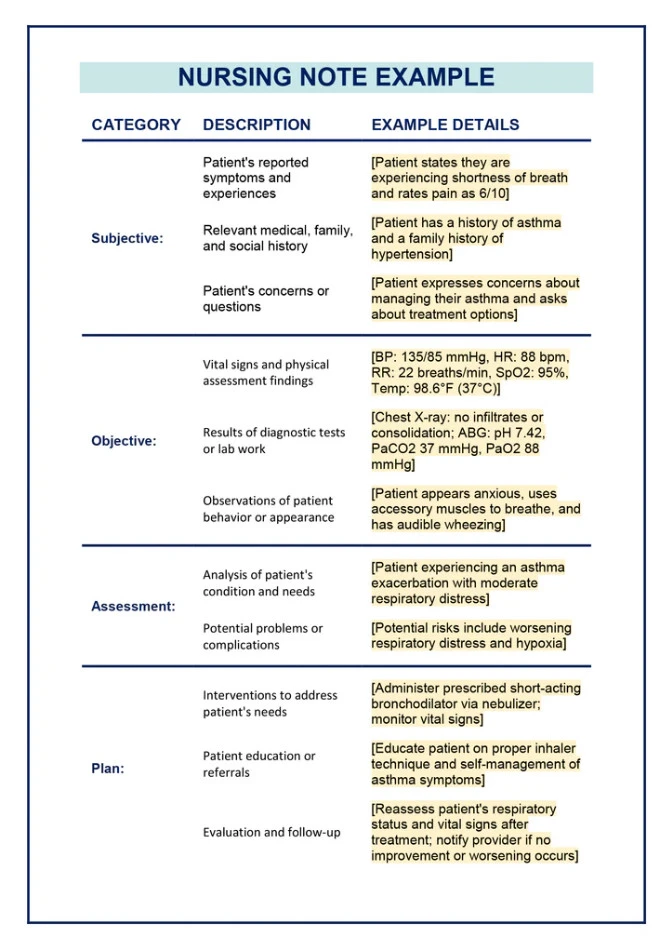
As a nurse, keeping accurate and detailed nursing notes is a crucial part of your job. Nursing notes serve as a vital communication tool between healthcare professionals and play a significant role in providing quality patient care.
In this comprehensive guide, we will delve into the importance of nursing notes, what to include in them, how to write effective nursing notes, and provide some valuable tips for maintaining accurate documentation.
What are Nursing Notes?
Nursing notes, also known as nurses’ progress notes or nurses’ narrative notes, are written records that nurses use to document important information about a patient’s condition, care, and treatment. These notes are a legal document that provides a chronological account of the patient’s healthcare journey and are essential for continuity of care.
When written accurately and comprehensively, nursing notes can help healthcare professionals make informed decisions about a patient’s care, track changes in the patient’s condition, and ensure that all members of the healthcare team are on the same page regarding the patient’s treatment plan.
Why are Nursing Notes Important?
Nursing notes play a crucial role in ensuring quality patient care and are a legal requirement in healthcare settings. Here are some key reasons why nursing notes are essential:
- Communication: Nursing notes serve as a means of communication between healthcare professionals, ensuring that everyone involved in the patient’s care is informed about the patient’s condition and treatment plan.
- Legal Documentation: Nursing notes are considered a legal document and can be used as evidence in legal proceedings. Accurate and detailed nursing notes can protect nurses and healthcare facilities in case of litigation.
- Continuity of Care: Comprehensive nursing notes provide a chronological account of the patient’s healthcare journey, ensuring that there is continuity of care when multiple healthcare professionals are involved in the patient’s treatment.
- Monitoring Progress: Nursing notes help healthcare professionals track changes in the patient’s condition, response to treatment, and any interventions that have been implemented.
What to Include in Nursing Notes
When documenting in nursing notes, it’s crucial to include specific information that is relevant to the patient’s care and treatment. Here are some key elements to include in your nursing notes:
- Patient Information: Include the patient’s name, age, sex, and any relevant medical history.
- Date and Time: Document the date and time of each entry to provide a chronological account of the patient’s care.
- Objective Data: Record vital signs, physical assessments, lab results, and any other measurable data related to the patient’s condition.
- Subjective Data: Include information provided by the patient or their family regarding their symptoms, concerns, and preferences.
- Interventions: Document any treatments, medications, procedures, or therapies administered to the patient.
- Evaluation: Assess the patient’s response to treatment, any changes in their condition, and the effectiveness of interventions.
How to Write Effective Nursing Notes
Writing effective nursing notes requires attention to detail, critical thinking skills, and good communication. Here are some tips to help you write clear and comprehensive nursing notes:
- Be Objective: Stick to the facts and avoid subjective language or personal opinions in your nursing notes.
- Use Clear and Concise Language: Write clearly and straightforwardly, using terminology that is easy to understand.
- Be Timely: Document in real-time to ensure that your nursing notes are accurate and reflect the most up-to-date information.
- Include Relevant Details: Provide specific details about the patient’s condition, interventions, and responses to treatment.
- Follow Facility Policies: Familiarize yourself with your facility’s documentation policies and guidelines to ensure compliance.
Tips for Maintaining Accurate Nursing Notes
Maintaining accurate nursing notes is essential for providing quality patient care and protecting yourself legally. Here are some tips to help you maintain accurate and reliable nursing notes:
- Document Legibly: Ensure that your handwriting is legible and that your entries are clear and organized.
- Avoid Blank Spaces: Fill in all sections of your nursing notes, even if there are no significant changes to report.
- Use Standard Abbreviations: Familiarize yourself with standard medical abbreviations to streamline your documentation process.
- Proofread Your Notes: Review your nursing notes for accuracy, completeness, and clarity before finalizing them.
- Seek Clarification: If you are unsure about any aspect of the patient’s care or documentation requirements, don’t hesitate to seek clarification from a more experienced colleague or supervisor.
Conclusion
Nursing notes are a critical component of nursing practice, providing a comprehensive record of a patient’s care and treatment. By following the guidelines outlined in this guide, nurses can ensure that their nursing notes are accurate, detailed, and compliant with legal and professional standards. Effective nursing notes facilitate communication, support continuity of care, and contribute to the overall quality of patient care.
Nursing Notes Template – Download

- Free Printable Nursing Notes Template - March 27, 2026
- Nursing Resignation Letter Template - March 27, 2026
- Free Editable Nursing Resume Template (Word) - March 12, 2026
