In today’s fast-paced world, it’s easy to overlook the importance of mindful eating. We often find ourselves mindlessly consuming food without fully understanding its impact on our bodies. This is where keeping a food journal can be a game-changer.
A food journal is a powerful tool that can increase awareness of our eating habits, track our intake for goals such as weight loss or improved nutrition, identify trigger foods, and even link food to physical and emotional feelings. By recording what, when, why, and how much we eat, we can pinpoint patterns like mindless eating or intolerances, leading to healthier, more mindful choices and better health outcomes.
What is a Food Journal?
A food journal is exactly what it sounds like – a log where you keep track of everything you eat and drink throughout the day. It is a snapshot of your daily intake that reveals not just the foods you consume, but also the context in which you consume them. By jotting down not only what you eat, but also when you eat, why you eat, and how you feel before and after eating, you can start to see patterns emerge that can help you make more informed choices about your diet.
A food journal can be as simple as a notebook where you write down your meals and snacks, or as high-tech as a smartphone app that lets you track your intake with the tap of a button. The key is to find a method that works for you and that you can stick with consistently.
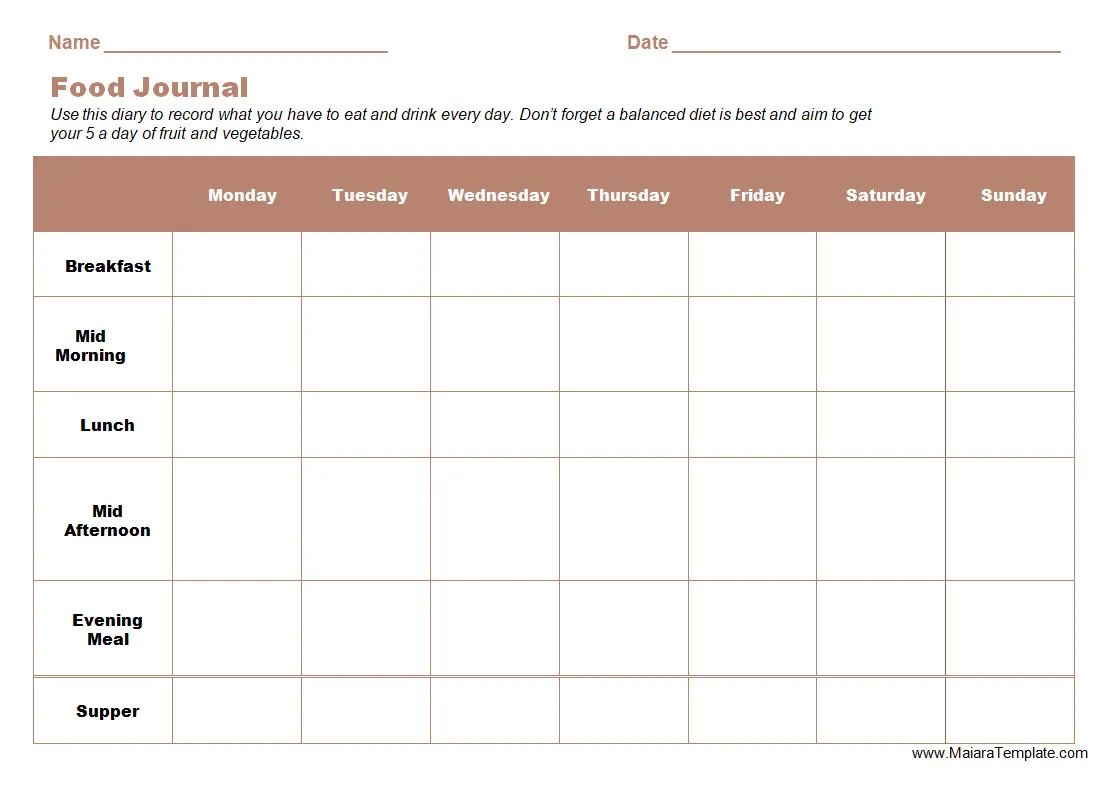
The Importance of Keeping a Food Journal
Keeping a food journal is more than just a record of what you eat. It serves as a window into your eating habits, providing valuable insights into your relationship with food. By taking the time to write down what you’re eating and why, you can start to uncover patterns and triggers that may be impacting your health and well-being.
One of the key benefits of keeping a food journal is that it increases mindfulness around eating. When you have to write down every meal and snack, you become more aware of what you’re putting into your body. This heightened awareness can help you make more conscious choices about what to eat and when.
Another important aspect of a food journal is its ability to track progress towards specific goals. Whether you’re looking to lose weight, improve your nutrition, or identify foods that may be causing digestive issues, a food journal can help you stay on track and make adjustments as needed.
How a Food Journal Works
The way a food journal works is simple: you record everything you eat and drink, along with the time, place, and your mood at the time of eating. This information provides a comprehensive picture of your eating habits and can reveal important insights into your relationship with food.
By looking back at your food journal entries over time, you can start to identify patterns and trends in your eating habits. For example, you may notice that you tend to snack more when you’re feeling stressed, or that you often skip meals when you’re busy at work. These insights can help you make positive changes to your diet and lifestyle.
One of the key principles of keeping a food journal is honesty. It’s important to record everything you eat, even if it’s something you’re not proud of. Remember, the goal of a food journal is not to judge yourself, but to increase awareness and make positive changes for your health.
Why Keep a Food Journal?
Keeping a food journal can have a multitude of benefits for your health and well-being. Here are some of the key reasons why you might want to start keeping a food journal:
1. Increase awareness of your eating habits: By recording everything you eat, you become more mindful of your food choices and eating patterns.
2. Track intake for specific goals: Whether you’re trying to lose weight, improve your nutrition, or identify trigger foods, a food journal can help you stay on track.
3. Identify trigger foods: By noting how you feel after eating certain foods, you can start to identify patterns and potential food intolerances.
4. Link food to physical and emotional feelings: Understanding how food affects your body and mood can help you make more informed choices about what to eat.
5. Pinpoint patterns like mindless eating: By tracking when and why you eat, you may uncover habits like emotional eating or eating out of boredom.
6. Create a snapshot of daily intake: A food journal provides a visual representation of your diet, making it easier to see where you might need to make changes.
7. Better health outcomes: By making more mindful food choices based on the information in your food journal, you can improve your overall health and well-being.
8. Personal accountability: Keeping a food journal can help you take ownership of your eating habits and make positive changes for your health.
How to Start Keeping a Food Journal
Starting a food journal is easy, but it does require some commitment and consistency. Here are some steps to help you get started on your food journaling journey:
1. Choose a journaling method: Decide whether you want to keep a physical journal or use a digital app to track your food intake. Choose a method that works best for you and that you’re likely to stick with.
2. Set a goal: Determine what you want to achieve by keeping a food journal. Whether it’s weight loss, improved nutrition, or a better understanding of your eating habits, having a clear goal can help focus your journaling efforts.
3. Record everything you eat and drink: Be as detailed as possible when recording your meals and snacks. Include portion sizes, ingredients, and any extras like sauces or dressings.
4. Note the time and place: Record not just what you eat, but also when and where you eat it. This can help you identify patterns in your eating habits.
5. Capture your mood and feelings: Before and after eating, jot down how you’re feeling emotionally and physically. This can provide valuable insights into the connection between food and your well-being.
6. Be consistent: Try to record your meals and snacks every day to get a complete picture of your eating habits. Consistency is key to making your food journal as effective as possible.
7. Review and reflect: Take time to review your food journal entries regularly. Look for patterns and trends in your eating habits, and consider how they may be impacting your health and well-being.
8. Make adjustments as needed: Use the information in your food journal to make positive changes to your diet and lifestyle. Whether it’s cutting back on certain foods, increasing your water intake, or incorporating more fruits and vegetables, use your food journal as a tool for improvement.
Tips for Keeping a Food Journal
Here are some tips to help you make the most of your food journaling experience:
1. Be consistent: Try to record your meals and snacks every day to get a complete picture of your eating habits.
2. Don’t judge yourself: Remember, the goal of a food journal is to increase awareness, not to criticize your choices.
3. Look for patterns: Pay attention to trends in your eating habits and how they relate to your physical and emotional well-being.
4. Seek support: Share your food journal with a friend, family member, or healthcare provider for accountability and guidance.
5. Celebrate successes: Acknowledge the positive changes you’re making in your diet and use them as motivation to keep going.
6. Stay mindful: Use your food journal as a tool to help you make more conscious and intentional food choices.
7. Experiment with different approaches: If one method of journaling isn’t working for you, try a different approach until you find what works best.
Food Journal Template – WORD

- Ship Chart Template - October 5, 2026
- Free Printable Table Tent Template - October 5, 2026
- Free Printable Supply List Template - October 5, 2026
