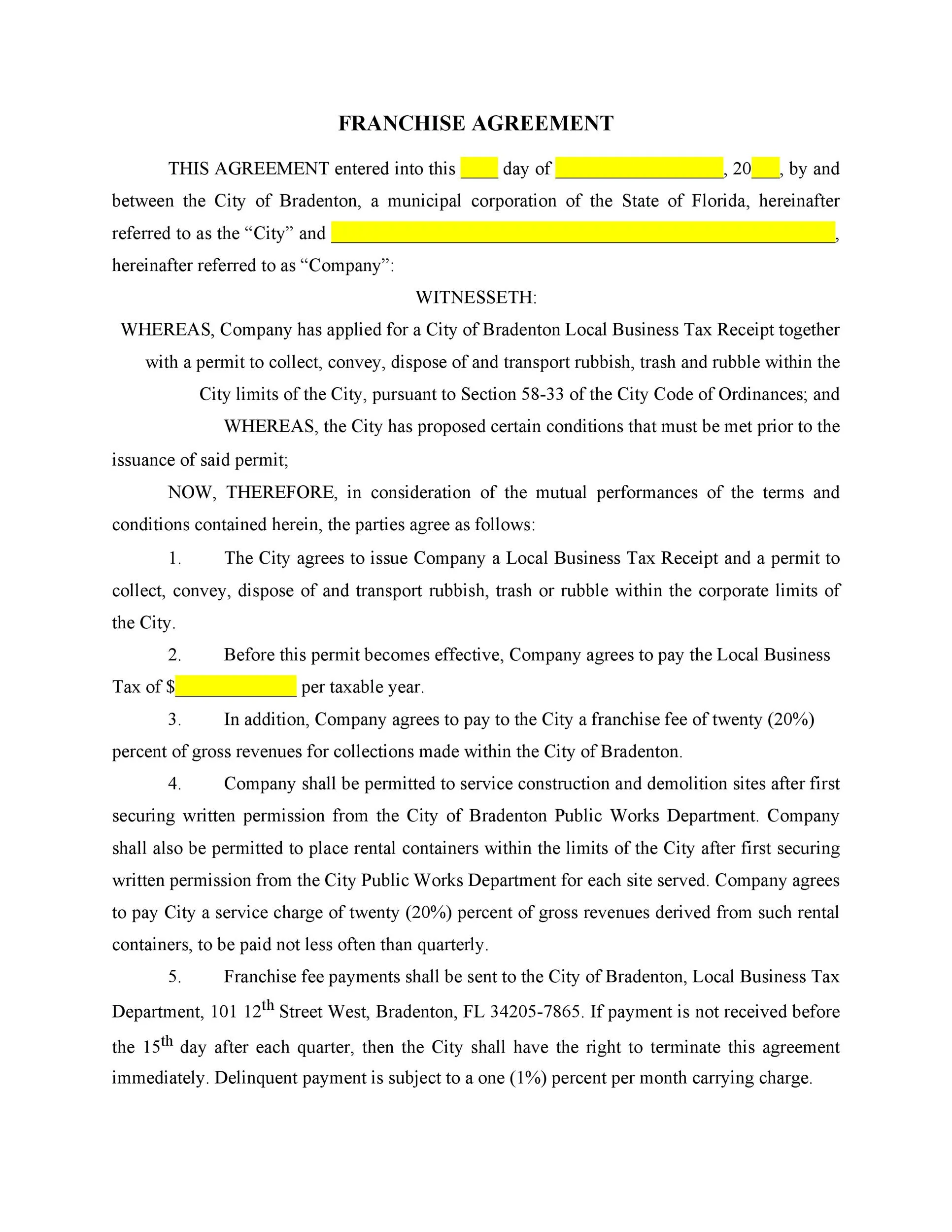
What is a Franchise Agreement?
A franchise agreement is a legally binding contract that establishes the relationship between a franchisor and a franchisee.
It outlines the terms and conditions under which the franchisee is granted the right to operate a business using the franchisor’s brand, trademarks, and business systems.
Why Franchise Agreements are Important?
Clarity and Consistency
Franchise agreements provide clarity and consistency in the franchise relationship. By clearly defining the terms and conditions of the partnership, both parties are on the same page regarding their obligations and expectations. This clarity helps avoid misunderstandings and promotes a harmonious working relationship.
Brand Protection
Franchise agreements are essential for protecting the franchisor’s brand and reputation. By outlining the standards and guidelines that franchisees must follow, the agreement ensures that the brand is represented consistently across all locations. This consistency is crucial for maintaining customer trust and loyalty.
Risk Mitigation
Franchise agreements help mitigate risks for both the franchisor and franchisee. By specifying the obligations and responsibilities of each party, the agreement reduces the likelihood of disputes and legal issues. This risk mitigation is essential for ensuring the long-term success of the franchise business.
Operational Guidelines
The operational guidelines included in a franchise agreement provide a roadmap for how the franchise business should be run. These guidelines cover aspects such as product quality, customer service standards, marketing strategies, and financial reporting requirements. By following these guidelines, franchisees can maintain consistency and quality across all locations.
Financial Considerations
Franchise agreements outline the financial aspects of the franchise relationship, including initial franchise fees, ongoing royalties, advertising contributions, and other financial obligations. By clearly defining these financial terms, the agreement helps both parties understand their financial commitments and ensures transparency in financial transactions.
What to Include in a Franchise Agreement?
Franchise Fees
The franchise agreement should clearly outline the initial franchise fee that the franchisee is required to pay to the franchisor. This fee may cover the cost of training, support, and initial setup of the business. Additionally, the agreement should detail any ongoing royalties or fees that the franchisee must pay to the franchisor.
Franchise Territory
Defining the franchise territory is essential in preventing conflicts between franchisees operating in proximity. The agreement should specify the geographical area within which the franchisee is authorized to operate the franchise business. This helps prevent competition between franchisees and ensures that each franchisee has a defined market to serve.
Operating Requirements
The franchise agreement should include detailed operational requirements that the franchisee must adhere to. These requirements may cover areas such as product quality standards, customer service protocols, employee training guidelines, and operational procedures. By outlining these requirements, the agreement helps maintain consistency and quality across all franchise locations.
Training Programs
Training programs are essential for ensuring that franchisees understand the operational guidelines and standards of the franchise system. The franchise agreement should specify the training programs that the franchisee is required to complete before opening the business. This training may cover areas such as product knowledge, customer service skills, and operational procedures.
Marketing and Advertising
Effective marketing and advertising are key to the success of a franchise business. The franchise agreement should outline the marketing and advertising requirements that the franchisee must follow. This may include requirements for local advertising, contributions to a marketing fund, use of approved marketing materials, and adherence to brand guidelines.
Intellectual Property
Protecting the franchisor’s intellectual property is crucial in maintaining brand consistency and preventing unauthorized use of trademarks and logos. The franchise agreement should specify the franchisor’s trademarks, logos, and proprietary information that the franchisee is authorized to use. This helps prevent intellectual property infringement and ensures that the brand is represented accurately.
Term and Renewal
The franchise agreement should define the initial term of the agreement and any provisions for renewal or termination. This includes details on how long the franchise agreement is valid, any conditions for renewal, and procedures for termination. Clear terms regarding the term and renewal of the agreement help both parties plan for the future and avoid misunderstandings.
Dispute Resolution
Disputes can arise in any business relationship, including franchising. The franchise agreement should include provisions for resolving disputes between the franchisor and franchisee. This may include clauses on arbitration, mediation, or other alternative dispute resolution mechanisms. By outlining the procedures for resolving disputes, the agreement helps prevent conflicts from escalating and protects the interests of both parties.
How to Negotiate a Franchise Agreement
Seek Legal Advice
Before entering into a franchise agreement, it is crucial to seek legal advice from a franchise attorney. A legal expert can review the agreement, explain its terms, and identify any potential risks or unfavorable clauses. Legal advice can help you understand your rights and negotiate more effectively.
Understand Your Rights
To negotiate a franchise agreement successfully, you must have a clear understanding of your rights and obligations as a franchisee. Familiarize yourself with the terms of the agreement, including provisions related to fees, royalties, territory rights, training programs, and marketing requirements. Understanding your rights empowers you to negotiate from a position of knowledge.
Clarify Ambiguous Language
During the negotiation process, it is essential to clarify any ambiguous language or terms in the franchise agreement. If you are uncertain about the meaning of a clause or if it is open to interpretation, seek clarification from the franchisor. Clear communication is key to ensuring that both parties understand and agree on the terms of the agreement.
Negotiate Key Provisions
Negotiation is a critical part of the franchise agreement process. Identify key provisions in the agreement that you are uncomfortable with or that you believe could be improved. These may include royalty rates, territory rights, renewal options, training programs, or marketing requirements. Negotiate in good faith to reach mutually beneficial terms.
Consider the Long-Term Impact
When negotiating a franchise agreement, consider the long-term impact of the terms and conditions on your business. Think about how the agreement will affect your operations, profitability, and growth potential over time. Anticipate future challenges and opportunities and negotiate terms that align with your long-term goals and aspirations.
Be Willing to Compromise
Negotiation often requires compromise from both parties. While it is essential to protect your interests and seek favorable terms, be prepared to make concessions during the negotiation process. Consider the overall benefits of reaching an agreement that is fair and reasonable for both parties. A willingness to compromise can lead to a more successful and sustainable franchise relationship.
Tips for Successful Franchise Agreements
Develop Clear and Concise Terms
One of the keys to a successful franchise agreement is to develop clear and concise terms that are easily understood by both parties. Avoid using complex language or legal jargon that may lead to misunderstandings. Clearly define each party’s rights and obligations to create a solid foundation for the franchise relationship.
Protect Your Intellectual Property
Intellectual property protection is crucial for maintaining the integrity of your brand. Include robust provisions in the franchise agreement to safeguard your trademarks, logos, and proprietary information. Specify how franchisees can use your intellectual property and ensure that unauthorized use is prohibited. Protecting your intellectual property rights helps maintain brand consistency and prevents brand dilution.
Provide Comprehensive Training
Training is essential for ensuring that franchisees understand and adhere to the operational guidelines of your franchise system. Develop comprehensive training programs that cover all aspects of running the business, including product knowledge, customer service standards, and operational procedures. Invest in training resources to set franchisees up for success and ensure consistency across all locations.
Maintain Open Communication
Open communication is key to a successful franchise relationship. Foster a culture of transparency and collaboration with your franchisees by encouraging open communication channels. Address any concerns or issues promptly and work together to find solutions. By maintaining open communication, you can build trust and strengthen the partnership with your franchisees.
Regularly Review and Update
Franchise agreements should be living documents that evolve with your business and industry trends. Regularly review and update your franchise agreement to ensure that it reflects changes in the business environment, legal requirements, and best practices. Periodic reviews can help identify areas for improvement, address emerging issues, and ensure that the agreement remains relevant and effective.
Seek Legal Assistance
Navigating the complexities of franchise agreements can be challenging, which is why it is essential to seek legal assistance. Consult with a franchise attorney who specializes in franchise law to review your agreement, guide on legal implications, and ensure that the document complies with relevant laws and regulations. Legal expertise can help protect your interests and avoid potential legal pitfalls.
Build a Strong Relationship
Building a strong relationship with your franchisees is key to the success of your franchise system. Cultivate a positive and collaborative partnership by fostering trust, respect, and open communication. Support your franchisees with training, resources, and ongoing guidance to help them succeed. By working together as partners, you can create a thriving franchise network.
Franchise Agreement Template
A Franchise Agreement helps define the legal relationship between a franchisor and a franchisee by clearly outlining rights, obligations, and operational standards. It covers key areas such as franchise fees, territory rights, training, branding, intellectual property, and termination terms, ensuring consistency and compliance across the franchise. With a professionally structured template, you can protect both parties, reduce disputes, and support a successful franchise operation.
Download our Franchise Agreement Template today to establish a clear, reliable framework for your franchise business.
Franchise Agreement Template – DOWNLOAD

- Ship Chart Template - October 5, 2026
- Free Printable Table Tent Template - October 5, 2026
- Free Printable Supply List Template - October 5, 2026
