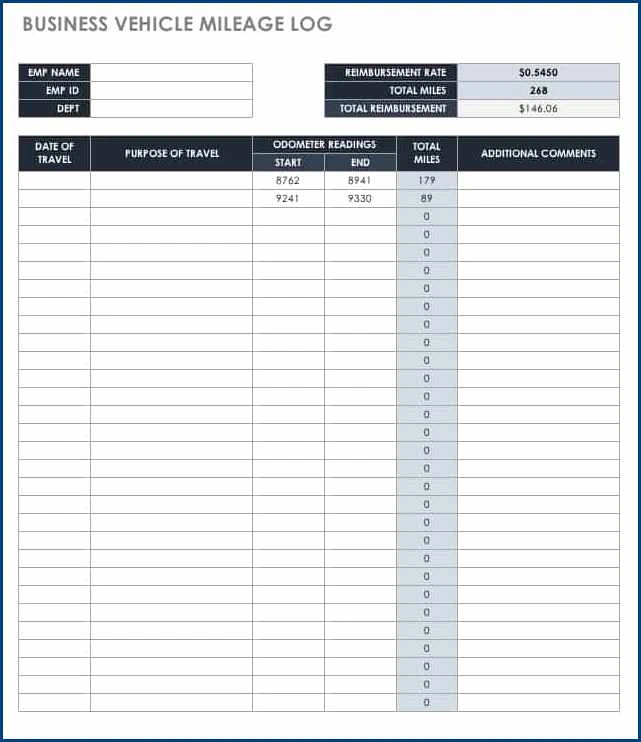
As a business owner, keeping track of your mileage is crucial for tax purposes and reimbursement. By maintaining a detailed mileage log, you can accurately report your business-related travel expenses and ensure compliance with IRS regulations.
In this article, we will discuss the importance of keeping a mileage log, what to include in your log, how to track your mileage effectively, and provide some tips for maximizing your tax deductions.
What is a Mileage Log?
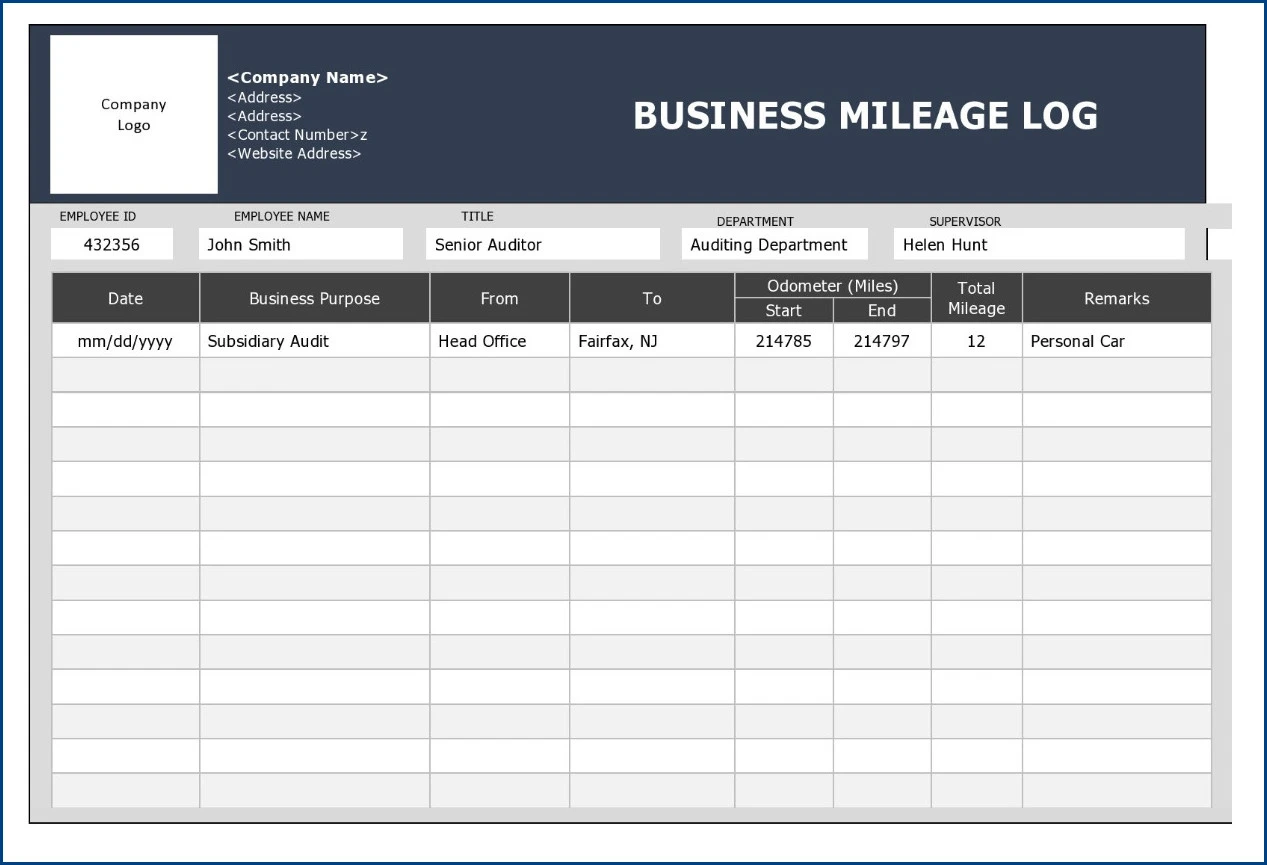
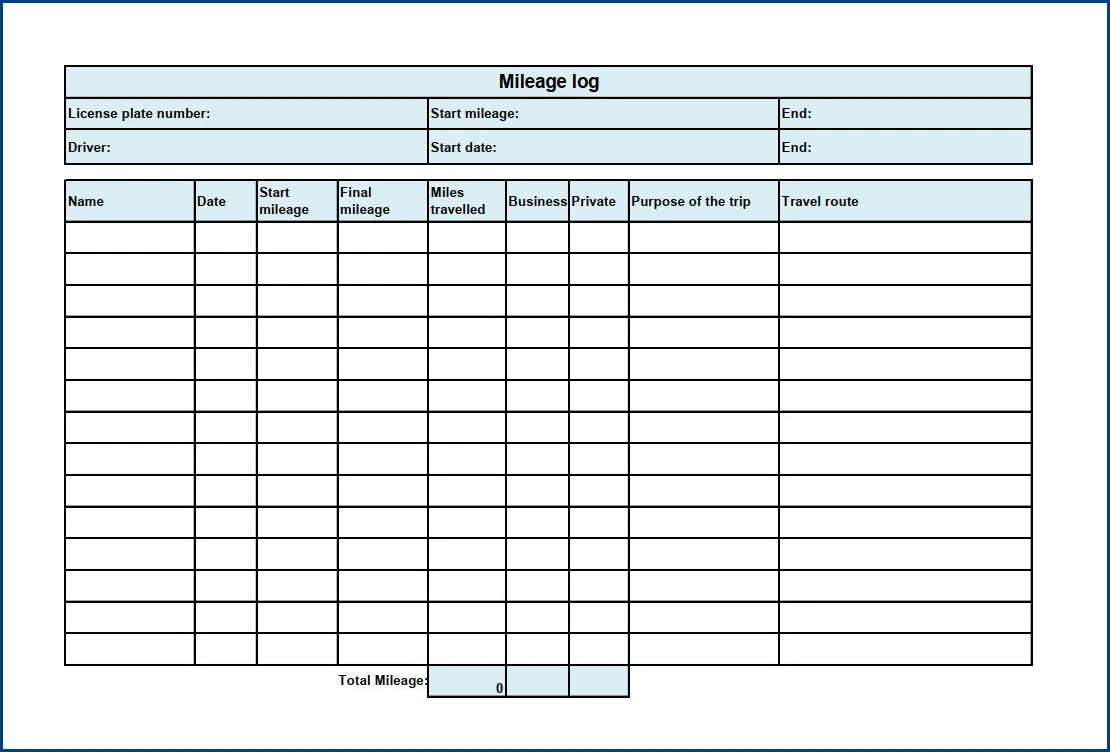
A mileage log is a record of the miles you have traveled for business purposes. It should include the date of travel, starting and ending locations, purpose of the trip, and total miles driven.
Keeping an accurate mileage log is essential for businesses that use a vehicle for work-related activities, as it provides documentation for tax deductions and reimbursement.
Why Keep a Mileage Log?
There are several reasons why keeping a mileage log is important for businesses:
- IRS Compliance: The IRS requires detailed records for business-related mileage deductions. Without a mileage log, you may not be able to substantiate your deductions in case of an audit.
- Accurate Reimbursement: If your employer reimburses you for business travel, a mileage log ensures that you are compensated fairly based on the miles you have traveled.
- Tax Deductions: By tracking your business mileage, you can claim deductions on your tax return for the miles you have driven for work.
- Business Expense Tracking: A mileage log helps you keep track of your business expenses and budget effectively.
What to Include in Your Mileage Log
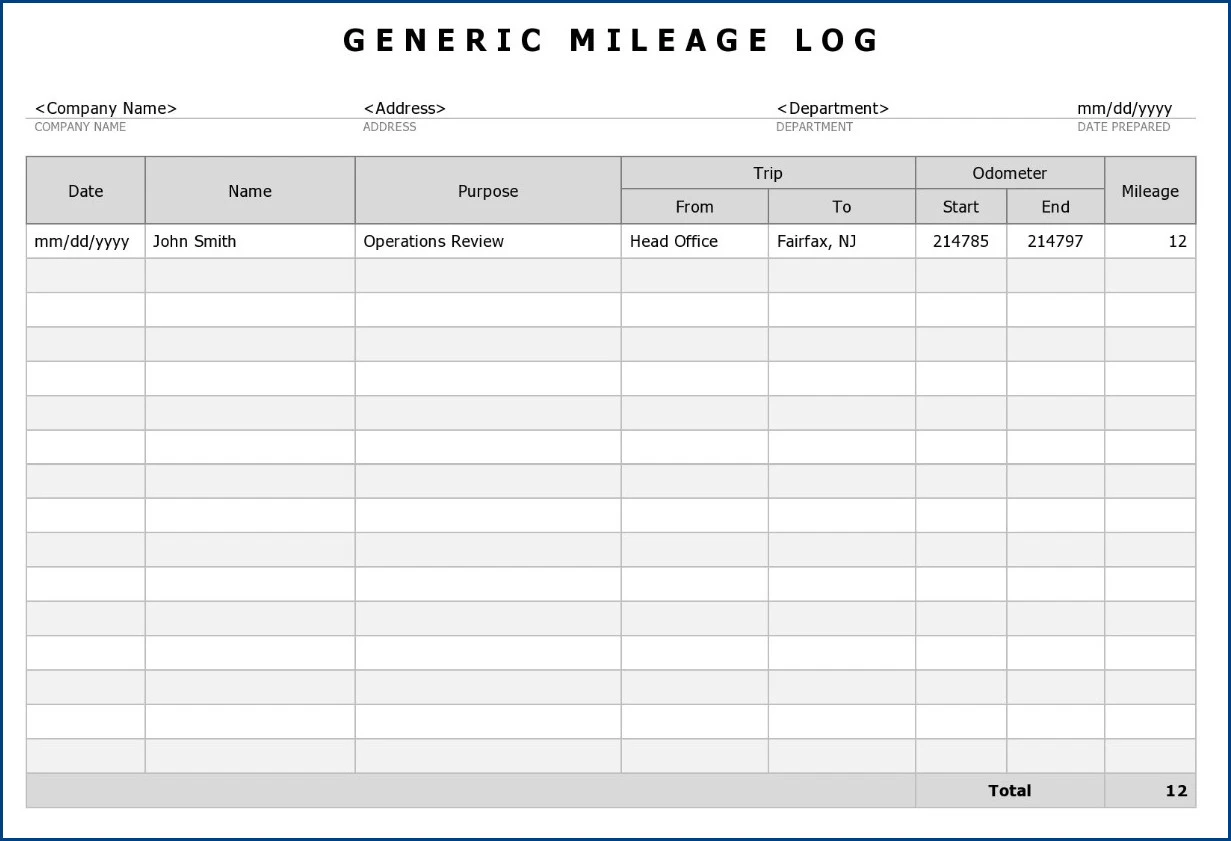
When keeping a mileage log, make sure to include the following information for each trip:
- Date of Travel: Record the date when the trip took place.
- Starting and Ending Locations: Note the starting point and destination of your trip.
- Purpose of the Trip: Specify the reason for the travel (e.g., client meeting, office supply pickup).
- Total Miles Driven: Calculate the total distance traveled for the trip.
It is essential to be consistent in recording this information for every business-related journey to maintain an accurate mileage log.
How to Track Your Mileage Effectively
There are several methods you can use to track your mileage accurately:
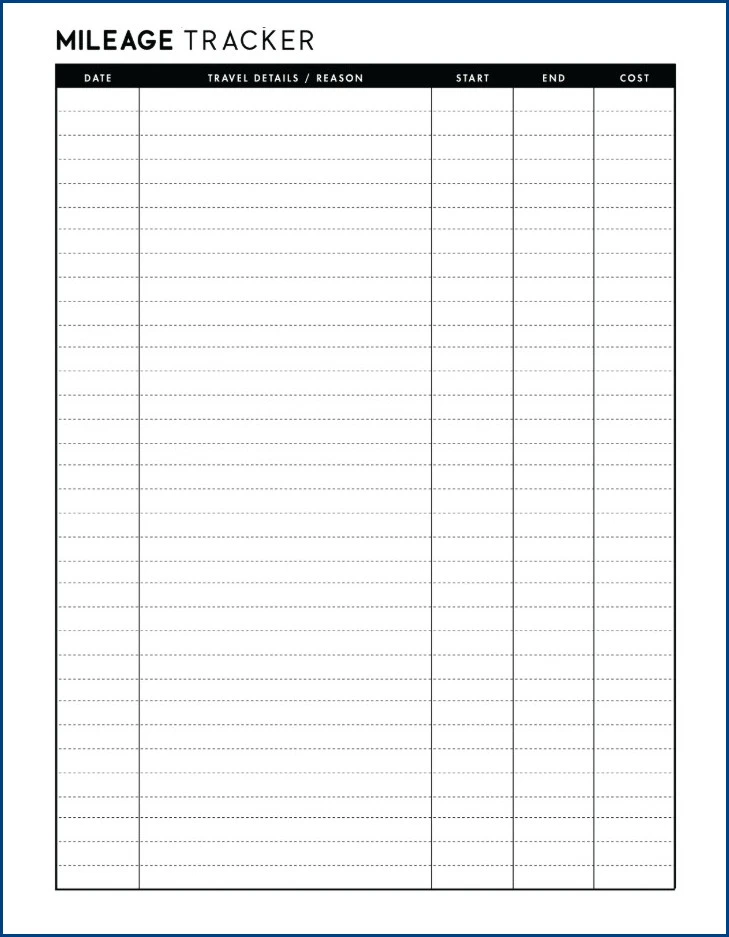
- Manual Log: Keep a physical logbook in your vehicle to record your trips.
- Mobile Apps: Use mileage tracking apps on your smartphone to automatically log your travel.
- GPS Devices: Install a GPS mileage tracker in your vehicle to monitor your mileage.
Choose a method that works best for you and ensures that you capture all necessary information for your mileage log.
Tips for Maximizing Your Tax Deductions
To maximize your tax deductions for business mileage, consider the following tips:
- Separate Personal and Business Trips: Only record mileage for trips that are directly related to your business activities.
- Keep Detailed Records: Maintain a thorough mileage log with accurate information for each trip.
- Utilize Technology: Use mileage tracking apps or GPS devices to streamline the tracking process.
- Consult with a Tax Professional: Seek guidance from a tax professional to ensure you are maximizing your deductions within the legal limits.
By following these tips and maintaining a detailed mileage log, you can effectively track your business-related travel expenses and optimize your tax deductions.
Mileage Log Template – Download

- Free Printable Wedding Schedule Template - September 15, 2026
- Free Printable Weekly Employee Timesheet Template - September 15, 2026
- Printable Sign-in Sign-out Sheet Template - September 15, 2026
