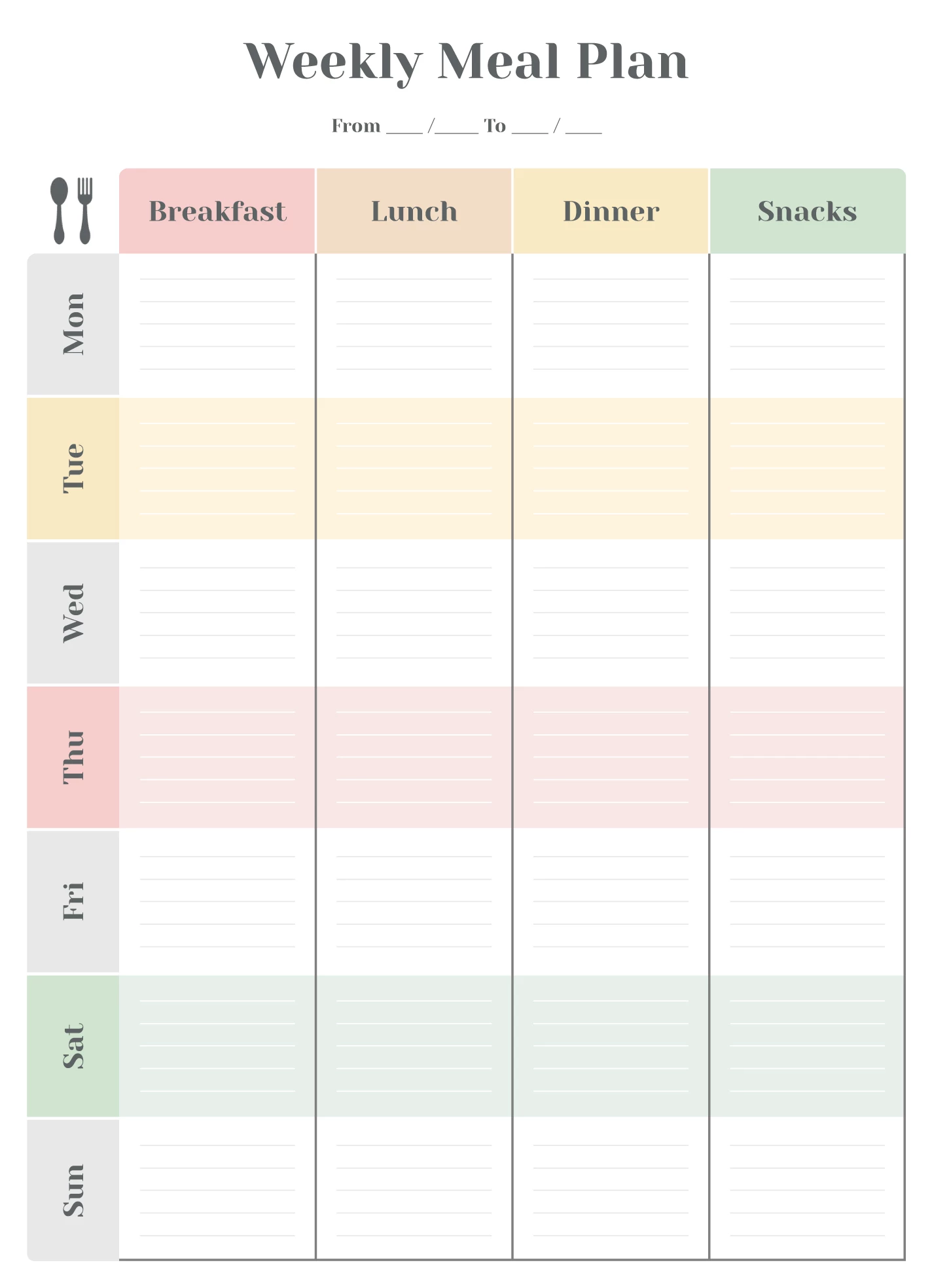
Menu planning can be a game-changer when it comes to simplifying your meals and ensuring you have a well-balanced diet. Whether you are a busy parent trying to feed your family or an individual looking to eat healthier, having a menu planner can help you stay organized and save time in the kitchen.
In this comprehensive guide, we will explore the ins and outs of menu planning, including why it is important, what to include in your menu, how to create a menu plan, and tips for success.
What is Menu Planning?
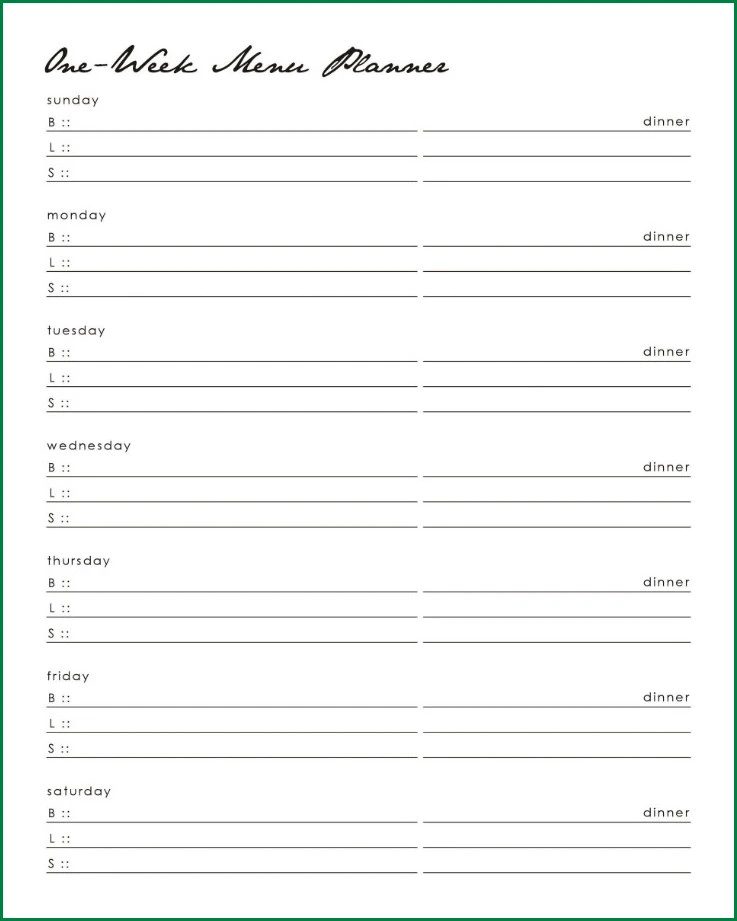
Menu planning is the process of deciding ahead of time what meals you will eat for a set period, typically a week. This can involve choosing recipes, creating a shopping list, and organizing your meals for each day.
By planning your menu, you can save time, money, and reduce food waste. It also allows you to make healthier food choices and ensures that you have all the necessary ingredients on hand.
Why Menu Planning is Important
There are several benefits to menu planning, including:
- Save Time: By planning your meals, you can cut down on the time spent deciding what to eat each day.
- Save Money: Menu planning helps you stick to a budget by reducing impulse purchases and utilizing ingredients you already have.
- Eat Healthier: Planning your meals allows you to choose nutritious recipes and ensure you are getting a balanced diet.
- Reduce Stress: Knowing what you will be eating each day can reduce the stress of mealtime decision-making.
What to Include in Your Menu
When creating a menu plan, consider the following factors:
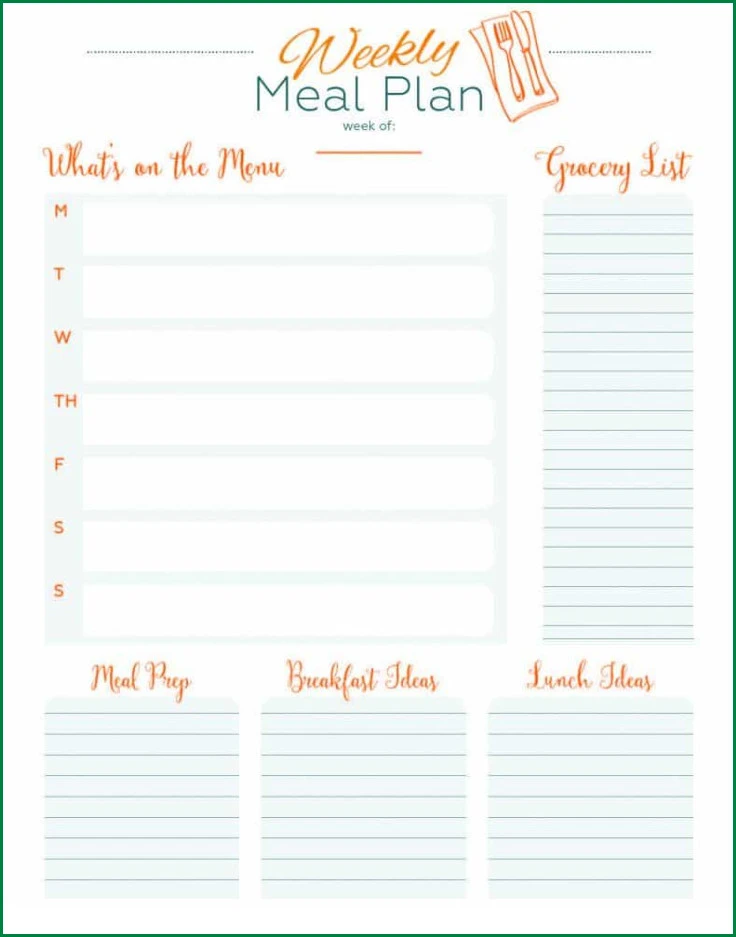
- Breakfast, Lunch, Dinner: Plan out your meals for each of these main mealtimes.
- Snacks: Include healthy snack options to keep you satisfied between meals.
- Variety: Ensure your menu includes a mix of different proteins, fruits, vegetables, and grains.
- Leftovers: Factor in leftover nights to use up any excess food and reduce waste.
How to Create a Menu Plan
Follow these steps to create an effective menu plan:
- Set a Schedule: Choose a day of the week to plan your menu and create a shopping list.
- Check Your Pantry: Take stock of what ingredients you already have to avoid buying duplicates.
- Choose Recipes: Select recipes based on your family’s preferences, dietary restrictions, and seasonal ingredients.
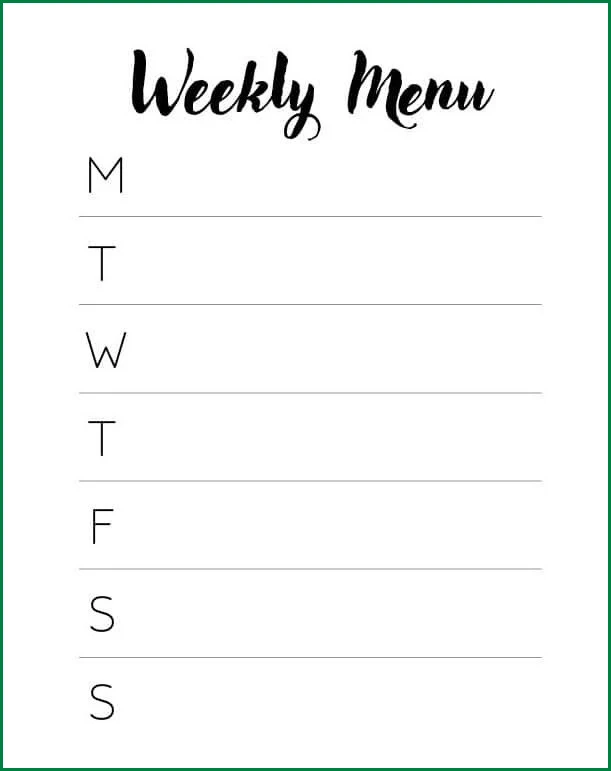
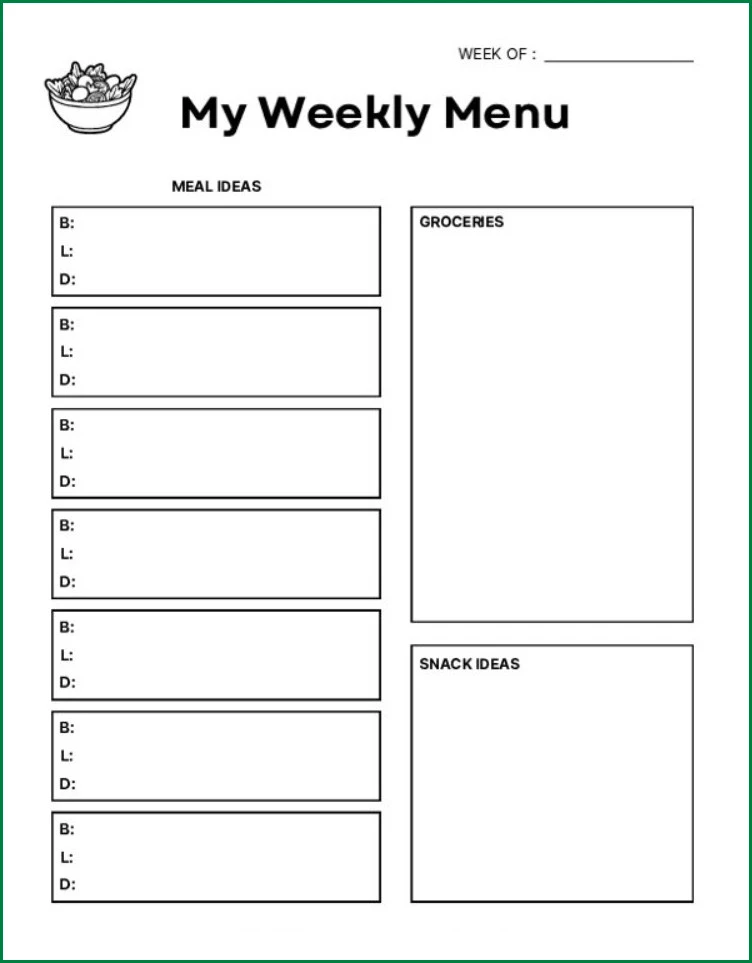
- Create Your Menu: Use a calendar or template to map out your meals for the week.
- Make a Shopping List: Write down all the ingredients you need for your recipes to streamline your grocery shopping.
- Prep Ahead: Prep some ingredients in advance to save time during the week.
Tips for Successful Menu Planning
Here are some tips to help you make the most of your menu planning:
- Be Flexible: Allow for last-minute changes or substitutions in your menu plan.
- Batch Cook: Prepare large batches of meals and freeze them for future use.
- Use Theme Nights: Designate certain nights for specific cuisines or types of meals to add variety.
- Involve Your Family: Get input from family members when creating your menu plan to ensure everyone is satisfied.
- Try New Recipes: Experiment with new dishes to keep things interesting and expand your culinary repertoire.
Conclusion
Menu planning is a valuable tool for simplifying your meals, saving time and money, and promoting healthier eating habits. By following the steps outlined in this guide and incorporating the tips provided, you can create a menu plan that works for you and your family. Make menu planning a regular part of your routine to enjoy the benefits of stress-free mealtime decisions and delicious, nutritious meals.
Menu Planner Template – Download

- Free Printable Wedding Schedule Template - September 15, 2026
- Free Printable Weekly Employee Timesheet Template - September 15, 2026
- Printable Sign-in Sign-out Sheet Template - September 15, 2026
