Filming a movie or TV show is a complex and demanding process that requires careful planning and coordination. One of the most critical elements of a successful production is the filming schedule. A well-organized schedule can make the difference between a smooth, efficient shoot and a chaotic, costly nightmare.
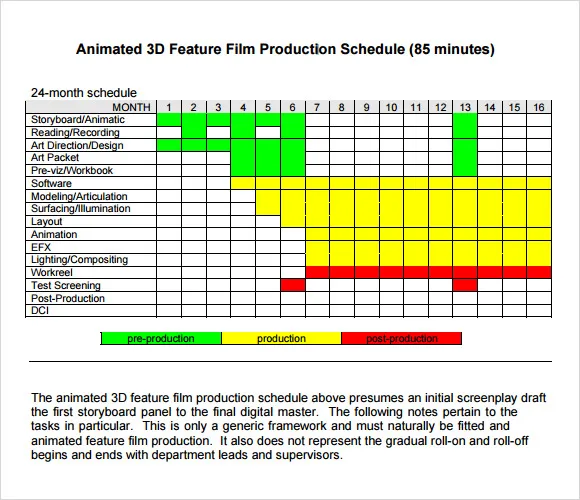
In this guide, we will explore the key elements of a filming schedule and provide tips for creating one that will help you stay on track and on budget.
What is a Filming Schedule?
A filming schedule is a detailed roadmap that outlines the sequence of scenes to be shot, the locations where they will be filmed, and the dates and times for each shoot. It is essentially a calendar for the entire production, mapping out every step of the filming process from start to finish.
The schedule serves as a guide for the cast and crew, ensuring that everyone knows where they need to be and when, and helping to prevent costly delays and confusion.
Why is a Filming Schedule Important?
A well-crafted filming schedule is crucial for keeping a production on track and within budget. By carefully planning out the sequence of scenes to be shot and coordinating the logistics of each shoot, you can streamline the production process and avoid costly delays. The schedule helps to manage labor costs by ensuring that crew members are only working when they are needed and helps to maintain project momentum by keeping everyone focused and on task.
Efficient Resource Management
One of the key benefits of a filming schedule is that it allows for efficient resource management. By outlining the order in which scenes will be shot and the locations where filming will take place, you can ensure that resources such as equipment, props, and crew members are deployed in the most effective and cost-efficient manner. This can help to prevent waste, reduce unnecessary expenses, and maximize the use of available resources throughout the production process.
Preventing Costly Delays
Without a detailed filming schedule, productions are at risk of experiencing costly delays that can throw off the entire project timeline and budget. Delays can occur for a variety of reasons, such as logistical issues, equipment malfunctions, or actor scheduling conflicts. By creating a comprehensive schedule that accounts for potential challenges and setbacks, you can minimize the risk of delays and keep the production running smoothly and efficiently.
Ensuring Continuity and Consistency
A well-organized filming schedule is essential for maintaining continuity and consistency throughout the production. By carefully planning out the sequence of scenes and shoot days, you can ensure that the story unfolds logically and coherently, and that the look and feel of the film remain consistent from scene to scene. A detailed schedule helps to keep everyone on the same page and ensures that the creative vision of the project is realized in the final product.
Managing Labor Costs
One of the biggest expenses in any production is labor costs, including crew salaries, actor fees, and other personnel expenses. A filming schedule can help to manage labor costs by ensuring that crew members are only working when they are needed and that shoot days are planned in a way that maximizes efficiency. By carefully scheduling shoot days and coordinating crew availability, you can avoid paying for unnecessary downtime and keep labor costs in check.
Key Elements of a Filming Schedule
Creating a filming schedule involves considering a variety of key elements to ensure that the production runs smoothly and efficiently. Some of the essential components of a filming schedule include:
Scene Breakdown:
A detailed breakdown of each scene in the script, including the location, characters, props, and any special requirements. This information is essential for creating an accurate schedule that takes into account all of the resources and logistics required for each scene.
Location Scouting:
Identifying and securing all of the locations where filming will take place, and coordinating with the property owners for access. Location scouting is crucial for determining the feasibility of shooting at each location and ensuring that all necessary permits and permissions are obtained.
Crew Availability:
Ensuring that key crew members, such as the director, cinematographer, and production designer, are available for each shoot day. Coordinating crew availability is essential for ensuring that the production runs smoothly and that all key personnel are on hand when they are needed.
Actor Schedules:
Coordinating the schedules of the cast members to ensure that everyone is available for their scenes. Actor scheduling can be one of the most challenging aspects of creating a filming schedule, as it requires coordination with multiple parties and careful planning to ensure that all scenes are shot as efficiently.
Equipment Needs:
Identifying the equipment and resources that will be required for each shoot, such as cameras, lighting, and sound equipment. Coordinating equipment needs is essential for ensuring that all necessary resources are available on shoot days and that technical requirements are met for each scene.
Weather Contingencies:
Making backup plans in case of inclement weather or other unforeseen circumstances that could disrupt the shoot. Weather contingencies are essential for ensuring that production can continue even in adverse conditions and that any delays or setbacks can be quickly addressed and resolved.
Creative Considerations:
Taking into account the creative requirements of each scene, such as lighting, sound, and visual effects. Creative considerations are essential for ensuring that the director’s vision is realized on screen and that all technical and artistic requirements are met for each scene.
How to Create a Filming Schedule
Creating a filming schedule requires careful planning and coordination to ensure that all of the key elements are taken into account. Here are some steps to help you create an effective filming schedule:
Start with a Script Breakdown
Begin by conducting a detailed breakdown of the script, identifying all of the scenes, locations, characters, and props that will be required for each shoot. A thorough script breakdown is essential for creating an accurate and efficient filming schedule that takes into account all of the creative and logistical requirements of the production.
Consider Logistics
Think about the logistics of each shoot, including location access, equipment needs, crew availability, and actor schedules. Logistics planning is essential for ensuring that all of the resources and personnel needed for each shoot are available and that potential challenges are identified and addressed in advance.
Prioritize Scenes
Determine the order in which scenes will be shot based on factors such as location availability, actor availability, and creative considerations. Prioritizing scenes can help to ensure that the most critical or challenging scenes are shot first, allowing for more flexibility in the schedule and reducing the risk of delays later on.
Create a Shooting Schedule
Use a calendar or scheduling software to map out the dates and times for each shoot, taking into account factors such as weather contingencies and equipment needs. Creating a shooting schedule allows you to visualize the production timeline in a clear and organized manner, making it easier to track progress, coordinate resources, and communicate the plan to the cast and crew.
Tips for Successful Filming Schedules
Creating a successful filming schedule requires careful planning and attention to detail. Here are some tips to help you create a schedule that will keep your production on track:
Start Early
Begin planning your filming schedule as soon as possible to allow plenty of time for coordination and adjustments. Starting early gives you the time you need to conduct a thorough script breakdown, coordinate with key stakeholders, and address any potential challenges or setbacks before they arise.
Involve Key Stakeholders
Make sure that key stakeholders, such as the director, producer, and department heads, are involved in the scheduling process. Collaborating with key stakeholders ensures that everyone’s input is considered and that the schedule reflects the creative vision and logistical requirements of the production.
Use Scheduling Software
Consider using scheduling software to help you create and manage your filming schedule more efficiently. Scheduling software can streamline the scheduling process, allowing you to input scene details, locations, and shoot times, and easily visualize the schedule in a calendar format. This can help you to track progress, coordinate resources, and communicate the plan effectively to the cast and crew.
Build in Buffer Time
Allow extra time between shoots to account for unforeseen delays or changes in the production process. Building in buffer time gives you the flexibility to address unexpected challenges or setbacks without derailing the entire production timeline. It also helps to reduce stress and pressure on the cast and crew, allowing for a more relaxed and efficient shoot.
Stay Organized
Keep detailed records of the schedule, including scene breakdowns, location details, and contact information for key personnel. Staying organized is essential for ensuring that everyone has access to the most up-to-date information and that potential challenges or issues can be quickly addressed and resolved. By maintaining detailed records, you can track progress, communicate effectively, and stay on top of all aspects of the production process.
Communicate Clearly
Make sure that everyone involved in the production is aware of the schedule and understands their role in the process. Clear communication helps to prevent misunderstandings, conflicts, and delays that can disrupt the production process. Regular updates, meetings, and briefings can help to ensure that everyone is on the same page and working towards the same goals.
Stay Flexible
Be prepared to make adjustments to the schedule as needed to accommodate changes in the production process. Unexpected challenges, such as weather delays, actor availability issues, or technical difficulties, can arise at any time and may require you to be flexible and adaptable in your approach. By remaining open to changes and willing to make adjustments as needed, you can ensure that the production stays on track and that any setbacks are quickly addressed and resolved.
Filming Schedule Template
A Filming Schedule helps filmmakers, content creators, and production teams plan shoots efficiently by organizing scenes, locations, cast, crew, equipment, and timing in one clear document. It ensures everyone knows what needs to be filmed, where, and when, reducing delays and improving coordination on set. With a structured template, you can streamline production, stay on schedule, and keep your filming process running smoothly.
Download our Filming Schedule Template today to plan your shoots with clarity and keep your production on track.
Filming Schedule Template – DOWNLOAD

- Free Editable Nursing Resume Template (Word) - March 12, 2026
- Monthly Work Schedule Template (Excel) - March 10, 2026
- Mortgage Letter of Explanation Template (Word) - March 8, 2026
