What is a Functional Resume?
A functional resume is a strategic document that highlights a candidate’s skills and accomplishments over their work history timeline. Unlike a traditional chronological resume, which focuses on job titles and dates of employment, a functional resume categorizes skills into relevant sections to showcase how they align with the requirements of the target job.
By organizing information in this way, candidates can effectively demonstrate their qualifications and strengths without being restricted by the order in which they acquired them.
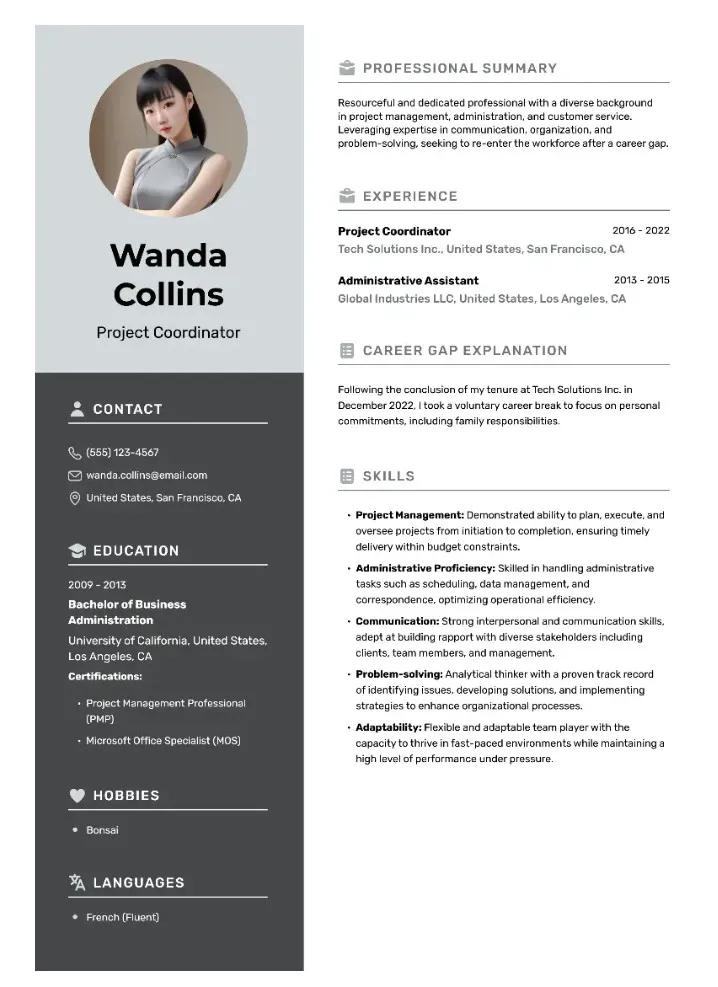
Why Choose a Functional Resume?
For Career Changers
Career changers often face challenges when trying to demonstrate their qualifications for a new industry or role. A functional resume allows these individuals to focus on the skills and experiences that are most relevant to their target job, regardless of their previous work history. By highlighting transferable skills and showcasing achievements that demonstrate their capabilities, career changers can make a compelling case for why they are a strong fit for the position.
For Candidates with Employment Gaps
Employment gaps can be a source of concern for many job seekers, as they may raise questions about the candidate’s reliability or commitment. A functional resume offers a solution by shifting the focus to the candidate’s skills and accomplishments rather than the gaps in their work history. By emphasizing the value they can bring to a potential employer, candidates with employment gaps can present themselves as qualified and capable candidates deserving of consideration.
For Individuals with Limited Work Experience
Individuals with limited work experience, such as recent graduates or those entering the workforce for the first time, can benefit from a functional resume by highlighting their skills and potential. By organizing their capabilities into relevant categories and showcasing achievements from internships, volunteer work, or educational projects, these individuals can demonstrate their readiness to take on new challenges and contribute positively to a team. A functional resume allows them to make a strong impression based on their abilities, rather than their lack of experience.
Key Elements of a Functional Resume
Summary or Objective Statement
The summary or objective statement at the beginning of a functional resume is a crucial component that provides hiring managers with a snapshot of your professional background and career goals. This section should be concise yet impactful, highlighting your key qualifications and what you bring to the table as a candidate. A well-crafted summary can set the tone for the rest of your resume and pique the employer’s interest in learning more about you.
Skills Section
The skills section of a functional resume is where you showcase your core competencies and capabilities. Group your skills into categories that are relevant to the job you are applying for, such as technical skills, soft skills, or industry-specific skills. By organizing your abilities in this way, you make it easy for employers to quickly assess your qualifications and see how they align with the requirements of the position. Be specific and provide examples of how you have applied these skills in previous roles to demonstrate your expertise.
Accomplishments
Highlighting your accomplishments is a critical aspect of a functional resume, as it allows you to showcase the results of your work and the impact you have made in previous roles. When listing your achievements, focus on quantifiable results and specific examples that demonstrate your abilities. Whether you increased sales revenue, improved efficiency, or led a successful project, including concrete examples of your accomplishments helps employers understand the value you can bring to their organization.
Relevant Experience
While a functional resume does not emphasize chronological work history, it is still important to include relevant work experience that supports your skills and qualifications. Instead of listing every job you have held, focus on positions that are directly related to the job you are applying for or where you gained valuable experience that applies to the role. Highlight the skills and accomplishments from these roles, rather than just the job titles, to show how your past experiences have prepared you for the position you are seeking.
Education
The education section of a functional resume should include your academic background, certifications, and any additional training that is relevant to the job you are applying for. List your degrees, majors, and universities attended, as well as any honors or awards you have received. Include relevant coursework, projects, or certifications that demonstrate your knowledge and expertise in a particular area. By showcasing your educational achievements, you can further strengthen your qualifications and show employers that you have the necessary knowledge and skills to excel in the role.
Keywords
In today’s digital age, many employers use applicant tracking systems (ATS) to screen resumes and identify top candidates. To ensure that your functional resume gets past these systems and into the hands of hiring managers, it’s essential to include industry-specific keywords and phrases. Review the job description carefully and incorporate relevant terms that match the requirements of the position. By using the right keywords, you increase the chances of your resume being selected for further review and consideration.
Customization
One of the most important aspects of creating a successful functional resume is customization. Tailoring your resume to each job application shows employers that you have taken the time to understand their needs and how your skills align with the position. Customize the skills, experiences, and accomplishments you highlight based on the job description, focusing on the qualifications that are most relevant to the role. By tailoring your functional resume for each application, you demonstrate your genuine interest in the position and increase your chances of standing out as a strong candidate.
How to Create a Functional Resume
Choosing the Right Format
When creating a functional resume, it’s important to choose the right format that best highlights your skills and accomplishments. There are various templates and layouts available online that can help you structure your resume effectively. Select a format that is clean, professional, and easy to read, with clear sections for skills, accomplishments, and work experience. Make sure the design of your resume complements the content and enhances the overall presentation of your qualifications.
Identifying Key Skills
Before you start drafting your functional resume, take the time to identify the key skills and experiences that are most relevant to the job you are applying for. Review the job description and make note of the qualifications, requirements, and desired attributes that the employer is seeking. Then, categorize your skills into relevant sections based on these criteria, ensuring that you highlight the abilities that align with the position. By focusing on the most important skills, you can create a targeted resume that resonates with hiring managers.
Crafting a Compelling Summary
The summary or objective statement at the beginning of your functional resume is your opportunity to make a strong first impression on employers. Use this section to introduce yourself, highlight your key qualifications, and express your career goals. Keep the summary concise and focused, emphasizing your unique strengths and what sets you apart from other candidates. A well-crafted summary can capture the employer’s attention and entice them to continue reading your resume to learn more about your background and capabilities.
Organizing Your Sections
Organization is key when creating a functional resume, as it helps employers navigate your qualifications and understand your suitability for the job. Arrange your resume sections in a logical order that flows smoothly and guides the reader through your skills, accomplishments, and experiences. Start with a strong summary or objective statement at the top, followed by a skills section that highlights your core competencies. Next, include an accomplishments section that showcases your achievements, and then detail any relevant work experience and education. By organizing your resume effectively, you make it easy for employers to see your qualifications at a glance.
Quantifying Your Achievements
When detailing your accomplishments in a functional resume, it’s essential to quantify your achievements to provide context and demonstrate the impact of your work. Instead of simply listing responsibilities or tasks, focus on measurable results and specific outcomes that showcase your contributions. Use numbers, percentages, or other metrics to
Proofreading and Editing
Before finalizing your functional resume, it’s crucial to thoroughly proofread and edit the content to ensure accuracy and clarity. Review your resume for spelling and grammatical errors, consistency in formatting, and overall cohesiveness. Consider asking a friend, mentor, or professional resume writer to provide feedback and suggestions for improvement. By taking the time to edit and refine your resume, you can present yourself as a polished and professional candidate to potential employers.
Tips for Writing a Successful Functional Resume
Focus on Results
When crafting a functional resume, focus on showcasing the results of your work rather than just listing job responsibilities. Highlight specific achievements, projects, or initiatives that demonstrate your impact and contributions in previous roles. By quantifying your results and showing how you have made a difference, you provide tangible evidence of your abilities and strengths to potential employers.
Keep It Concise
While it’s important to provide detailed information in your functional resume, it’s equally crucial to keep it concise and to the point. Avoid unnecessary details or lengthy paragraphs that may overwhelm the reader. Instead, focus on presenting information in a clear and organized manner, using bullet points or concise statements to convey your qualifications effectively. By keeping your resume concise, you make it easier for employers to quickly assess your skills and accomplishments.
Use Action Words
Strong action verbs can enhance the impact of your functional resume by making your accomplishments more dynamic and engaging. Use action words such as “achieved,” “implemented,” “led,” “developed,” or “solved” to describe your experiences and achievements. These words convey a sense of accomplishment and initiative, demonstrating your proactive approach to work and compellingly showcasing your capabilities.
Tailor to the Job
Customizing your functional resume for each job application is essential to ensure that it resonates with the employer’s needs and requirements. Analyze the job description carefully and identify the key skills, experiences, and qualifications that are most relevant to the position. Then, tailor your resume by emphasizing these specific attributes and aligning your achievements with the employer’s expectations. By customizing your resume, you demonstrate your genuine interest in the job and show how you are uniquely qualified for the role.
Seek Feedback
Seeking feedback from others can provide valuable insights and perspectives on your functional resume. Ask friends, mentors, or colleagues to review your resume and provide constructive criticism and suggestions for improvement. Consider working with a professional resume writer who can offer expert guidance and help you polish your document for maximum impact. By seeking feedback, you can gain valuable insights into how to make your resume more compelling in capturing the attention of employers.
Update Regularly
It’s essential to keep your functional resume up to date with your latest skills, experiences, and accomplishments. Regularly review and revise your resume to reflect any new qualifications, certifications, or achievements you have acquired. Update your resume with relevant keywords and industry-specific terminology to ensure that it remains current and optimized for applicant tracking systems. By regularly updating your resume, you demonstrate your ongoing commitment to professional development and show employers that you are a proactive and engaged candidate.
Free Functional Resume Template
A Functional Resume helps you highlight your skills and achievements rather than focusing solely on work history. It is ideal for career changers, individuals with employment gaps, or those looking to emphasize transferable skills in a clear and professional format. With a well-structured template, you can showcase your strengths, present your qualifications effectively, and make a strong impression on employers.
Download our Functional Resume Template today to present your skills with confidence and stand out in your job search.
Functional Resume Template – DOWNLOAD

- New Grad Nursing Resume Template - April 2, 2026
- Non-competition Agreement Template - March 31, 2026
- Non-disclosure Agreement Template for Employees - March 30, 2026
