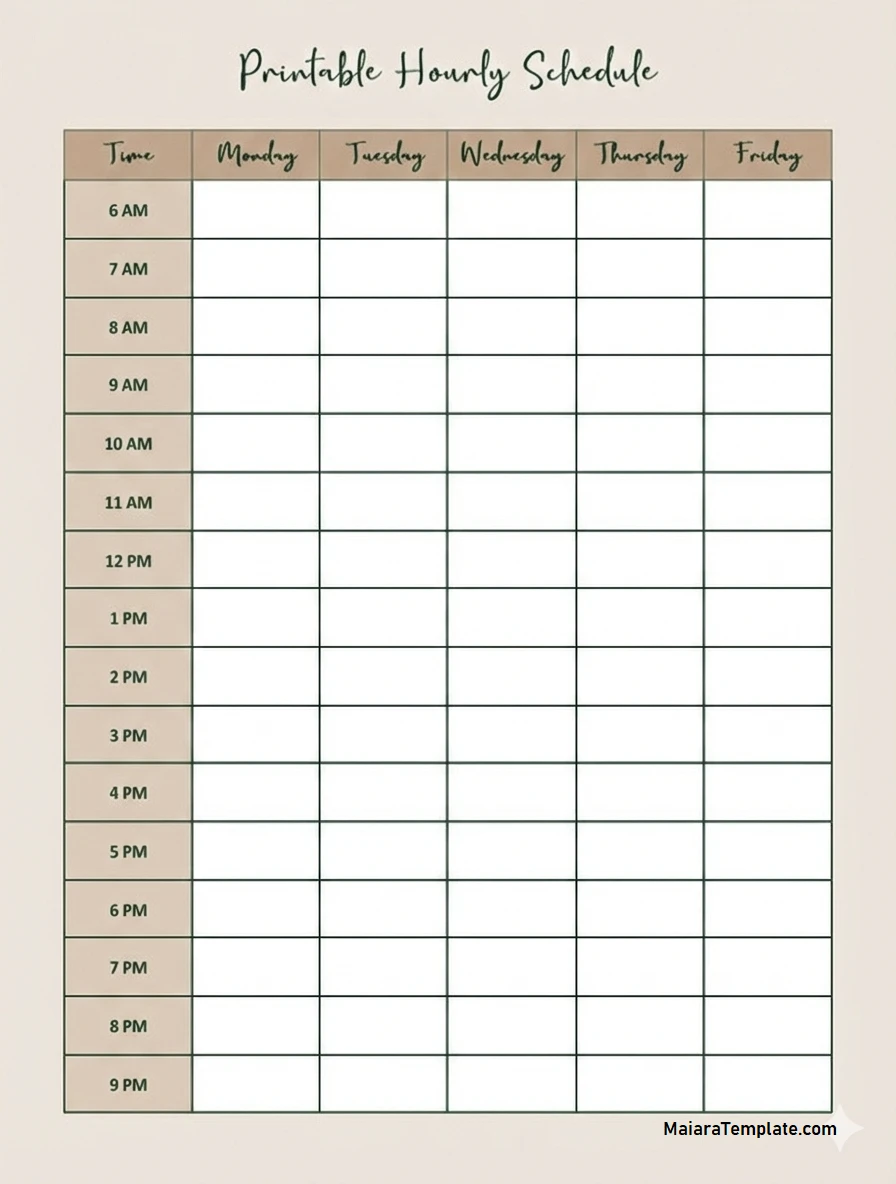
In today’s fast-paced world, it can be challenging to juggle all of our responsibilities and commitments. Whether you’re a student, a professional, a freelancer, or a stay-at-home parent, having a structured hourly schedule can make a significant difference in how you manage your time, stay focused, and increase productivity. By breaking down your day into specific tasks with designated start and end times, an hourly schedule can help you stay organized, on track with your goals, and ultimately achieve a better work-life balance.
In this comprehensive guide, we will explore the benefits of using an hourly schedule, what to include in your schedule, how to create an effective schedule, and tips for maximizing your productivity.
What is an Hourly Schedule?
An hourly schedule is a detailed plan that breaks down your day into specific tasks and activities with designated start and end times. Instead of just having a to-do list or a general plan for the day, an hourly schedule allows you to allocate specific time slots for each task or activity.
This level of specificity helps you stay focused, organized, and on track with your goals. It also provides the flexibility to handle unexpected events or interruptions without derailing your entire day.
Why Use an Hourly Schedule?
There are several reasons why using an hourly schedule can be beneficial for improving time management and productivity:
- Structure: An hourly schedule provides a clear structure for your day, making it easier to prioritize tasks and allocate time for each activity.
- Focus: By assigning specific time slots to tasks, you can stay focused and avoid distractions, increasing your overall productivity.
- Organization: A detailed schedule helps you stay organized and ensures that nothing falls through the cracks.
- Time Management: With an hourly schedule, you can better manage your time and ensure that you are making progress on your goals.
- Flexibility: Despite its detailed nature, an hourly schedule also offers flexibility to adjust your plan as needed to accommodate unexpected events or last-minute changes.
- Stress Reduction: Having a clear plan for your day can help reduce stress and anxiety associated with feeling overwhelmed or unprepared.
- Work-Life Balance: An hourly schedule can help you prioritize your tasks and allocate time for both work and personal activities, leading to a better work-life balance.
What to Include in Your Hourly Schedule
When creating an hourly schedule, it is essential to include the following elements:
- Tasks and Activities: List all the tasks and activities you need to accomplish during the day.
- Time Slots: Allocate specific time slots for each task or activity, based on their priority and estimated duration.
- Breaks: Include short breaks throughout the day to rest and recharge, helping you stay refreshed and focused.
- Flexibility: Leave some buffer time between tasks to account for unexpected events or delays.
- Prioritization: Identify the most important tasks and schedule them during your peak productivity hours.
- Review and Adjust: Regularly review your schedule and make adjustments as needed to ensure you are staying on track with your goals.
How to Create an Effective Hourly Schedule
Creating an effective hourly schedule involves the following steps:
1. Set Clear Goals: Identify your priorities and goals for the day to guide your scheduling decisions.
2. Estimate Task Durations: Estimate how long each task will take to complete, and accurately allocate time for it.
3. Allocate Time Slots: Assign specific time slots for each task, starting with the most critical ones.
4. Include Breaks: Schedule short breaks throughout the day to rest and recharge.
5. Be Realistic: Be realistic about what you can accomplish in a day and avoid overloading your schedule.
6. Stay Flexible: Allow for flexibility in your schedule to handle unexpected events or changes.
7. Review and Adjust: Regularly review your schedule and make adjustments as needed to ensure you are staying on track.
Tips for Maximizing Productivity with an Hourly Schedule
To make the most of your hourly schedule and improve your productivity, consider the following tips:
- Prioritize Tasks: Focus on completing the most important tasks first before moving on to less critical ones.
- Limit Multitasking: Avoid multitasking and focus on one task at a time to increase efficiency.
- Eliminate Distractions: Minimize distractions by turning off notifications, finding a quiet workspace, or using productivity tools.
- Set Realistic Expectations: Be realistic about what you can accomplish in a day and avoid setting unrealistic goals.
- Take Regular Breaks: Schedule short breaks to rest and recharge, which can help maintain focus and prevent burnout.
- Stay Consistent: Stick to your schedule consistently to build a routine and improve time management skills.
- Seek Feedback: Ask for feedback from others on your schedule to identify areas for improvement and make necessary adjustments.
Conclusion
In conclusion, using an hourly schedule can be a powerful tool for improving time management, increasing productivity, and achieving a better work-life balance. By breaking down your day into specific tasks with designated start and end times, you can stay focused, organized, and on track with your goals.
Remember to include all essential elements in your schedule, create a realistic plan, and stay flexible to accommodate unexpected events. By following the tips provided in this guide, you can maximize your productivity and make the most of your time each day. Start implementing an hourly schedule today and watch as your efficiency and success soar.
Hourly Schedule Template – DOWNLOAD

- Free Editable Nursing Resume Template (Word) - March 12, 2026
- Monthly Work Schedule Template (Excel) - March 10, 2026
- Mortgage Letter of Explanation Template (Word) - March 8, 2026
