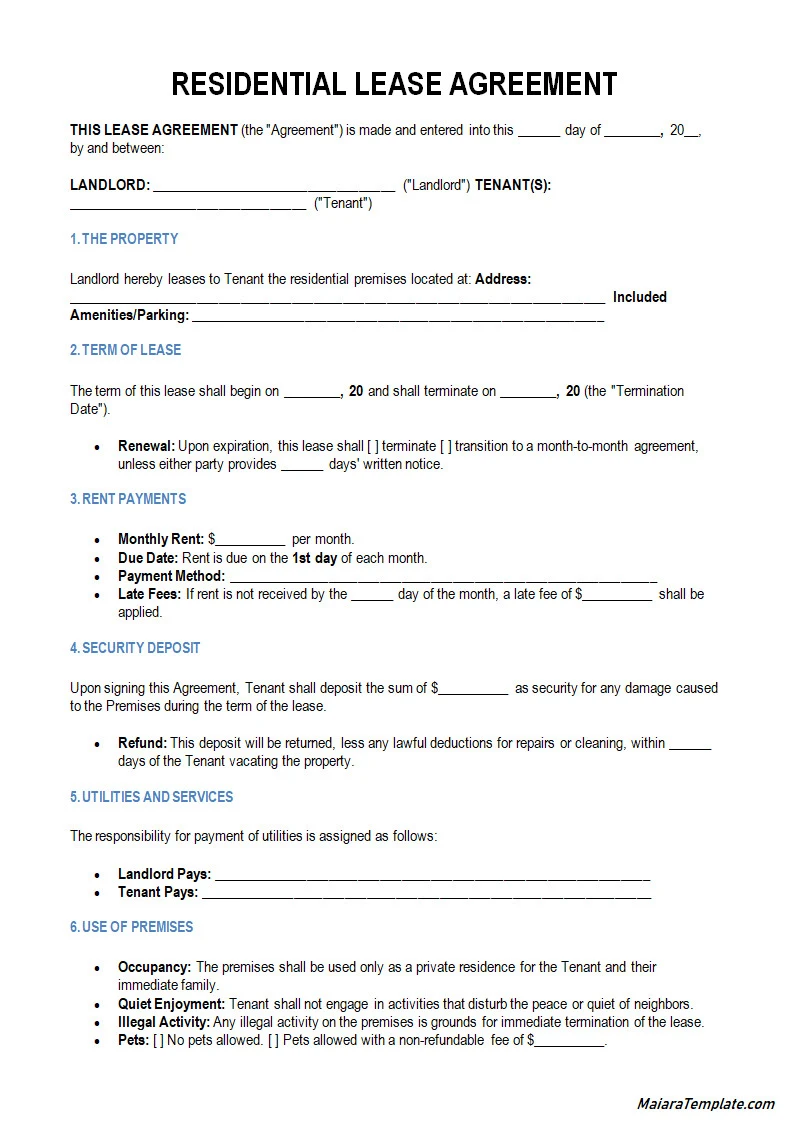
When renting a property, both landlords and tenants need to protect their rights and responsibilities. A house lease agreement is a crucial document that creates a legally binding contract between the two parties, clearly defining the terms of the rental agreement.
This agreement sets the framework for rent, duration, maintenance, and rules, ensuring a smooth rental experience by setting expectations upfront and preventing future disputes. By outlining penalties, procedures, and responsibilities for property upkeep and financial aspects, the lease agreement ensures a transparent and legally sound rental relationship.
What is a House Lease Agreement?
A house lease agreement, also known as a rental agreement or lease contract, is a legally binding document that outlines the terms and conditions of the rental arrangement between a landlord and tenant. It serves as a contract that both parties must adhere to during the duration of the lease.
The agreement typically includes details such as the rental amount, security deposit, lease duration, maintenance responsibilities, property rules and regulations, and procedures for resolving disputes.
Why is a House Lease Agreement Important?
A house lease agreement is important for several reasons:
- Protection: The agreement protects both the landlord and tenant by clearly outlining their rights and responsibilities.
- Clarity: It provides clarity on important aspects of the rental agreement, such as rent amount, duration, and maintenance responsibilities.
- Prevention of Disputes: By setting expectations upfront, the lease agreement helps prevent future disputes between the landlord and tenant.
- Security: The agreement serves as a legally binding document that can be used to resolve disputes and ensure a smooth rental experience.
Key Elements of a House Lease Agreement
A house lease agreement typically includes the following key elements:
- Rental Amount: The monthly rent amount and due date.
- Duration of Lease: The start and end dates of the lease agreement.
- Security Deposit: The amount of the security deposit and conditions for its return.
- Maintenance Responsibilities: The responsibilities of both the landlord and tenant for property upkeep.
- Rules and Regulations: Any specific rules and regulations for the property, such as noise restrictions or pet policies.
- Procedures for Disputes: The process for resolving disputes between the landlord and tenant.
How to Create a House Lease Agreement
Creating a house lease agreement involves the following steps:
1. Include Basic Information:
Start by including basic information such as the names of the landlord and tenant, the address of the property, and the duration of the lease.
2. Outline Rent and Deposit Details:
Specify the monthly rent amount, due date, security deposit amount, and conditions for its return at the end of the lease.
3. Define Maintenance Responsibilities:
Clearly outline the maintenance responsibilities of both the landlord and tenant, including who is responsible for repairs and upkeep of the property.
4. Include Rules and Regulations:
List any specific rules and regulations for the property, such as noise restrictions, smoking policies, or pet rules.
5. Address Renewal and Termination:
Include provisions for lease renewal, termination, and any penalties for early termination of the lease agreement.
6. Sign and Date the Agreement:
Both the landlord and tenant should sign and date the agreement to make it legally binding.
7. Keep Copies for Both Parties:
Make copies of the signed agreement for both the landlord and tenant to refer to throughout the duration of the lease.
Tips for a Successful House Lease Agreement
Follow these tips for a successful house lease agreement:
- Communicate Clearly: Make sure all terms are clearly communicated and understood by both parties.
- Seek Legal Advice: Consider consulting a lawyer to ensure the agreement complies with local laws and regulations.
- Document Property Condition: Take photos or videos of the property before move-in to document its condition.
- Keep Records: Keep records of all communication, rent payments, and property maintenance for reference.
- Review Regularly: Review the agreement periodically to ensure it still meets the needs of both parties.
By creating a thorough and legally sound house lease agreement, both landlords and tenants can protect their rights, prevent disputes, and ensure a smooth rental experience. It is a crucial document that outlines the expectations and responsibilities of both parties, setting the foundation for a successful landlord-tenant relationship.
House Lease Agreement Template – WORD

- Nursing Resignation Letter Template - March 27, 2026
- Free Editable Nursing Resume Template (Word) - March 12, 2026
- Monthly Work Schedule Template (Excel) - March 10, 2026
