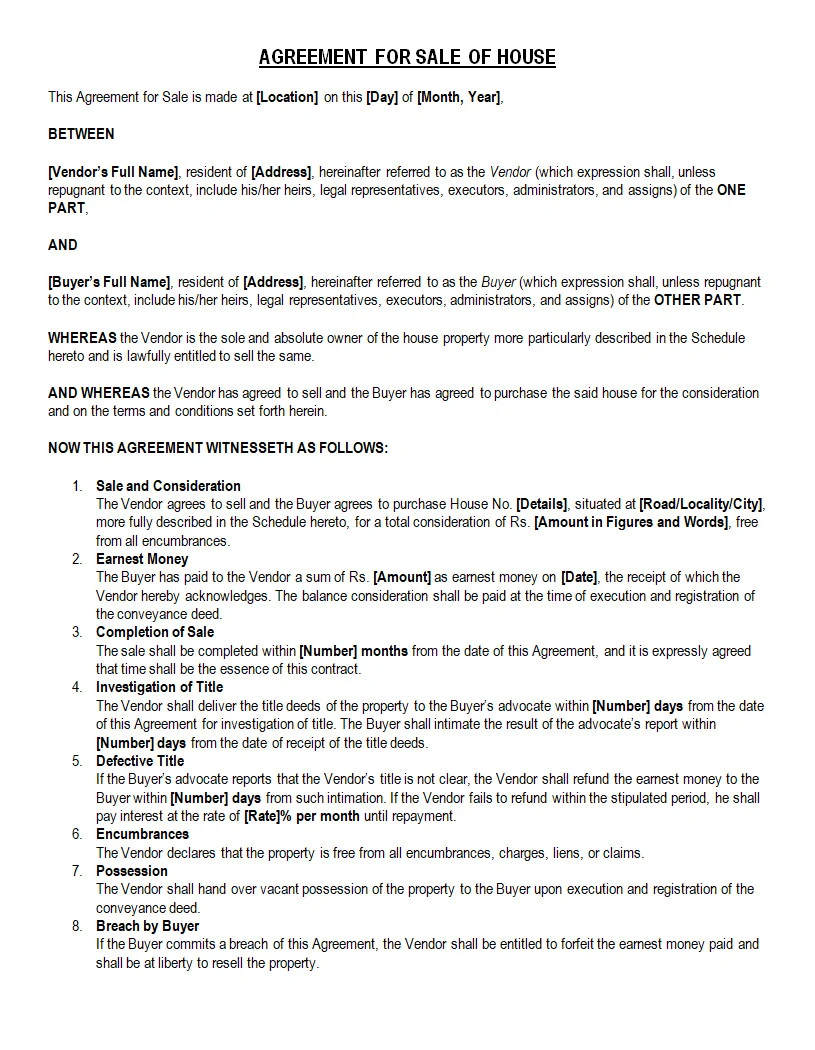
Buying a house is a significant life decision that involves a complex process. One crucial step in this process is the house purchase agreement.
A house purchase agreement is a legally binding contract that outlines the terms and conditions for a real estate transaction. It serves as a roadmap for the sale, ensuring a clear, fair, and transparent process for both the buyer and the seller. In this article, we will explore everything you need to know about house purchase agreements.
What is a House Purchase Agreement?
A house purchase agreement is a document that establishes a legally binding contract between the buyer and the seller of a property. This agreement outlines the terms and conditions of the real estate transaction, protecting the rights, responsibilities, and obligations of both parties. It covers important details such as the purchase price, financing terms, inspection contingencies, and the closing date.
Overall, a house purchase agreement ensures that both the buyer and the seller are on the same page throughout the home-buying process, preventing any potential legal or financial disputes.
Why is a House Purchase Agreement Important?
A house purchase agreement is crucial for several reasons. Firstly, it provides clarity and certainty to both the buyer and the seller regarding the terms of the sale. By clearly defining the rights, responsibilities, and obligations of each party, the agreement helps prevent misunderstandings and disputes down the line.
Additionally, a house purchase agreement protects both parties by legally binding them to the agreed-upon terms. This ensures that each party fulfills their obligations and responsibilities as outlined in the contract, ultimately leading to a smoother and more successful real estate transaction.
What to Include in a House Purchase Agreement
When drafting a house purchase agreement, several key components should be included to ensure a comprehensive and legally binding document. Here are some of the essential elements to consider:
- Purchase Price: Specify the agreed-upon purchase price for the property.
- Financing Terms: Outline the details of how the purchase will be financed, including any down payments or mortgage arrangements.
- Property Details: Provide a detailed description of the property being sold, including its address and any included fixtures or appliances.
- Inspection Contingencies: Include provisions for any property inspections that need to be conducted before the sale is finalized.
- Closing Date: Set a specific date for the sale’s closing, when ownership of the property will officially transfer to the buyer.
By including these elements in the house purchase agreement, both the buyer and the seller can ensure that all important aspects of the real estate transaction are covered and agreed upon.
How to Draft a House Purchase Agreement
Drafting a house purchase agreement can be a complex process, but with careful attention to detail and the help of a real estate professional or lawyer, it can be done effectively. Here are some steps to follow when drafting a house purchase agreement:
1. Identify the Parties Involved
Start by clearly identifying the buyer and seller in the agreement, including their full legal names and contact information.
2. Outline the Terms of the Sale
Detail the specific terms of the sale, including the purchase price, financing terms, and any other relevant conditions.
3. Include Contingencies
Add provisions for inspection contingencies, financing contingencies, or any other conditions that need to be met before the sale can be finalized.
4. Set a Closing Date
Determine a closing date for the sale, when all final documents will be signed, and ownership of the property will transfer to the buyer.
5. Review and Finalize
Once the agreement is drafted, carefully review it with all parties involved, including real estate agents and lawyers, to ensure that all details are accurate and agreed upon before signing.
Tips for Successful House Purchase Agreements
When entering into a house purchase agreement, consider the following tips to ensure a smooth and successful real estate transaction:
- Work with a Real Estate Professional: Seek the guidance of a real estate agent or lawyer who can help you navigate the complexities of the home-buying process.
- Be Clear and Specific: Clearly outline all terms and conditions in the agreement to avoid any misunderstandings or disputes.
- Negotiate Wisely: Negotiate any terms or conditions that are not satisfactory to you before signing the agreement.
- Seek Legal Advice: Consult with a lawyer to review the agreement and ensure that it complies with all legal requirements.
- Stay Informed: Stay informed throughout the process and ask questions if you are unsure about any aspects of the agreement.
By following these tips and guidelines, you can enter into a house purchase agreement with confidence, knowing that your rights and interests are protected throughout the real estate transaction.
House Purchase Agreement Template – DOWNLOAD

- Non-disclosure Agreement Template for Employees - March 30, 2026
- Free Editable Notarized Letter Template - March 30, 2026
- Free Printable Note Card Template - March 30, 2026
