Leaving a job can be a daunting task, and one of the most crucial steps in this process is writing a job resignation letter. A resignation letter is not just a formality; it is an official document that can leave a lasting impression on your current employer. Whether you are leaving on good terms or bad, it is essential to craft a resignation letter that is professional, concise, and respectful.
In this article, we will provide you with all the information you need to write a stellar job resignation letter that will leave a positive impact.
What is a Job Resignation Letter?
A job resignation letter is a formal document that an employee submits to their employer when they have decided to leave their current position. This letter serves as a written notice of the employee’s intention to resign from the company and typically includes the employee’s last day of work. A resignation letter is an essential part of the resignation process, as it provides a record of the employee’s decision to leave and helps to ensure a smooth transition for both the employee and the employer.
Why is a Job Resignation Letter Important?
A job resignation letter is important for several reasons. First and foremost, it is a professional courtesy to inform your employer of your decision to leave in writing. This allows your employer to begin the process of finding a replacement and making any necessary arrangements for your departure. Additionally, a resignation letter serves as a formal record of your resignation, which can be important for future reference or in case of any disputes that may arise after you leave. Finally, a well-written resignation letter can leave a positive impression on your employer, which may be beneficial for you in the future.
What to Include in a Job Resignation Letter
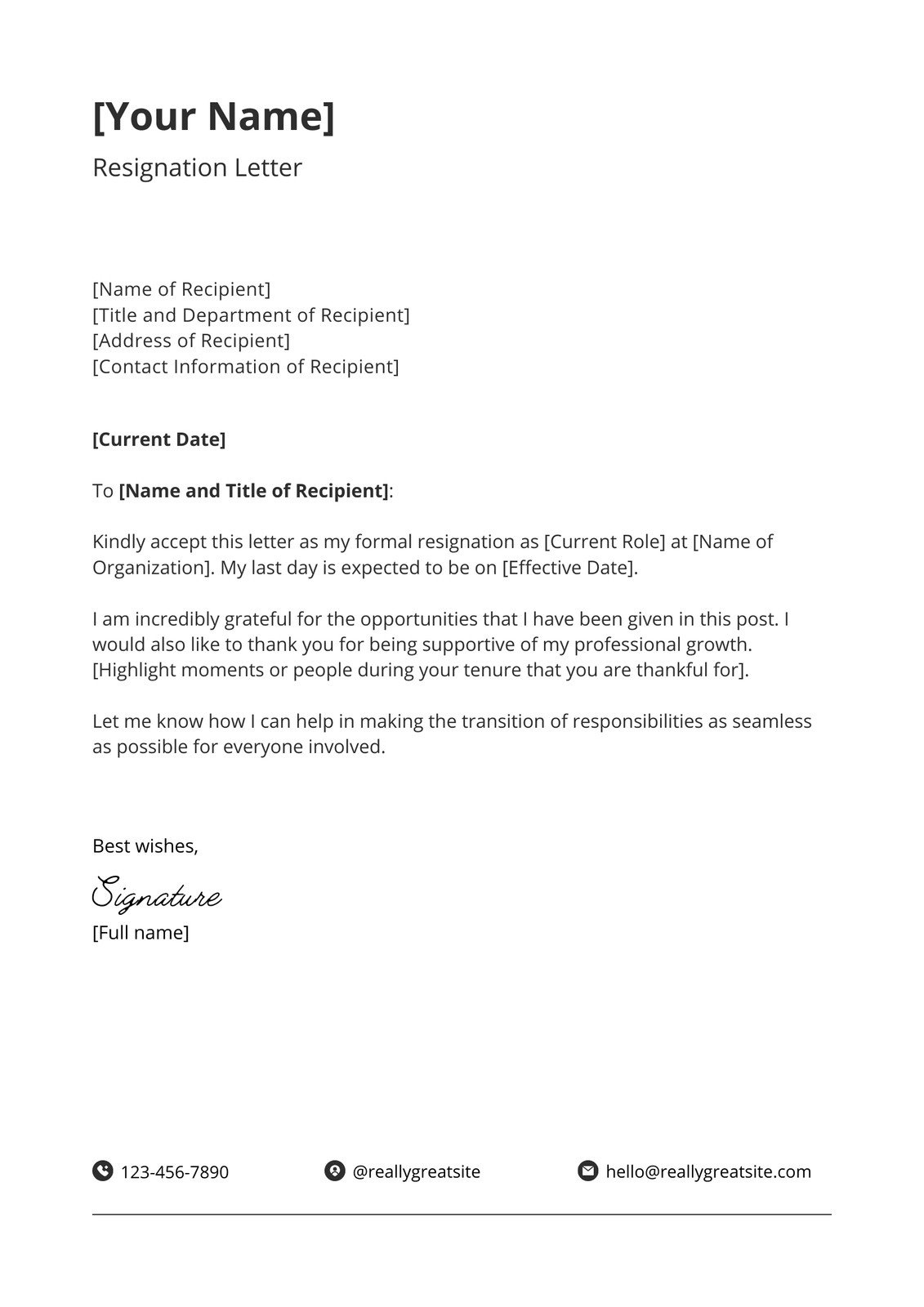
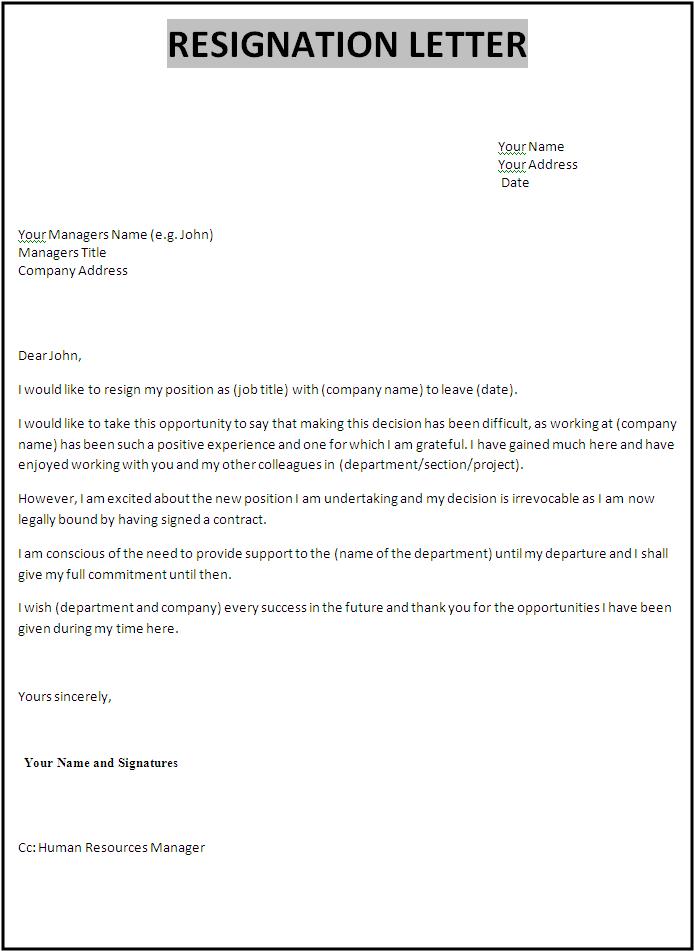
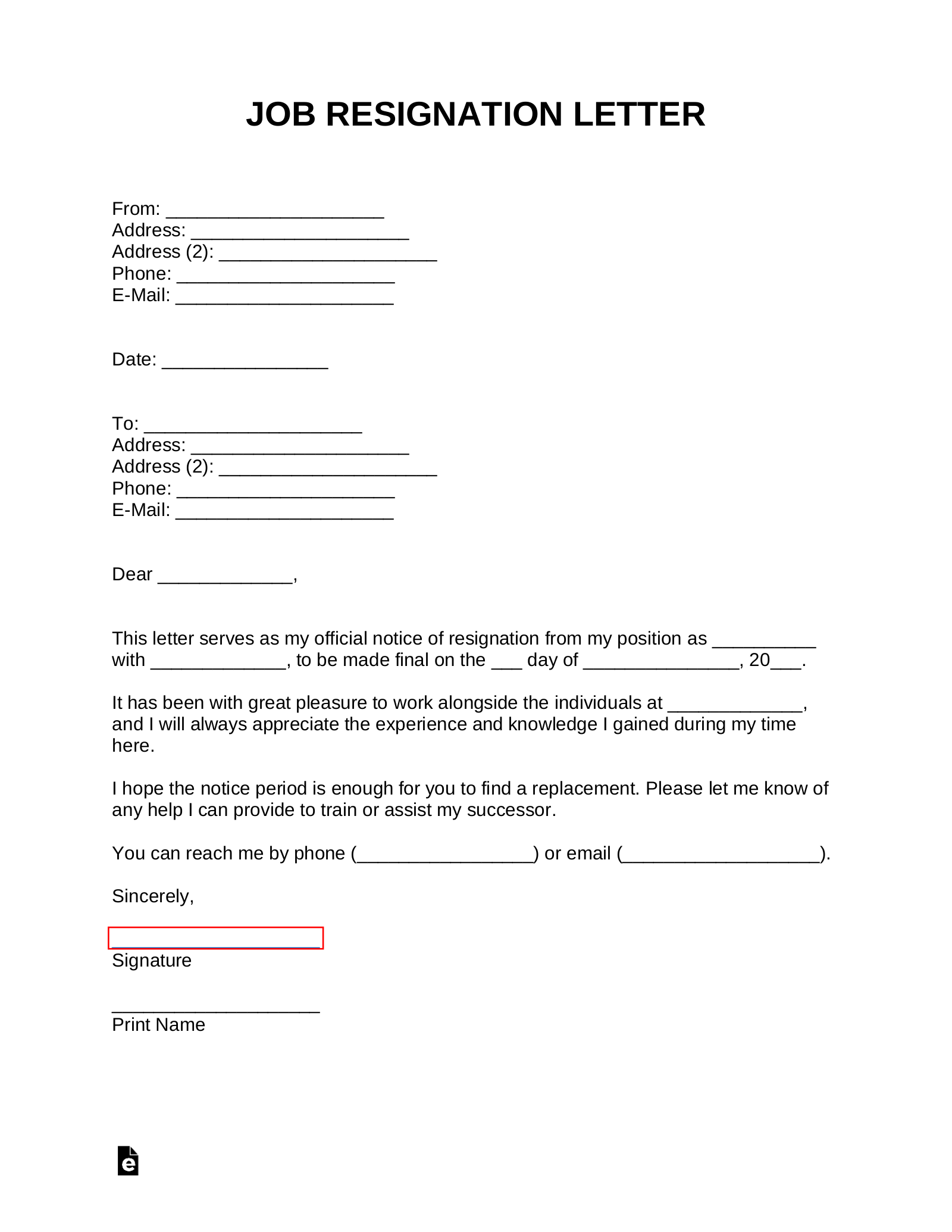
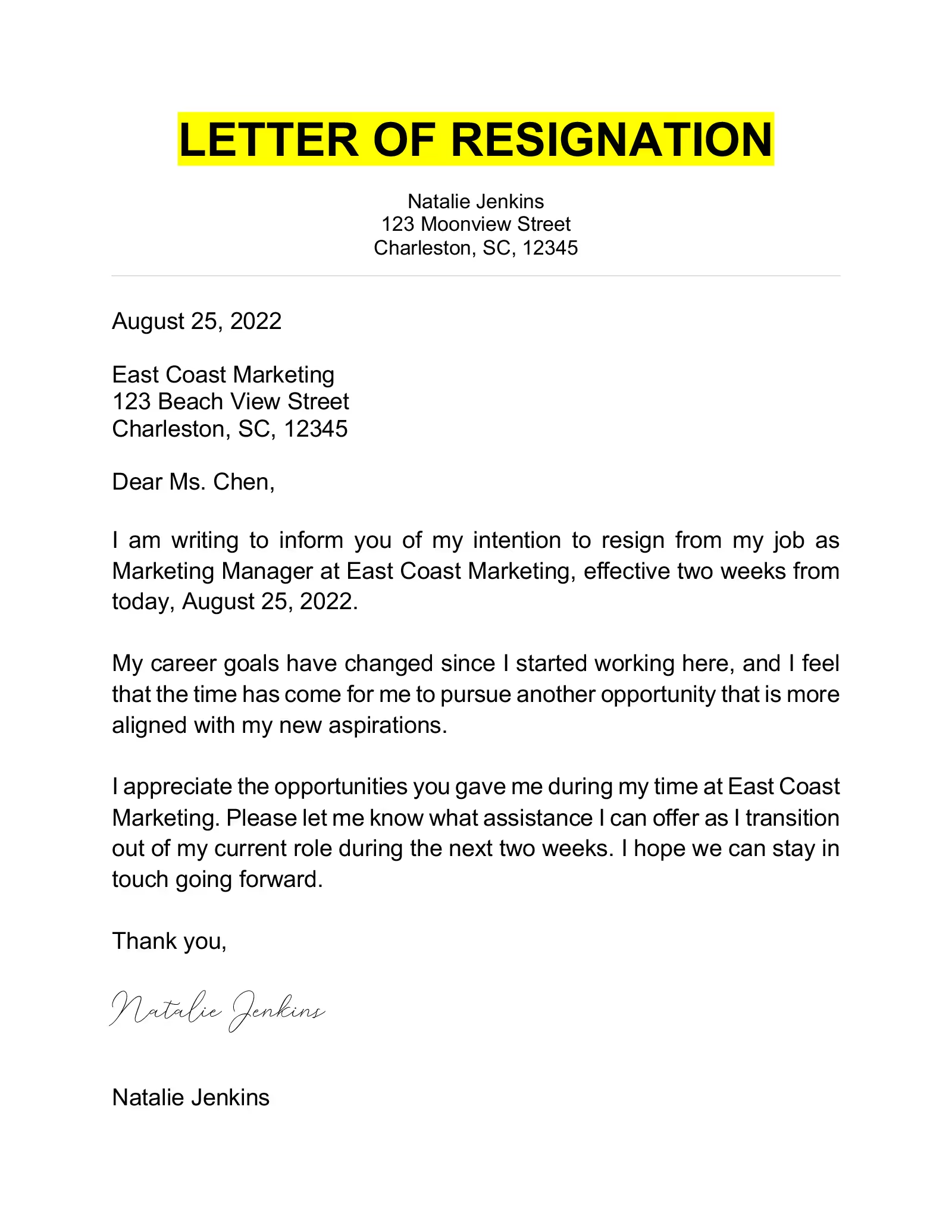
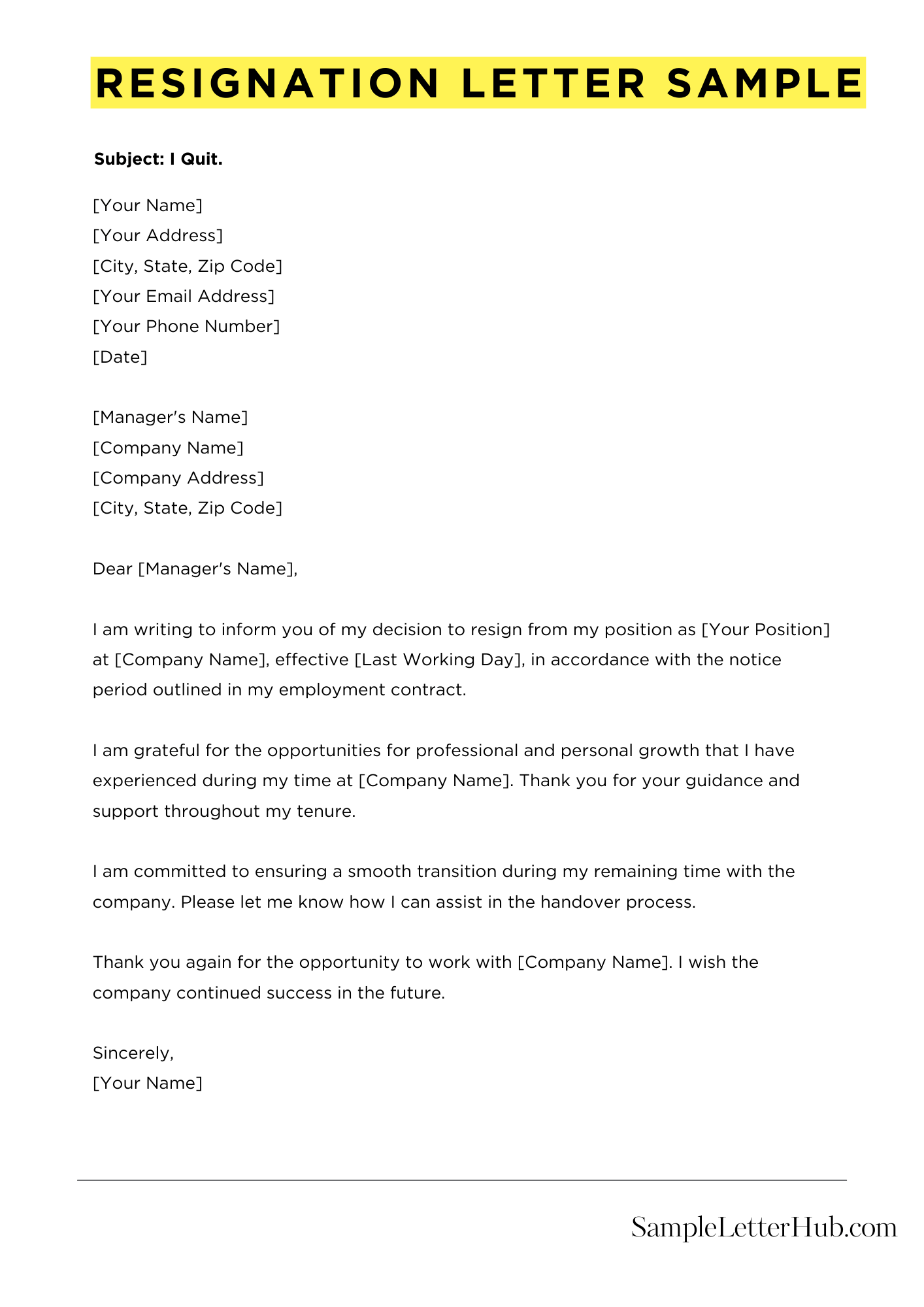
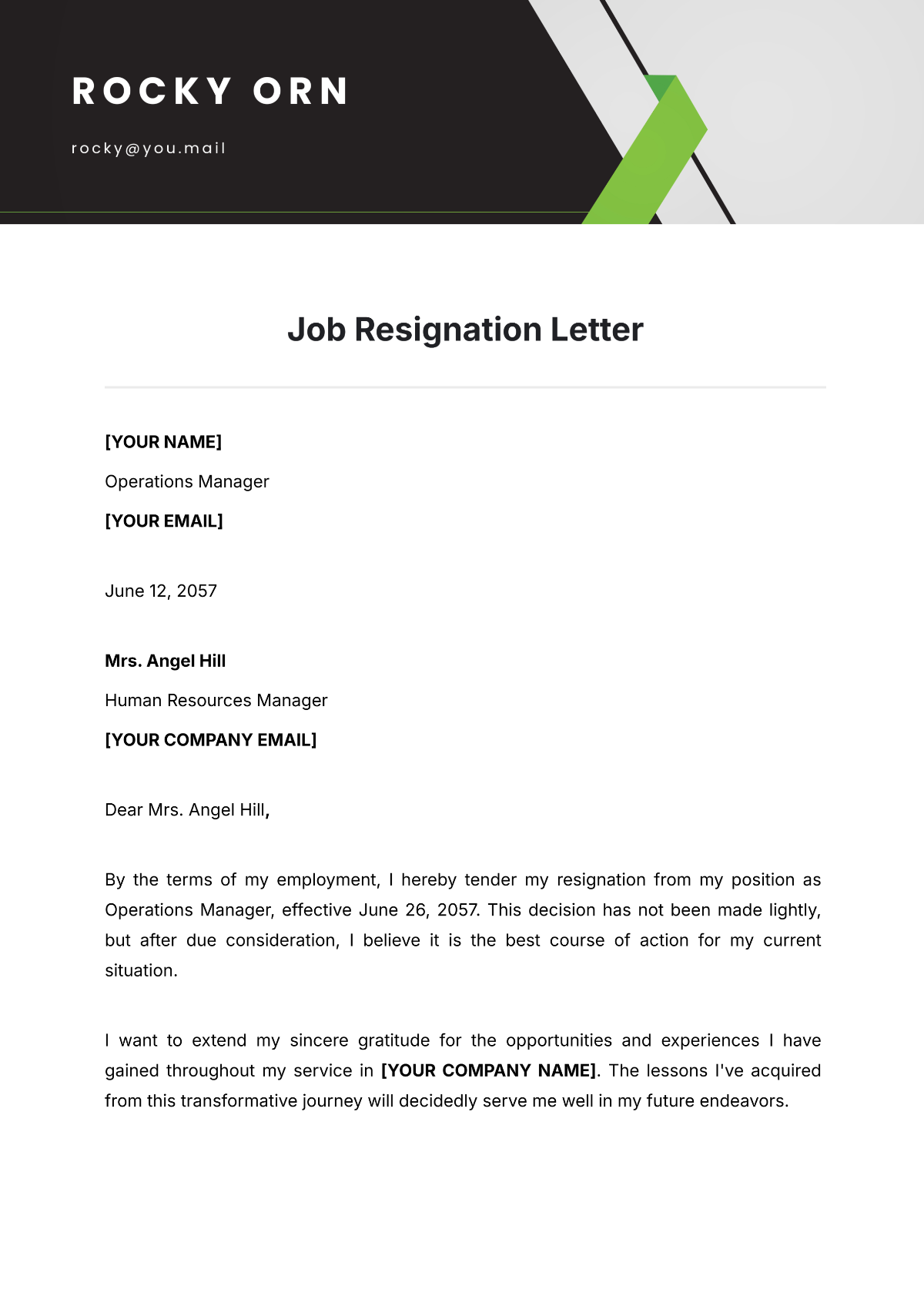
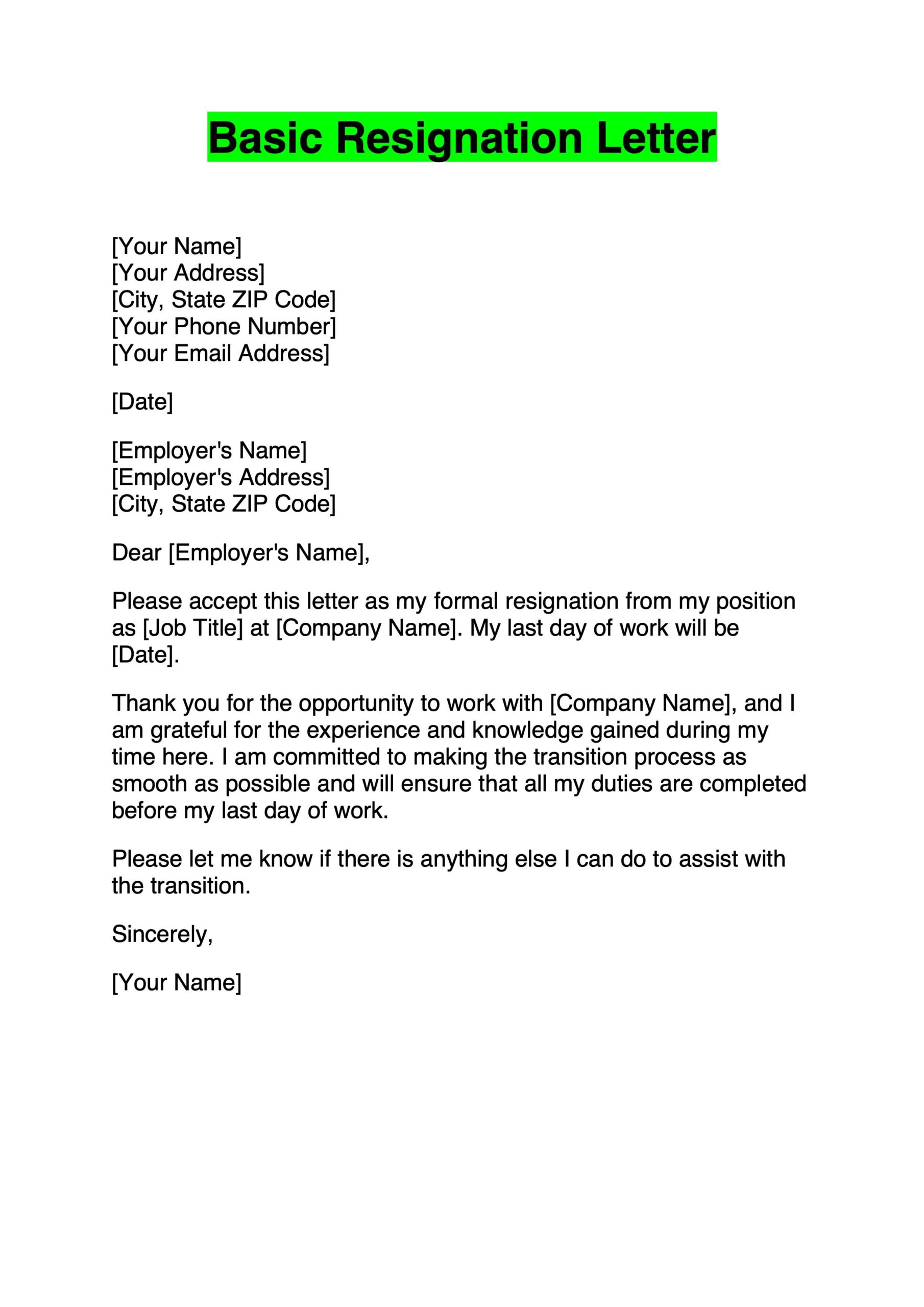
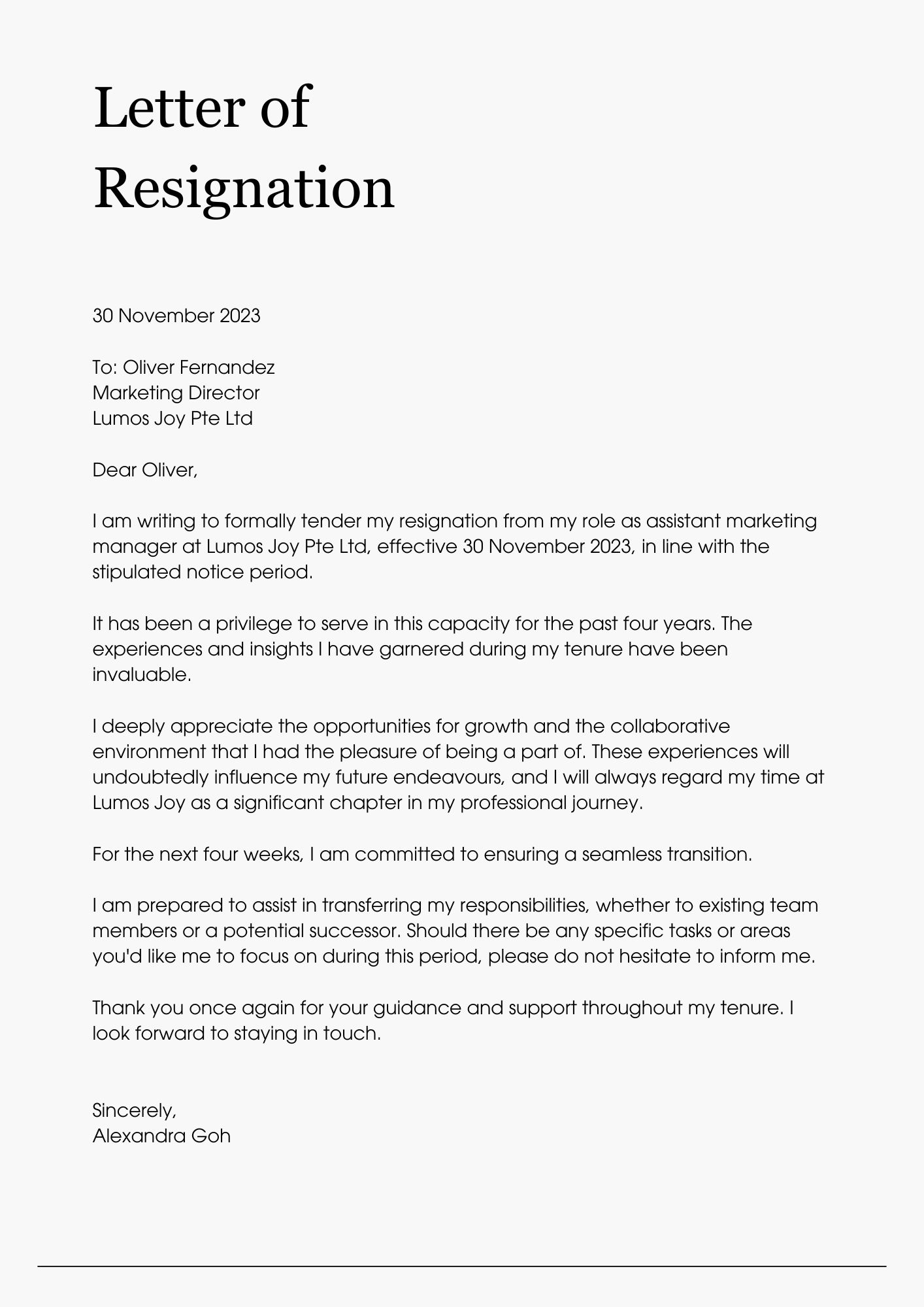
When writing a job resignation letter, there are several key elements that you should include to ensure that your letter is clear, professional, and respectful. Here are some important things to include in your resignation letter:
- Your Name and Contact Information. Be sure to include your full name, address, phone number, and email address at the top of the letter.
- Date of Resignation. Clearly state the date that your resignation will be effective.
- Statement of Resignation. Begin your letter by stating that you are resigning from your position.
- Reason for Resignation. You are not required to provide a reason for your resignation, but you may choose to do so in a professional manner.
- Gratitude. Express your gratitude for the opportunities and experiences you have had at the company.
- Transition Plan. Offer to assist with the transition process and provide any necessary information to help your replacement.
- Closing. End your letter on a positive note, thanking your employer for their understanding and support.
Examples
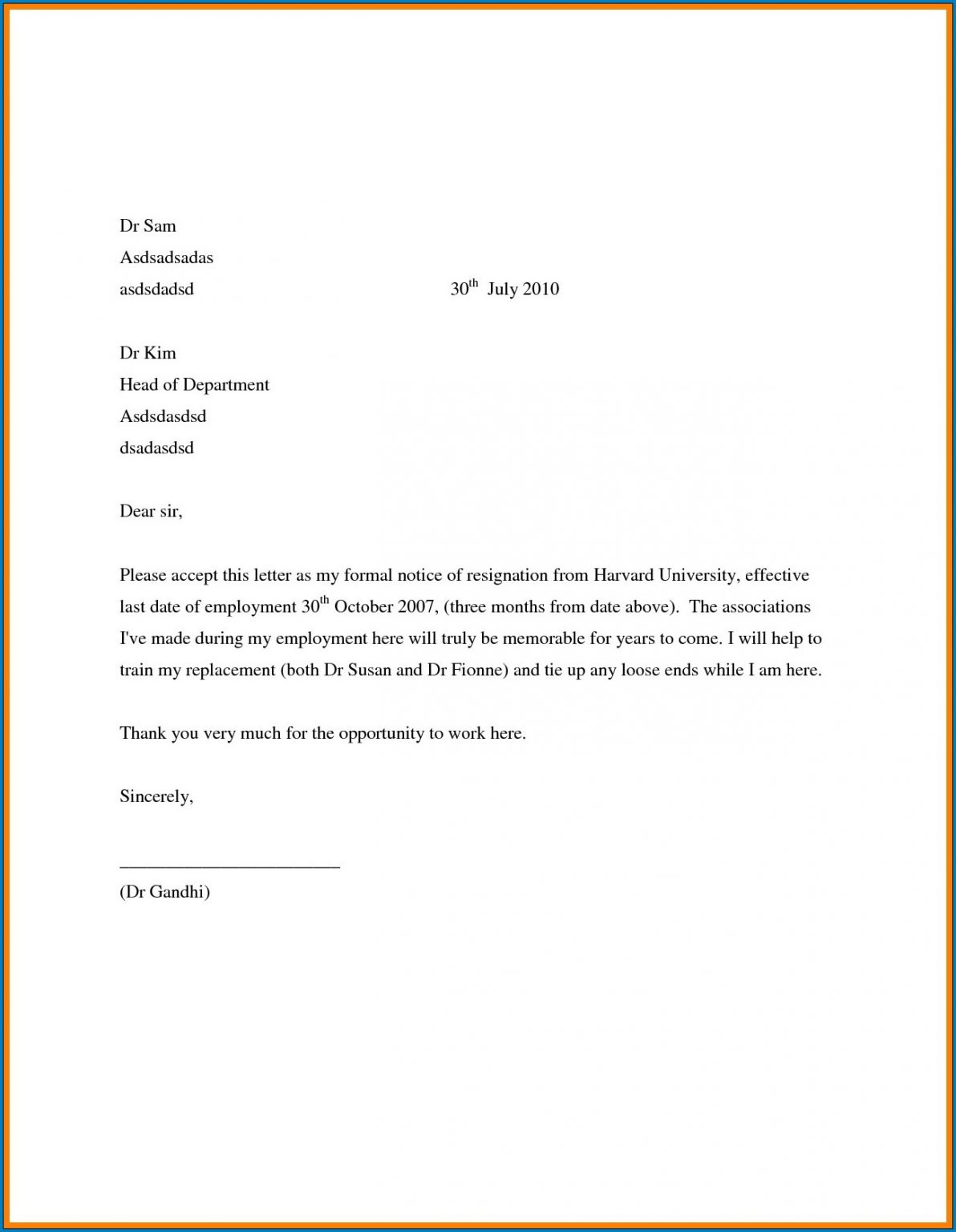
How to Write a Job Resignation Letter
Now that you know what to include in your resignation letter, let’s walk through the steps of actually writing the letter. Follow these tips to ensure that your resignation letter is professional, respectful, and effective:
- Keep it concise and to the point. Your resignation letter should be brief and focused, without unnecessary details or explanations.
- Use a professional tone. Keep your language formal and respectful, avoiding any negative or emotional language.
- Proofread carefully. Make sure to check your letter for any spelling or grammatical errors before sending it to your employer.
- Deliver the letter in person. Whenever possible, it is best to deliver your resignation letter in person to your supervisor or HR department.
- Follow up with a conversation. After submitting your resignation letter, schedule a meeting with your supervisor to discuss your departure and any next steps.
Tips for Writing a Job Resignation Letter
Writing a job resignation letter can be a challenging task, but with the right approach, you can ensure that your letter is professional and effective. Here are some additional tips to help you craft a stellar resignation letter:
- Be honest but diplomatic. If you choose to provide a reason for your resignation, be honest but diplomatic in your explanation.
- Avoid negativity. Regardless of your reasons for leaving, it is important to maintain a positive and professional tone in your resignation letter.
- Express gratitude. Take the time to express your gratitude for the opportunities and experiences you have had at the company.
- Offer to help with the transition. Showing willingness to assist with the transition process can leave a positive impression on your employer.
- Keep a copy for your records. Be sure to keep a copy of your resignation letter for your own records in case you need to refer back to it in the future.
In Conclusion
Writing a job resignation letter is an important step in the process of leaving your current position. By following the tips and guidelines outlined in this article, you can ensure that your resignation letter is professional, respectful, and effective.
Remember to keep your letter concise, to the point, and positive, and to express your gratitude for the opportunities you have had at the company. With the right approach, you can leave a lasting impression on your employer and make your transition to a new job as smooth as possible.
Job Resignation Letter Template – Download

- Printable Wedding Guest List Template - October 1, 2026
- Free Printable Trip Schedule Template - October 1, 2026
- Free Printable Table Card Template - October 1, 2026
