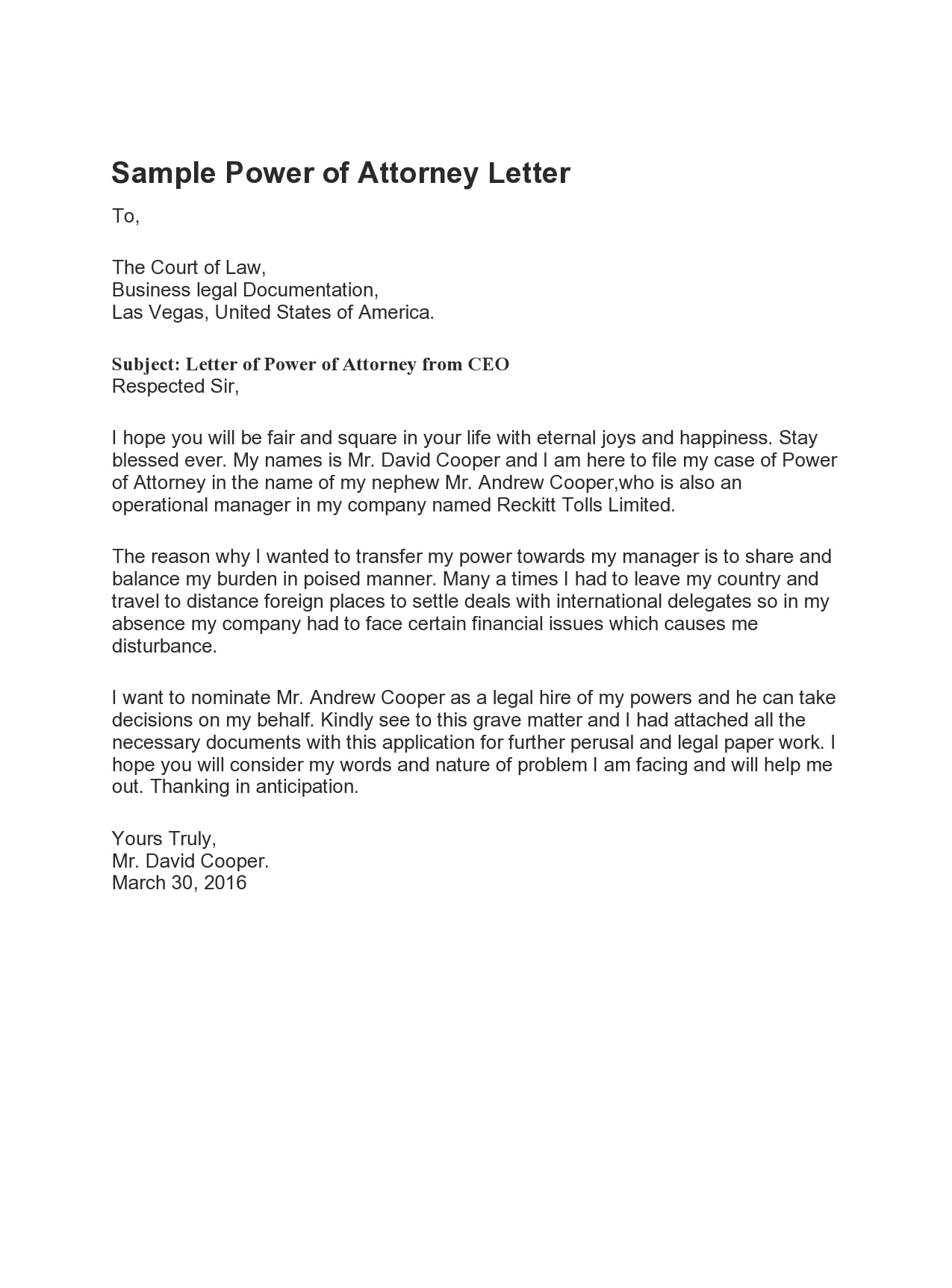
When it comes to legal matters, having a power of attorney letter in place can provide peace of mind and ensure that your wishes are carried out in the event that you are unable to make decisions for yourself. This important document grants someone the authority to act on your behalf in various capacities, ranging from financial decisions to medical choices. In this guide, we will delve into the intricacies of the power of attorney letter, exploring what it is, why it is essential, what to include, how to create one, and tips for successful implementation.
What is a Power of Attorney Letter?
A power of attorney letter is a legal document that designates an individual or entity to act on behalf of another person, known as the principal. This appointed person, referred to as the attorney-in-fact or agent, is entrusted with making decisions and carrying out tasks as outlined in the document. The powers granted can be broad or limited, depending on the specific provisions included in the letter.
There are various types of power of attorney arrangements, each serving a unique purpose. A general power of attorney grants broad authority to the agent to manage the principal’s affairs, while a limited power of attorney specifies particular actions or time frames for which the agent is authorized. Additionally, a durable power of attorney remains effective even if the principal becomes incapacitated, offering continuity of decision-making in challenging circumstances.
Why is a Power of Attorney Letter Essential?
Creating a power of attorney letter is a vital component of estate planning and ensuring that your interests are protected in case of unexpected events. By designating a trusted individual to act on your behalf, you can avoid potential disputes or court intervention during critical moments when you are unable to make decisions yourself. This legal document provides clarity and guidance for both the agent and other involved parties, streamlining the decision-making process and safeguarding your assets and well-being.
Whether due to aging, illness, or unforeseen circumstances, having a power of attorney in place can offer peace of mind and alleviate stress for you and your loved ones. By proactively addressing these matters, you can ensure that your wishes are respected and that your affairs are handled according to your preferences.
What to Include in a Power of Attorney Letter
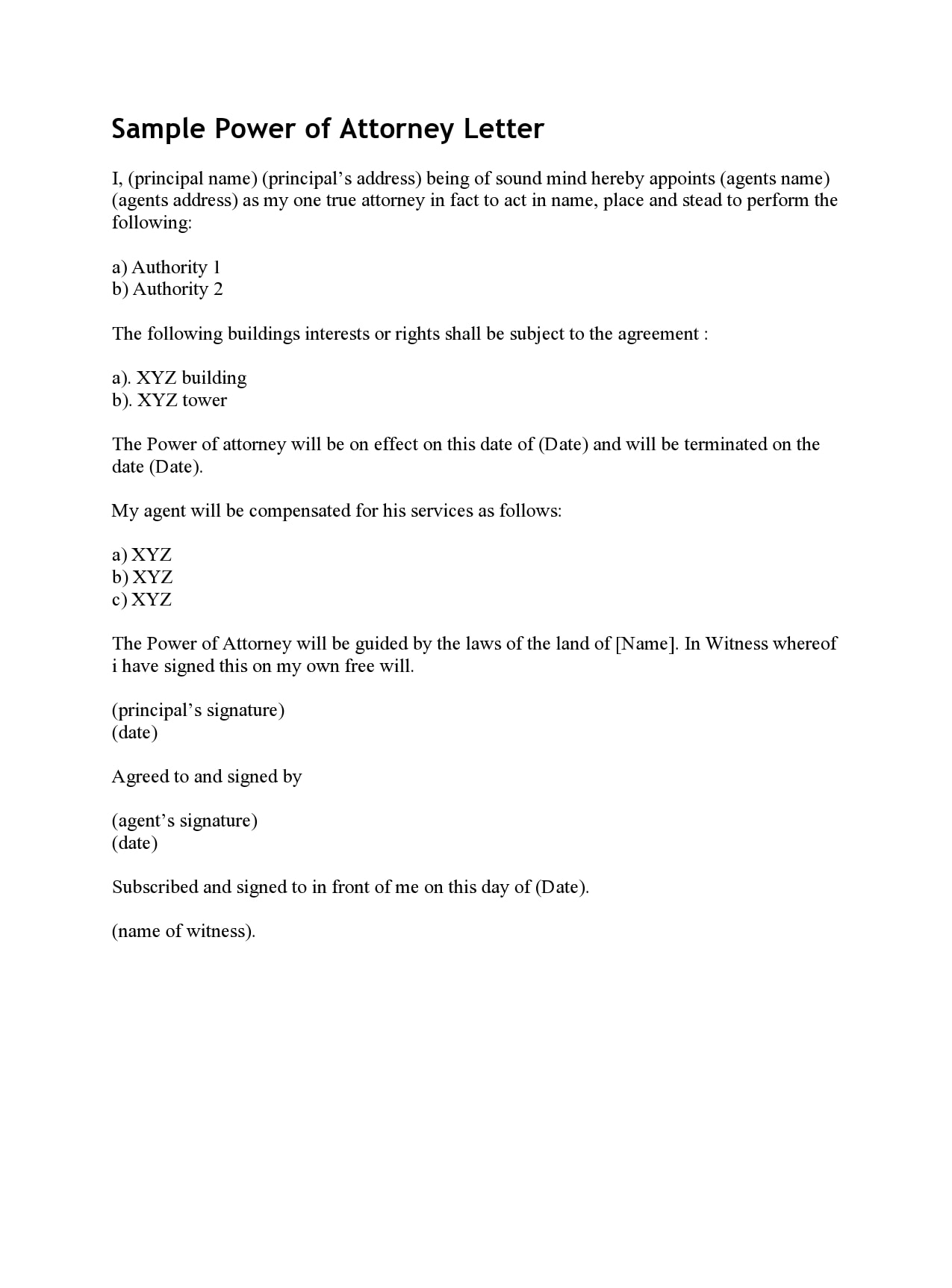
When drafting a power of attorney letter, it is essential to include specific details and provisions to clarify the scope of authority granted to the agent. Here are some key elements to consider including in the document:
- Identification of Parties. Clearly state the full names and addresses of the principal and the appointed agent.
- Type of Power of Attorney. Specify whether it is a general, limited, or durable power of attorney.
- Powers Granted. Outline the specific powers and responsibilities delegated to the agent, including financial, healthcare, or legal decisions.
- Start and End Dates. Indicate when the power of attorney becomes effective and any expiration dates or conditions for termination.
- Signatures and Witnesses. Ensure that the document is signed by the principal, agent, and witnesses to validate its authenticity.
By including these essential components in your power of attorney letter, you can create a comprehensive and legally binding document that meets your specific needs and preferences.
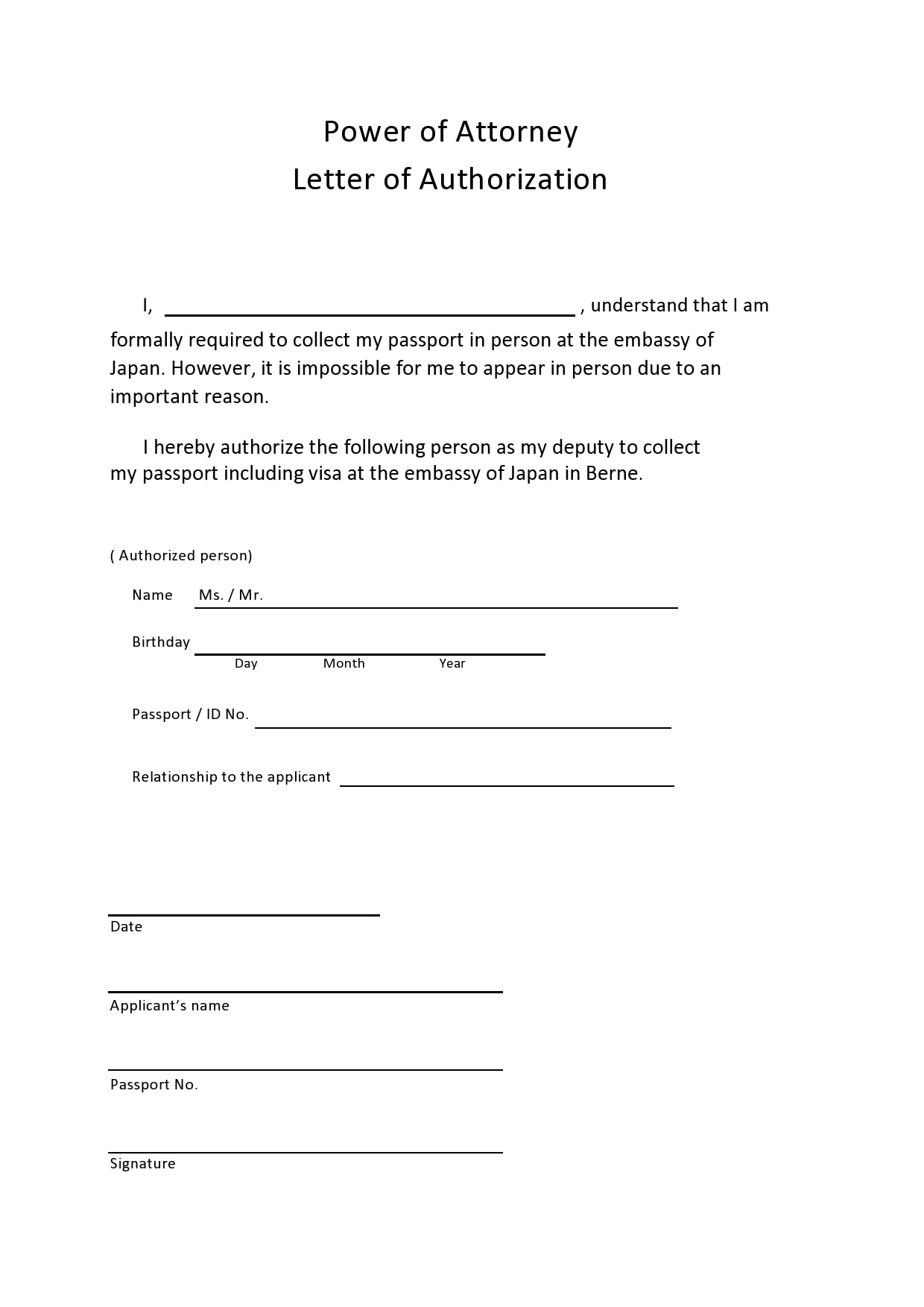
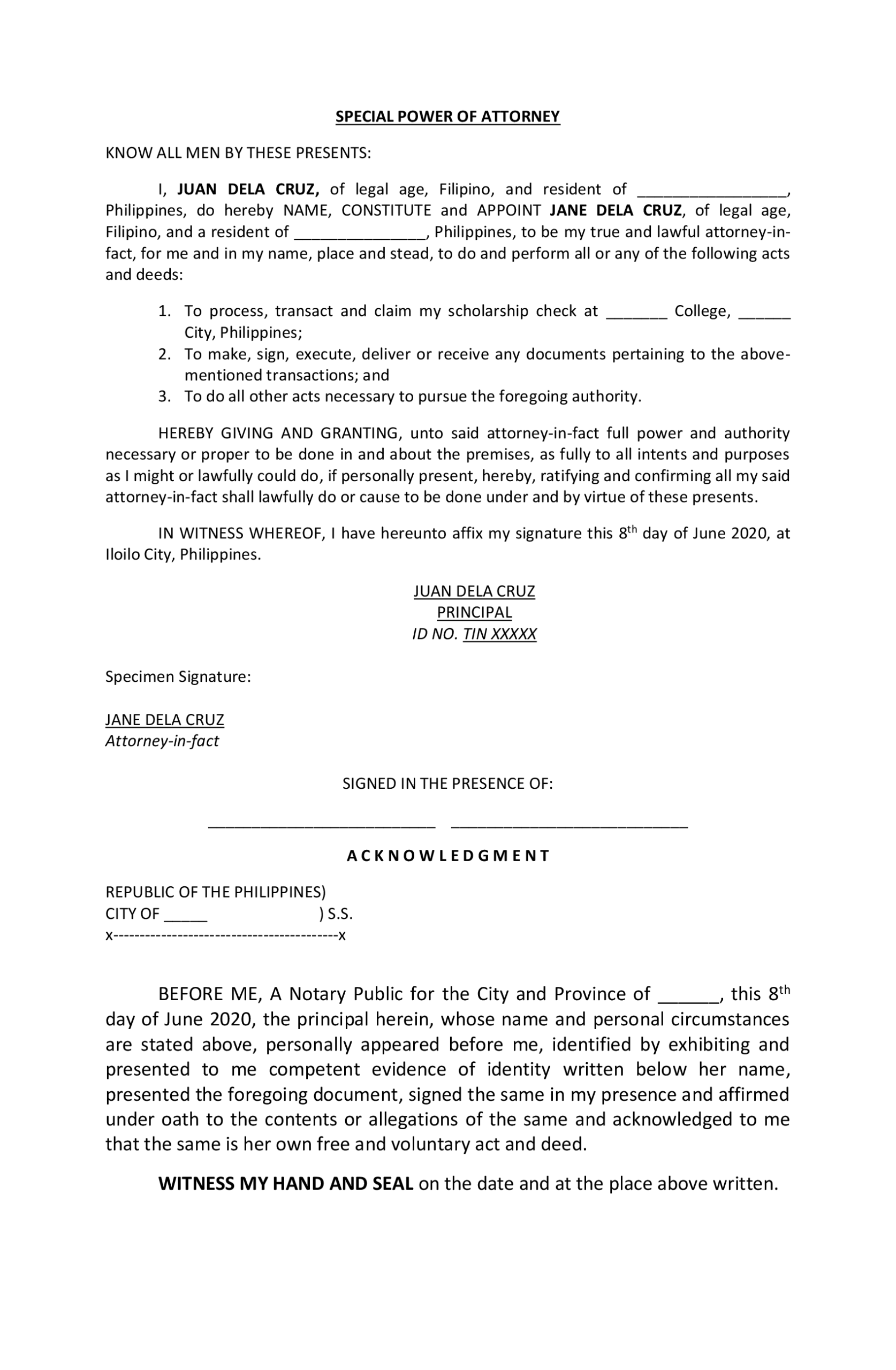
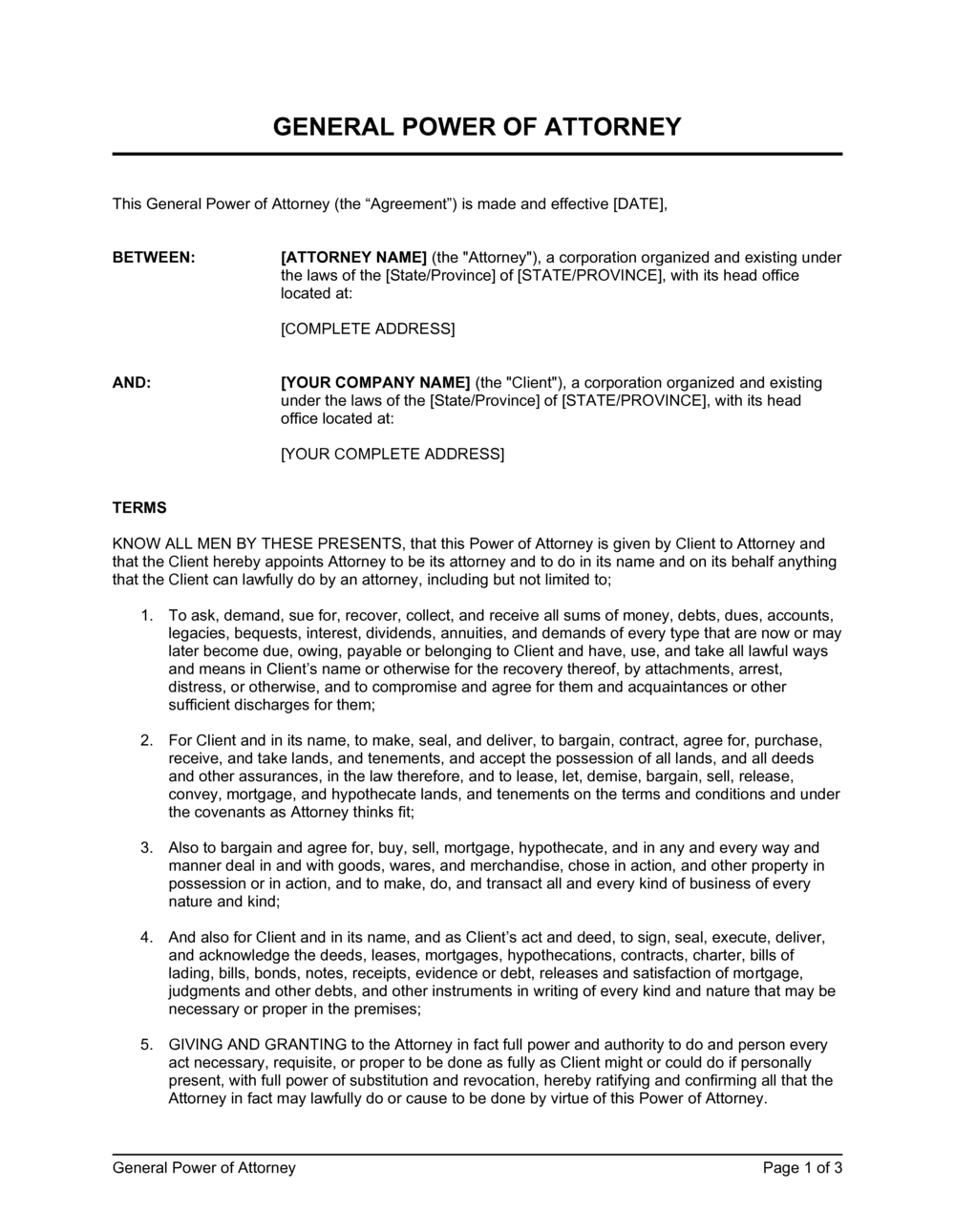
How to Create a Power of Attorney Letter
While it is possible to find templates or online resources for drafting a power of attorney letter, it is advisable to consult with a legal professional to ensure that the document meets all necessary requirements and adheres to state laws. Here are some general steps to follow when creating a power of attorney letter:
- Evaluate Your Needs. Determine the scope of authority you wish to grant and identify a suitable agent to act on your behalf.
- Consult with an Attorney. Seek advice from a qualified attorney to assist in drafting the document and addressing any legal concerns.
- Review and Finalize. Carefully review the power of attorney letter with all parties involved and make any necessary revisions before signing and notarizing the document.
By following these steps and seeking professional guidance, you can create a power of attorney letter that accurately reflects your intentions and provides clear guidance for your appointed agent.
Tips for Successful Implementation of a Power of Attorney Letter
Once you have established a power of attorney arrangement, it is essential to ensure that the document is kept updated and that all parties involved are aware of their roles and responsibilities. Here are some tips for successful implementation of a power of attorney letter:
- Regular Review. Periodically review and update the power of attorney letter to reflect any changes in your circumstances or preferences.
- Communication. Maintain open communication with your appointed agent and other family members to ensure everyone is informed and aligned with your wishes.
- Accessibility. Store the original power of attorney document in a secure location and provide copies to relevant parties, such as healthcare providers or financial institutions.
- Professional Guidance. Seek assistance from legal professionals or advisors when making significant decisions or modifications to the power of attorney arrangement.
- Trust and Transparency. Build trust with your appointed agent by keeping them informed and involved in important decisions that may affect your well-being or assets.
By following these tips and maintaining diligence in managing your power of attorney letter, you can ensure that your interests are protected and that your wishes are honored in any situation that requires decision-making on your behalf.
Power of Attorney Letter Template

- Wedding Invitation Wording Template - September 27, 2026
- Free Printable Vacation Planner Template - September 27, 2026
- Free Printable Slumber Party Invitation Template - September 27, 2026
