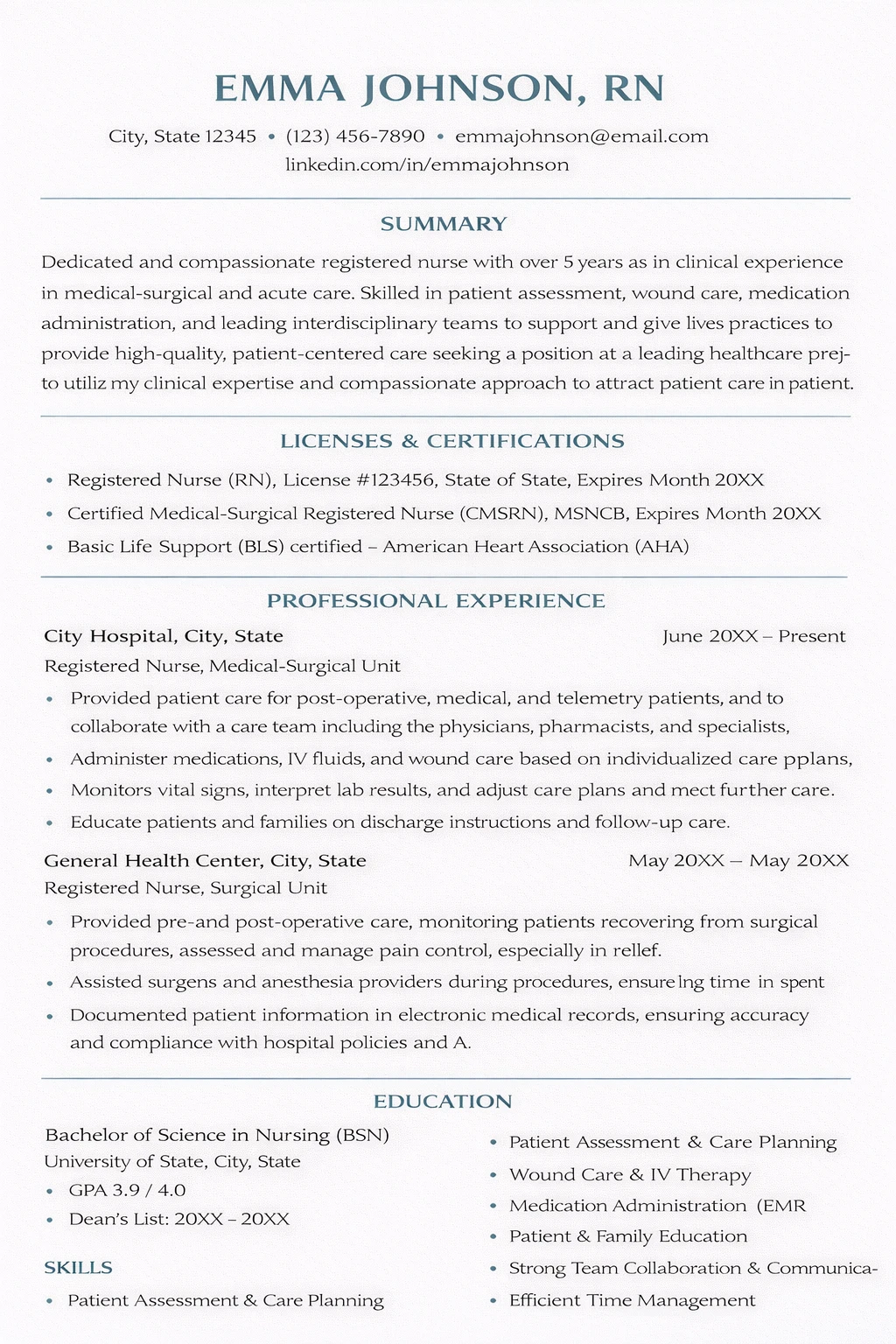
When landing a job in the competitive field of nursing, having a well-crafted resume is essential. Your resume is often the first impression you make on potential employers, so it’s crucial to make sure it showcases your skills and experience effectively.
In this guide, we will walk you through everything you need to know about creating a standout nursing resume that will help you land your dream job.
What is a Nursing Resume?
A nursing resume is a document that provides a summary of your professional background, skills, and experience in the field of nursing. It serves as a snapshot of your qualifications and achievements, allowing potential employers to quickly assess whether you are a good fit for a particular role.
When crafting your nursing resume, it’s important to tailor it to the specific job you are applying for and highlight your most relevant qualifications. This will help you stand out from other candidates and increase your chances of getting an interview.
Why is a Nursing Resume Important?
Your nursing resume is often the first point of contact between you and a potential employer. A well-written resume can help you make a positive impression and increase your chances of getting called for an interview. It allows you to showcase your skills, experience, and accomplishments in a concise and organized manner, giving employers a clear picture of what you have to offer.
Having a strong nursing resume is especially important in a competitive job market, where employers may receive hundreds of applications for a single position. A well-crafted resume can help you stand out from the crowd and demonstrate why you are the best candidate for the job.
What to Include in Your Nursing Resume
When creating your nursing resume, there are several key sections that you should include to ensure it effectively showcases your qualifications and experience. These sections include:
- Contact Information. Include your full name, phone number, email address, and professional social media profiles.
- Professional Summary. A brief overview of your background, skills, and career goals.
- Education. List your nursing degree(s), certifications, and any relevant coursework.
- Clinical Experience. Detail your work experience in clinical settings, including the name of the facility, dates of employment, and your job responsibilities.
- Skills. Highlight your relevant nursing skills, such as patient care, medication administration, and wound care.
- Certifications. Include any specialized certifications you hold, such as CPR or ACLS.
- Awards and Honors. Mention any awards or recognition you have received in your nursing career.
- Professional Affiliations. List any nursing organizations you belong to, such as the American Nurses Association.
How to Format Your Nursing Resume
When it comes to formatting your nursing resume, it’s important to keep it clean, professional, and easy to read. Use a clean and simple layout with plenty of white space to make your resume visually appealing. Choose a legible font and font size, such as Arial or Times New Roman in 10-12 point size.
Organize your resume into clearly defined sections with headings to make it easy for employers to quickly find the information they are looking for. Use bullet points to list your accomplishments and responsibilities in each job, and be sure to use action verbs to describe your achievements.
Tips for Writing a Strong Nursing Resume
Here are some tips to help you create a strong nursing resume that will impress potential employers:
- Customize Your Resume. Tailor your resume to the specific job you are applying for by highlighting your most relevant qualifications and experience.
- Quantify Your Achievements. Whenever possible, use numbers and statistics to quantify your accomplishments and demonstrate the impact you had in previous roles.
- Use Keywords. Include relevant keywords from the job description in your resume to help you get noticed by applicant tracking systems.
- Proofread Carefully. Make sure to proofread your resume carefully for spelling and grammatical errors, as well as typos. Consider asking a friend or mentor to review it as well.
- Keep it Concise. Aim to keep your resume to one page if possible, focusing on your most relevant experience and qualifications.
- Update Regularly. Be sure to update your resume regularly to reflect your most recent accomplishments and certifications.
Conclusion
Creating a standout nursing resume is crucial for landing your dream job in the field of nursing. By following the tips and guidelines outlined in this guide, you can craft a compelling resume that highlights your skills, experience, and qualifications effectively. Remember to customize your resume for each job application, use action verbs to describe your achievements, and proofread carefully to ensure it is error-free. With a well-written resume, you can increase your chances of getting noticed by employers and landing the nursing job you desire.
Nursing Resume Template – Download

- Free Editable Nursing Resume Template (Word) - March 12, 2026
- Monthly Work Schedule Template (Excel) - March 10, 2026
- Mortgage Letter of Explanation Template (Word) - March 8, 2026
