When it comes to legal agreements, promissory agreements are a crucial aspect that many individuals may encounter at some point in their lives. Understanding the ins and outs of promissory agreements can help prevent misunderstandings and ensure that all parties involved are on the same page.
In this article, we will delve into what promissory agreements are, why they are important, what to include in them, how to create one, and provide tips for successful implementation.
What is a Promissory Agreement?
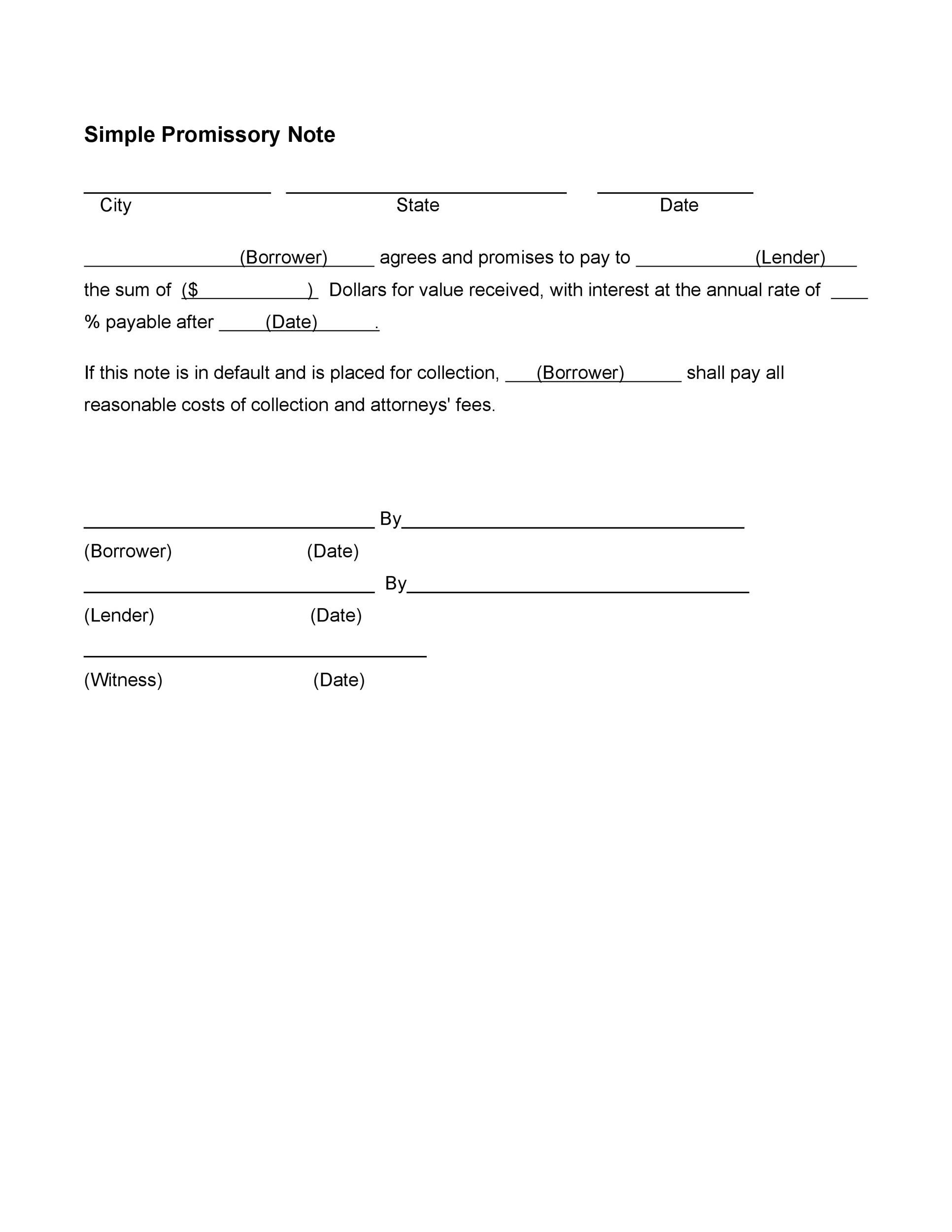
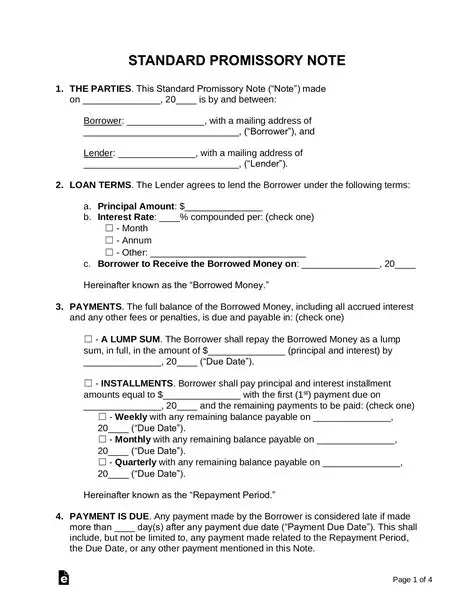
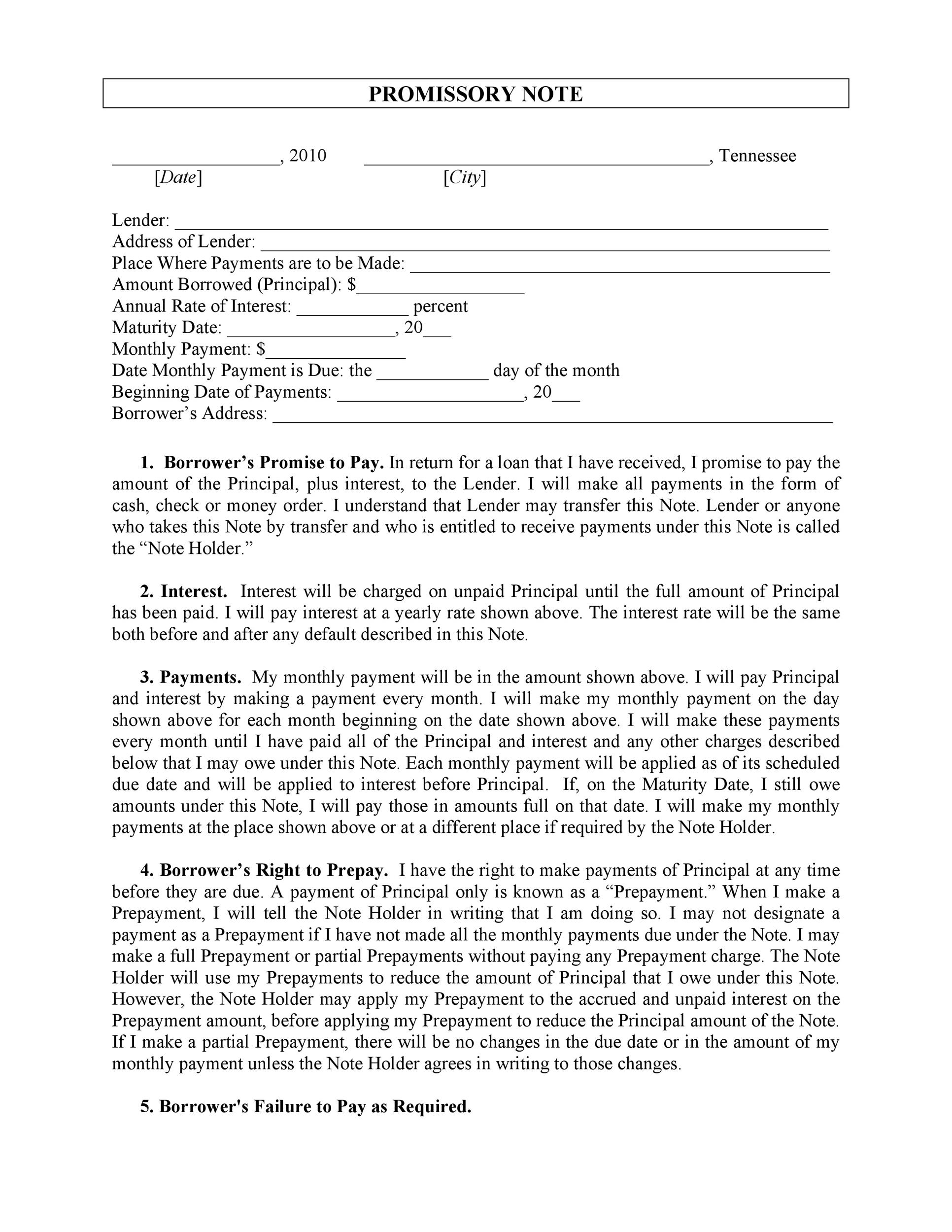
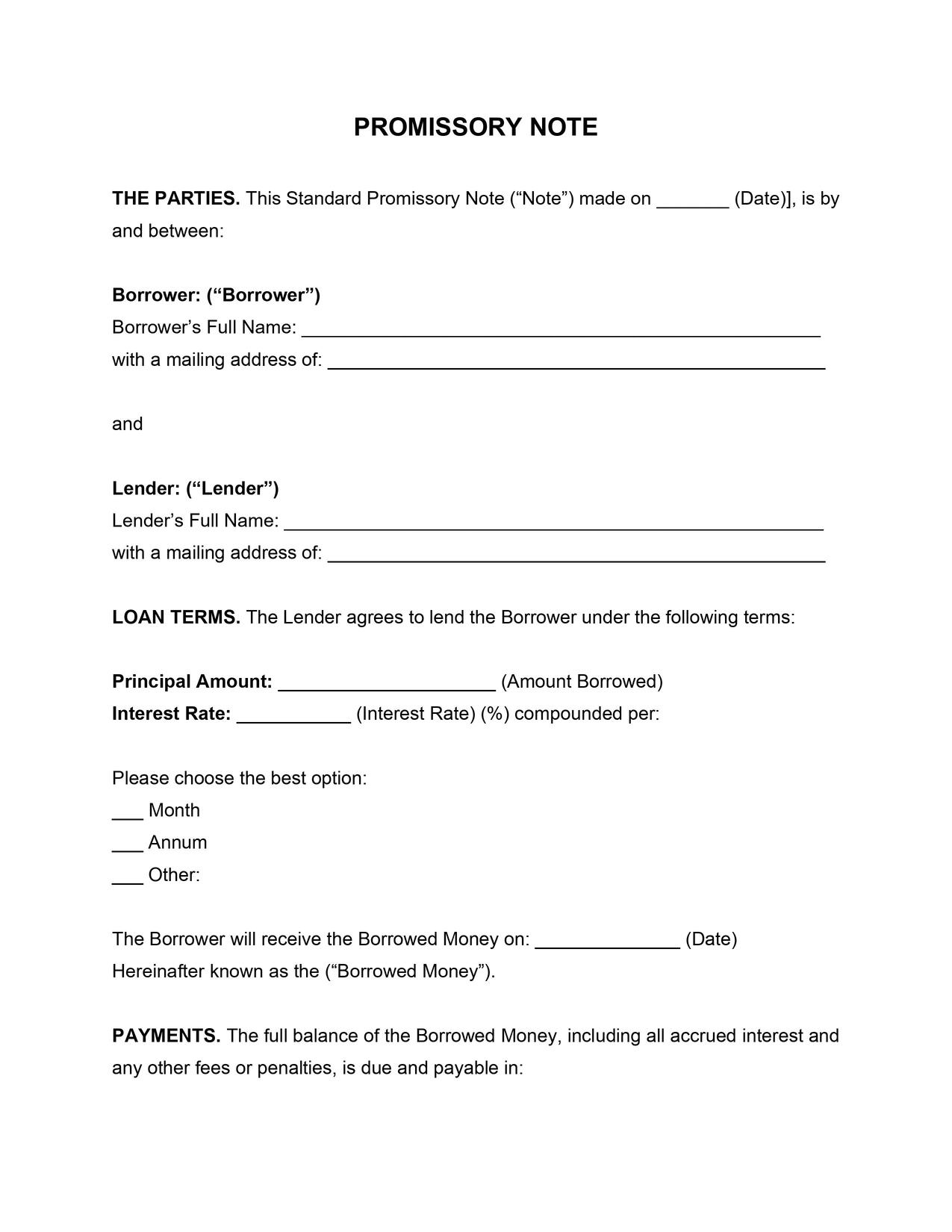
A promissory agreement, also known as a promissory note, is a legally binding document that outlines the terms and conditions of a promise to repay a debt. It is a written promise to pay a specified amount of money to another party at a designated time or on demand. Promissory agreements are commonly used in various financial transactions, such as loans, mortgages, and business deals.
These agreements typically include details such as the amount borrowed, the interest rate (if applicable), the repayment schedule, and any collateral that may be used to secure the loan. By clearly outlining these terms, promissory agreements help protect the rights of both the borrower and the lender and provide a legal recourse in case of default.
Why are Promissory Agreements Important?
Promissory agreements play a crucial role in formalizing financial transactions and setting clear expectations for all parties involved. By documenting the terms of the agreement in writing, promissory agreements help prevent misunderstandings and disputes that may arise in the future. They provide a legal framework for enforcing the terms of the agreement and protecting the rights of both parties.
For lenders, promissory agreements serve as a guarantee that the borrower will repay the debt according to the agreed-upon terms. For borrowers, these agreements provide transparency and clarity regarding their financial obligations, helping them manage their finances effectively and avoid potential legal issues.
What to Include in a Promissory Agreement
When drafting a promissory agreement, it is essential to include the following key elements to ensure that the agreement is legally binding and enforceable:
- Names and addresses of the parties: Clearly identify the borrower and lender.
- Loan amount: Specify the principal amount borrowed.
- Interest rate: If applicable, include the interest rate charged on the loan.
- Repayment schedule: Outline the dates and amounts of each repayment installment.
- Collateral: If the loan is secured, detail the collateral used to secure the debt.
By including these essential components in the promissory agreement, both parties can ensure that their rights and obligations are clearly defined and protected.
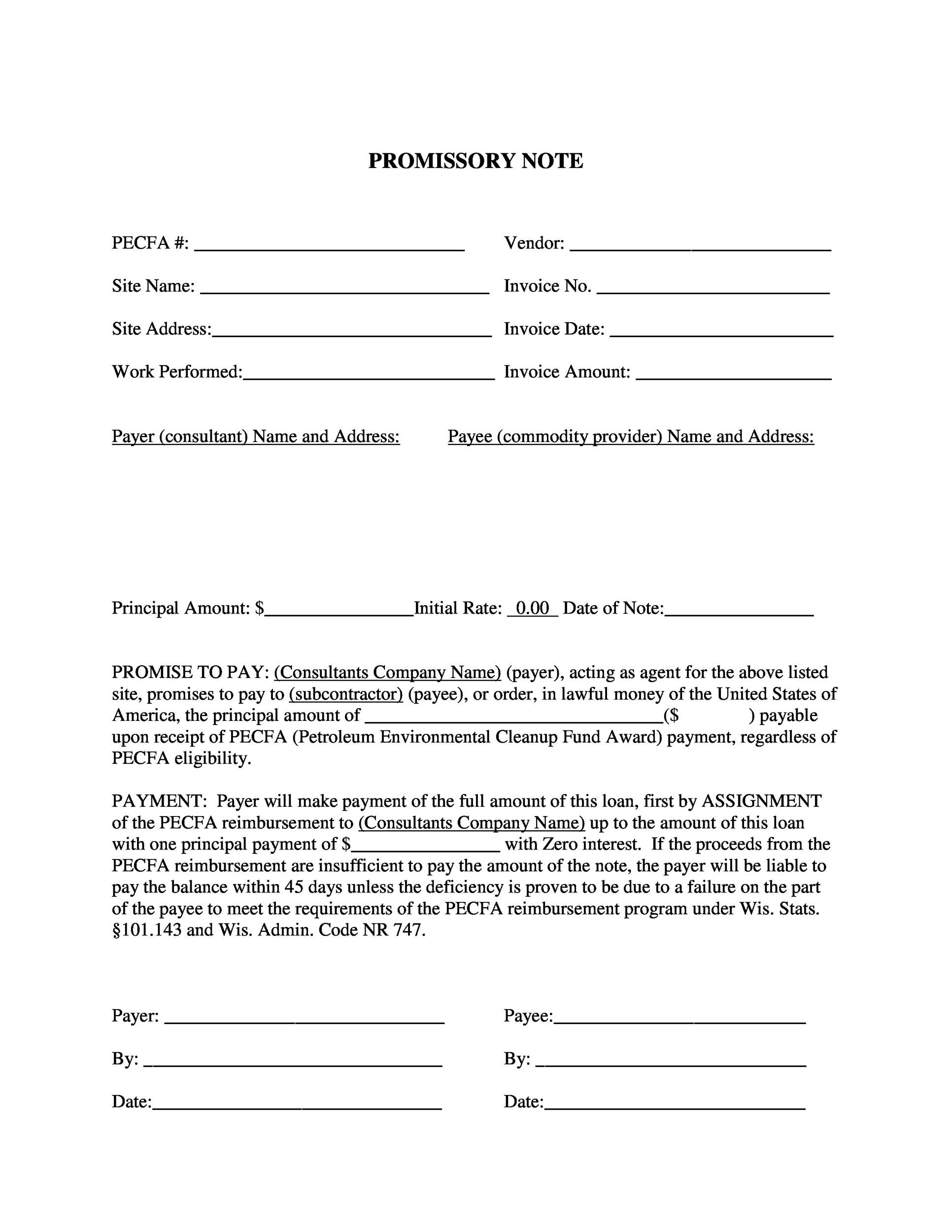
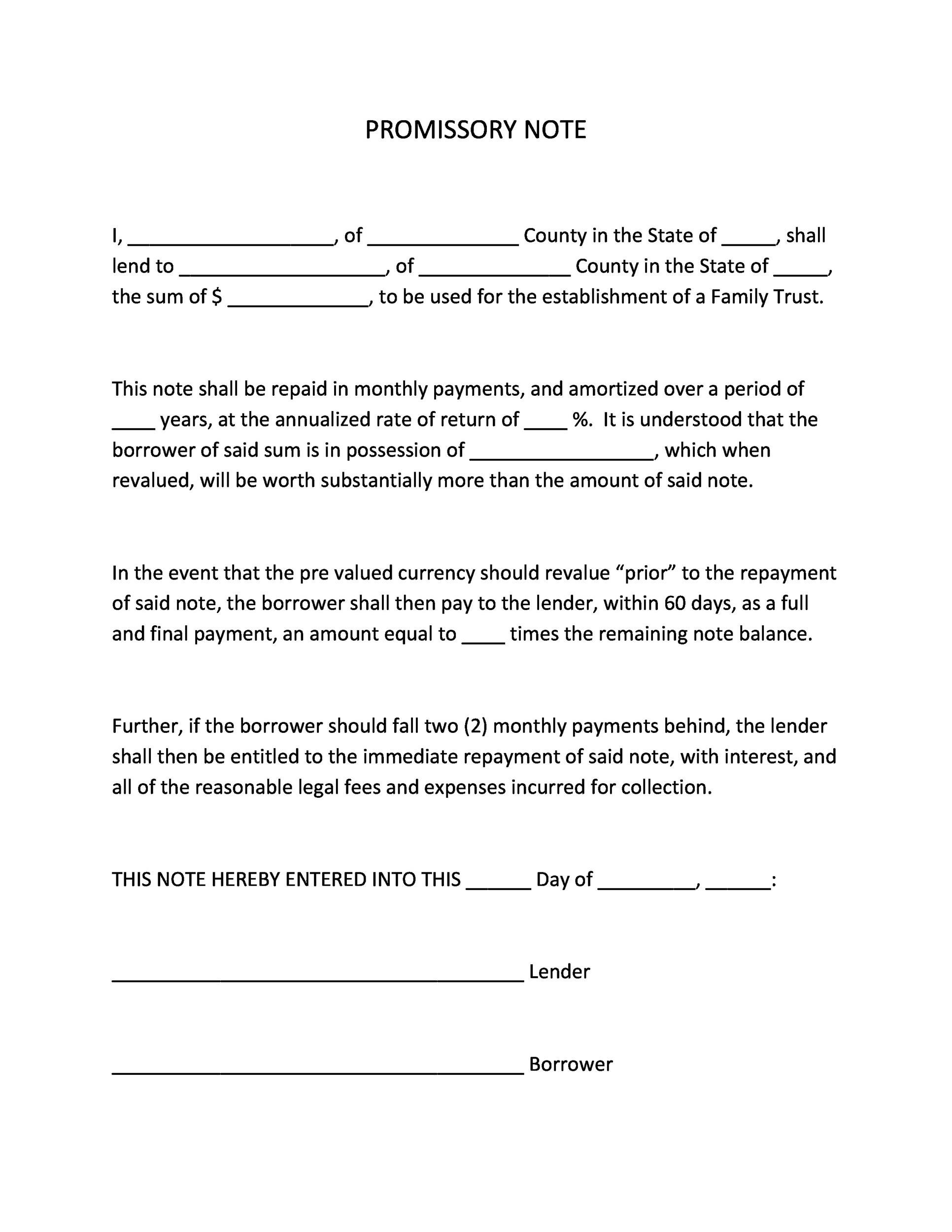
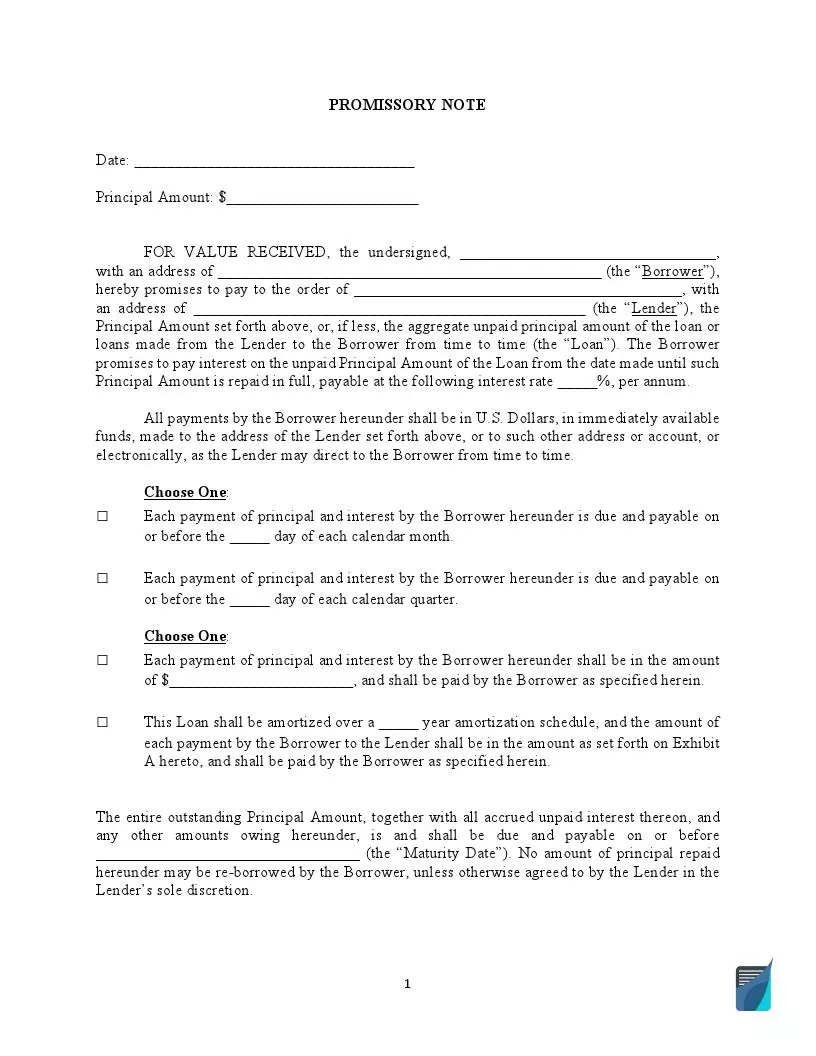
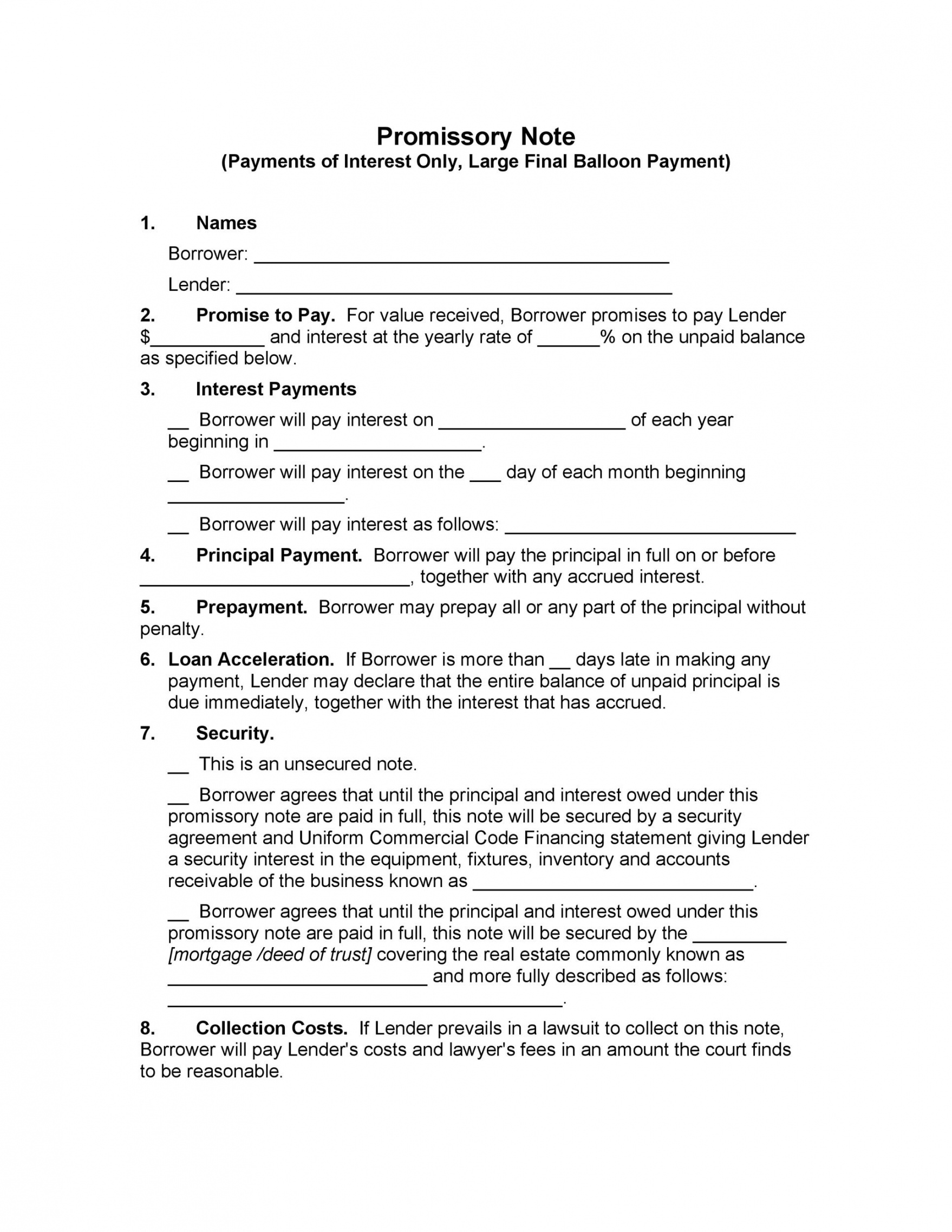
Examples
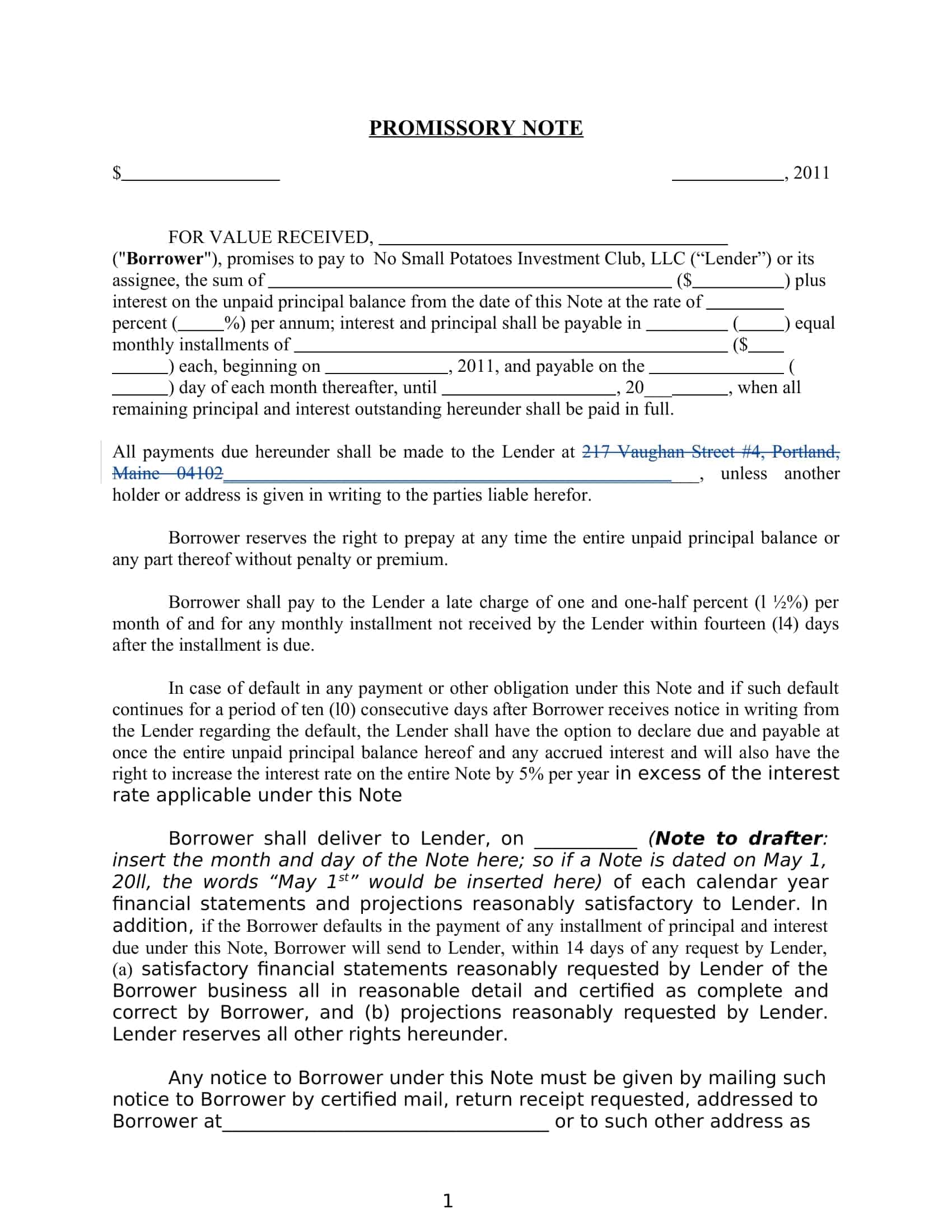
How to Create a Promissory Agreement
Creating a promissory agreement involves following a few simple steps to ensure that the agreement is legally sound and enforceable:
1. Draft the agreement:
Start by outlining the terms and conditions of the loan, including the loan amount, interest rate, repayment schedule, and any collateral. Be specific and detailed to avoid ambiguity.
2. Include necessary clauses:
Consider including clauses that address default, late payments, and the consequences of non-payment to protect both parties in case of breach of the agreement.
3. Review and finalize the agreement:
Once the agreement is drafted, review it carefully to ensure that all relevant details are included and accurately reflect the intentions of both parties. Make any necessary revisions before finalizing the agreement.
4. Sign the agreement:
Both parties should sign the promissory agreement to indicate their acceptance of the terms and conditions. Consider having the agreement notarized for an added layer of legal protection.
5. Keep copies of the agreement:
Make sure that both parties retain a copy of the signed promissory agreement for their records. In case of any disputes or discrepancies, having a written record of the agreement can help resolve issues efficiently.
Tips for Successful Implementation of Promissory Agreements
To ensure the successful implementation of promissory agreements, consider the following tips:
- Seek legal advice: If you are unsure about the terms of the agreement or need assistance in drafting the document, consult with a legal professional to ensure compliance with relevant laws and regulations.
- Communicate openly: Discuss the terms of the agreement openly with the other party to avoid misunderstandings and ensure that both parties are in agreement.
- Follow the repayment schedule: Adhere to the agreed-upon repayment schedule to maintain a good relationship with the lender and avoid default.
- Keep detailed records: Maintain accurate records of all loan transactions, including payments made and received, to track the progress of the loan and resolve any discrepancies.
- Monitor changes in circumstances: Stay informed about any changes in financial circumstances that may impact the repayment of the loan and address them proactively with the other party.
By following these tips and guidelines, you can create and implement promissory agreements effectively, ensuring a smooth and successful financial transaction for all parties involved.
Promissory Agreement Template – Download

- Free Printable Bill Receipt Template - October 27, 2026
- Free Printable Bill Organizer Template - October 27, 2026
- Bill of Materials Template - October 27, 2026
