Project budgeting is a crucial aspect of any successful project management process. It involves estimating the costs associated with a project, determining the resources needed, and allocating funds accordingly. A well-planned budget can help ensure that the project is completed on time and within the specified financial constraints.
In this guide, we will delve into the intricacies of project budgeting and provide you with valuable tips on how to effectively manage your project finances.
What is Project Budgeting?
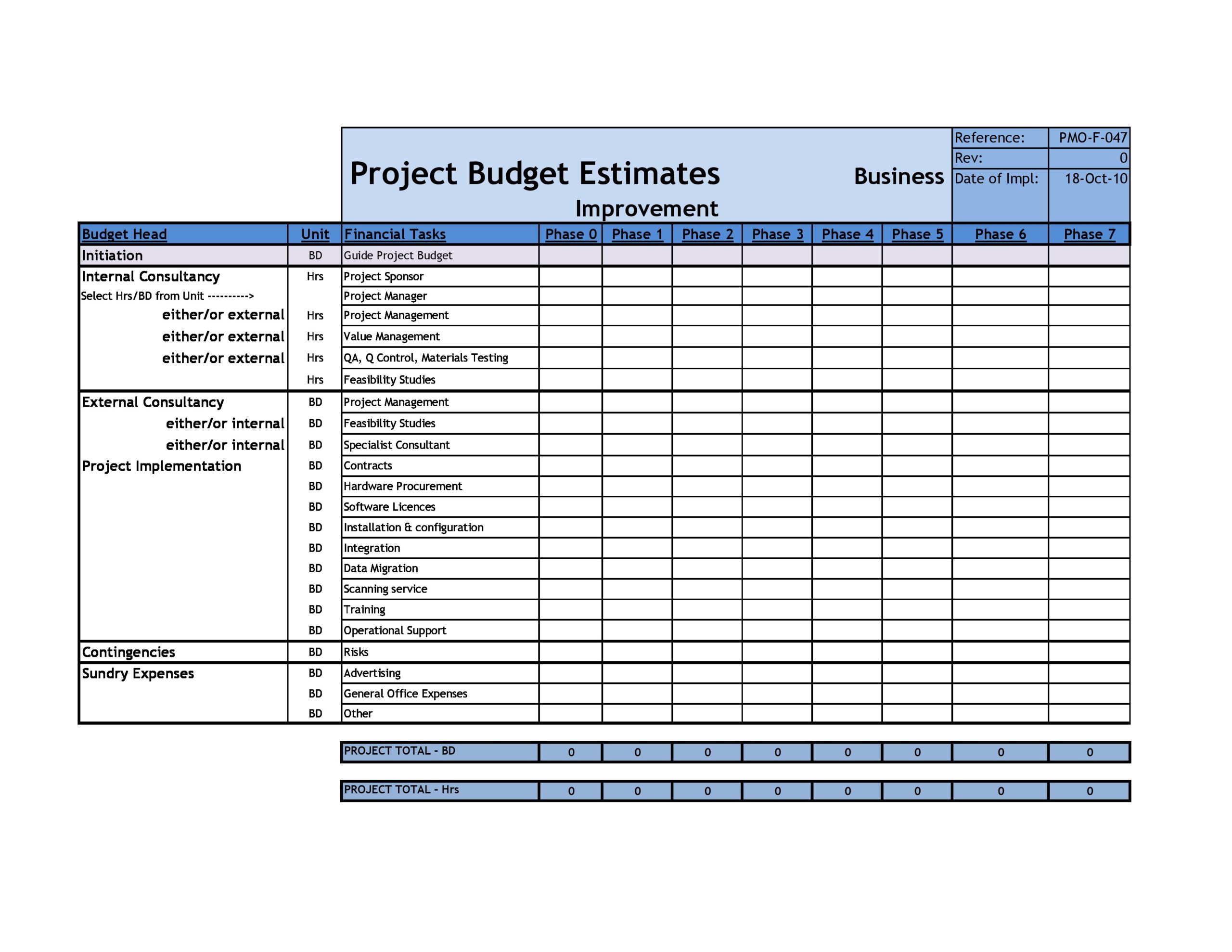
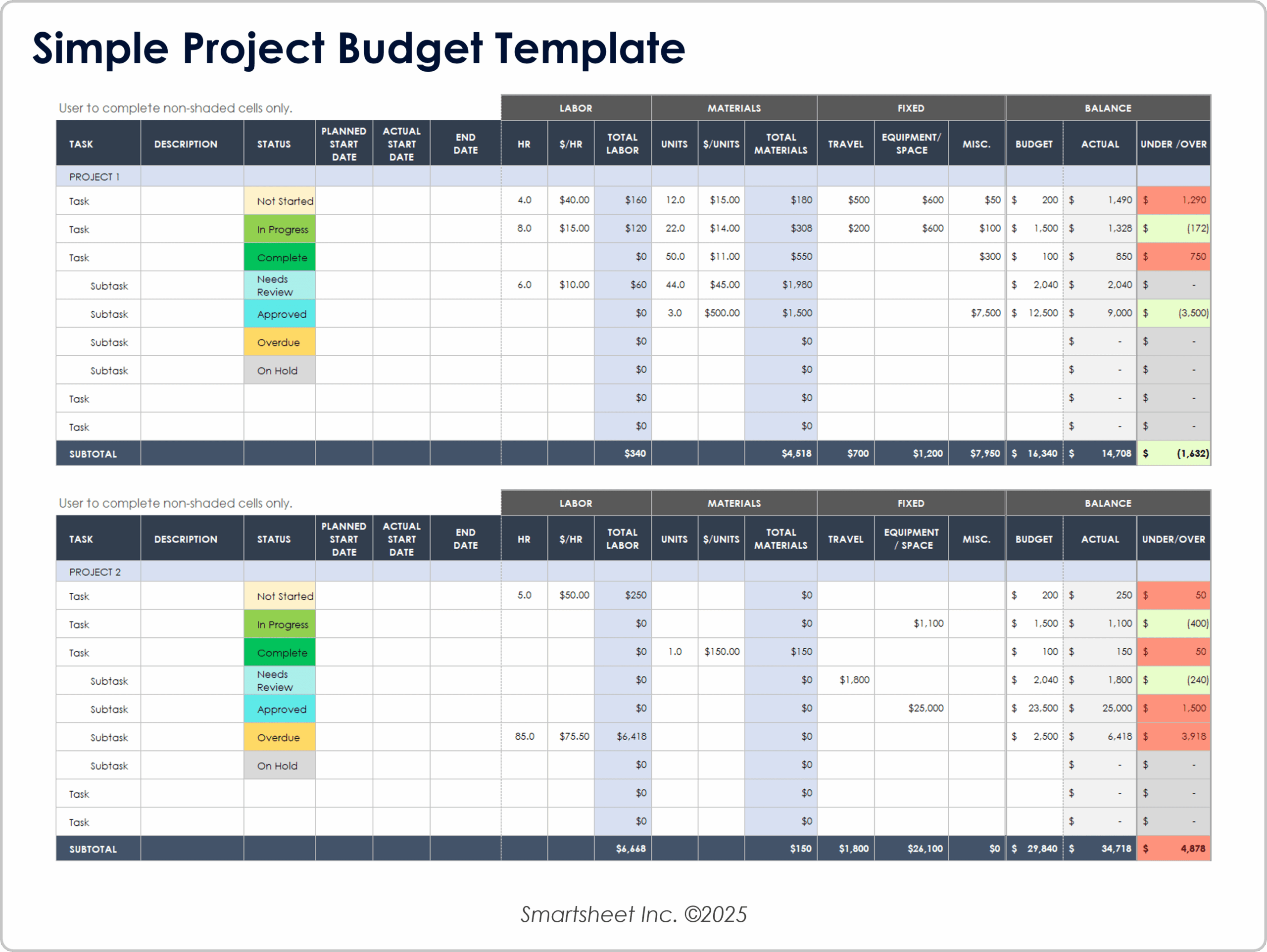
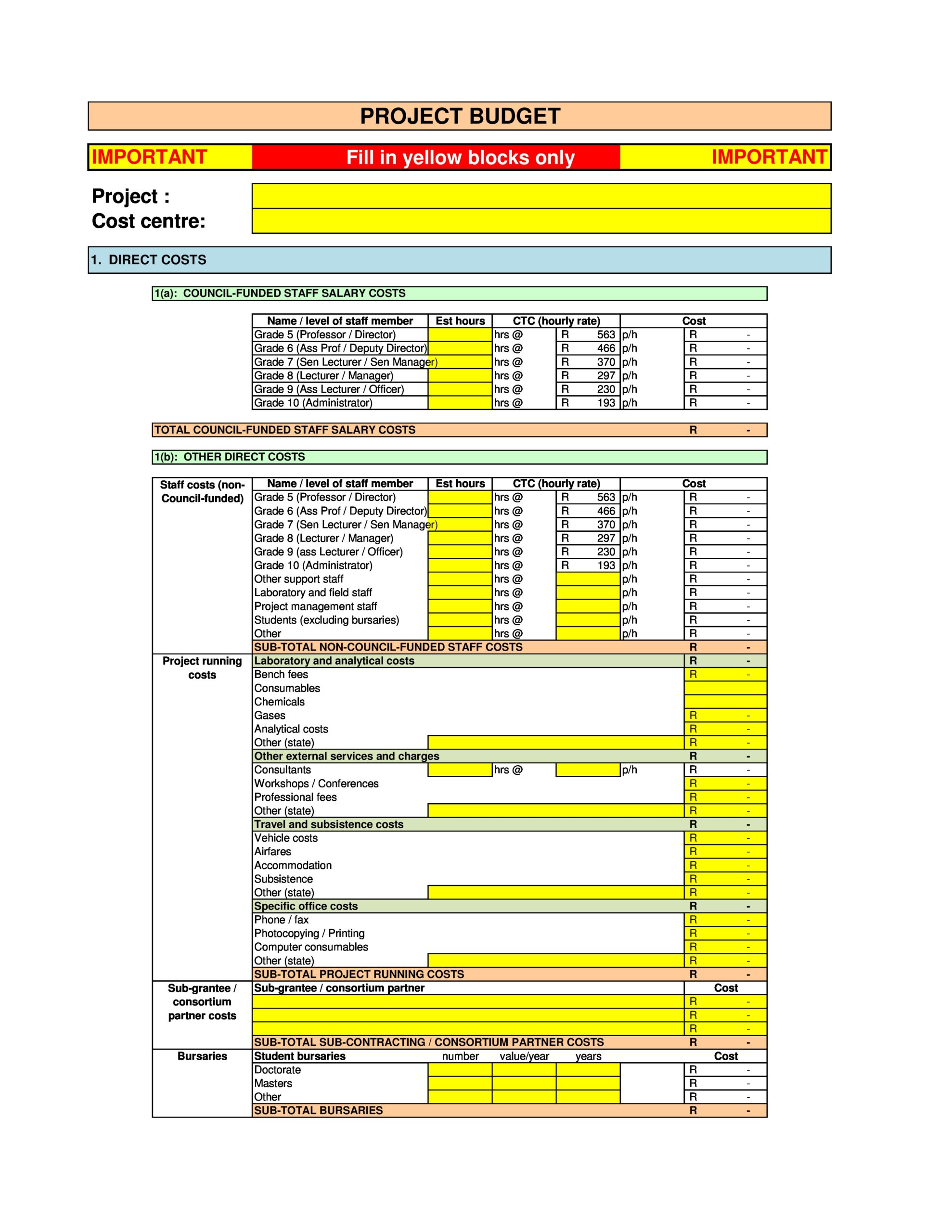
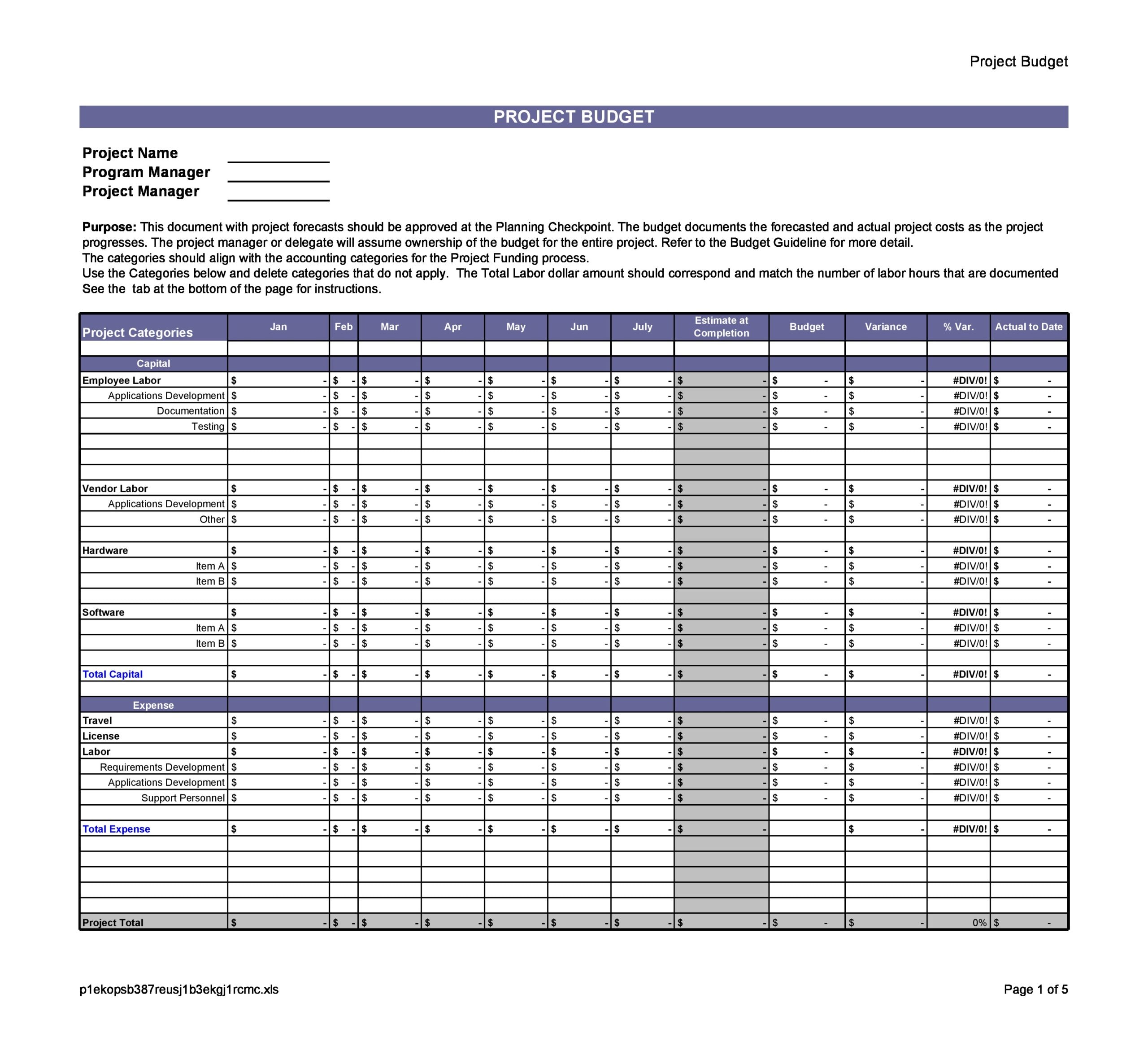
Project budgeting is the process of creating a detailed plan that outlines the estimated costs of a project. This includes expenses such as labor, materials, equipment, and overhead costs. The budget serves as a roadmap for the project, guiding the allocation of resources and helping to track expenses throughout the project lifecycle. By establishing a budget upfront, project managers can monitor spending, identify potential cost overruns, and make informed decisions to keep the project on track.
Why is Project Budgeting Important?
Effective project budgeting is essential for several reasons. Firstly, it provides a clear overview of the financial requirements of the project, allowing stakeholders to make informed decisions about resource allocation. A well-defined budget helps to prevent scope creep and ensures that the project stays within the specified constraints. Additionally, a detailed budget can help identify potential risks and uncertainties, enabling project managers to develop contingency plans and mitigate financial challenges.
What to Include in a Project Budget?
When creating a project budget, it is essential to include the following elements:
- Labor Costs: Estimate the costs of labor, including wages, benefits, and overtime.
- Materials and Supplies: Calculate the expenses associated with materials, equipment, and supplies needed for the project.
- Overhead Costs: Factor in indirect costs such as utilities, rent, and administrative expenses.
- Contingency Fund: Allocate a contingency fund to account for unexpected expenses or changes in project scope.
- Profit Margin: Include a profit margin to ensure that the project generates a return on investment.
By including these components in your project budget, you can create a comprehensive financial plan that supports the successful completion of the project.
Examples
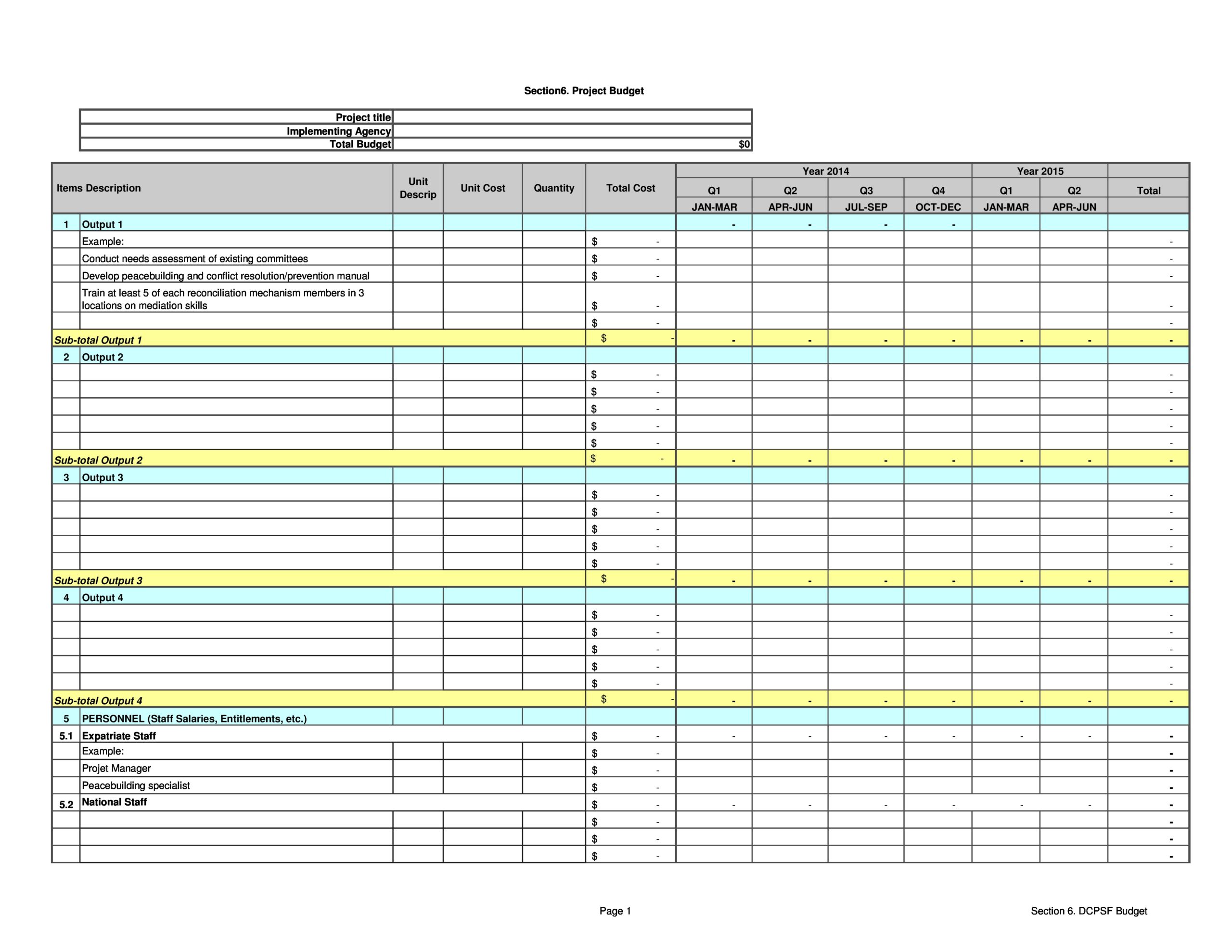
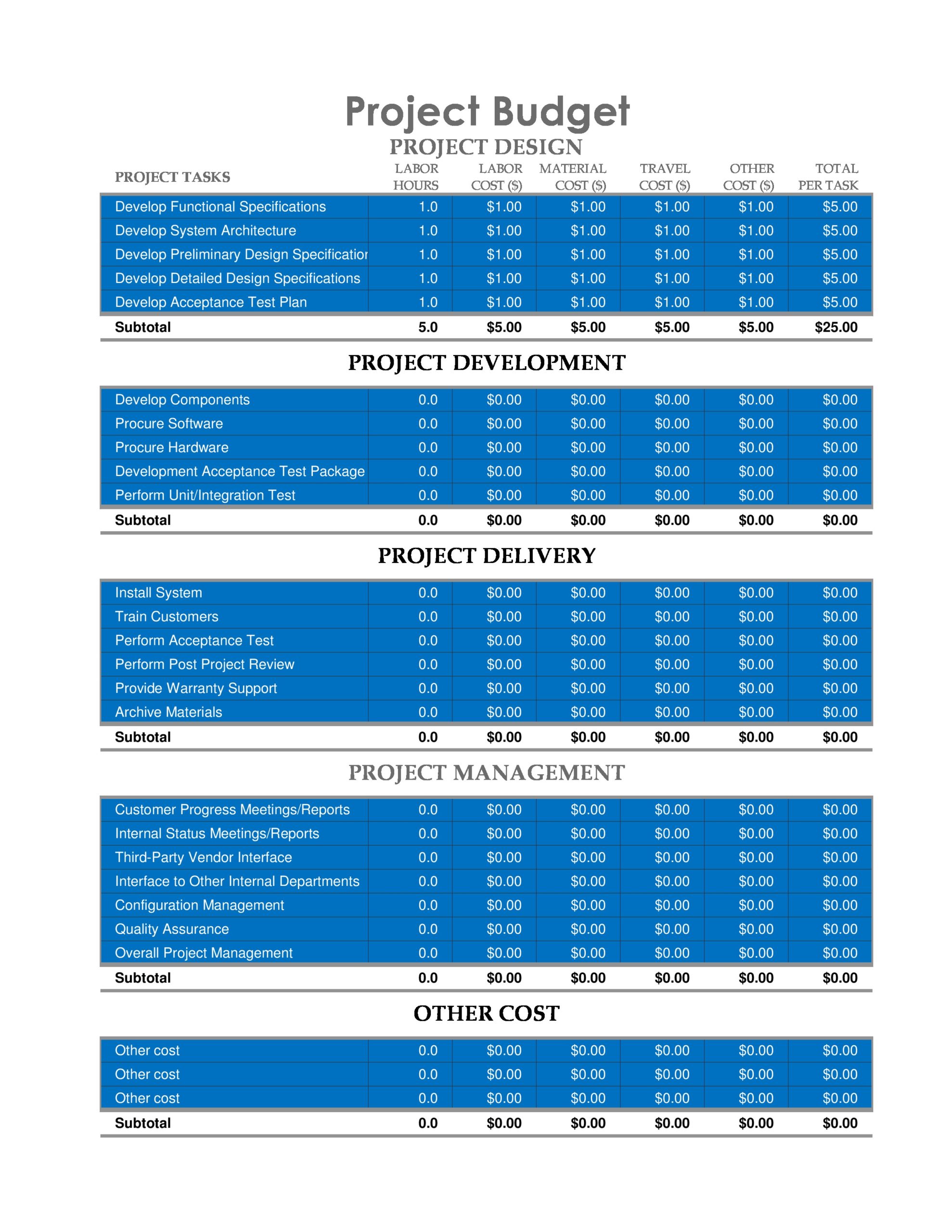
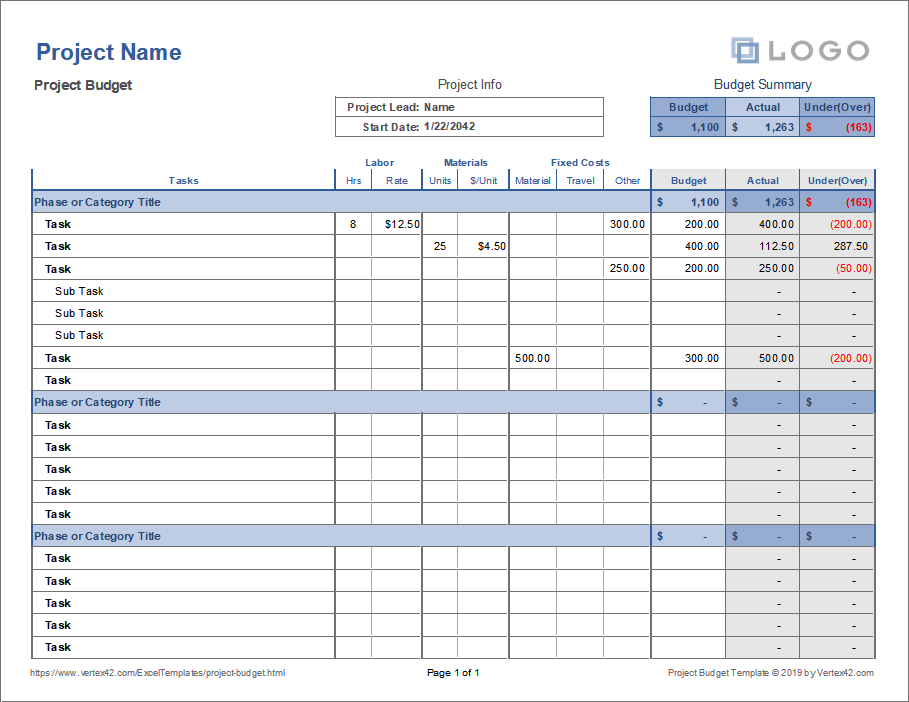
How to Create a Project Budget?
Creating a project budget involves several key steps:
1. Define Project Scope:
Begin by clearly defining the scope of the project, including deliverables, timelines, and objectives. This will help you determine the resources needed and estimate costs accurately.
2. Estimate Costs:
Break down the project into smaller tasks and estimate the costs associated with each activity. Consider factors such as labor, materials, equipment, and overhead expenses.
3. Allocate Resources:
Allocate resources based on the project requirements and budget constraints. Ensure that resources are utilized efficiently to maximize value and minimize waste.
4. Monitor Expenses:
Regularly monitor project expenses and compare them to the budget. Identify any discrepancies or cost overruns and take corrective action to keep the project on track.
5. Review and Adjust:
Periodically review the project budget and make adjustments as needed. Be flexible in responding to changing circumstances and update the budget to reflect any modifications in scope or requirements.
Tips for Successful Project Budgeting
Here are some valuable tips for successful project budgeting:
- Involve Stakeholders: Collaborate with stakeholders to gather input and ensure alignment with project goals.
- Use Budgeting Tools: Leverage project management software and budgeting tools to streamline the budgeting process and track expenses effectively.
- Communicate Clearly: Keep stakeholders informed about budget updates, risks, and potential challenges to foster transparency and accountability.
- Be Realistic: Set realistic budget targets based on accurate cost estimates and be prepared to adjust the budget as needed throughout the project.
- Monitor Progress: Regularly review budget performance and make data-driven decisions to optimize resource allocation and control costs.
By following these tips and best practices, you can enhance your project budgeting skills and ensure the successful execution of your projects. Remember that effective budgeting is a continuous process that requires proactive planning, monitoring, and adaptation to achieve project success.
Project Budget Template – Download

- Free Printable Bill Receipt Template - October 27, 2026
- Free Printable Bill Organizer Template - October 27, 2026
- Bill of Materials Template - October 27, 2026
