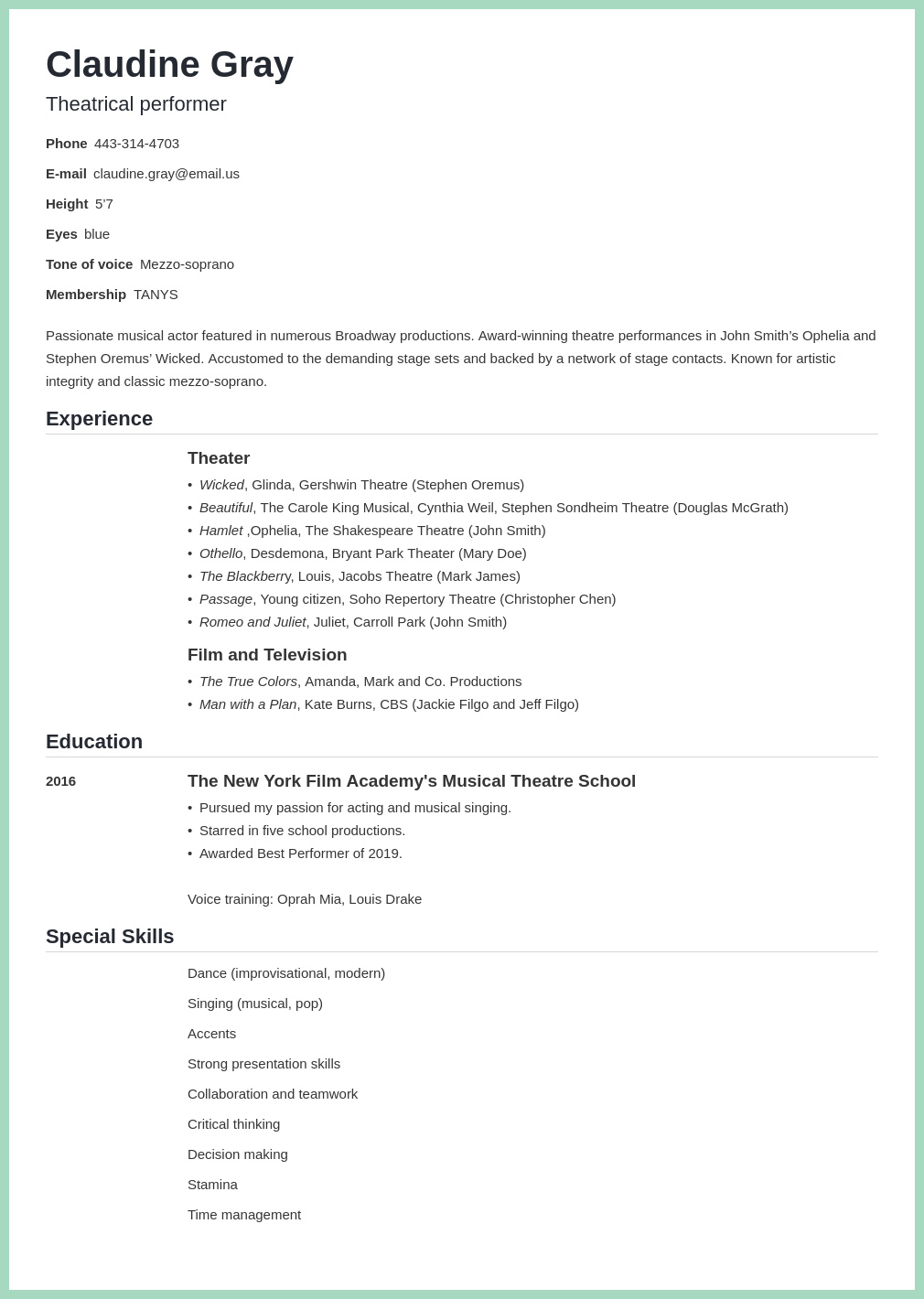
When it comes to pursuing a career in the performing arts, having a well-crafted theatrical resume is essential. Your resume is your ticket to getting noticed by casting directors, agents, and producers in the competitive world of theater. It serves as a snapshot of your experience, skills, and achievements in the industry. In this article, we will delve into what a theatrical resume is, why it is important, key elements to include, how to create one, and tips for making your resume stand out.
What is a Theatrical Resume?
A theatrical resume is a document that outlines an actor’s or performer’s professional experience in theater, film, television, and other related fields. It serves as a marketing tool to showcase your talents and qualifications to potential employers. Think of it as your calling card in the industry, highlighting your past work and training to demonstrate your suitability for various roles.
Why is a Theatrical Resume Important?
Your theatrical resume is often the first impression that industry professionals will have of you. It can make or break your chances of landing auditions, securing representation, and ultimately booking roles. A well-crafted resume shows that you are serious about your craft and have the experience and skills to back it up. It is a crucial tool for networking and building your reputation in the industry.
Key Elements of a Theatrical Resume
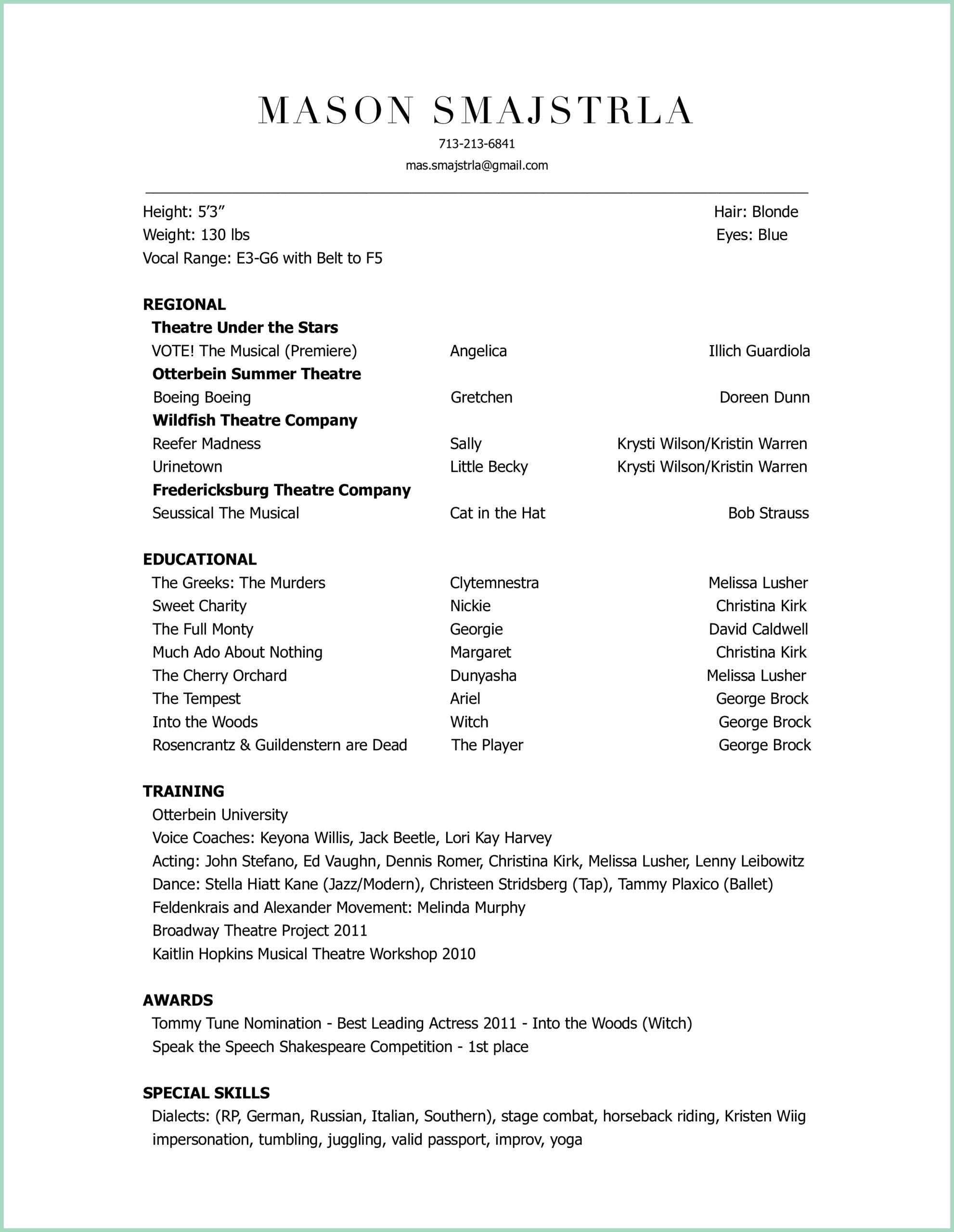
When creating a theatrical resume, there are several key elements that you should include to make it effective and impactful:
- Personal Information. Include your full name, contact information, and union affiliations (if applicable).
- Headshot. A professional headshot is essential for casting directors to visualize you in various roles.
- Experience. List your acting credits, including the production name, role, director, and theater/company.
- Training. Include any relevant acting classes, workshops, or degree programs you have completed.
- Special Skills. Highlight any special talents or skills you possess, such as singing, dancing, or proficiency in foreign languages.
- Awards and Achievements. Mention any accolades or recognition you have received for your work in the industry.
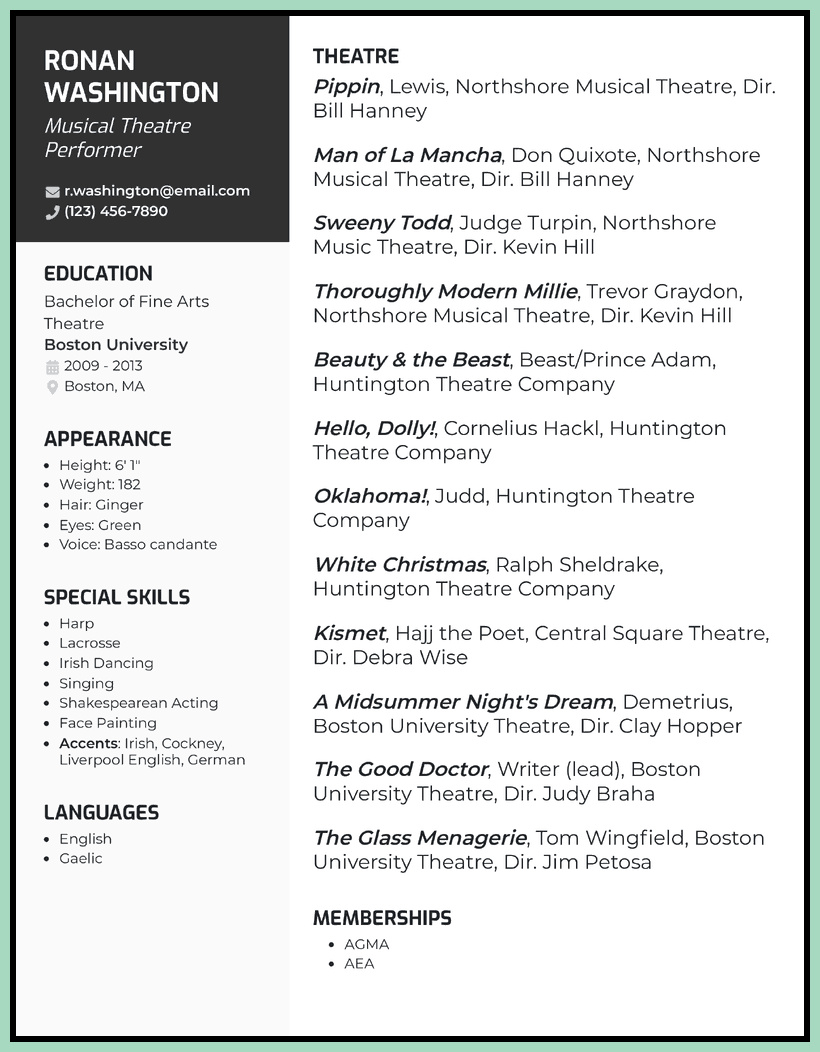
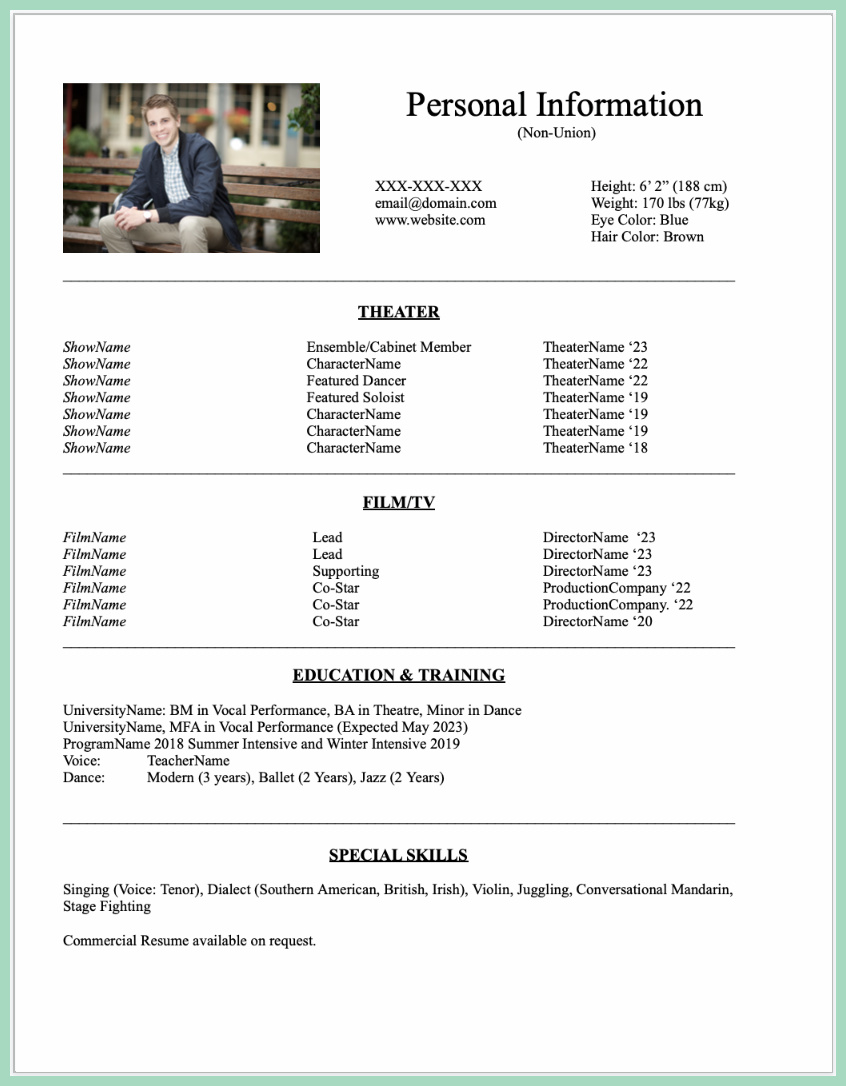
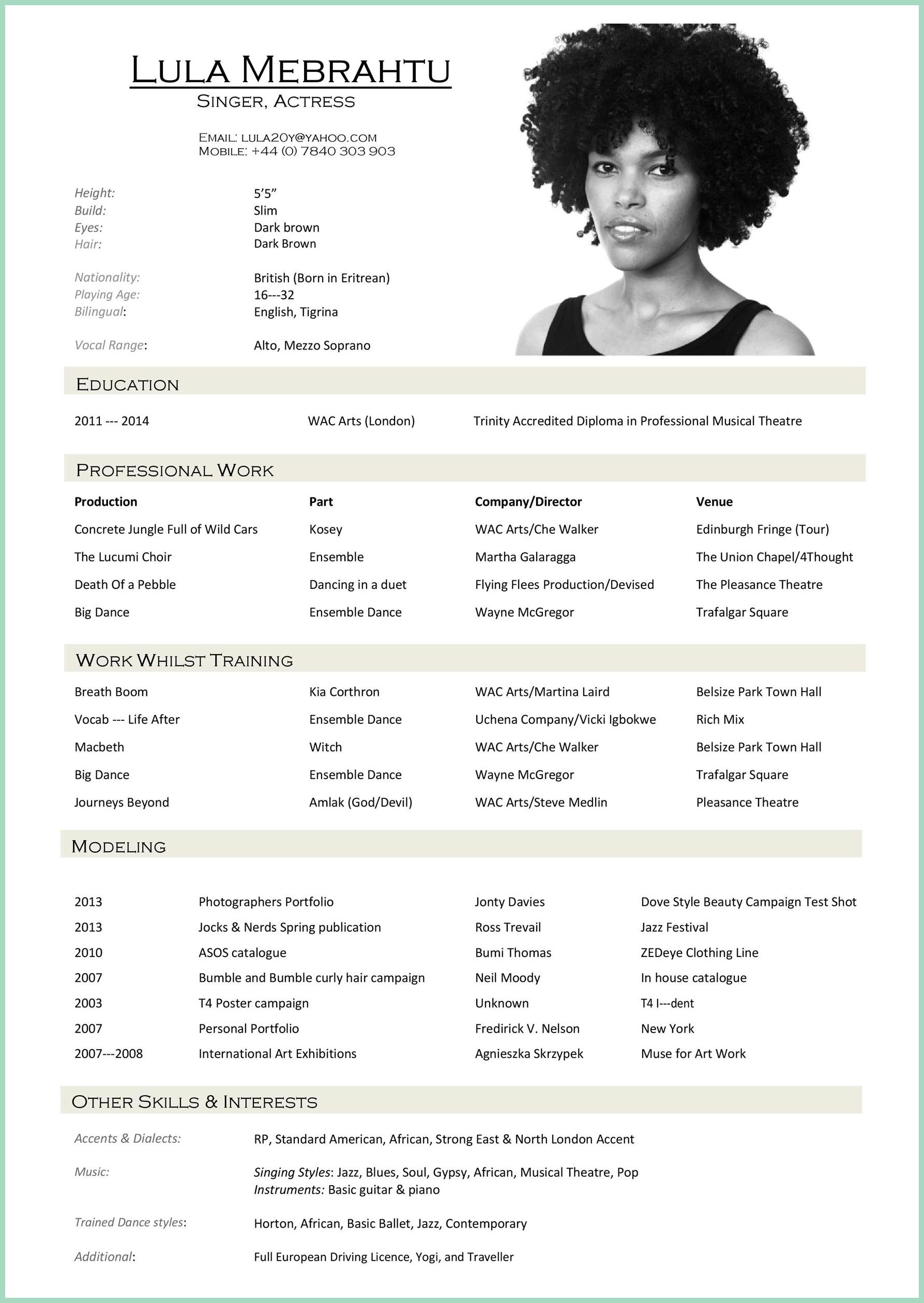
How to Create a Theatrical Resume
Creating a theatrical resume may seem daunting, but with the right approach, you can craft a compelling document that showcases your talents effectively. Here are some steps to help you create a standout theatrical resume:
1. Choose the Right Format
Decide on a format that best highlights your experience and skills, whether it’s a traditional chronological resume or a more creative design that reflects your personality.
2. Tailor Your Resume to the Role
Customize your resume for each audition by emphasizing relevant experience and skills that align with the specific role you are auditioning for.
3. Keep it Concise and Relevant
Avoid including unnecessary details and focus on highlighting your most impressive achievements and qualifications to keep your resume concise and impactful.
4. Proofread Carefully
Before sending out your resume, make sure to proofread it for any errors in grammar, spelling, or formatting to present a polished and professional image.
5. Update Regularly
Keep your theatrical resume up to date with your latest credits, training, and achievements to ensure that casting directors have the most accurate and current information about your career.
Tips for Successful Theatrical Resumes
Here are some additional tips to help you create a successful theatrical resume that stands out from the competition:
- Be Honest. Only include accurate information about your experience and skills to avoid any misrepresentation.
- Showcase Your Personality. Use your resume to reflect your unique personality and style to make a lasting impression on industry professionals.
- Seek Feedback. Ask for feedback from mentors, colleagues, or industry professionals to get insight into how to improve your resume.
- Update Your Headshot. Regularly update your headshot to ensure that it accurately represents your current look and style.
- Network. Use your resume as a tool for networking by sharing it with industry contacts and attending casting events and workshops.
- Stay Persistent. Keep refining and updating your resume to adapt to the changing demands of the industry and stay persistent in pursuing your goals.
- Showcase Your Range. Highlight your versatility and range as an actor by including a diverse range of roles and experiences on your resume.
By following these guidelines and tips, you can create a theatrical resume that effectively showcases your talents, experience, and potential to industry professionals. Remember that your resume is a reflection of your dedication and passion for the performing arts, so put in the effort to make it shine.

- Free Acknowledgement Letter Template - October 8, 2026
- Free Printable Accounting Ledger Template - October 8, 2026
- Free Account Statement Template - October 8, 2026
