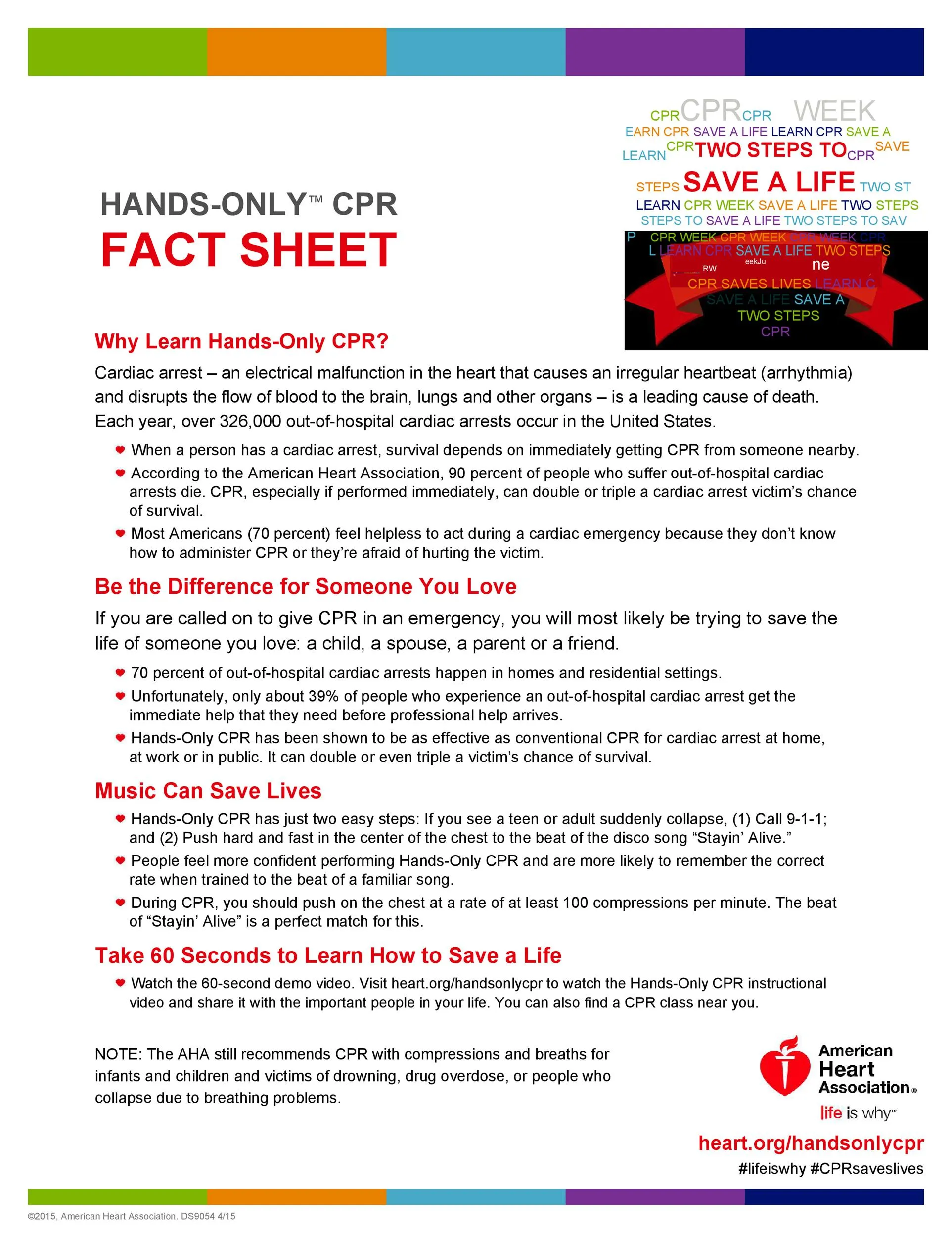
What is a Fact Sheet?
A fact sheet is a powerful communication tool that condenses complex information into a clear and concise format. It provides readers with a quick overview of essential details about a specific topic, product, service, organization, or event.
Fact sheets are typically one page long and use bullet points, simple language, and visuals to make the information easy to digest. By presenting key facts in a structured manner, fact sheets enable audiences to grasp important details and make informed decisions quickly.
Benefits of Using Fact Sheets
There are several benefits to using fact sheets as a communication tool:
- Efficiency: Fact sheets provide a quick and easy way to convey essential information without overwhelming the reader with details.
- Clarity: By presenting information in a structured format, fact sheets help readers quickly grasp key points.
- Accessibility: Fact sheets are easily shareable and can be distributed online, in print, or during presentations.
- Credibility: Fact sheets help establish the credibility of the information presented by providing accurate and reliable data.
When Should You Use One?
Fact sheets are versatile tools that can be used in a variety of situations to effectively communicate important information. Knowing when to use a fact sheet can help maximize its impact and ensure that key messages reach the intended audience.
Product Launch
When launching a new product or service, a fact sheet can provide potential customers with essential details about the offering. By highlighting key features, benefits, pricing, and availability, a product fact sheet can generate interest and drive sales.
Media Relations
Fact sheets are valuable resources for journalists and media outlets seeking accurate information for news stories or features. Providing a media kit with a fact sheet can help journalists quickly understand the key points of a story and ensure accurate reporting.
Public Awareness Campaigns
For public awareness campaigns on social issues, health topics, or environmental initiatives, fact sheets can educate the public and raise awareness. By presenting statistics, facts, and resources in an easy-to-understand format, fact sheets can engage audiences and encourage action.
Investor Relations
When communicating with investors or stakeholders, fact sheets can provide a snapshot of financial performance, key metrics, and future outlook. A financial performance fact sheet can help investors make informed decisions and understand the business’s financial health.
Types of Fact Sheets
Company Fact Sheet
A company fact sheet provides an overview of an organization, including its history, mission, products or services, key personnel, and contact information. This type of fact sheet is commonly used for marketing, investor relations, and media outreach.
Mental Health Awareness Fact Sheet
A mental health awareness fact sheet presents statistics, resources, and tips related to mental health issues to promote awareness and reduce stigma. This type of fact sheet aims to educate the public, healthcare professionals, and policymakers about mental health issues.
Product Fact Sheet
A product fact sheet highlights the features, benefits, specifications, and pricing of a specific product to help consumers make informed purchasing decisions. This type of fact sheet is often used in retail, e-commerce, and product launches.
Financial Performance Fact Sheet
A financial performance fact sheet summarizes a company’s financial results, key performance indicators, and future outlook for investors and stakeholders. This type of fact sheet provides transparency and accountability in financial reporting.
Medical Statistics Fact Sheet
A medical statistics fact sheet compiles data on diseases, treatments, and healthcare trends to inform healthcare professionals, policymakers, and the public. This type of fact sheet helps stakeholders understand healthcare challenges and opportunities.
Environmental Impact Fact Sheet
An environmental impact fact sheet outlines the environmental effects of a project, product, or organization to promote sustainability and environmental responsibility. This type of fact sheet raises awareness of environmental issues and encourages sustainable practices.
Health Benefits Fact Sheet
A health benefits fact sheet explains the benefits of a specific health-related product, service, or program to encourage adoption and healthy behaviors. This type of fact sheet educates consumers, healthcare providers, and policymakers about the health benefits of certain products or services.
Event Fact Sheet
An event fact sheet provides key details about an upcoming event, including date, time, location, agenda, speakers, and registration information. This type of fact sheet helps attract attendees, sponsors, and media coverage for the event.
Key Sections to Include
When creating a fact sheet, several key sections should be included to ensure it effectively communicates the desired information and engages the reader. These key sections provide structure and clarity to the fact sheet, making it easy for the audience to navigate and understand the content.
Title
The title of the fact sheet should clearly indicate the topic or purpose of the document. A concise and descriptive title helps set the tone for the content and captures the reader’s attention from the start.
Introduction
The introduction section provides a brief overview of the subject matter covered in the fact sheet. It sets the context for the information presented and prepares the reader for the key facts and details that will follow.
Facts and Figures
The facts and figures section presents the core information in a clear and structured format. Using bullet points, charts, graphs, or tables can help convey key data succinctly and effectively while highlighting important points for the reader.
Contact Information
Including relevant contact information in the fact sheet allows readers to follow up or seek additional information if needed. Providing contact details for a specific individual, department, website, or hotline enhances the accessibility and credibility of the fact sheet.
Creating an Effective Fact Sheet
Creating an effective fact sheet requires careful planning, research, and attention to detail. By following a systematic process and incorporating best practices, you can produce a fact sheet that effectively communicates your message and engages your target audience.
Define Your Audience
Before creating a fact sheet, it’s essential to identify your target audience and understand their needs, preferences, and level of knowledge on the topic. Tailoring the content to the audience ensures that the fact sheet resonates with readers and provides relevant information.
Gather Key Information
Collecting and compiling key information is the foundation of a successful fact sheet. Research relevant data, statistics, case studies, and examples that support your key messages and help illustrate the importance of the topic to your audience.
Organize the Content
Organizing the content in a logical and coherent manner is crucial for creating a well-structured fact sheet. Group related information together, use headings and subheadings to divide the content into sections, and ensure a clear flow of information from one point to the next.
Add Visual Elements
Visual elements such as charts, graphs, images, or icons can enhance the visual appeal and comprehension of a fact sheet. Including relevant visuals that support the key points and data presented in the fact sheet can help engage readers and reinforce the main messages.
Review and Revise
Before finalizing the fact sheet for distribution, it’s essential to review and revise the content for accuracy, clarity, and consistency. Proofread the text, check the accuracy of data and statistics, and ensure that the layout and design are visually appealing and easy to read.
Implementation
Now that you have a comprehensive understanding of fact sheets and how to create an effective one, consider incorporating this versatile tool into your communication strategy. Whether you need to inform, educate, or persuade your target audience, a well-crafted fact sheet can help you achieve your communication goals effectively and efficiently. By following the best practices outlined in this guide and customizing your fact sheet to suit your specific audience and objectives, you can create a compelling and impactful communication tool that resonates with your readers.
Share Across Multiple Channels
Once you have created your fact sheet, consider sharing it across multiple channels to reach a wider audience. Distribute the fact sheet via email, social media, websites, newsletters, presentations, or print materials to ensure maximum visibility and engagement.
Encourage Engagement and Feedback
Engage with your audience by encouraging them to provide feedback on the fact sheet. Consider including a call-to-action that prompts readers to share their thoughts, ask questions, or take further action based on the information presented in the fact sheet.
Monitor and Measure Impact
Track the performance and impact of your fact sheet by monitoring key metrics such as views, shares, downloads, and engagement. Use analytics tools to gather data on how the fact sheet is being received and adjust your communication strategy accordingly.
Update and Refresh Regularly
Fact sheets should be updated and refreshed regularly to ensure that the information remains accurate, relevant, and timely. Monitor industry trends, changes in regulations, or updates to data and statistics that may impact the content of your fact sheet.
Collaborate with Stakeholders
Collaborate with internal and external stakeholders to create fact sheets that reflect a diverse range of perspectives and expertise. Involve subject matter experts, key decision-makers, and other stakeholders in the fact sheet creation process to ensure accuracy and alignment with organizational goals.
Iterate and Improve
Use feedback and performance data to iterate and improve your fact sheets over time. Incorporate lessons learned from previous fact sheet campaigns, test different formats or messaging approaches, and continuously seek opportunities to enhance the effectiveness of your communication efforts.
Integrate Fact Sheets into Your Communication Strategy
Integrate fact sheets into your overall communication strategy to complement other communication tools and channels. Consider how fact sheets can support your messaging in presentations, meetings, media outreach, marketing campaigns, and stakeholder engagements to maximize their impact.
Conclusion
Fact sheets are valuable communication tools that can help you present complex information in a clear, concise, and engaging format. By following the steps outlined in this guide and customizing your fact sheet to suit your audience and objectives, you can create an effective communication tool that informs, educates, and influences your target audience. Whether you are promoting a new product, raising awareness about a social issue, or sharing key financial data with investors, a well-crafted fact sheet can help you achieve your communication goals and make a lasting impact.
Fact Sheet Template – DOWNLOAD

- Ship Chart Template - October 5, 2026
- Free Printable Table Tent Template - October 5, 2026
- Free Printable Supply List Template - October 5, 2026
