In formal business communication, the letter of transmittal plays a crucial role in conveying important documents or materials. Whether you’re sending a report, proposal, or any other type of document, a letter of transmittal serves as a cover letter that provides context and additional information to the recipient.
In this comprehensive guide, we’ll delve into the what, why, what to include, how to, and tips for creating an effective letter of transmittal.
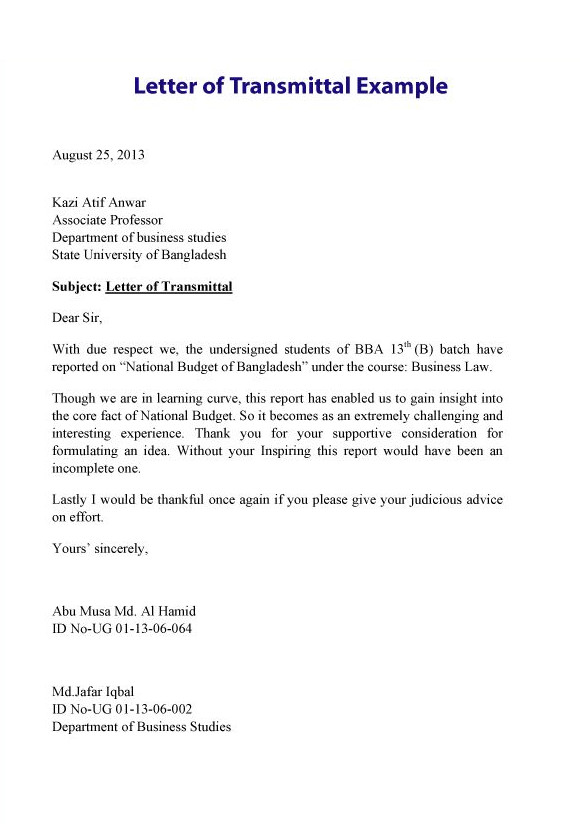
What is a Letter of Transmittal?
A letter of transmittal is a formal document that accompanies another document or set of documents when they are sent to a recipient. It provides a brief overview of what is being transmitted, the purpose of the transmission, and any additional information that the recipient may need to know. This letter serves as a bridge between the sender and the recipient, helping to set the tone for the enclosed materials.
Typically, a letter of transmittal is used in business settings when sending reports, proposals, contracts, or any other type of formal documentation. It allows the sender to provide context, highlight key points, and express gratitude or expectations to the recipient.
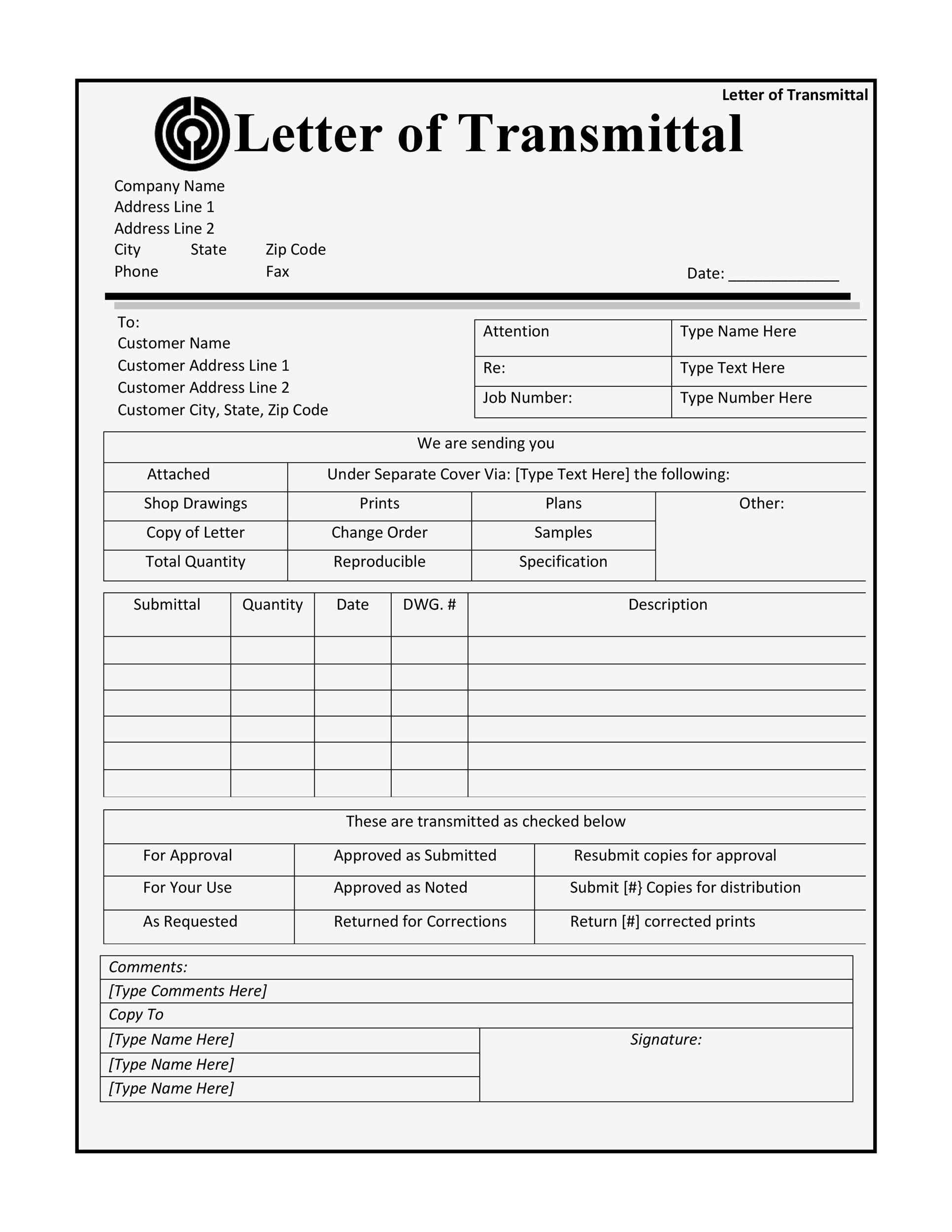
Why is a Letter of Transmittal Important?
A letter of transmittal is important for several reasons:
- Provides context: The letter gives the recipient a clear understanding of what is being sent and why.
- Sets the tone: It establishes a professional tone for the enclosed materials.
- Highlights key points: The letter can emphasize important information or key findings within the documents.
- Expresses gratitude or expectations: The sender can show appreciation or communicate expectations to the recipient.
Overall, a letter of transmittal enhances the overall effectiveness of the communication by providing clarity and setting the stage for the enclosed documents.
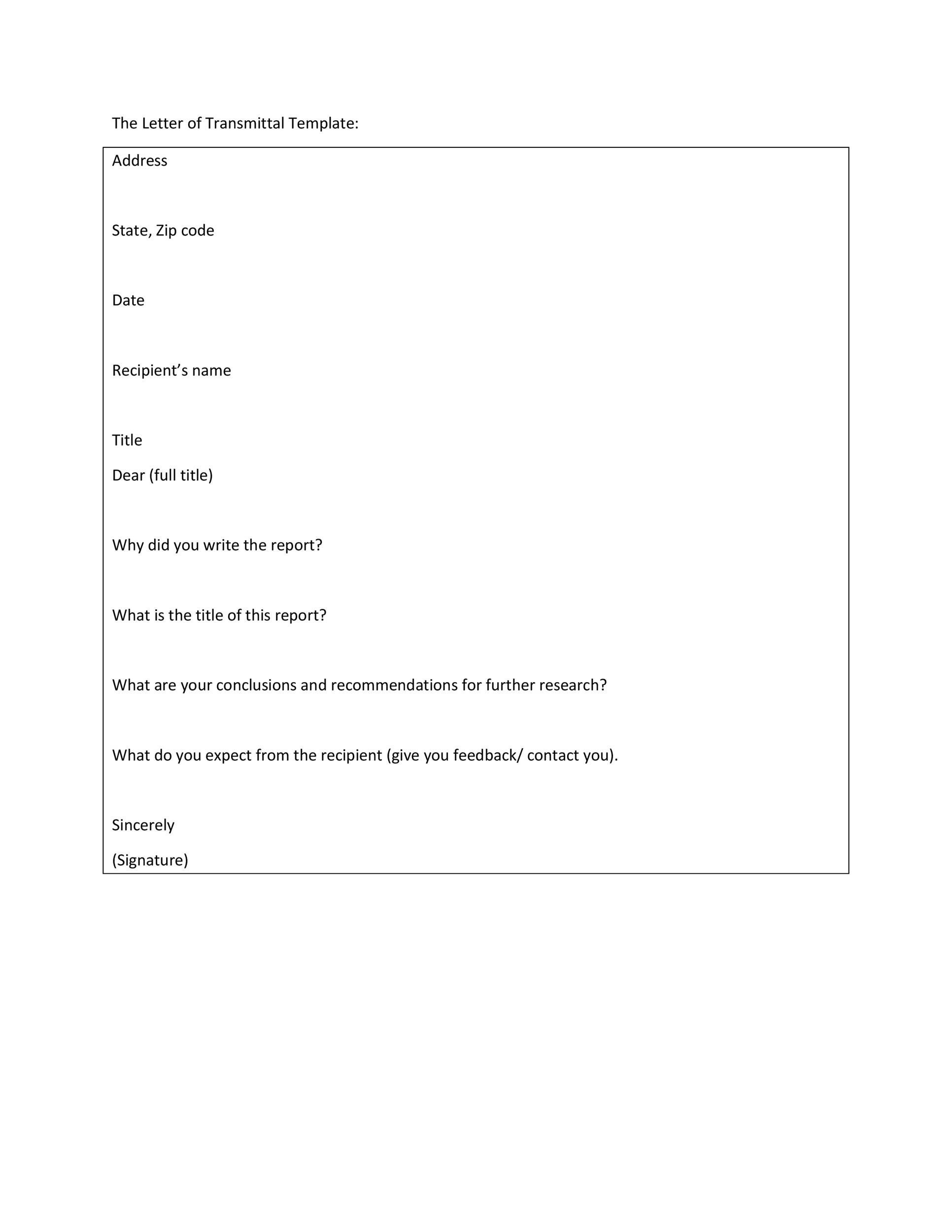
What to Include in a Letter of Transmittal
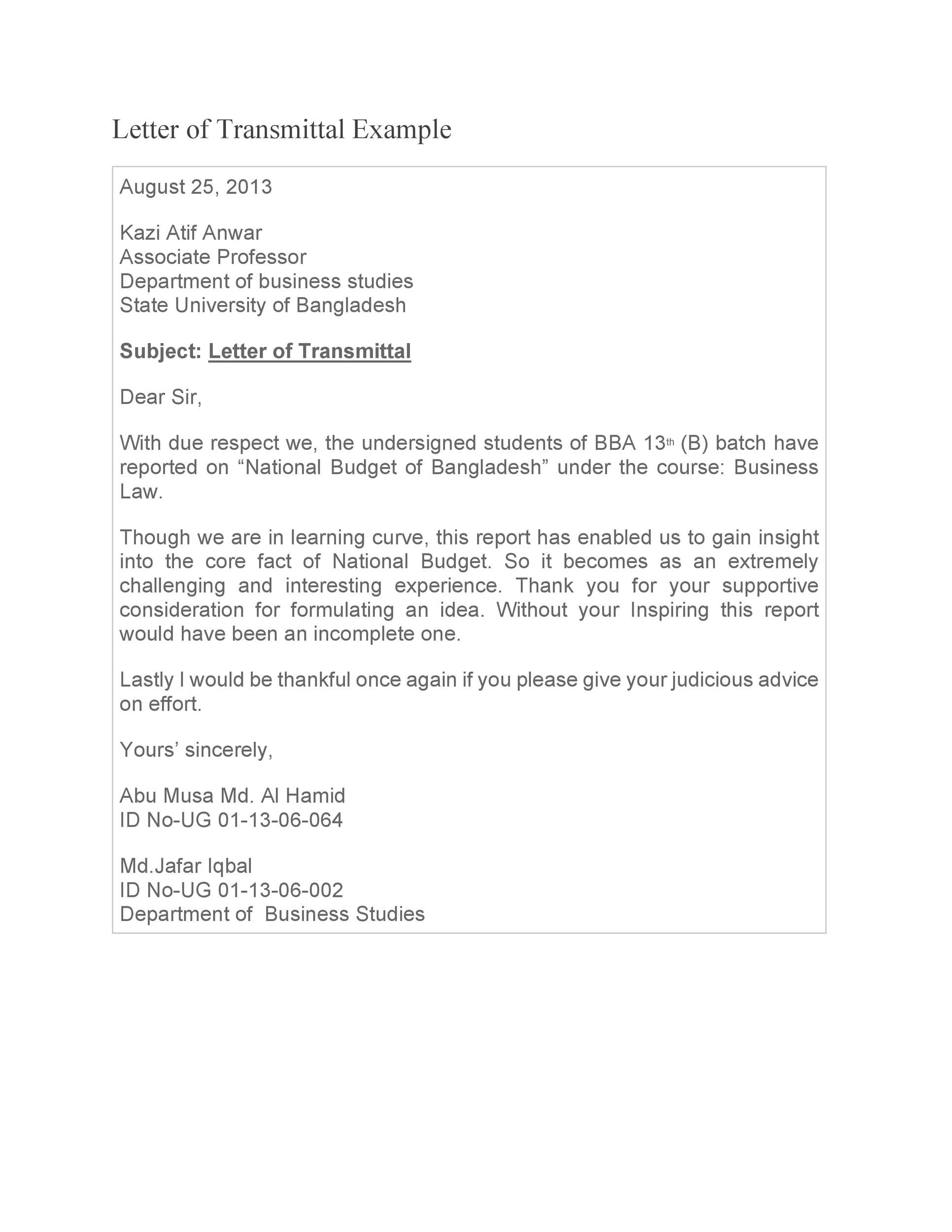
When creating a letter of transmittal, several key elements should be included:
- Sender’s information: Include the sender’s name, title, company name, and contact information.
- Recipient’s information: Clearly state the recipient’s name, title, company name, and contact information.
- Date: Provide the date the letter is being sent.
- Subject: Clearly indicate the purpose of the transmission.
- Introduction: Briefly introduce the enclosed documents and their significance.
- Body: Provide additional context, key points, or explanations related to the enclosed materials.
- Closing: Express gratitude, provide contact information for further questions, and indicate any expectations.
By including these elements, you can ensure that your letter of transmittal is comprehensive and effectively communicates the necessary information to the recipient.
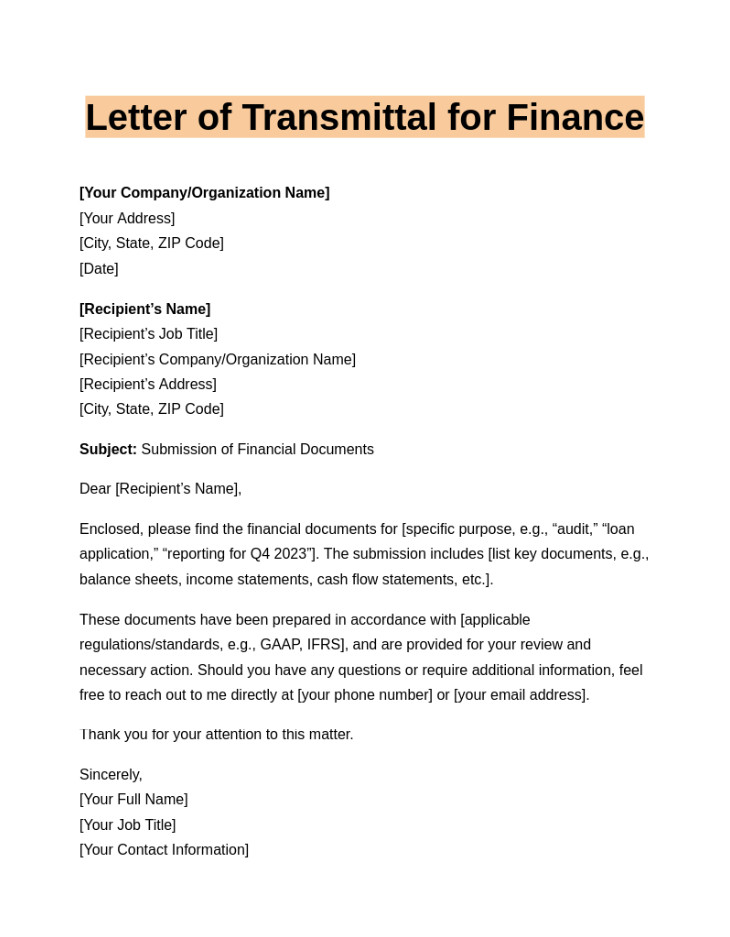
How to Write a Letter of Transmittal
Writing a letter of transmittal requires careful attention to detail and professionalism. Here are some steps to follow when crafting your letter:
1. Start with a professional letterhead:
Use your company’s official letterhead for a polished look.
2. Address the recipient appropriately:
Use the recipient’s full name and title, if known.
3. Provide a clear subject line:
Clearly state the purpose of the transmission in the subject line.
4. Introduce the enclosed materials:
Give a brief overview of what is being sent and why.
5. Add context or key points:
Provide additional information or highlight key points within the enclosed documents.
6. Express gratitude:
Show appreciation to the recipient for their time or consideration.
7. Include contact information:
Provide your contact information for any follow-up questions or discussions.
8. Close with a professional sign-off:
End the letter with a professional closing, such as “Sincerely” or “Best regards.”
9. Proofread before sending:
Ensure that your letter is error-free and polished before sending it out.
10. Follow up if necessary:
If you don’t receive a response, consider following up with the recipient to ensure they received the documents.
Tips for Creating an Effective Letter of Transmittal
Here are some tips to help you create a compelling letter of transmittal:
- Be concise: Keep the letter brief and to the point.
- Use a professional tone: Maintain a formal and professional tone throughout the letter.
- Customize for the recipient: Tailor the letter to the specific recipient and their needs or preferences.
- Highlight key points: Emphasize important information or findings within the enclosed documents.
- Proofread carefully: Double-check for any errors or typos before sending the letter.
- Follow up: If necessary, follow up with the recipient to ensure the documents were received and understood.
By following these tips and guidelines, you can create a well-crafted and effective letter of transmittal that enhances your business communication and sets a professional tone for your enclosed materials.
Letter of Transmittal Template – Word

- Ship Chart Template - October 5, 2026
- Free Printable Table Tent Template - October 5, 2026
- Free Printable Supply List Template - October 5, 2026
