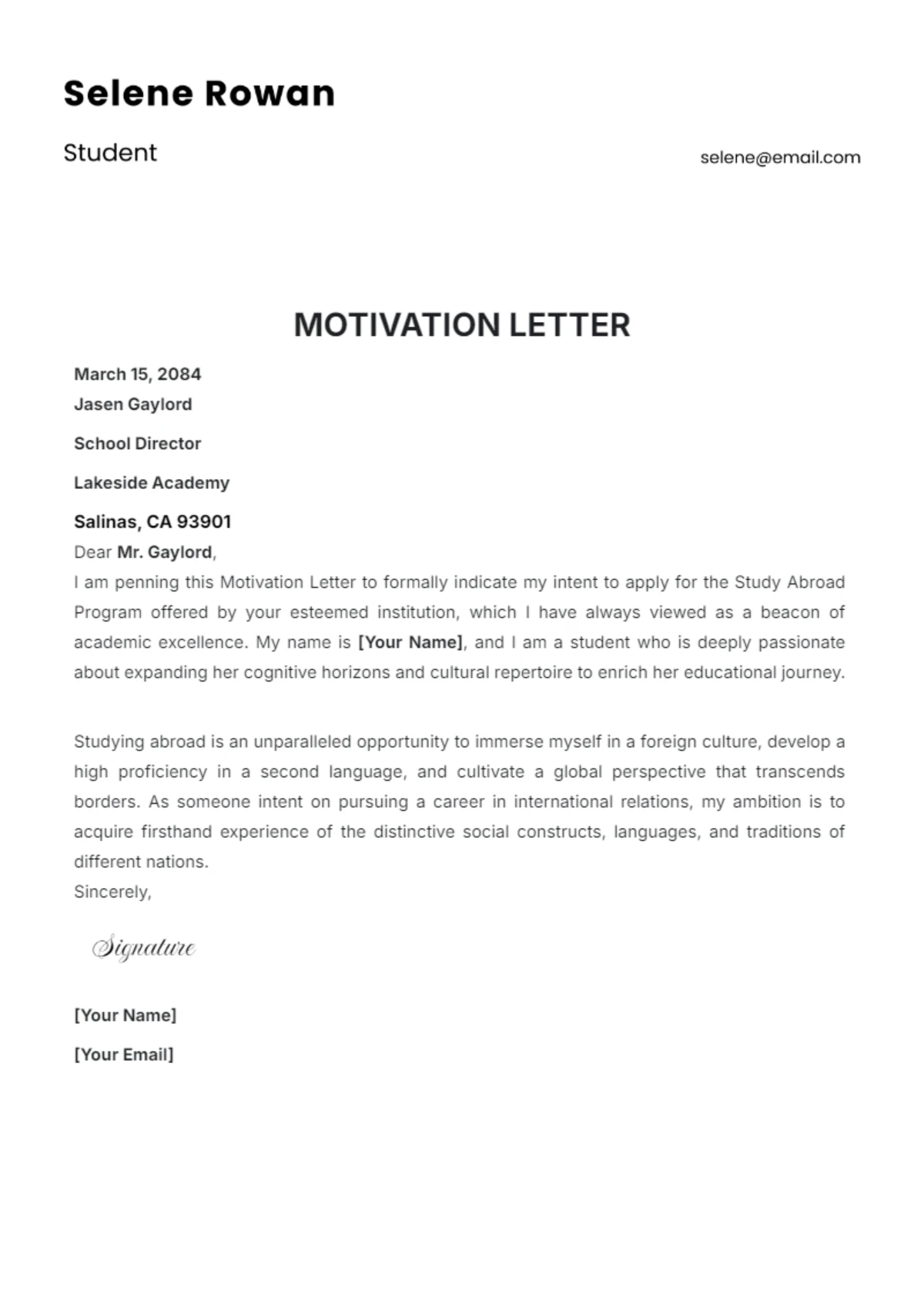
Are you applying for a job or a university program and wondering how to make your application stand out? One essential component that can make a significant difference is a well-crafted motivation letter. A motivation letter, also known as a statement of purpose, is a document where you can showcase your personality, goals, and reasons for applying.
In this comprehensive guide, we will delve into what a motivation letter is, why it is important, what to include, how to write one effectively, tips for success, and more.
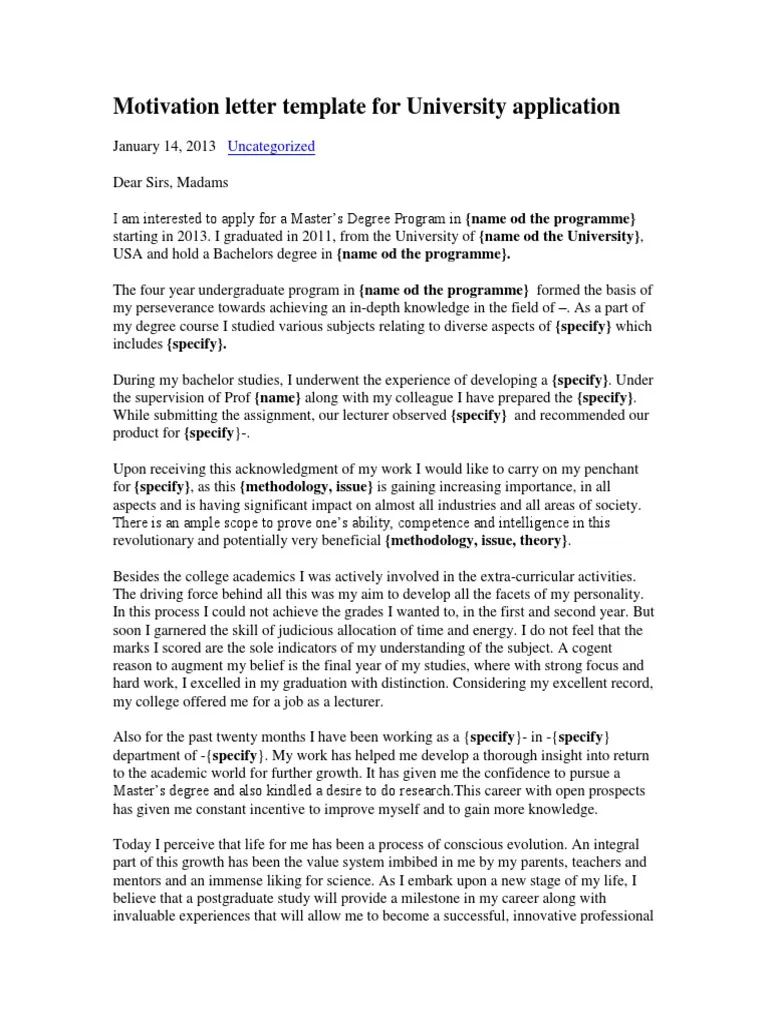
What is a Motivation Letter?
A motivation letter is a document that accompanies your resume or CV when applying for a job, internship, scholarship, or university program. It provides an opportunity for you to introduce yourself, explain why you are interested in the position or program, and highlight your qualifications and experiences that make you a suitable candidate.
Unlike a resume, which focuses on your skills and work experience, a motivation letter allows you to showcase your personality, passion, and motivation. It helps the reader understand who you are beyond your qualifications and gives insight into what drives you and why you are a good fit for the opportunity.
Why is a Motivation Letter Important?
A well-written motivation letter can set you apart from other applicants and leave a lasting impression on the reader. It allows you to personalize your application and demonstrate your enthusiasm and commitment to the opportunity. Employers and admissions committees often use motivation letters to assess your communication skills, motivation, and fit with the organization or program.
Additionally, a motivation letter gives you the chance to address any gaps or inconsistencies in your resume and provide context for your application. It can help you explain career changes, gaps in employment, or any other relevant information that may not be evident from your resume alone.
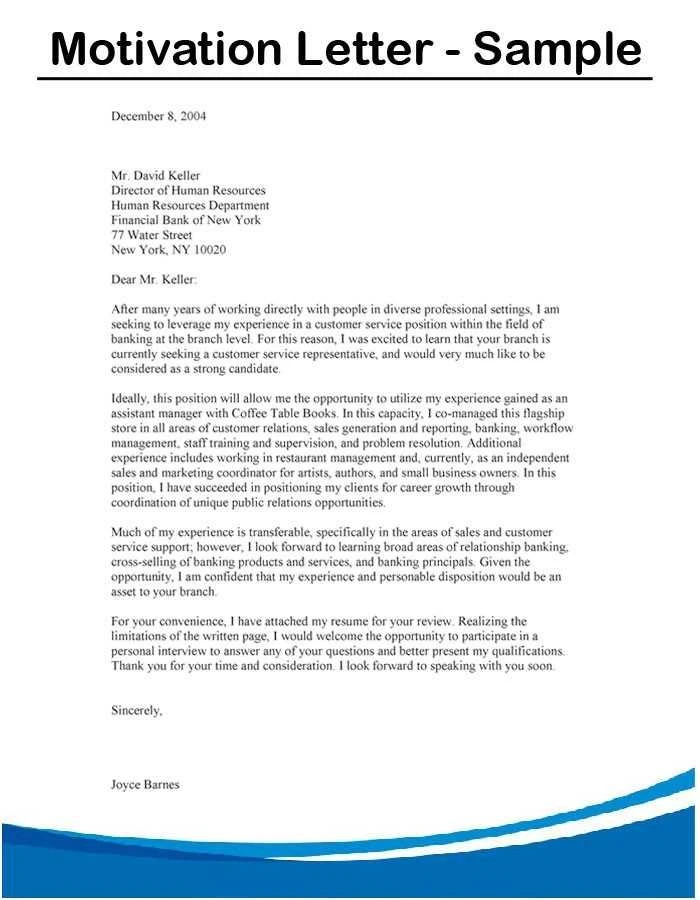
What to Include in a Motivation Letter
When writing a motivation letter, it is essential to include the following elements to make your application compelling and convincing:
- Introduction: Start by introducing yourself and stating the purpose of your letter.
- Why you are interested: Explain why you are interested in the opportunity and what motivates you.
- Your qualifications: Highlight your relevant qualifications, skills, and experiences that make you a strong candidate.
- Fit with the organization or program: Explain why you are a good fit for the position or program and how your values align with theirs.
- Your goals and aspirations: Share your career goals, aspirations, and how the opportunity aligns with them.
- Closing: End your letter with a strong closing statement expressing your enthusiasm and gratitude.
How to Write a Motivation Letter
Writing a compelling motivation letter requires careful thought, planning, and attention to detail. Here are some tips to help you craft an effective motivation letter:
- Research: Before you start writing, research the organization or program to understand its values, mission, and culture.
- Personalize: Tailor your letter to the specific opportunity and avoid using generic templates.
- Show, don’t tell: Use concrete examples and stories to support your claims and demonstrate your skills and qualities.
- Be concise: Keep your letter concise and to the point, focusing on the most relevant information.
- Proofread: Make sure to proofread your letter for errors in grammar, spelling, and punctuation.
- Seek feedback: Ask a friend, mentor, or career advisor to review your letter and provide feedback.
Tips for Success
Here are some additional tips to help you succeed in writing a compelling motivation letter:
- Start strong: Grab the reader’s attention from the beginning with a strong opening statement.
- Be authentic: Be genuine and sincere in your writing, and let your personality shine through.
- Focus on the reader: Tailor your letter to the reader’s needs and interests, addressing their concerns and requirements.
- Follow instructions: Pay attention to any specific guidelines or requirements provided by the employer or institution.
- Show enthusiasm: Express your enthusiasm and passion for the opportunity to convey your commitment and motivation.
Conclusion
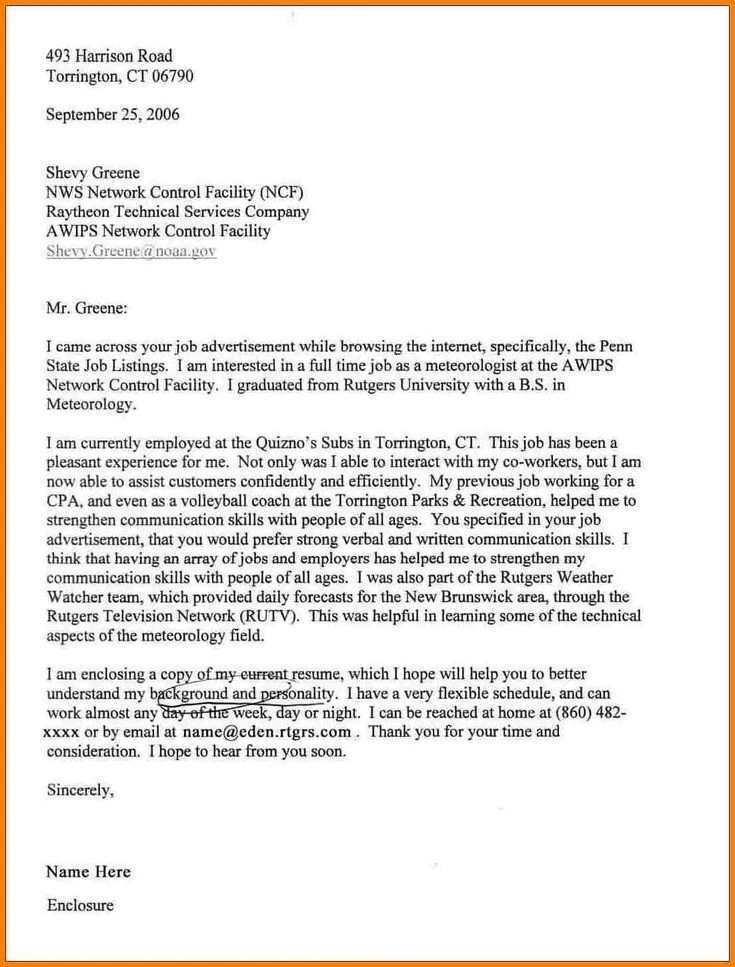
A well-crafted motivation letter can greatly enhance your job or university application and increase your chances of success. By following the guidelines in this guide, you can create a compelling, persuasive letter that effectively showcases your personality, goals, and qualifications.
Remember to personalize your letter, show enthusiasm, and highlight your unique strengths to make a lasting impression on the reader. Good luck with your application!
Motivation Letter Template – Word

- Attendance Tracker Template - October 15, 2026
- Free Printable Attendance Sheet Template - October 15, 2026
- Asset Purchase Agreement Template - October 15, 2026
