Have you ever heard of a KWL chart but weren’t quite sure what it was or how to use it? You’re not alone! KWL charts are a powerful tool that can help students organize their thoughts and enhance their learning experience.
In this comprehensive guide, we will delve into the world of KWL charts, exploring what they are, why they are beneficial, what to include in a KWL chart, how to create one, and tips for maximizing their effectiveness. By the end of this article, you will have a solid understanding of KWL charts and be ready to incorporate them into your own educational endeavors.
What is a KWL Chart?
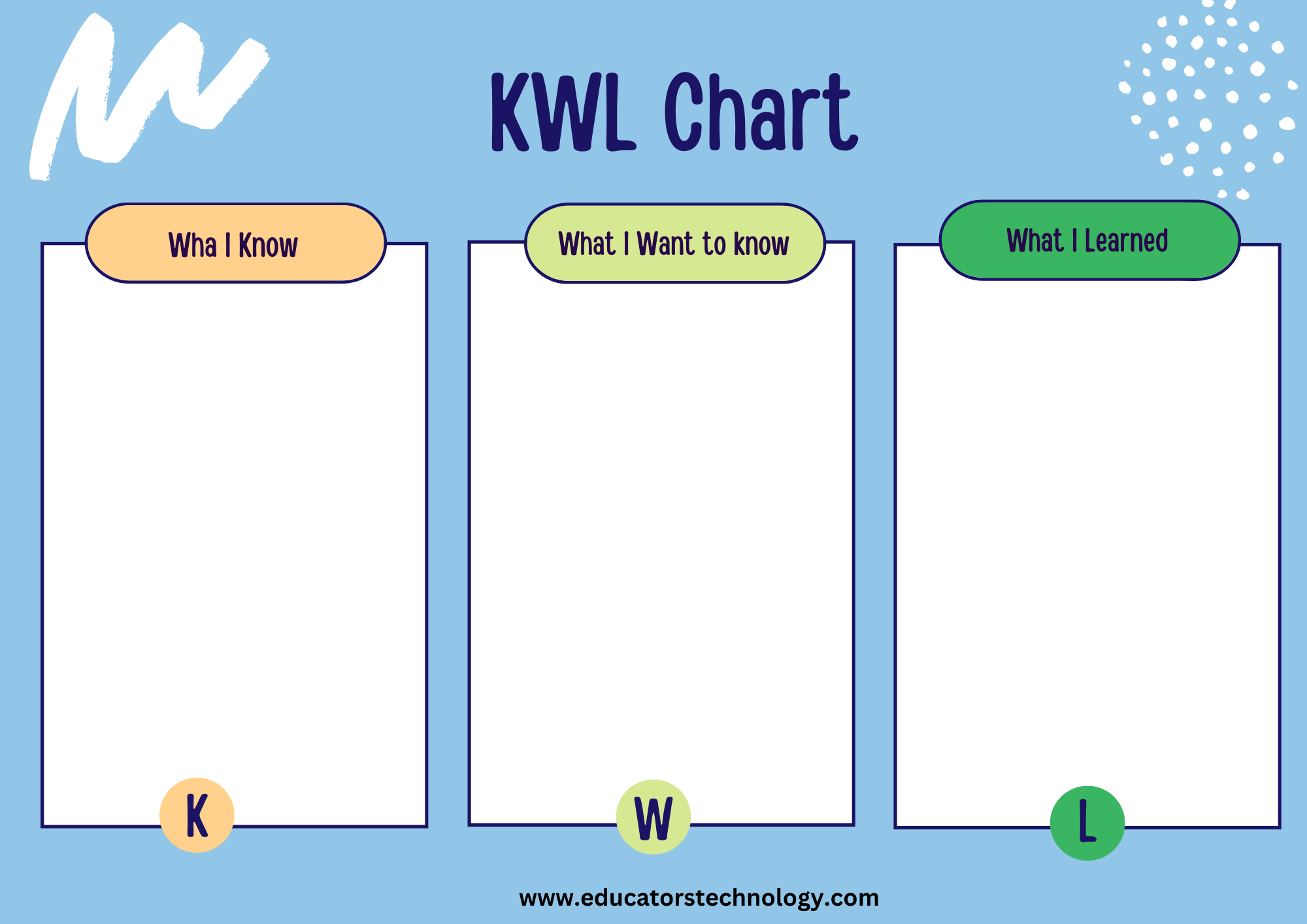
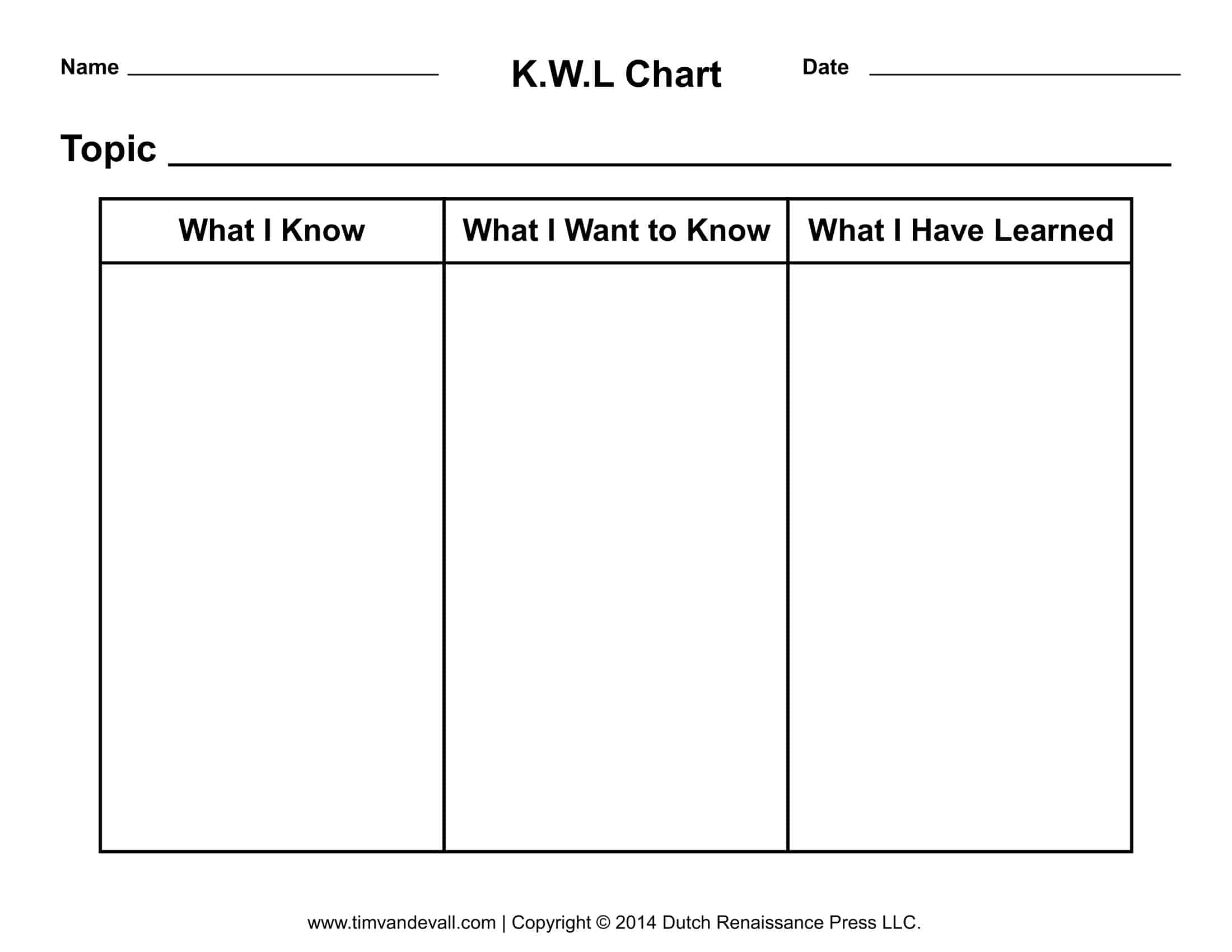
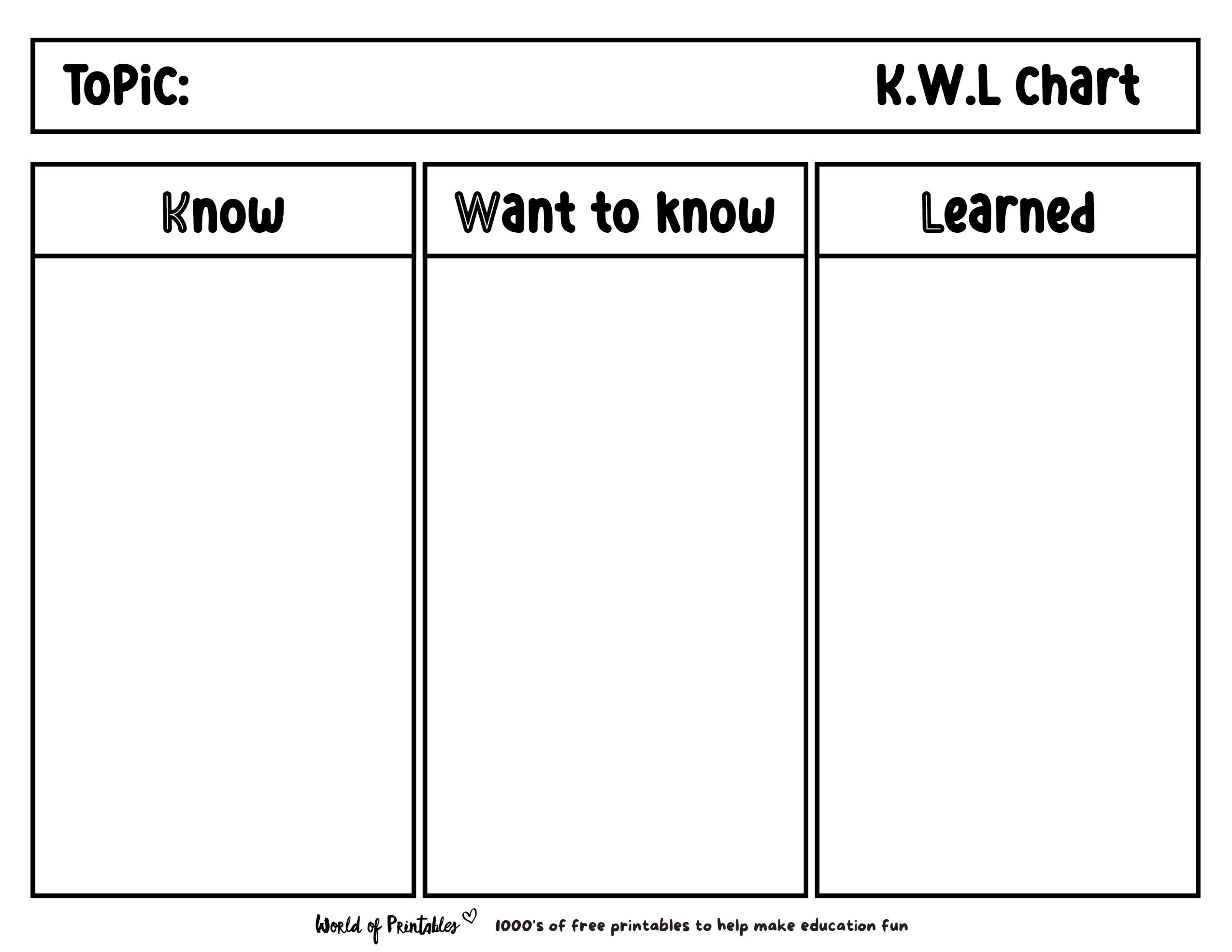
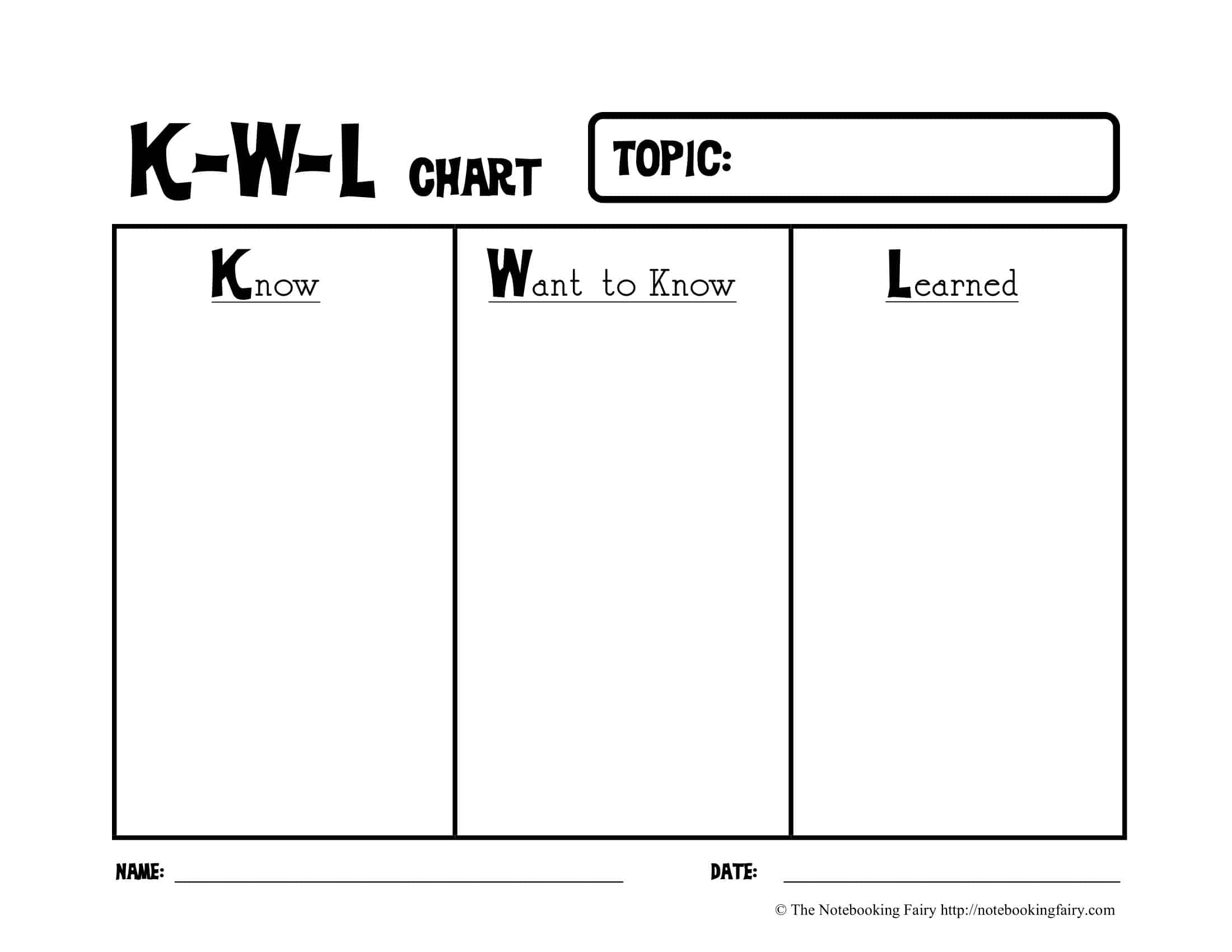
A KWL chart is a graphic organizer that helps students activate their prior knowledge, set learning goals, and reflect on what they have learned. The acronym KWL stands for “Know,” “Want to know,” and “Learned.” This chart is typically divided into three columns, with students filling in their existing knowledge about a topic in the “Know” column, questions they have about the topic in the “Want to know” column, and information they have acquired in the “Learned” column.
KWL charts are commonly used in classrooms to introduce new concepts, guide research projects, and assess student understanding. By engaging students in the learning process and encouraging them to think critically about a topic, KWL charts promote active learning and help students become more independent learners.
Why Use a KWL Chart?
KWL charts offer numerous benefits for both students and teachers. Here are some reasons why you should consider incorporating KWL charts into your educational practices:
- Activates Prior Knowledge: KWL charts help students connect new information to what they already know, creating a foundation for learning.
- Encourages Inquiry: The “Want to know” column prompts students to ask questions and seek out answers, fostering curiosity and critical thinking skills.
- Organizes Information: KWL charts provide a structured framework for students to organize and synthesize information, improving retention and comprehension.
- Assesses Learning: By completing the “Learned” column, students can self-assess their understanding of a topic and identify areas for further study.
- Promotes Reflection: Reflecting on what they have learned in the “Learned” column helps students solidify their knowledge and make connections between new and existing information.
What to Include in a KWL Chart
When creating a KWL chart, it’s important to include the following elements to maximize its effectiveness:
- Know: In this column, students should write down what they already know about the topic. This can include facts, definitions, personal experiences, or opinions.
- Want to know: This column is where students list questions they have about the topic. Encourage students to think critically and generate inquiries that will guide their learning.
- Learned: As students gather information and learn more about the topic, they should record their new knowledge in this column. This can include key facts, insights, or discoveries.
By including these components in a KWL chart, students can engage in a comprehensive exploration of a topic, from initial thoughts and inquiries to new discoveries and insights.
Examples
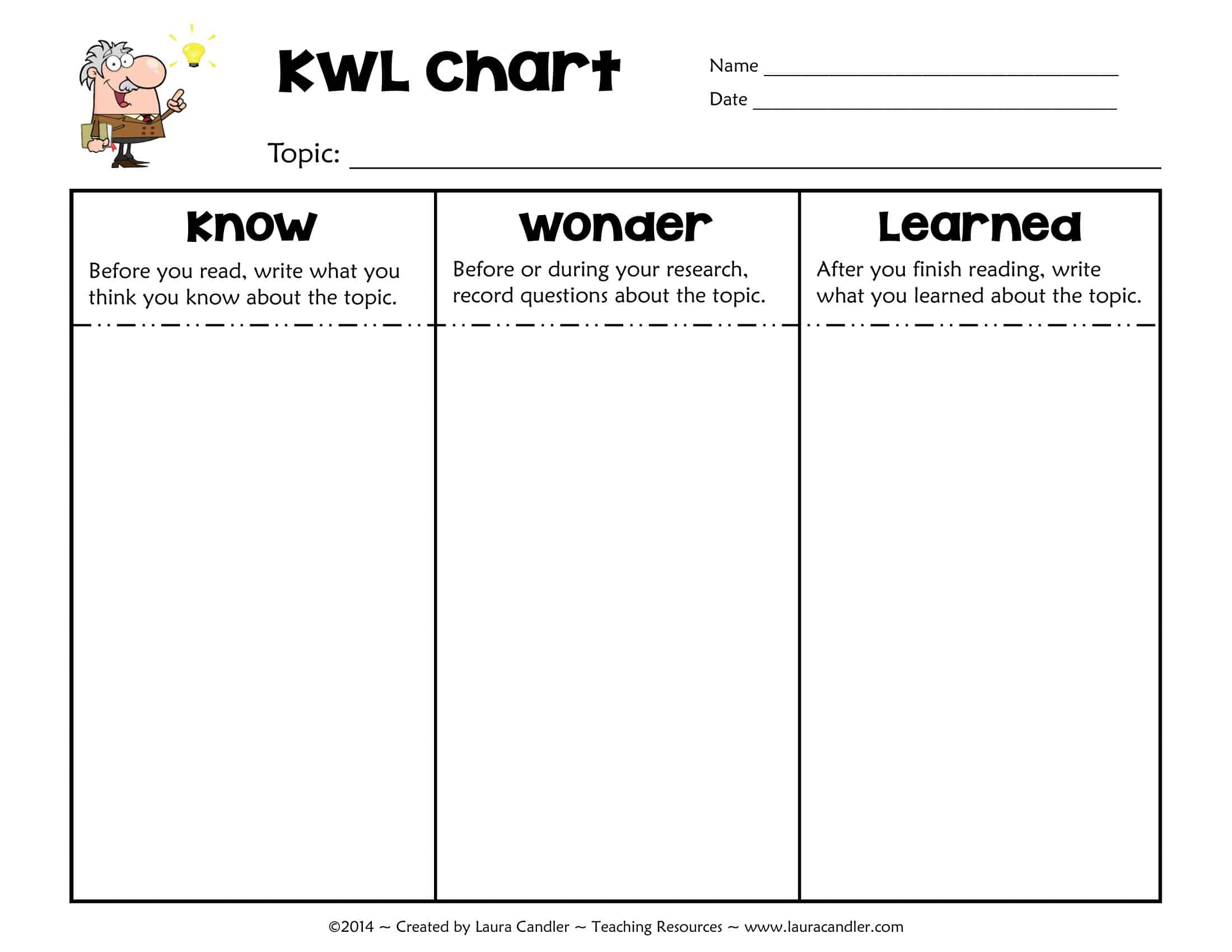
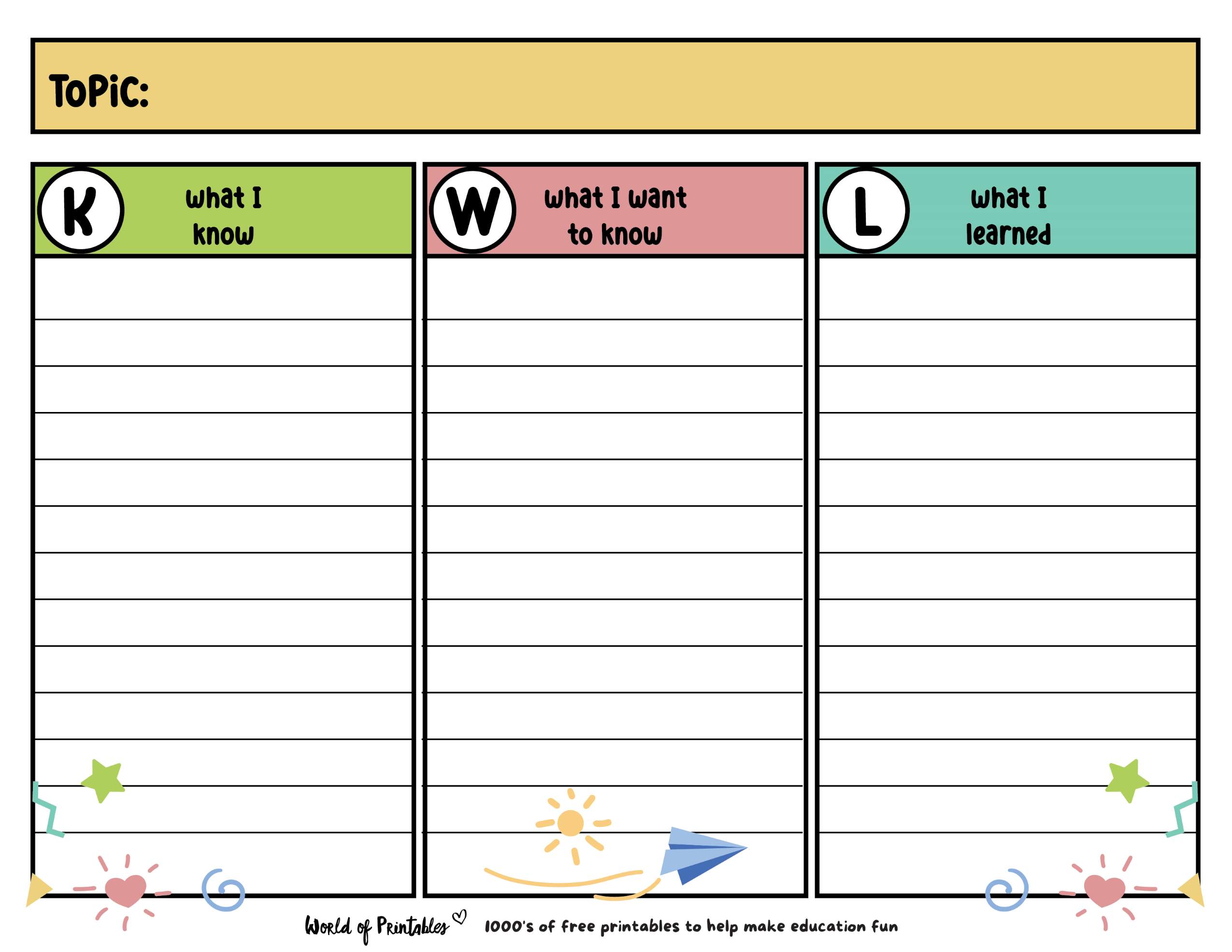
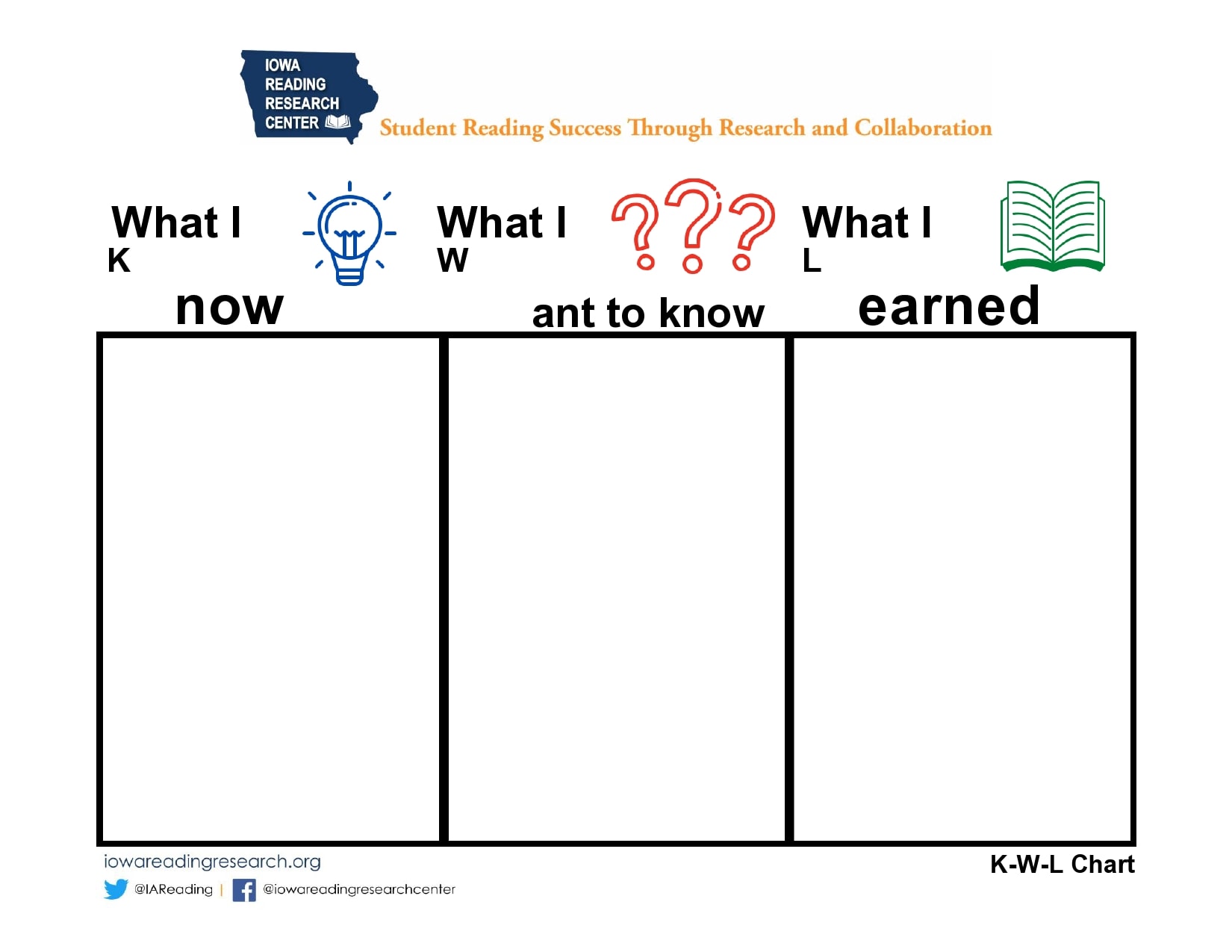
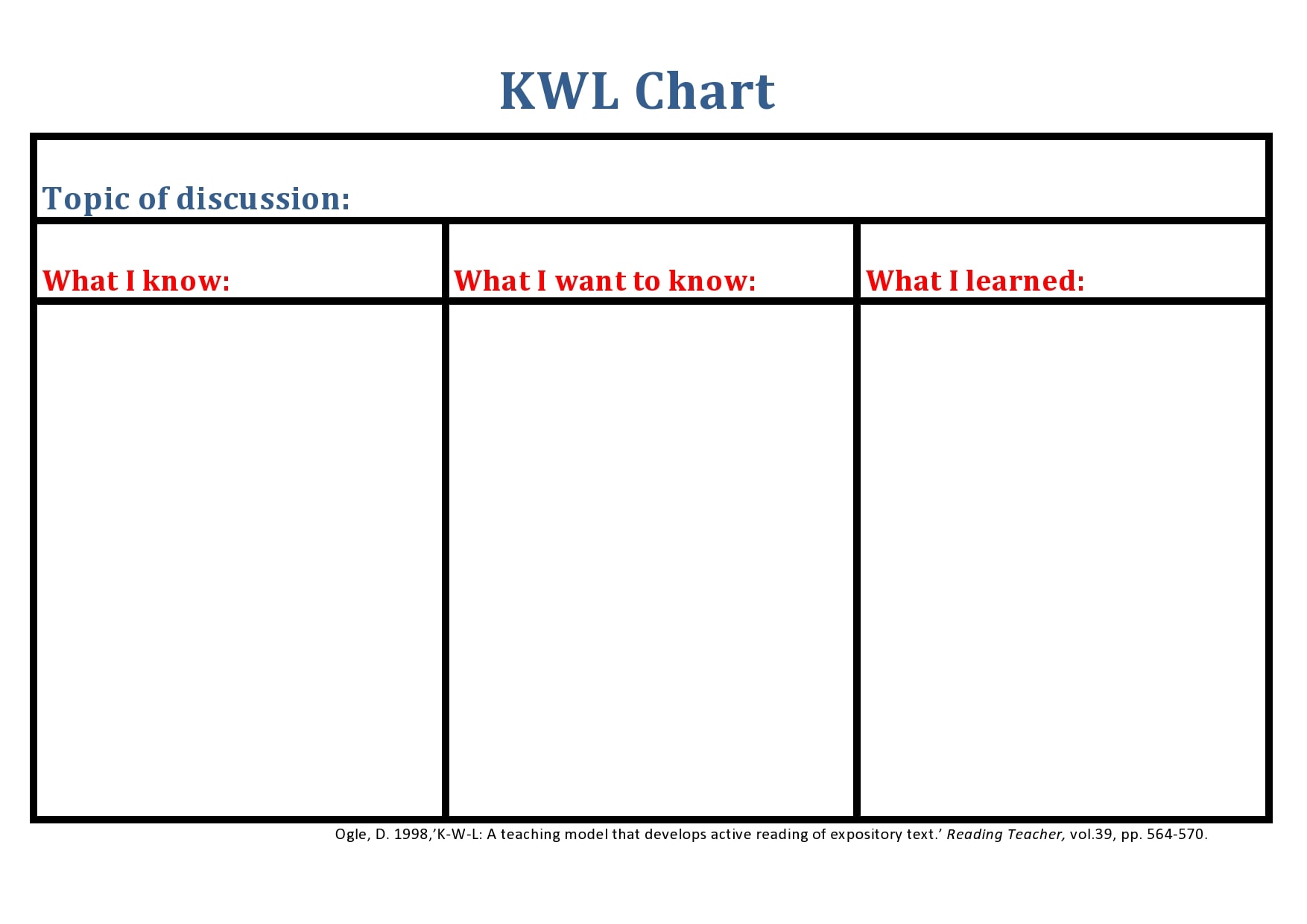
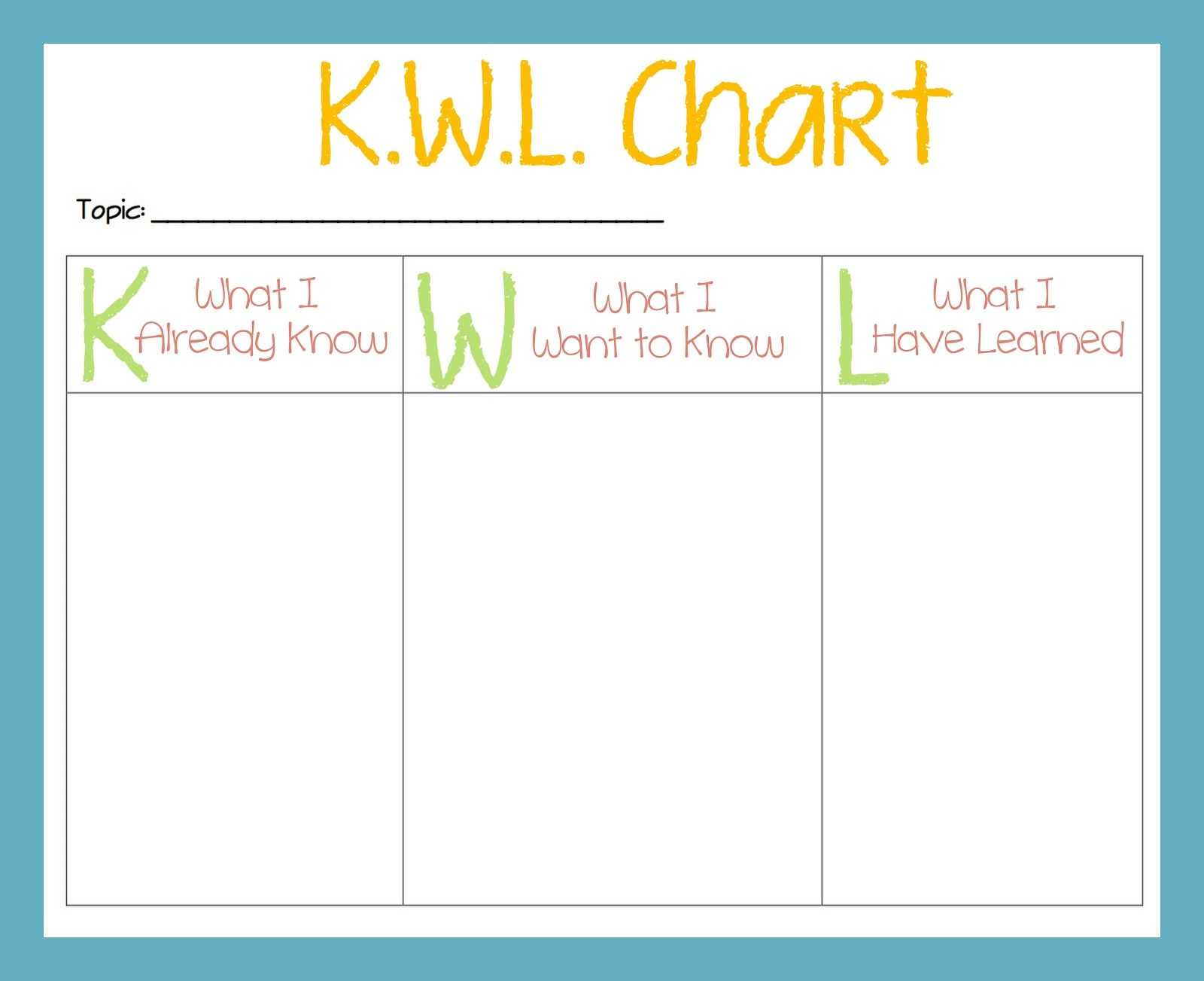
How to Create a KWL Chart
Creating a KWL chart is a straightforward process that can be adapted to suit various learning objectives and styles. Here’s a simple guide to creating a KWL chart:
- Draw three columns on a piece of paper or create a digital version using a word processor or graphic design tool.
- Title the columns “Know,” “Want to know,” and “Learned.”
- In the “Know” column, write down what you already know about the topic.
- In the “Want to know” column, list questions you have about the topic.
- As you research and learn more about the topic, fill in the “Learned” column with new information.
- Reflect on your learning and consider how your initial knowledge and questions have evolved.
Whether used individually or collaboratively, KWL charts can help students engage with the learning process in a meaningful and structured way.
Tips for Maximizing KWL Chart Effectiveness
To make the most of KWL charts in your educational endeavors, consider the following tips:
- Use Color Coding: Assign different colors to each column to visually distinguish between existing knowledge, questions, and new information.
- Update Regularly: Encourage students to revisit and update their KWL charts as they progress through a unit of study, noting changes in their knowledge and understanding.
- Encourage Collaboration: Have students work in pairs or small groups to complete KWL charts, fostering discussion and peer learning.
- Integrate Technology: Explore digital tools and platforms that allow for interactive and multimedia-enhanced KWL chart creation.
- Extend Beyond the Classroom: Encourage students to use KWL charts for personal learning projects or research endeavors outside of school.
By implementing these strategies, you can enhance the effectiveness of KWL charts and promote deeper engagement with the learning process.
KWL Chart Template – Download

- Printable Wedding Guest List Template - October 1, 2026
- Free Printable Trip Schedule Template - October 1, 2026
- Free Printable Table Card Template - October 1, 2026
