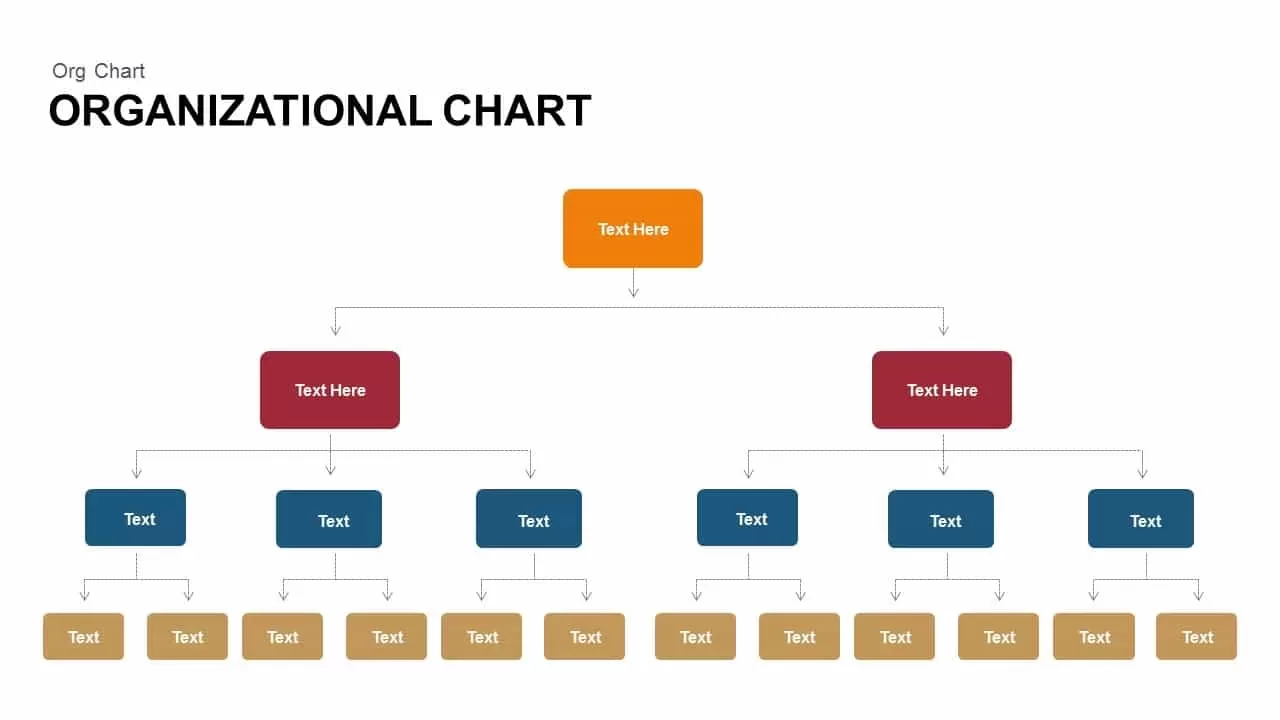
What is an Organization Chart?
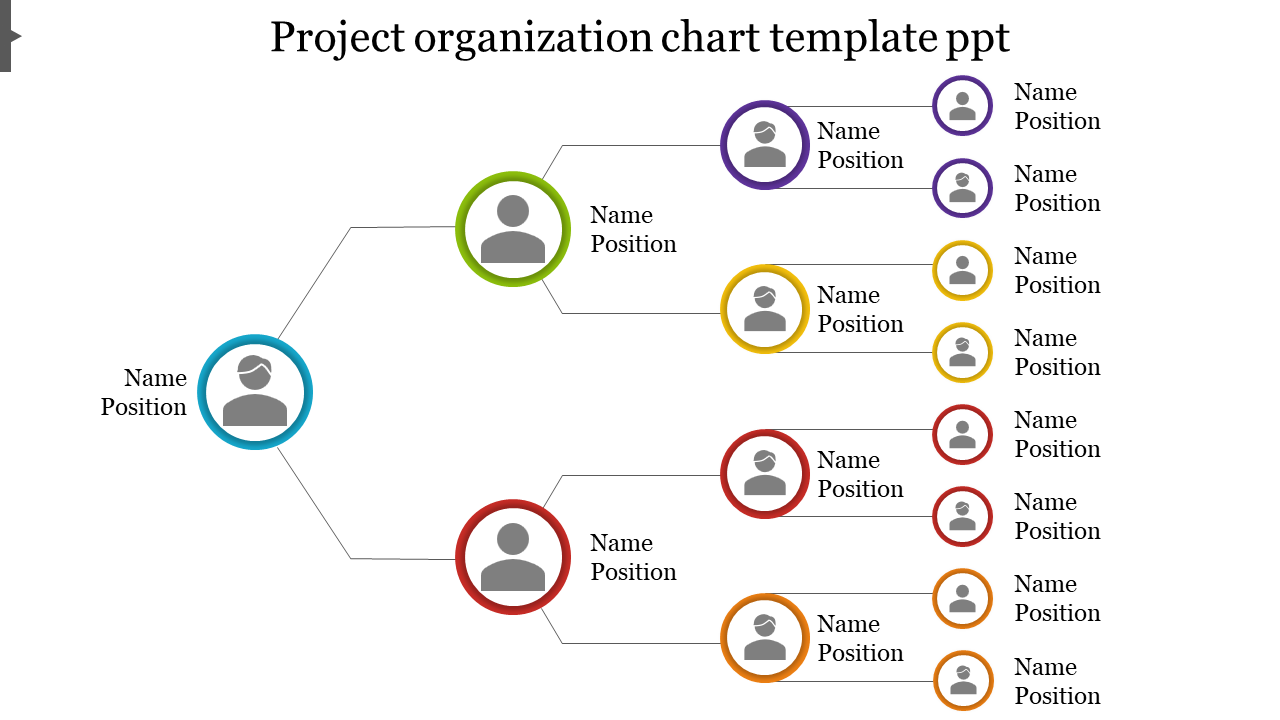
An organization chart, also known as an org chart or organizational chart, is a visual representation of the hierarchy and structure of an organization. It outlines the relationships and relative ranks of its parts and positions or jobs. This diagram typically displays the reporting relationships and chain of command within the organization, showing how different departments, teams, and individuals are interconnected.
Why are Organization Charts Important?
Organization charts play a crucial role in providing clarity and transparency within an organization. Here are some of the key reasons why organization charts are important:
- Clarity: Organization charts help employees understand their roles, responsibilities, and reporting lines within the organization.
- Communication: They facilitate effective communication by showing how information flows through different levels of the organization.
- Decision-making: Organization charts aid in decision-making processes by defining authority and accountability.
- Resource allocation: They assist in resource allocation by illustrating the structure of the organization and the distribution of resources.
- Succession planning: Organization charts can be used for succession planning by identifying potential leaders and key positions within the organization.
What to Include in an Organization Chart?
When creating an organization chart, it is essential to include the following key elements:
- Positions or roles: Clearly define each position or role within the organization.
- Names and titles: Include the names and titles of individuals holding each position or role.
- Reporting relationships: Show the reporting relationships between different positions or roles.
- Departmental structure: Display the departmental structure and how different departments are interconnected.
- Levels of hierarchy: Represent the levels of hierarchy within the organization from top management to frontline employees.
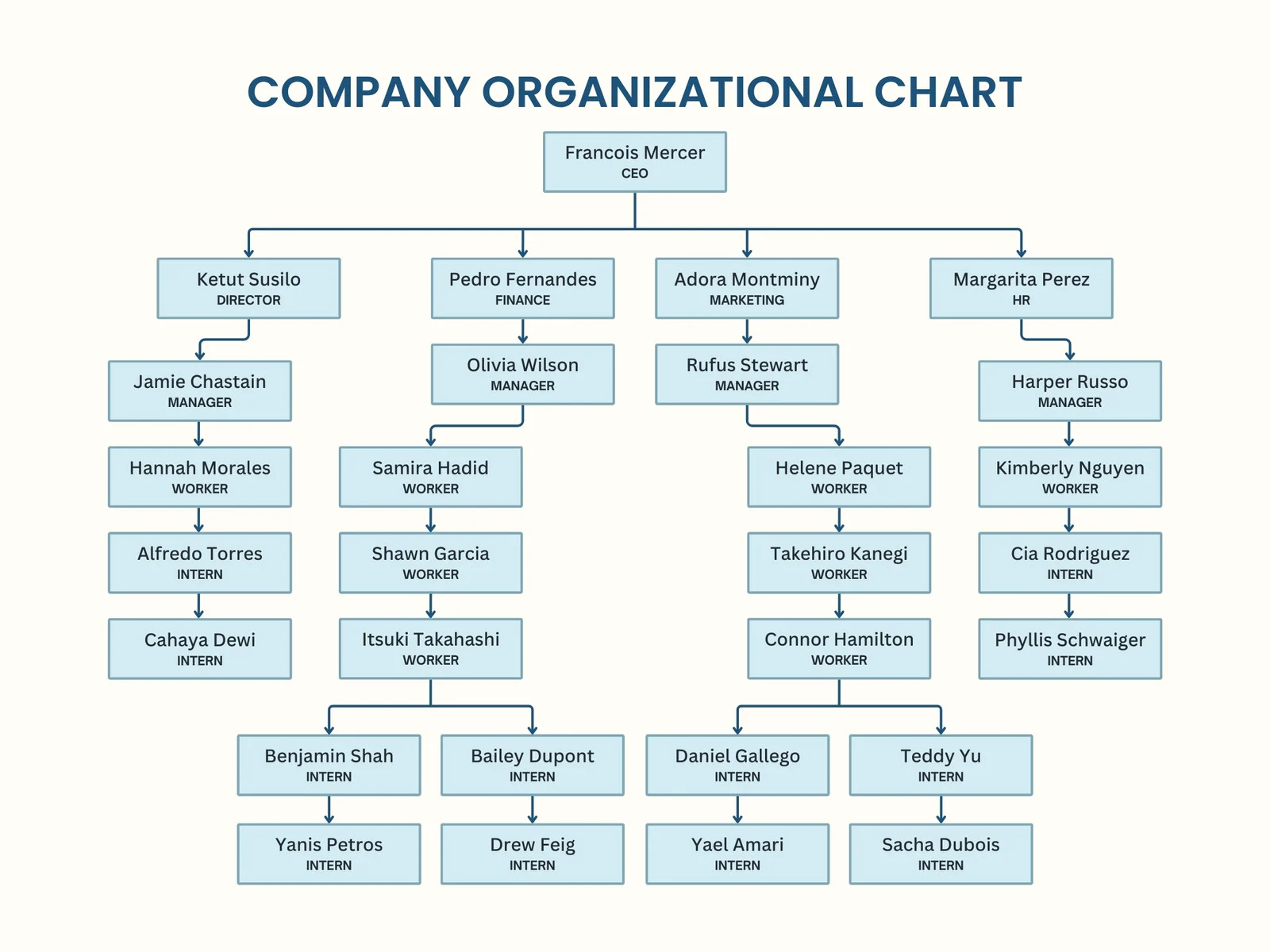
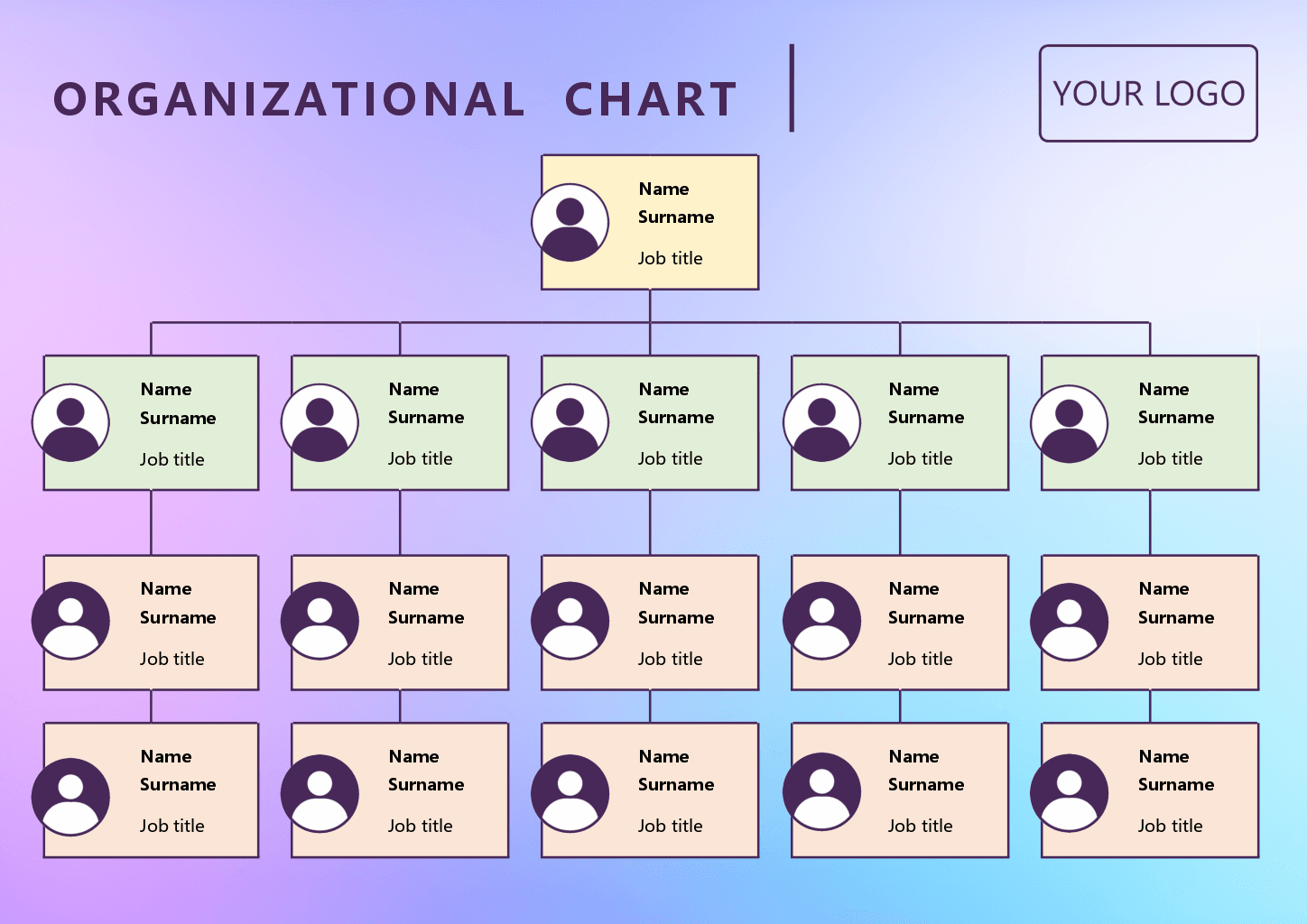
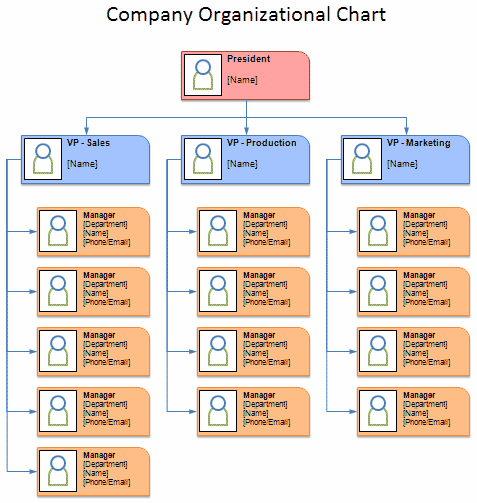
How to Create an Effective Organization Chart?
Creating an effective organization chart requires careful planning and consideration. Here are some tips for successfully creating an organization chart:
- Define the purpose: Clearly define the purpose and objectives of the organization chart before creating it.
- Consult stakeholders: Involve key stakeholders in the process to ensure that the organization chart accurately reflects the structure of the organization.
- Use appropriate software: Utilize specialized software or online tools to create a professional-looking organization chart.
- Regularly update: Keep the organization chart up to date by regularly updating it to reflect any changes in the organization’s structure.
- Share with employees: Share the organization chart with employees to improve transparency and help them understand the organization’s structure.
Tips for Successful Implementation of Organization Charts
Implementing organization charts effectively can have a significant impact on the overall success of an organization. Here are some tips for successful implementation:
- Train employees: Provide training to employees on how to read and interpret the organization chart.
- Align with strategy: Ensure that the organization chart aligns with the strategic goals and objectives of the organization.
- Solicit feedback: Gather feedback from employees on the organization chart to identify areas for improvement.
- Use for decision-making: Utilize the organization chart as a tool for making informed decisions and improving organizational efficiency.
- Regularly review: Regularly review and update the organization chart to reflect any changes in the organization’s structure or hierarchy.

- Wedding Invitation Wording Template - September 27, 2026
- Free Printable Vacation Planner Template - September 27, 2026
- Free Printable Slumber Party Invitation Template - September 27, 2026
