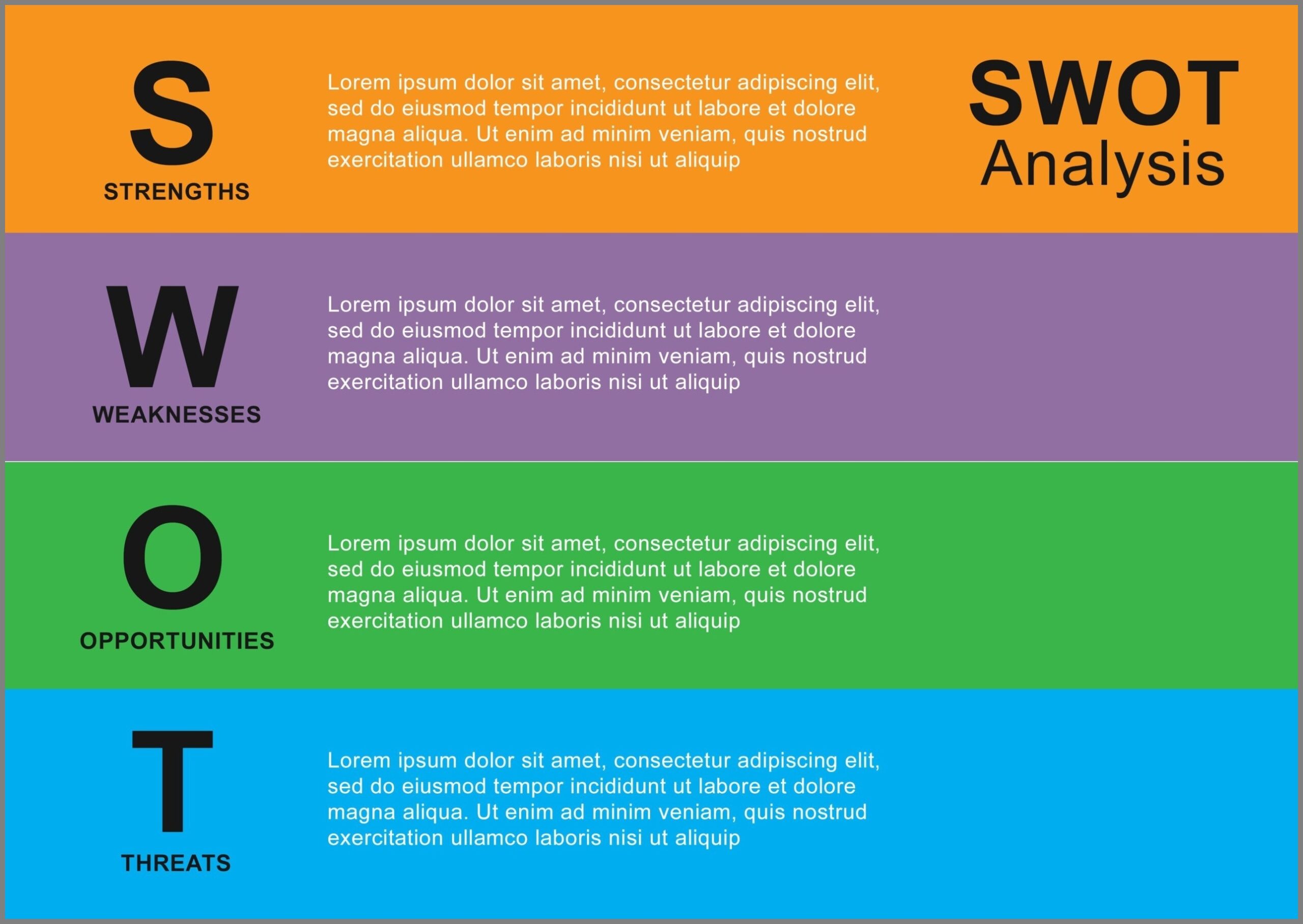
SWOT analysis is a useful tool for businesses and individuals alike, allowing them to assess their strengths, weaknesses, opportunities, and threats. By creating a SWOT chart, you can gain valuable insights into your current situation and make informed decisions to achieve your goals.
In this comprehensive guide, we will explore the key elements of a SWOT chart, why it is important, how to create one, and tips for successful implementation.
What is a SWOT Chart?
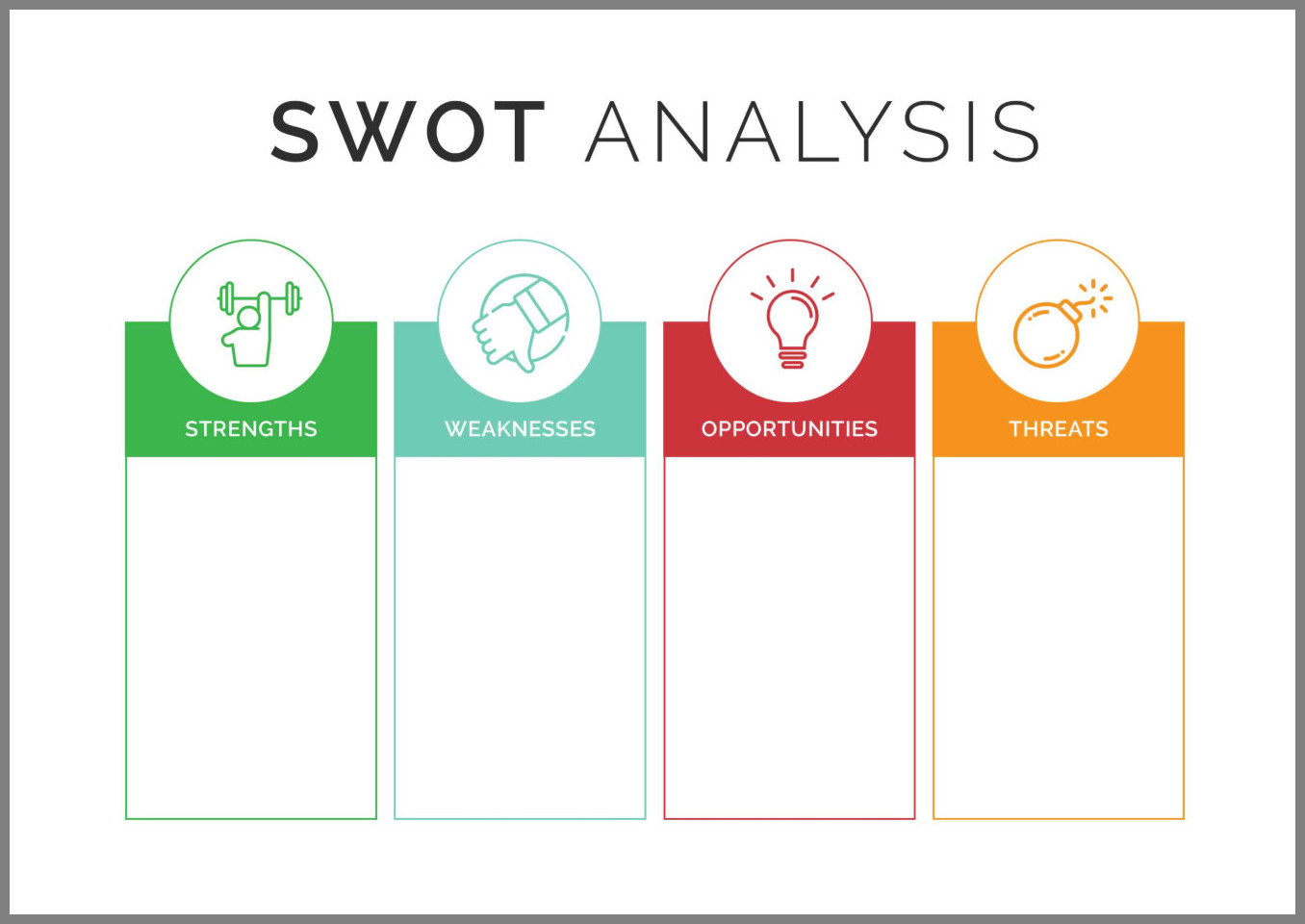
A SWOT chart is a strategic planning tool that helps you identify and analyze your strengths, weaknesses, opportunities, and threats. By visually representing these four key aspects in a matrix format, you can easily see how they relate to each other and determine the best course of action. The goal of a SWOT chart is to leverage your strengths and opportunities while addressing your weaknesses and threats to achieve your objectives.
Why Use a SWOT Chart?
There are several reasons why using a SWOT chart can be beneficial for individuals and organizations:
- Strategic Planning: A SWOT chart provides a structured approach to strategic planning, helping you assess your current position and develop a clear action plan.
- Decision Making: By analyzing your strengths, weaknesses, opportunities, and threats, you can make informed decisions that align with your goals and objectives.
- Risk Management: Identifying potential threats and weaknesses allows you to proactively manage risks and mitigate potential challenges.
- Goal Setting: A SWOT chart can help you set realistic goals by considering both internal and external factors that may impact your success.
Key Elements of a SWOT Chart
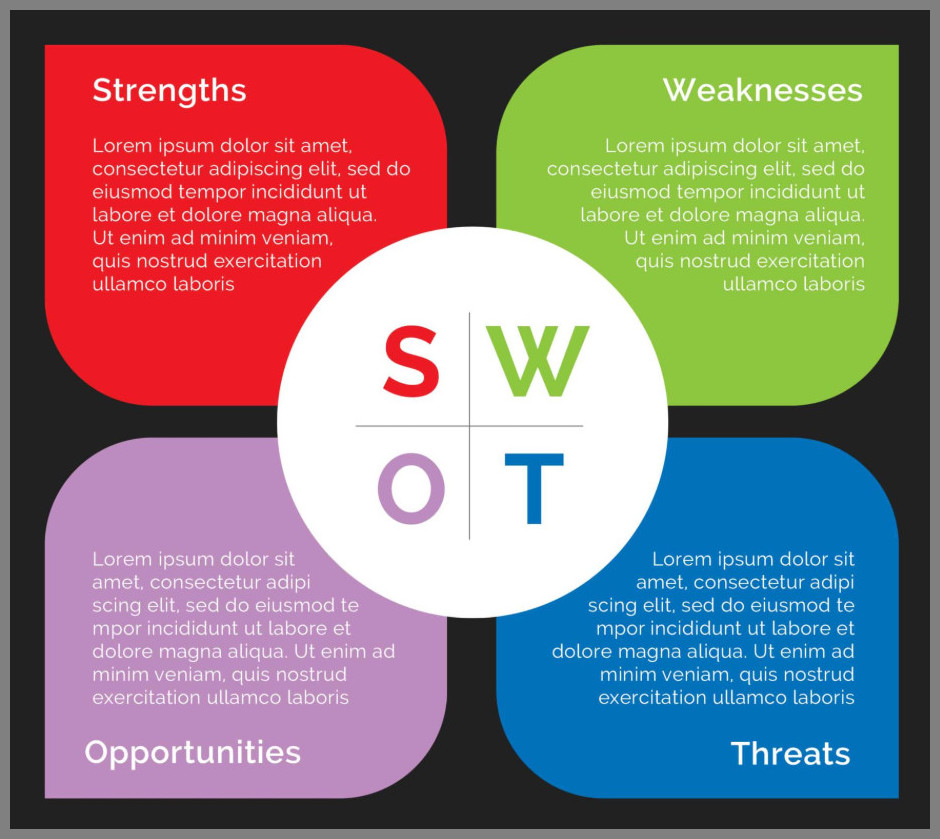
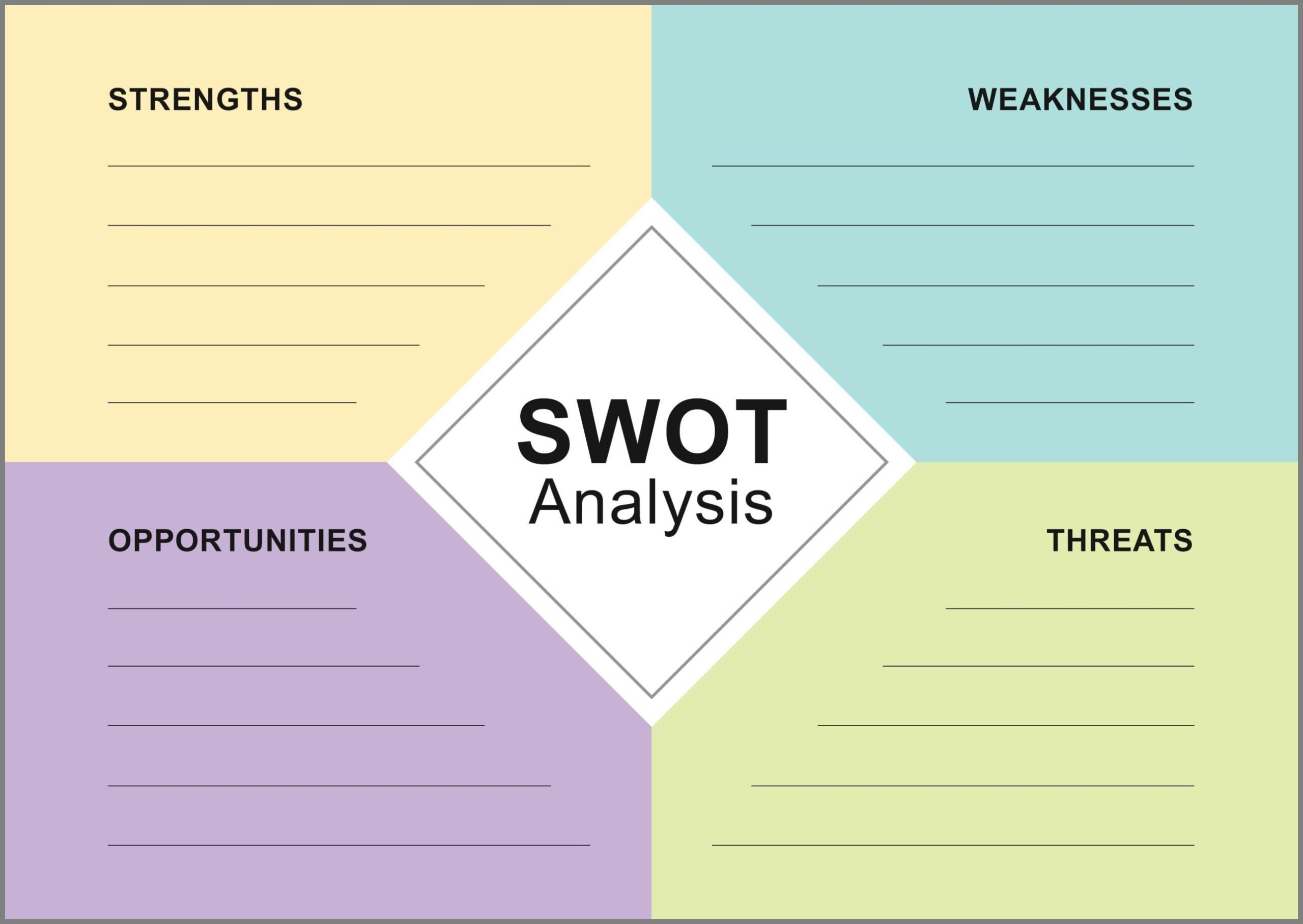
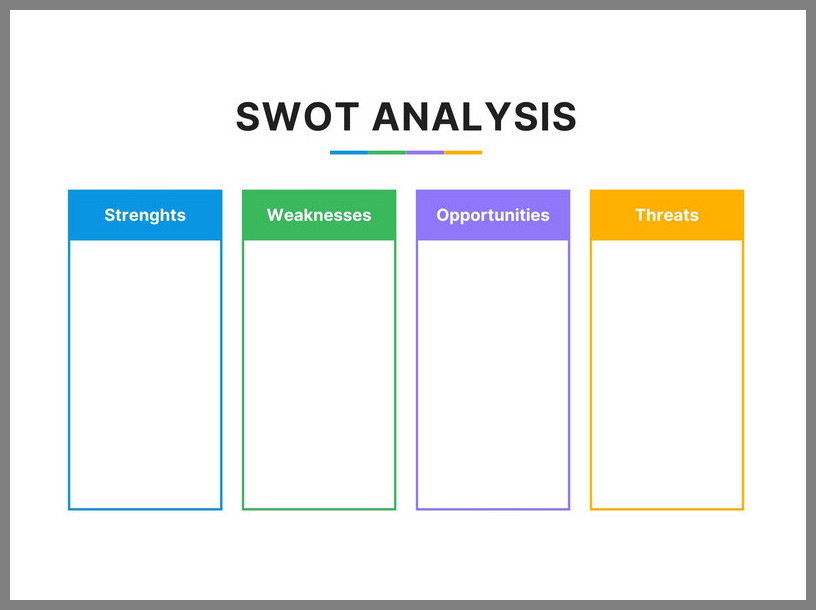
A SWOT chart typically consists of four quadrants, each representing a different aspect of the analysis:
- Strengths: Internal factors that give you a competitive advantage or unique selling proposition.
- Weaknesses: Internal factors that may hinder your progress or pose challenges to your success.
- Opportunities: External factors that you can leverage to achieve your goals and objectives.
- Threats: External factors that may pose risks or obstacles to your success.
By identifying these key elements and analyzing their relationships, you can develop strategies to capitalize on your strengths and opportunities while addressing your weaknesses and threats.
Examples
How to Create a SWOT Chart
Creating a SWOT chart involves the following steps:
1. Conduct a SWOT Analysis:
Begin by identifying your strengths, weaknesses, opportunities, and threats through research, interviews, and data analysis.
2. Populate the Quadrants:
Fill in each quadrant of the SWOT chart with the relevant information, ensuring that you capture all key elements accurately.
3. Analyze the Relationships:
Look for patterns and relationships between the different elements to identify strategic insights and potential action steps.
4. Develop Strategies:
Based on your analysis, develop strategies and action plans to capitalize on your strengths and opportunities while addressing your weaknesses and threats.
5. Monitor and Review:
Regularly review and update your SWOT chart to ensure that it remains relevant and reflective of your current situation.
Tips for Successful SWOT Analysis
Here are some tips to help you make the most of your SWOT analysis:
- Be Honest: Objectively assess your strengths and weaknesses to ensure an accurate analysis.
- Focus on Action: Use the insights from your SWOT chart to develop actionable strategies and plans.
- Involve Stakeholders: Engage key stakeholders in the SWOT analysis process to gain diverse perspectives.
- Stay Flexible: Adapt your strategies based on changing circumstances and new information.
- Seek Feedback: Regularly seek feedback and input from others to validate your analysis and decisions.
By following these tips and guidelines, you can harness the power of a SWOT chart to drive strategic decision-making, achieve your goals, and navigate challenges effectively.
SWOT Chart Template – Download

- Bank Letter For Direct Deposit Template - October 20, 2026
- Bank Direct Deposit Form Template - October 20, 2026
- Background Check Authorization Form - October 20, 2026
