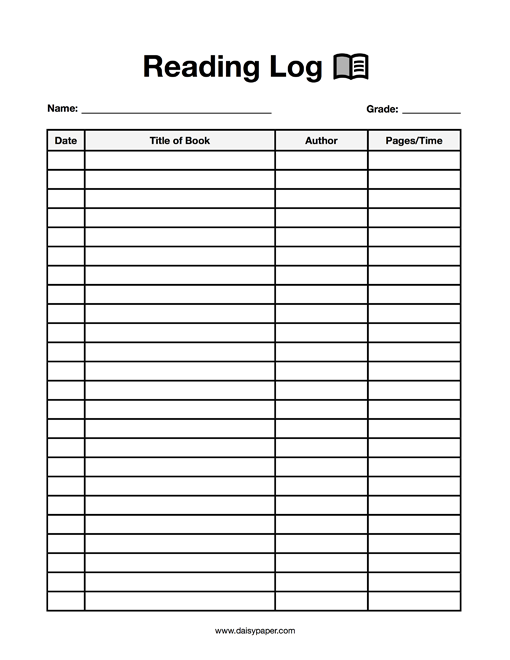
Have you ever wanted to keep track of the books you’ve read, but struggled to remember all the details? A reading log might just be the perfect solution for you. In this comprehensive guide, we will explore what reading logs are, why they are beneficial, what to include in a reading log, how to create one, and tips for successful logging. So, grab your favorite book and let’s dive in!
What is a Reading Log?
A reading log is a tool used to track your reading progress. It can include information such as the title of the book, author, genre, date started and finished, and your thoughts or reflections on the book. Reading logs can be kept in various formats, including physical notebooks, digital spreadsheets, or online platforms.
Why Keep a Reading Log?
There are several benefits to keeping a reading log. Firstly, it helps you keep track of the books you’ve read, allowing you to easily reference them in the future. It also helps you set reading goals and track your progress towards them. Additionally, keeping a reading log can improve your reading comprehension and retention by encouraging you to actively engage with the material.
What to Include in a Reading Log
When creating a reading log, consider including the following information:
- Title of the book: Include the full title of the book you are reading.
- Author: Note the name of the author for reference.
- Genre: Specify the genre of the book, such as fiction, non-fiction, mystery, etc.
- Date started and finished: Record the dates you began and completed reading the book.
- Thoughts/reflections: Write down your thoughts, reactions, or reflections on the book.
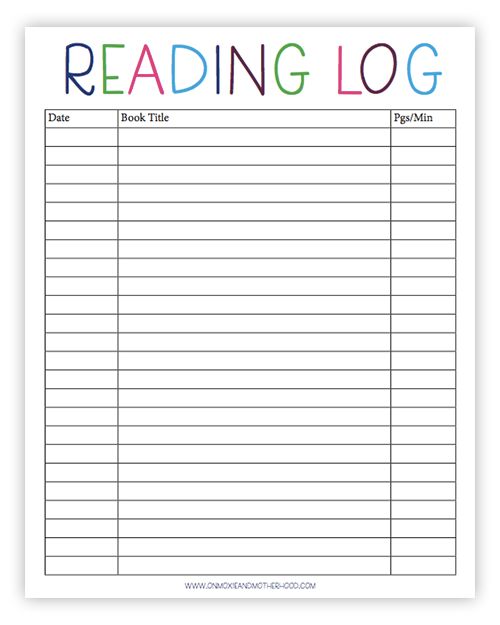
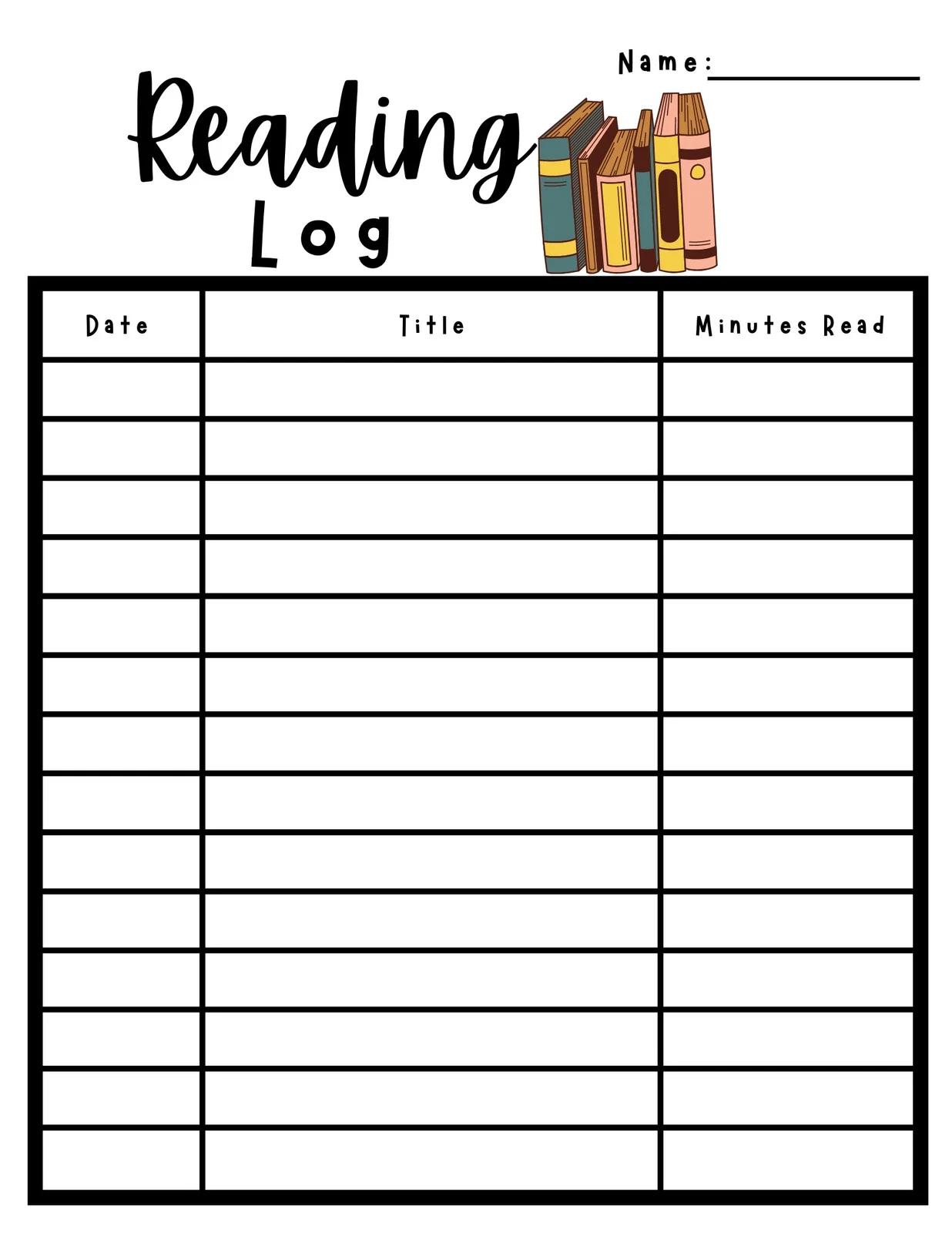
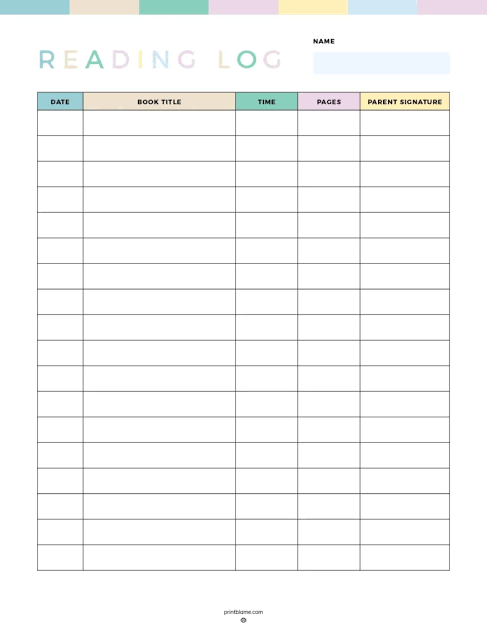
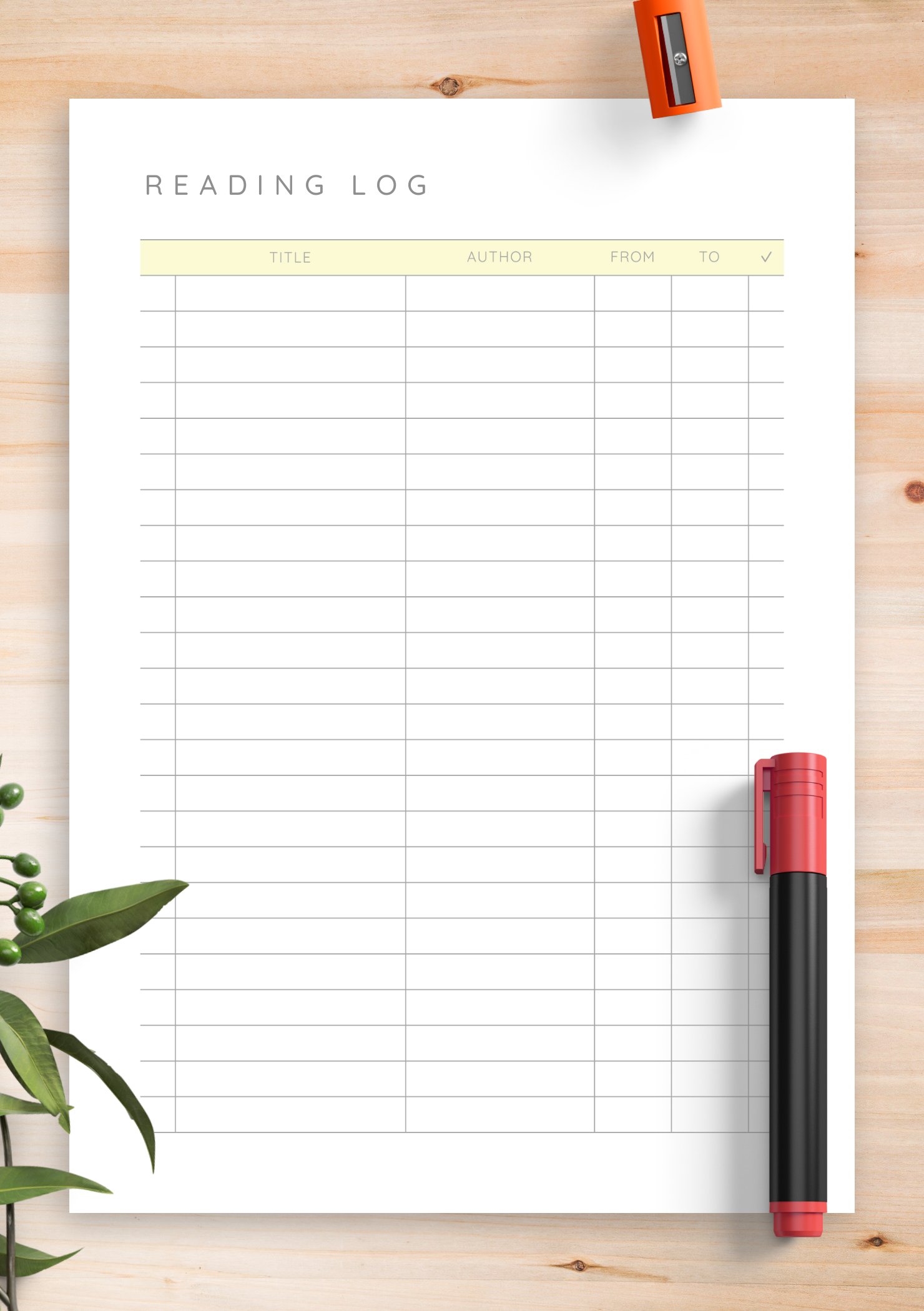
How to Create a Reading Log
Creating a reading log is easy and can be customized to suit your preferences. Here are some steps to help you get started:
1. Choose a format:
Determine whether you want to keep a physical notebook, use a digital spreadsheet, or utilize an online reading log platform.
2. Decide on categories:
Decide what information you want to include in your reading log, such as title, author, genre, etc.
3. Set up your log:
Create a template or layout for your reading log, including space for each category you’ve chosen.
4. Start logging:
Begin filling in your reading log with details of the books you read, making sure to update it regularly.
5. Reflect and adapt:
Periodically review your reading log, reflect on your reading habits, and make any necessary adjustments to improve your logging experience.
Tips for Successful Reading Logs
Here are some tips to help you make the most out of your reading log:
- Consistency is key: Make it a habit to update your reading log regularly to ensure accuracy.
- Be specific: Include detailed information about each book to enhance the value of your log.
- Use it as a tool: Utilize your reading log to set goals, track your progress, and improve your reading habits.
- Experiment with formats: Don’t be afraid to try different formats or layouts until you find what works best for you.
- Have fun with it: Treat your reading log as a personal project and enjoy the process of documenting your reading journey.
By following these guidelines and tips, you’ll be well on your way to creating a comprehensive reading log that enhances your reading experience and helps you stay organized and motivated. Happy reading!

- Wedding Invitation Wording Template - September 27, 2026
- Free Printable Vacation Planner Template - September 27, 2026
- Free Printable Slumber Party Invitation Template - September 27, 2026
