Freelancing has become an increasingly popular way to work in today’s digital economy. With the freedom to choose your projects and clients, freelancers can enjoy a flexible schedule and the ability to work from anywhere in the world.
However, the lack of a formal agreement between freelancers and their clients can sometimes lead to misunderstandings, disputes, and even non-payment. This is where a freelance contract comes in, serving as a legally binding agreement that protects both parties involved.
In this article, we will explore the key elements of a freelance contract, why it is essential, how to create one, and some tips for ensuring a smooth working relationship.
What is a Freelance Contract?
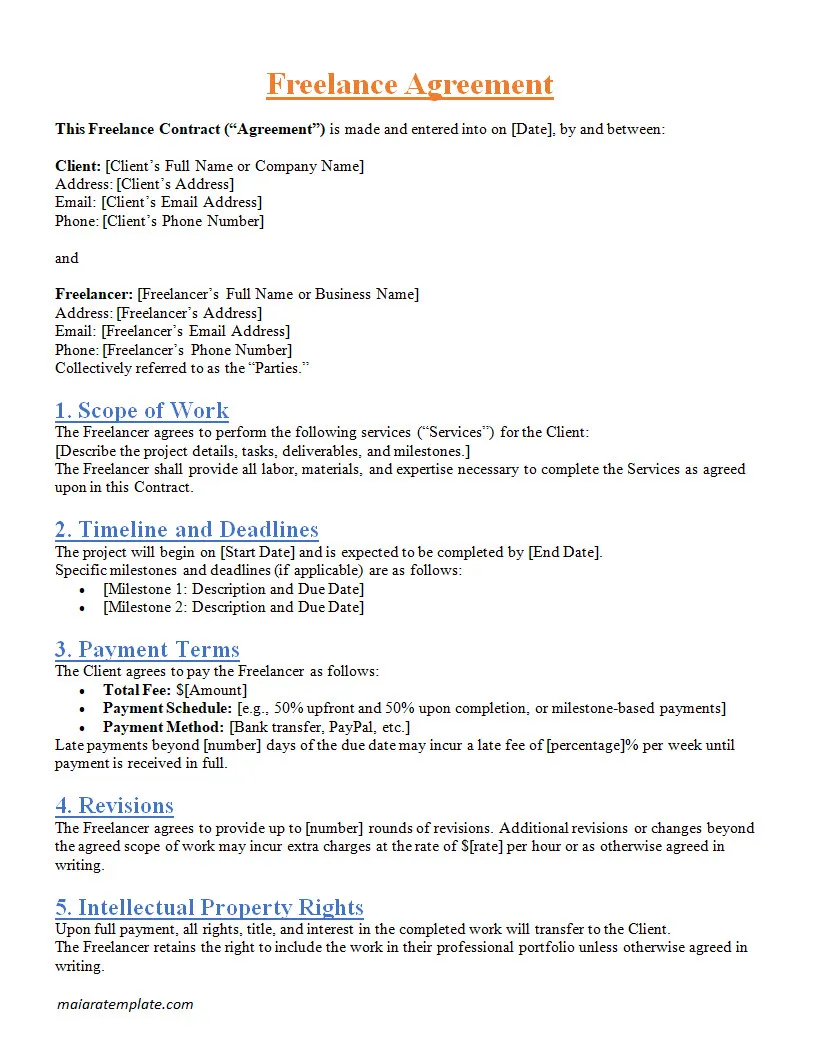
A freelance contract is a written agreement between a freelancer and a client that outlines the terms of a project. It establishes the scope of work, payment schedules, deliverables, project deadlines, and intellectual property rights, and provides a clear path for recourse if either party fails to meet their obligations.
By clearly defining these terms upfront, a freelance contract helps prevent disputes and ensures that everyone is on the same page.
Why is a Freelance Contract Essential?
A freelance contract is essential for several reasons.
Protecting Both Parties
One of the primary reasons a freelance contract is essential is that it protects both parties involved in the project. By clearly outlining the scope of work, payment terms, project deadlines, and intellectual property rights, a contract helps prevent disputes and ensures that both the freelancer and the client are on the same page. This protection is crucial for maintaining a positive working relationship and avoiding any potential legal issues down the line.
Safeguarding Intellectual Property Rights
Intellectual property rights are a significant concern in freelance work, as the work produced by the freelancer is often valuable and unique. A freelance contract helps safeguard intellectual property rights by clearly stating who owns the rights to the work produced and any restrictions on its use. This ensures that the client has full ownership of the deliverables upon payment and protects the freelancer from any unauthorized use of their work.
Providing a Legal Framework
Another key reason why a freelance contract is essential is that it provides a legal framework for enforcing the terms of the agreement. If either party fails to meet their obligations, the contract serves as a roadmap for resolving disputes and seeking recourse. This legal protection can be invaluable in ensuring that the project is completed successfully and that both parties are held accountable for their responsibilities.
Key Elements of a Freelance Contract
When creating a freelance contract, several key elements should be included to ensure that both parties are protected:
Scope of Work
Clearly define the tasks and deliverables that the freelancer is responsible for. Be as specific as possible to avoid any misunderstandings later on. Include a detailed description of the work to be performed, including any specifications or requirements provided by the client.
Payment Schedule
Outline the payment terms, including the total fee, deposit amount, and payment schedule. Specify when payments are due, how they will be made, and any late payment penalties. Be clear about what will happen in the event of non-payment or if additional work is requested.
Project Deadlines
Specify the timeline for completing the project, including any milestones or deadlines that need to be met. Include estimated start and end dates for the project, as well as any interim deadlines for deliverables. Communicate any potential delays or changes to the timeline as soon as they arise.
Intellectual Property Rights
Clarify who owns the rights to the work produced and any restrictions on its use. Include provisions for transferring intellectual property rights to the client upon payment. Specify any limitations on the use, reproduction, or distribution of the work, as well as any confidentiality requirements.
Termination Clause
Include provisions for terminating the contract if either party fails to meet their obligations. Specify the circumstances under which the contract may be terminated, as well as any notice requirements. Provide a process for resolving disputes or disagreements that may arise during the project.
Confidentiality Agreement
Ensure that sensitive information shared during the project is kept confidential and not disclosed to third parties. Include provisions for protecting confidential information, such as client data, trade secrets, or proprietary information. Specify the duration of the confidentiality agreement and any exceptions to the confidentiality requirements.
How to Create a Freelance Contract
Creating a freelance contract may seem daunting, but it doesn’t have to be complicated. Here are some steps to help you create a freelance contract that protects both you and your client:
Define the Scope of Work
Start by outlining the tasks and deliverables that you will be responsible for. Be as specific as possible to avoid any misunderstandings later on. Include a detailed description of the work to be performed, including any specifications or requirements provided by the client.
Establish Payment Terms
Determine the total fee for the project, any deposit amount required, and the payment schedule. Make sure to include provisions for late payments or non-payment. Be clear about what will happen in the event of non-payment or if additional work is requested.
Set Project Deadlines
Specify the timeline for completing the project, including any milestones or deadlines that need to be met. Communicate any potential delays or changes to the timeline as soon as they arise. Include estimated start and end dates for the project, as well as any interim deadlines for deliverables.
Clarify Intellectual Property Rights
Clearly state who owns the rights to the work produced and any restrictions on its use. Specify any limitations on the use, reproduction, or distribution of the work, as well as any confidentiality requirements. Include provisions for transferring intellectual property rights to the client upon payment.
Include a Termination Clause
Include provisions for terminating the contract if either party fails to meet their obligations. Specify the circumstances under which the contract may be terminated, as well as any notice requirements. Provide a process for resolving disputes or disagreements that may arise during the project.
Add a Confidentiality Agreement
Ensure that sensitive information shared during the project is kept confidential and not disclosed to third parties. Specify the duration of the confidentiality agreement and any exceptions to the confidentiality requirements. Include provisions for protecting confidential information, such as client data, trade secrets, or proprietary information.
Tips for a Smooth Working Relationship
While a freelance contract is essential for protecting both freelancers and clients, some additional tips can help ensure a smooth working relationship:
Communicate Clearly
Make sure to communicate clearly and promptly with your client to avoid any misunderstandings. Be proactive in providing updates on your progress, addressing any concerns or questions that may arise, and seeking clarification on project requirements. Clear communication is key to a successful working relationship.
Set Realistic Expectations
Be upfront about what you can deliver and when. Set realistic expectations from the start by clearly defining the scope of work, project timeline, and deliverables. Avoid overpromising and underdelivering, as this can lead to dissatisfaction on the client’s part. By setting realistic expectations, you can build trust and credibility with your client.
Meet Deadlines
Make every effort to meet project deadlines and deliverables on time. Timely delivery is crucial for maintaining the client’s trust and ensuring that the project stays on track. If you anticipate any delays, communicate them to the client as soon as possible and work together to find a solution.
Document Everything
Keep detailed records of all communications, agreements, and project milestones. Documenting everything related to the project can help protect you in case of disputes or misunderstandings. Save emails, messages, and any other relevant information to provide a clear record of the project’s progress.
Stay Professional
Maintain a professional demeanor at all times, even if challenges arise during the project. Treat your client with respect, respond to their feedback constructively, and be proactive in addressing any issues that may arise. Professionalism is key to building a strong reputation as a freelancer.
Seek Feedback
Don’t be afraid to ask for feedback from your client. Requesting feedback shows that you are open to improvement and committed to delivering high-quality work. Use feedback as an opportunity to learn and grow as a freelancer, making adjustments to your processes based on the client’s input.
Learn from Every Project
Use each project as an opportunity to learn and grow as a freelancer. Reflect on what went well and what could be improved, seeking to refine your skills and processes with each new project. Continuous learning and improvement are essential for long-term success in freelancing.
By following these tips and creating a comprehensive freelance contract, freelancers and clients can enjoy a successful working relationship built on trust, transparency, and mutual respect. Remember that communication, professionalism, and clear agreements are key to a positive freelance experience for both parties involved.
Freelance Contract Template
A Freelance Contract helps clearly define the working relationship between a freelancer and a client by outlining expectations, responsibilities, and payment terms. It covers essential details such as scope of work, timelines, compensation, intellectual property, and confidentiality, helping prevent misunderstandings and disputes. With a well-structured template, you can create a professional and legally sound agreement that protects both parties.
Download our Freelance Contract Template today to start your freelance projects with clarity and confidence.
Freelance Contract Template – DOWNLOAD

- New Grad Nursing Resume Template - April 2, 2026
- Non-competition Agreement Template - March 31, 2026
- Non-disclosure Agreement Template for Employees - March 30, 2026
