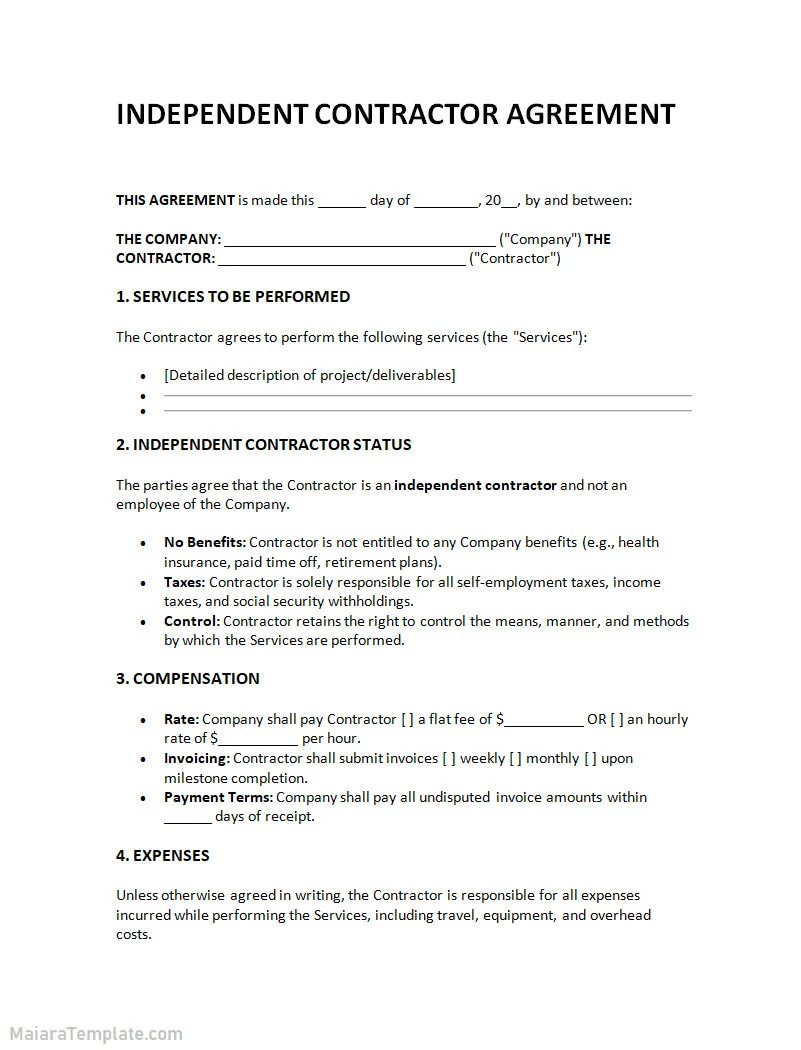
Independent contractor agreements are essential for businesses that engage with independent contractors for services. These agreements outline the terms and conditions of the working relationship between the business and the contractor.
In this comprehensive guide, we will delve into what independent contractor agreements are, why they are important, what to include in these agreements, how to create one, and tips for successful implementation.
What is an Independent Contractor Agreement?
An independent contractor agreement is a legally binding document that defines the relationship between a business and an independent contractor. It outlines the terms of the engagement, including the scope of work, payment terms, confidentiality agreements, non-compete clauses, and other important details. These agreements help protect both parties by clearly defining their rights and responsibilities.
Independent contractor agreements are crucial for businesses that work with contractors to ensure that both parties are on the same page regarding the expectations of the project. Without a written agreement in place, misunderstandings can arise, leading to disputes and legal issues.
Why are Independent Contractor Agreements Important?
Independent contractor agreements are important for several reasons. First and foremost, they help clarify the expectations and responsibilities of both parties involved in the project. By clearly outlining the scope of work, payment terms, deadlines, and other important details, the agreement helps prevent misunderstandings and disputes down the line.
Additionally, independent contractor agreements can help protect both the business and the contractor in case of any legal issues or disputes. Having a written agreement in place can provide evidence of the terms of the engagement, making it easier to resolve any conflicts that may arise.
What to Include in an Independent Contractor Agreement
When creating an independent contractor agreement, there are several key components that should be included to ensure the clarity and enforceability of the document. Here are some important elements to consider including in the agreement:
- Scope of Work: Clearly define the services that the contractor will provide.
- Payment Terms: Outline how and when the contractor will be paid for their services.
- Confidentiality Agreements: Include provisions for protecting sensitive information.
- Non-compete Clauses: Specify any restrictions on the contractor working for competitors.
- Termination Clause: Define the conditions under which either party can terminate the agreement.
- Indemnification Clause: Clarify who is responsible for any liabilities or damages that may arise during the project.
How to Create an Independent Contractor Agreement
Creating an independent contractor agreement can be a straightforward process if you follow these steps:
1. Start by outlining the scope of work and expectations for the project.2. Include detailed payment terms, including rates, invoicing procedures, and payment schedules.3. Clearly define any confidentiality agreements or non-compete clauses.4. Include provisions for intellectual property rights and ownership.5. Specify the termination clause and procedures for ending the agreement.6. Consult with a legal professional to review the agreement and ensure it complies with all relevant laws.
Tips for Successful Implementation of Independent Contractor Agreements
To ensure the success of your independent contractor agreements, consider the following tips:
– Clearly communicate expectations and requirements with the contractor before signing the agreement.- Review the agreement with the contractor to ensure they understand and agree to the terms.- Keep detailed records of all communication and project milestones throughout the engagement.- Regularly review and update the agreement as needed to reflect any changes in the project scope or terms.- Seek legal advice if you are unsure about any aspect of the agreement or need assistance with drafting or reviewing the document.
By following these guidelines, you can create effective independent contractor agreements that protect both parties and foster successful working relationships. Remember, clear communication and mutual understanding are key to a positive and productive partnership with independent contractors.
Independent Contractor Agreement Template – DOWNLOAD

- New Grad Nursing Resume Template - April 2, 2026
- Non-competition Agreement Template - March 31, 2026
- Non-disclosure Agreement Template for Employees - March 30, 2026
