Writing a lab report can be a daunting task for many students, but fear not! In this comprehensive guide, we will break down everything you need to know about writing a stellar lab report. From the purpose of a lab report to what to include in each section, we’ve got you covered.
So grab your lab notebook and pen, and let’s dive into the world of lab reports.
What is a Lab Report?
A lab report is a detailed document that outlines the procedures, results, and conclusions of a scientific experiment. It serves as a record of the experiment and allows others to replicate the study or understand the findings. Lab reports are commonly used in science and engineering fields to communicate research findings in a structured and organized manner.
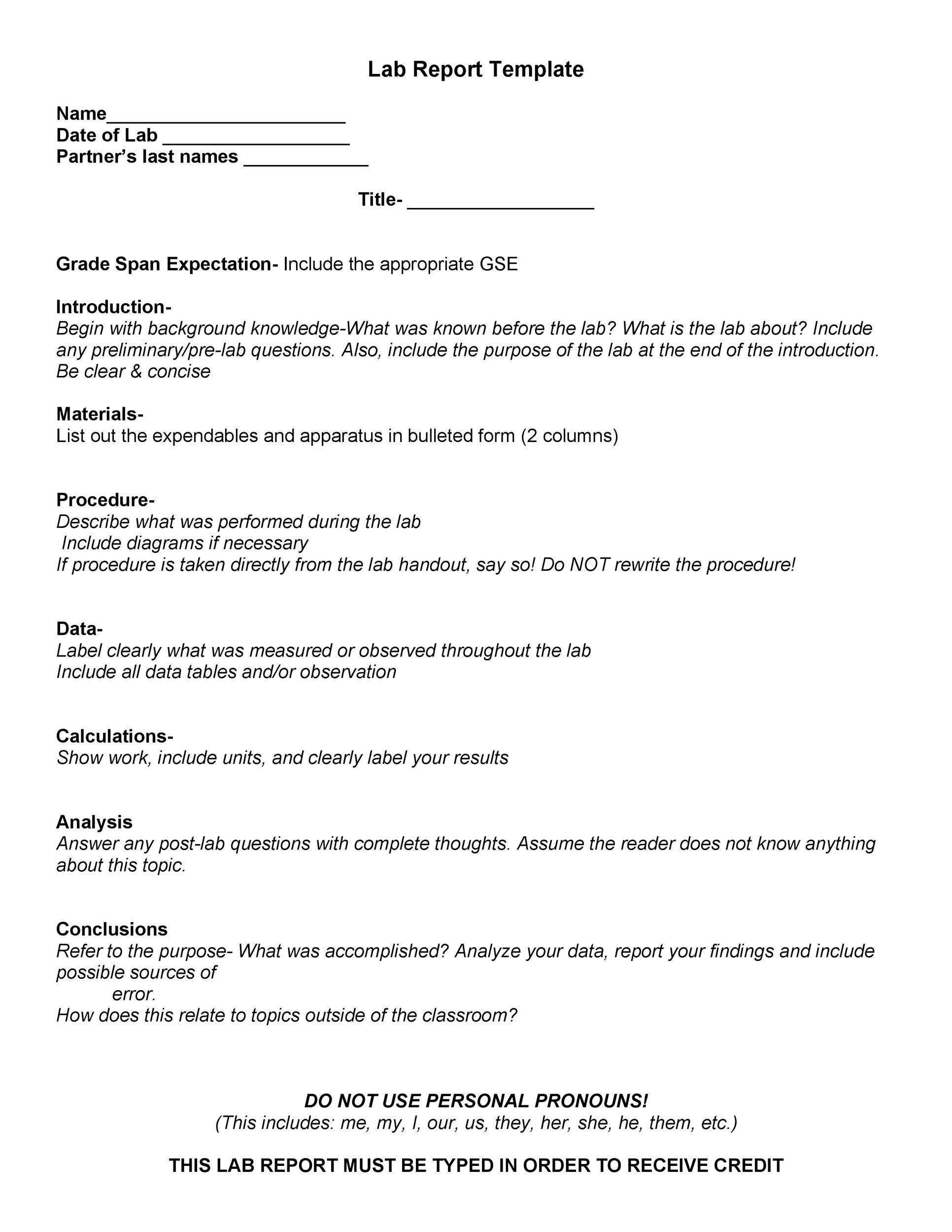
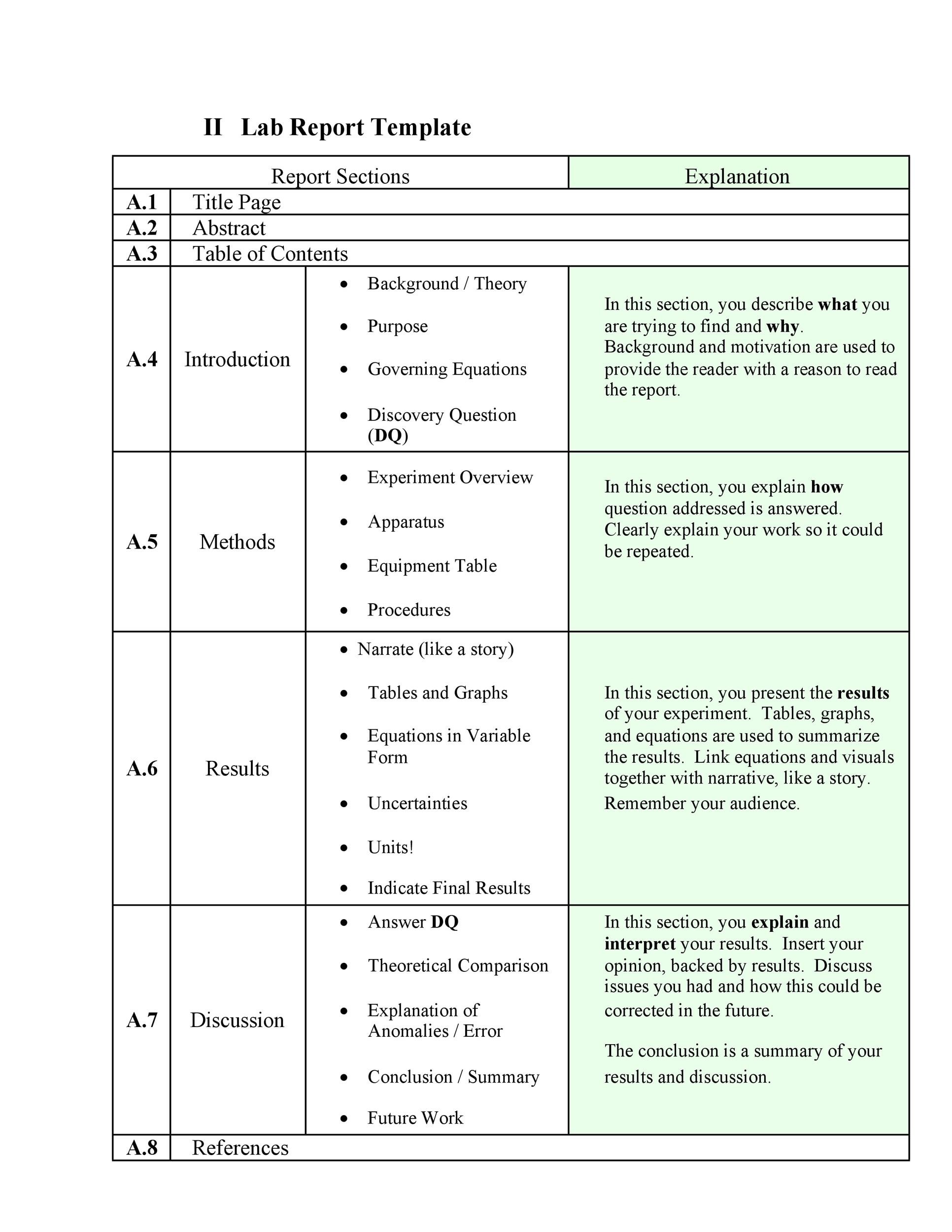
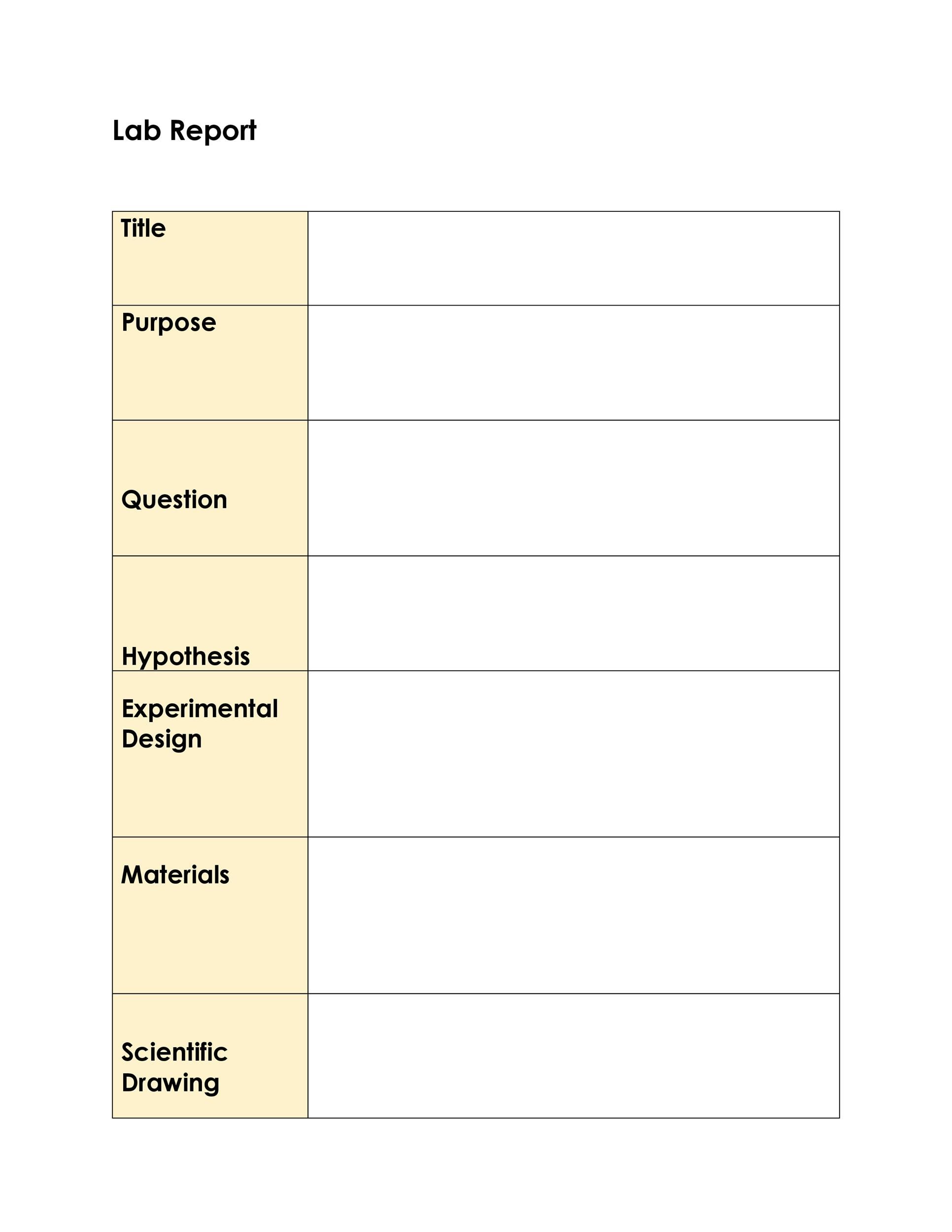
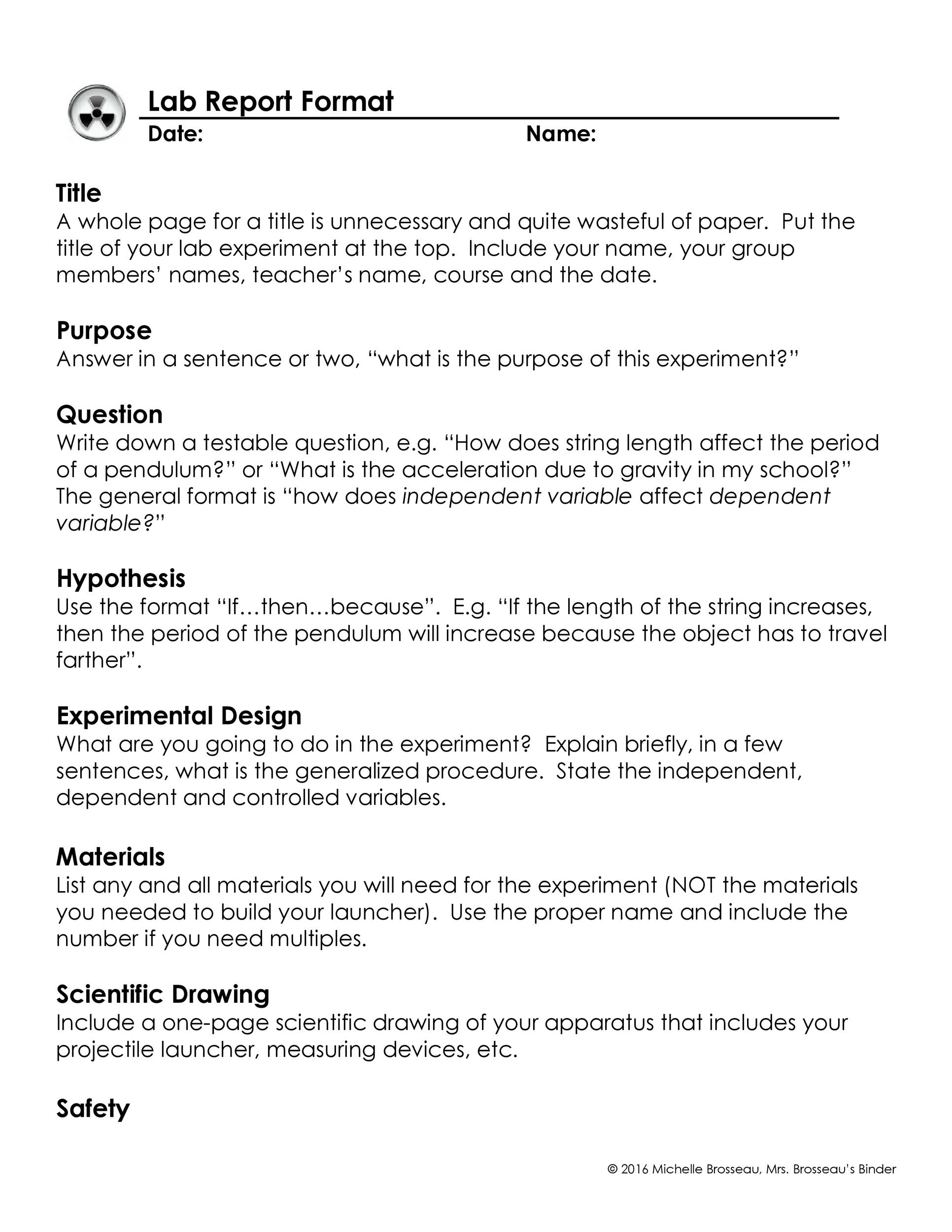
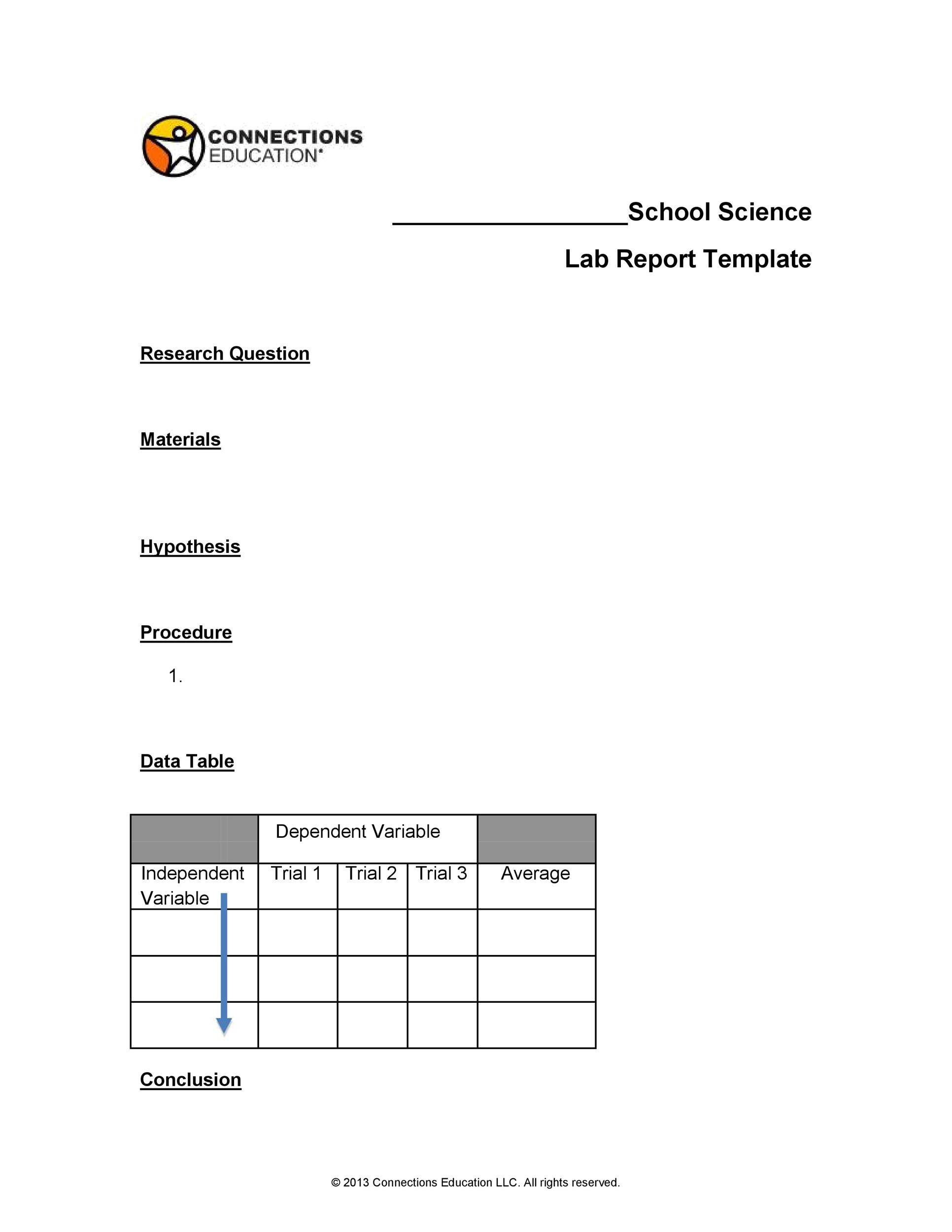
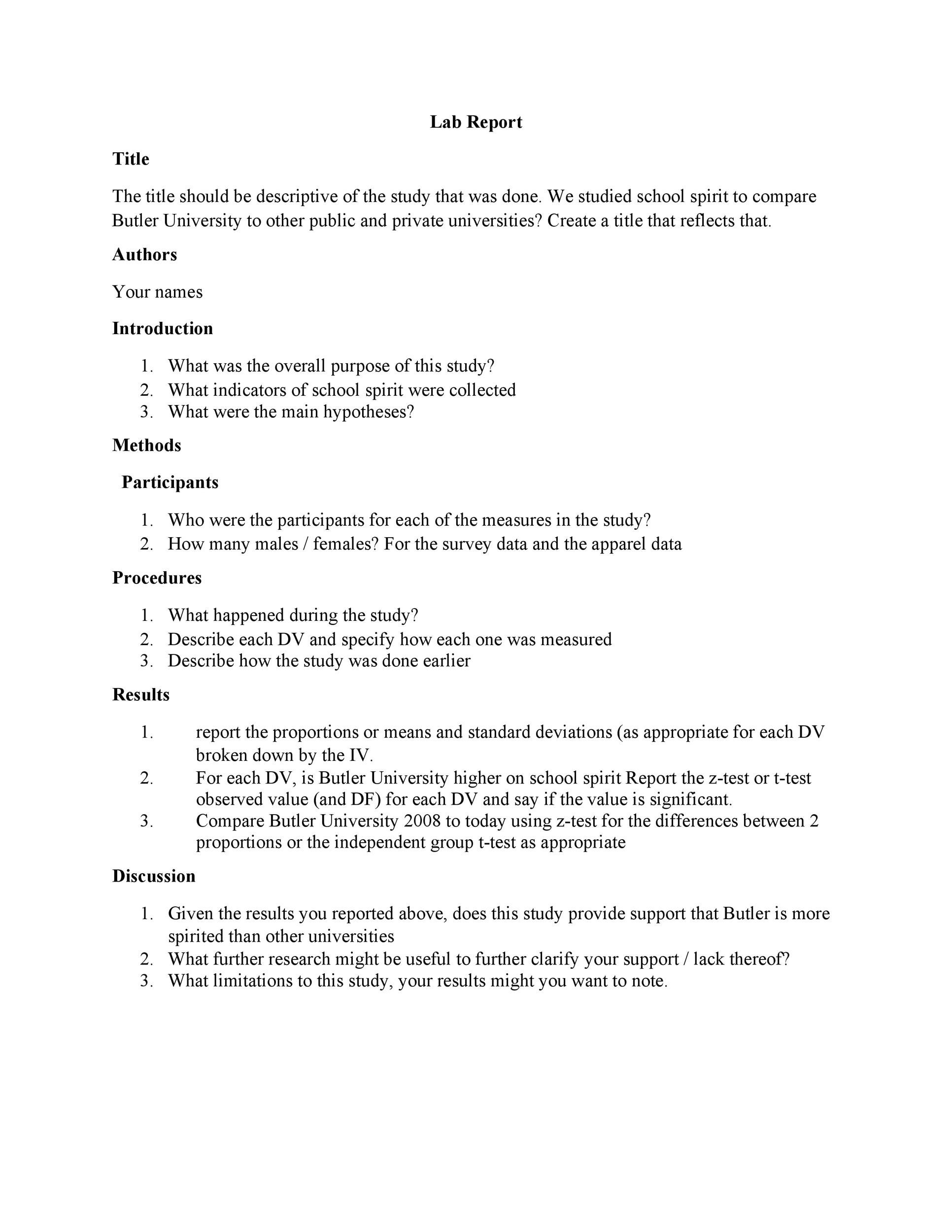
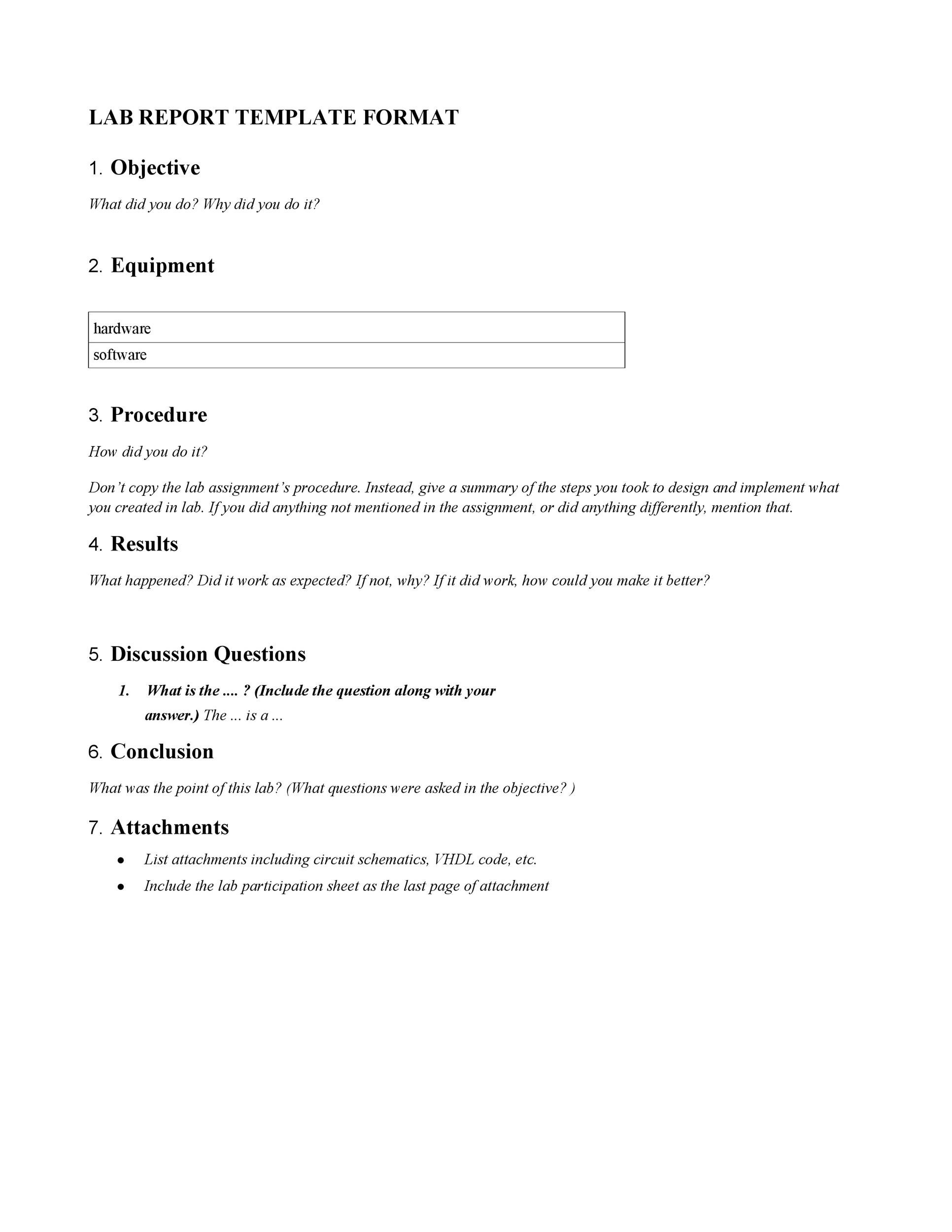
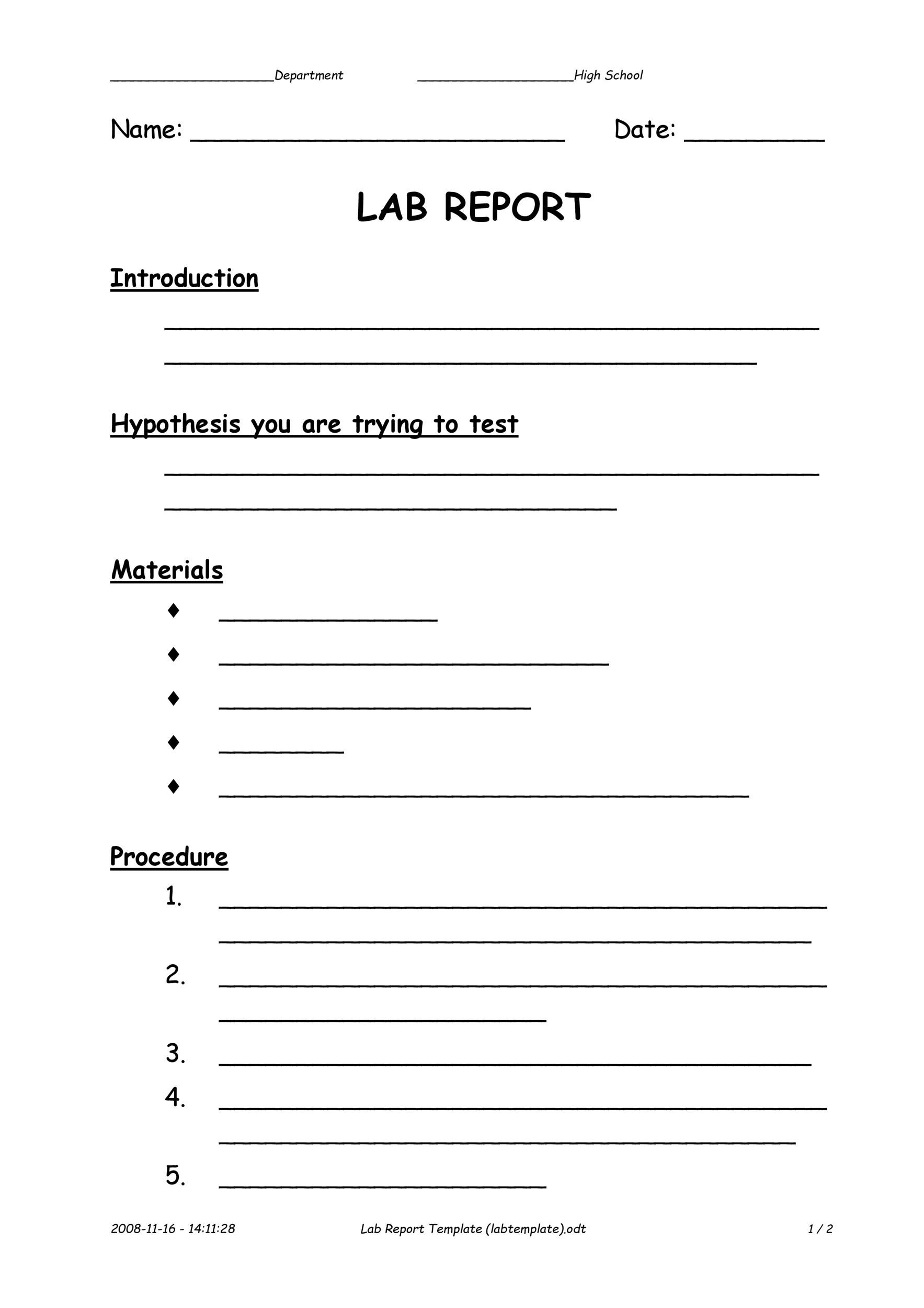
When writing a lab report, it is essential to follow a specific format to ensure clarity and consistency. This typically includes sections such as an introduction, materials and methods, results, discussion, and conclusion. Each section plays a crucial role in conveying the experiment’s purpose, methodology, and outcomes.
Why are Lab Reports Important?
Lab reports are an essential part of the scientific process as they provide a systematic way to document and communicate research findings. They allow researchers to share their work with peers, validate their results, and contribute to the body of scientific knowledge. Lab reports also help students develop critical thinking, analytical, and communication skills that are vital in scientific research.
What to Include in a Lab Report
When writing a lab report, it is crucial to include the following components:
1. Title: Clearly states the purpose of the experiment.
2. Abstract: Summarizes the experiment’s objectives, methods, results, and conclusions.
3. Introduction: Provides background information and states the hypothesis.
4. Materials and Methods: Describes the experimental procedures and equipment used.
5. Results: Presents the data and findings in the form of tables, graphs, or figures.
6. Discussion: Analyzes the results, interprets the findings, and discusses their significance.
7. Conclusion: Summarizes the key findings and offers insights for future research.
8. References: Cites any sources or references used in the lab report.
Examples
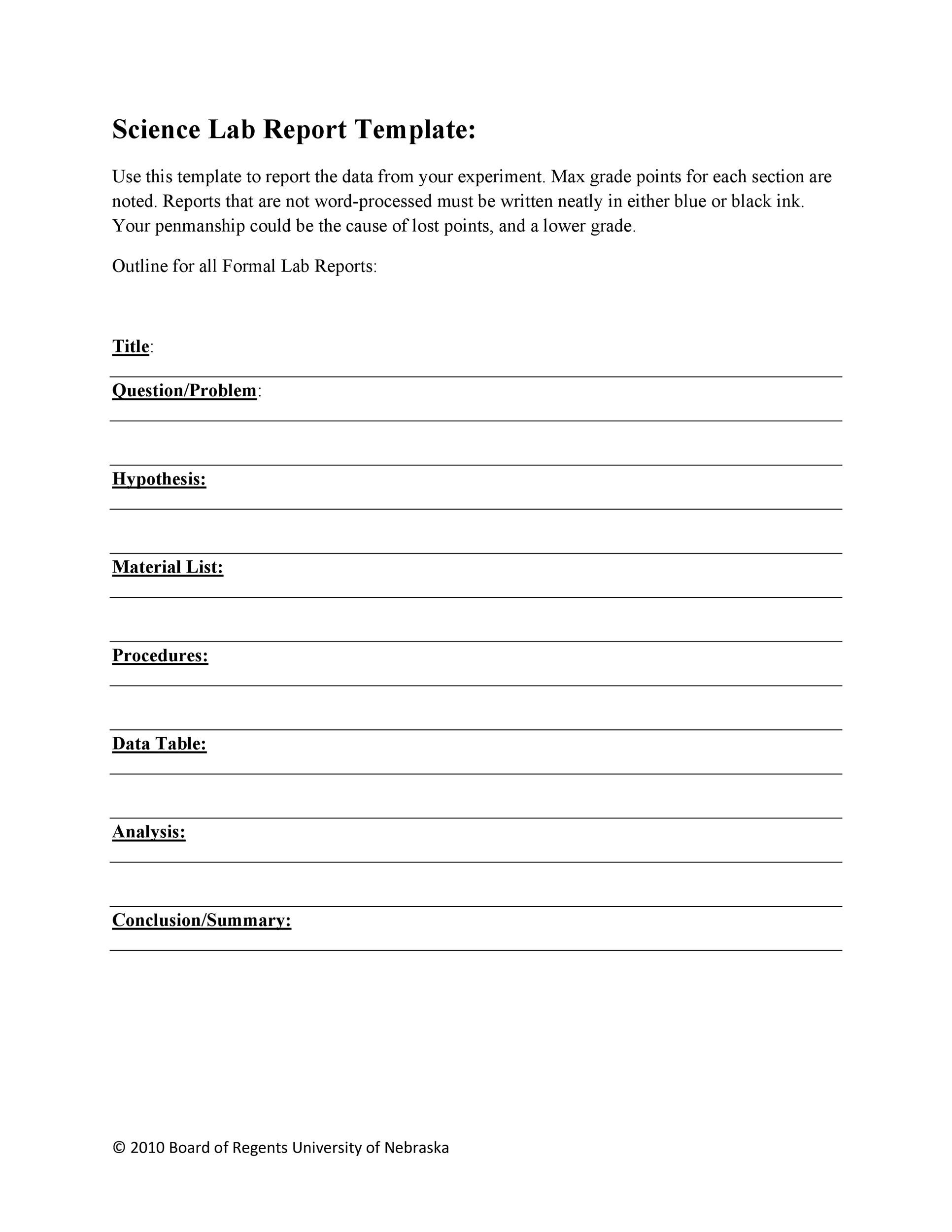
How to Write a Lab Report
Writing a lab report can be a step-by-step process that involves the following:
1. Organize your thoughts and data before starting the report.
2. Follow the prescribed lab report format and structure.
3. Be clear and concise in your writing, avoiding unnecessary jargon.
4. Use proper grammar, spelling, and punctuation throughout the report.
5. Include relevant tables, graphs, or figures to support your findings.
6. Analyze the data critically and discuss any limitations or errors.
7. Proofread and revise your report for clarity and coherence.
Tips for Writing a Stellar Lab Report
Here are some tips to help you write a top-notch lab report:
- Plan Ahead: Start early and allocate enough time for each section of the report.
- Be Detail-Oriented: Include all necessary information and data in the report.
- Use Proper Formatting: Follow the required format for headings, subheadings, and citations.
- Seek Feedback: Share your report with peers or instructors for feedback and suggestions.
- Proofread Carefully: Check for any errors in grammar, spelling, or data interpretation.
- Stay Objective: Present the results and conclusions objectively without bias.
- Be Concise: Avoid unnecessary details or information that does not contribute to the report.
- Practice Regularly: The more lab reports you write, the better you will become at it.
- Refer to Examples: Look at sample lab reports for guidance on structure and content.
Conclusion
In conclusion, writing a lab report can be a challenging but rewarding experience. By following the guidelines outlined in this guide and incorporating the tips provided, you can create a well-structured and informative lab report that effectively communicates your research findings.
Remember to stay organized, pay attention to detail, and seek feedback to improve your writing skills. So next time you’re faced with a lab report assignment, don’t panic – you’ve got this!
Lab Report Template – Download

- Printable Wedding Guest List Template - October 1, 2026
- Free Printable Trip Schedule Template - October 1, 2026
- Free Printable Table Card Template - October 1, 2026
