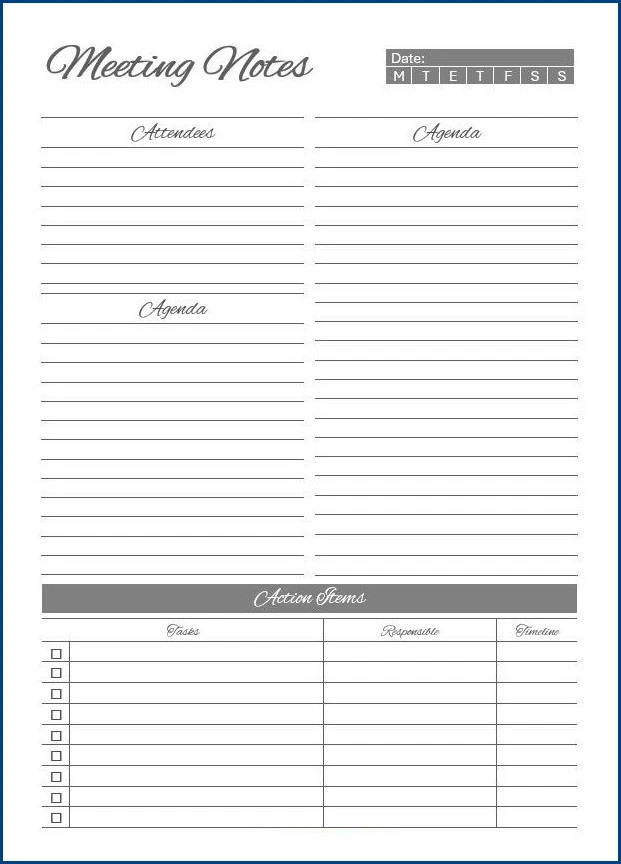
In today’s fast-paced work environment, effective communication is key to success. One way to ensure that all team members are on the same page and working towards common goals is by taking thorough meeting notes. Meeting notes serve as a record of discussions, decisions, and action items, helping to keep everyone accountable and informed.
In this article, we will explore the importance of meeting notes and provide tips on how to take efficient and effective notes during meetings.
What are Meeting Notes?
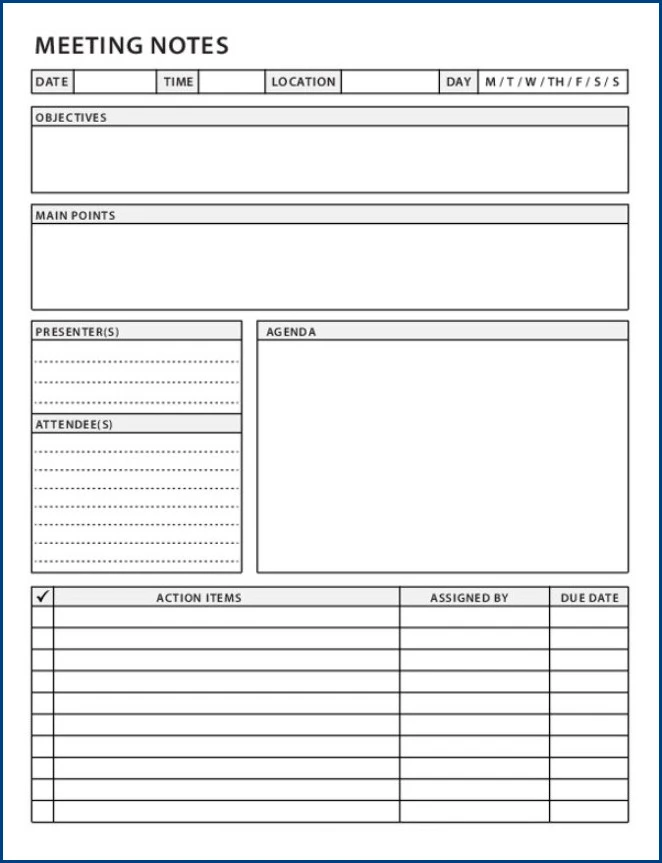
Meeting notes are written records of discussions, decisions, and action items that take place during a meeting. They serve as a reference point for all attendees and provide a clear outline of what was discussed and what needs to be done moving forward. Meeting notes can vary in format, from handwritten notes in a notebook to typed notes in a document or online platform.
Taking detailed meeting notes is essential for ensuring that everyone is on the same page and understands their role in achieving the meeting’s objectives. By capturing key points, action items, and deadlines, meeting notes help to keep projects on track and prevent miscommunication or misunderstandings.
Why are Meeting Notes Important?
Meeting notes play a crucial role in effective communication and collaboration within a team or organization. Here are some reasons why meeting notes are important:
– Record of Discussions: Meeting notes provide a detailed record of what was discussed during a meeting, ensuring that important points are not forgotten or overlooked.
– Accountability: By documenting action items and deadlines, meeting notes help to hold team members accountable for their responsibilities.
– Clarity: Meeting notes clarify decisions made during the meeting and provide a reference point for future discussions or follow-up meetings.
– Documentation: Meeting notes serve as a historical record of past meetings, helping new team members get up to speed and providing a reference point for future projects.
What to Include in Meeting Notes
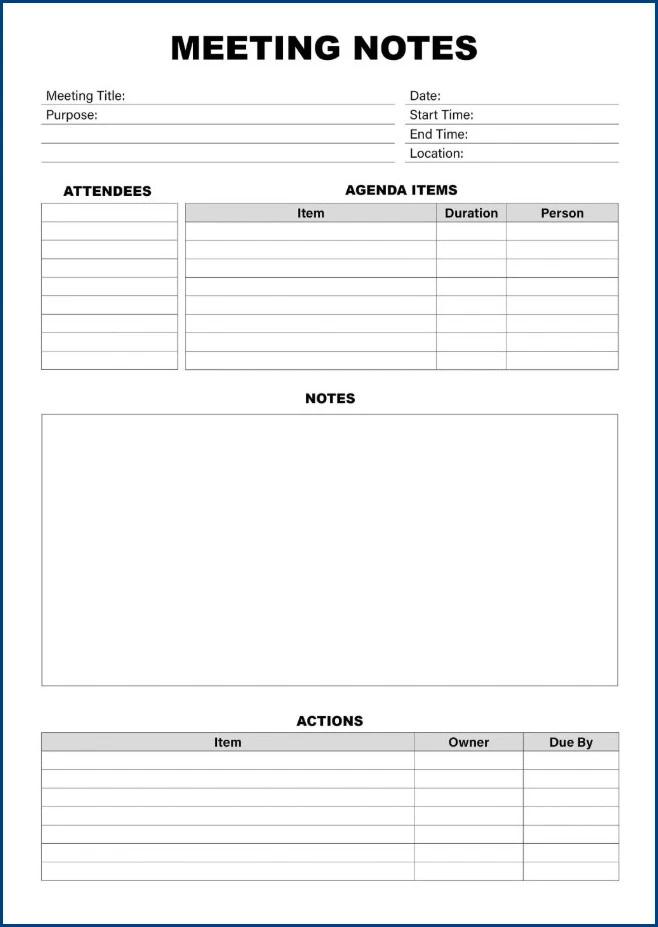
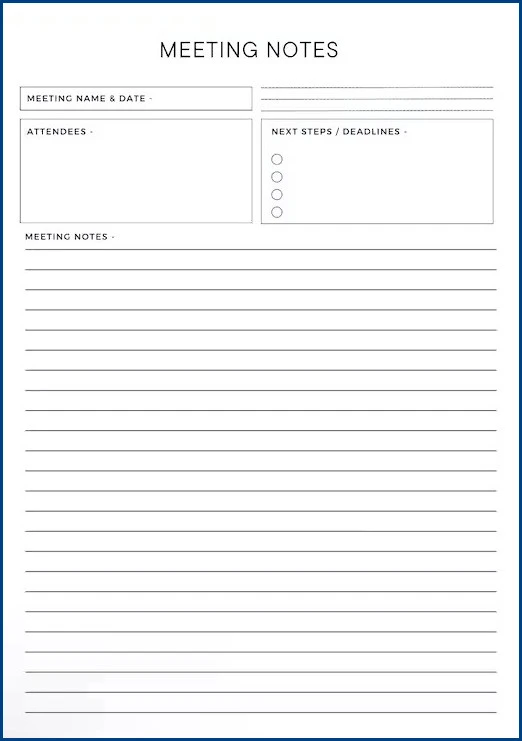
When taking meeting notes, it’s important to include key information that will help keep everyone informed and on track. Here are some essential elements to include in your meeting notes:
– Meeting Details: Date, time, location, and attendees.- Agenda Items: List of topics discussed during the meeting.
– Key Points: Important information, decisions, and discussions.- Action Items: Tasks assigned to team members, including deadlines.
– Follow-Up Tasks: Items that need further discussion or action.- Next Steps: Plans for moving forward and achieving meeting objectives.
– Additional Notes: Any other relevant information or details discussed during the meeting.
When organizing your meeting notes, consider using headings, bullet points, and subheadings to make the information easy to follow and reference.
How to Take Effective Meeting Notes
Taking effective meeting notes requires active listening, organization, and attention to detail. Here are some tips for improving your note-taking skills during meetings:
– Prepare in Advance: Review the meeting agenda and come prepared with any necessary materials or templates.
– Listen Actively: Focus on the speaker and take note of key points, action items, and decisions.
– Use a Consistent Format: Develop a structured template for your meeting notes to ensure consistency and clarity.
– Summarize Key Points: Capture the main ideas and decisions without getting bogged down in unnecessary details.
– Ask for Clarification: If something is unclear, don’t hesitate to ask for clarification during the meeting.
– Review and Share Notes: After the meeting, review your notes for accuracy and share them with attendees for feedback or clarification.
By following these tips, you can improve the quality and effectiveness of your meeting notes, leading to better communication and collaboration within your team.
Tips for Organizing and Sharing Meeting Notes
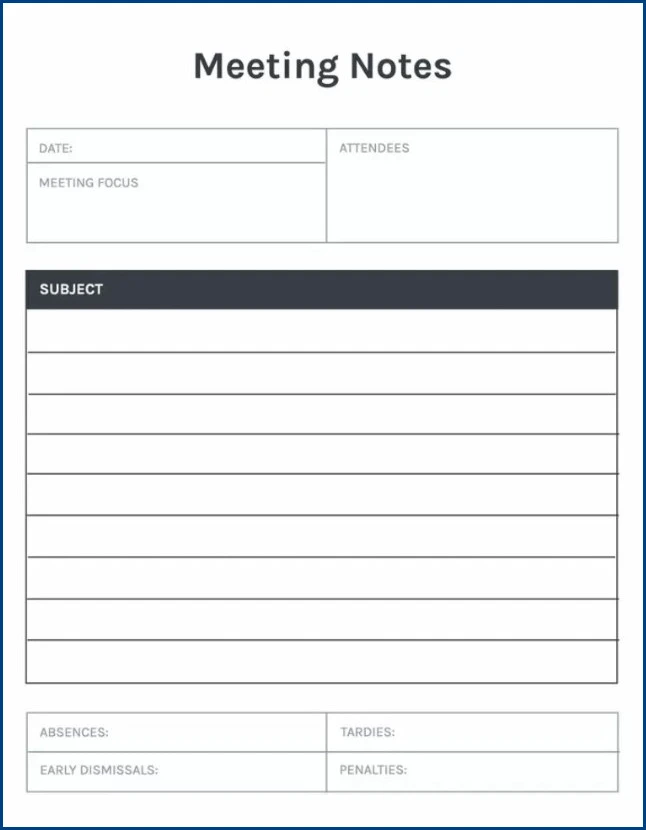
Organizing and sharing meeting notes is just as important as taking them. Here are some tips for effectively organizing and sharing your meeting notes:
– Use a Digital Platform: Consider using a digital note-taking app or platform to keep all your meeting notes in one place and easily accessible.
– Create Action Plans: Convert action items into actionable tasks with deadlines and assign responsibilities to team members.
– Share Notes Promptly: Share meeting notes with attendees soon after the meeting to ensure that everyone is on the same page and can begin working on their tasks.
– Follow Up: Schedule follow-up meetings or check-ins to review progress on action items and discuss any challenges or roadblocks.
By implementing these tips, you can streamline the meeting process, improve communication, and boost productivity within your team or organization.
In conclusion, meeting notes are an essential tool for effective communication, collaboration, and project management. By taking thorough and organized notes during meetings, you can ensure that all team members are informed, accountable, and working towards common goals. Remember to include key information, use a consistent format, and share notes promptly to maximize the benefits of meeting notes in your work environment.
Meeting Notes Template – Word

- Free Printable Travel Request Form Template - September 20, 2026
- Free Startup Business Plan Template - September 20, 2026
- Free Printable T-Chart Template - September 20, 2026
