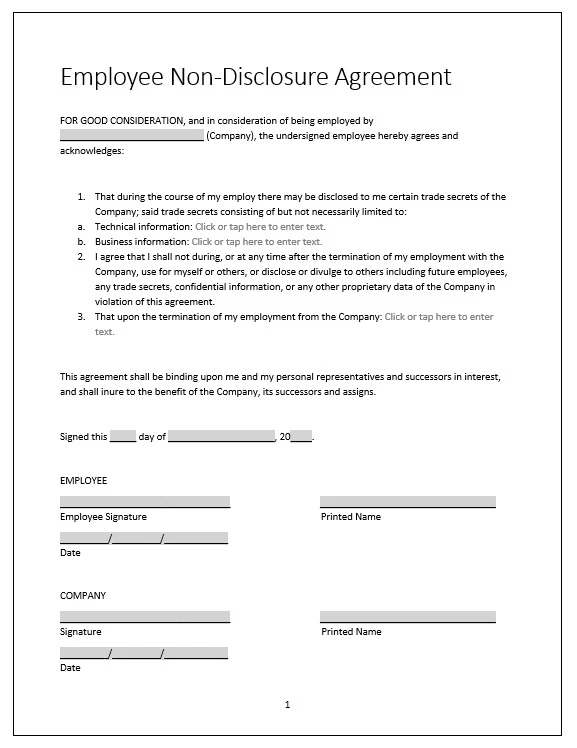
Non-disclosure agreements (NDAs) are essential legal documents that protect a company’s confidential information from being shared with unauthorized individuals. When it comes to employees, NDAs play a crucial role in safeguarding sensitive data and trade secrets.
In this comprehensive guide, we will explore the ins and outs of non-disclosure agreements for employees, including what they are, why they are important, what to include, how to enforce them, and tips for drafting an effective NDA.
What is a Non-Disclosure Agreement?
A Non-Disclosure Agreement, also known as a confidentiality agreement, is a legal contract between two or more parties that outlines confidential material, knowledge, or information that the parties wish to share for certain purposes, but wish to restrict access to or by third parties.
An NDA creates a confidential relationship between the parties to protect any type of sensitive information that is not generally known. This can include proprietary information, trade secrets, business strategies, customer lists, financial data, and more.
Why Non-Disclosure Agreements are Important for Employees
Non-disclosure agreements are crucial for businesses, especially when it comes to protecting their intellectual property and confidential information. When employees have access to sensitive data, trade secrets, or proprietary information, NDAs ensure that they are legally bound to keep such information confidential.
By having employees sign NDAs, companies can prevent the unauthorized disclosure of valuable business assets, maintain a competitive edge in the market, and protect their reputation. Without NDAs in place, companies risk losing their competitive advantage and facing potential legal disputes if confidential information is leaked.
What to Include in a Non-Disclosure Agreement
When drafting a non-disclosure agreement for employees, it is important to include the following key components:
- Definition of Confidential Information: Clearly define what constitutes confidential information under the agreement.
- Obligations of the Parties: Detail the responsibilities of both the disclosing party (employer) and the receiving party (employee) in safeguarding confidential information.
- Exceptions to Confidentiality: Specify any circumstances under which the confidentiality obligations do not apply.
- Term of Agreement: Determine the duration for which the agreement will remain in effect.
- Remedies for Breach: Outline the consequences of breaching the agreement, including potential legal action and damages.
- Jurisdiction and Governing Law: Specify the laws and jurisdiction that will govern the agreement in case of disputes.
How to Enforce a Non-Disclosure Agreement
Enforcing a non-disclosure agreement requires careful monitoring and compliance from both parties involved. In the event of a breach, the following steps can be taken to enforce the NDA:
- Document the Breach: Gather evidence to support the claim of breach, such as emails, documents, or witness statements.
- Notify the Breaching Party: Inform the party in breach of their violation and request immediate cessation of the unauthorized disclosure.
- Seek Legal Action: If the breach persists, consult with legal counsel to explore legal remedies, such as seeking injunctive relief or pursuing damages.
Tips for Drafting an Effective Non-Disclosure Agreement
When creating a non-disclosure agreement for employees, consider the following tips to ensure its effectiveness:
- Be Specific and Clear: Clearly define what information is considered confidential and what obligations the parties are bound by.
- Use Simple Language: Avoid using complex legal jargon that can confuse employees. Keep the language simple and easy to understand.
- Update Regularly: Review and update the NDA periodically to reflect changes in the business environment and the nature of confidential information.
- Train Employees: Provide training on the importance of confidentiality and the obligations set forth in the NDA to ensure compliance.
By following these guidelines and best practices, companies can create robust non-disclosure agreements that protect their valuable assets and maintain a secure business environment for employees.
Non-disclosure Agreement Template for Employees – Download

- Ship Chart Template - October 5, 2026
- Free Printable Table Tent Template - October 5, 2026
- Free Printable Supply List Template - October 5, 2026
