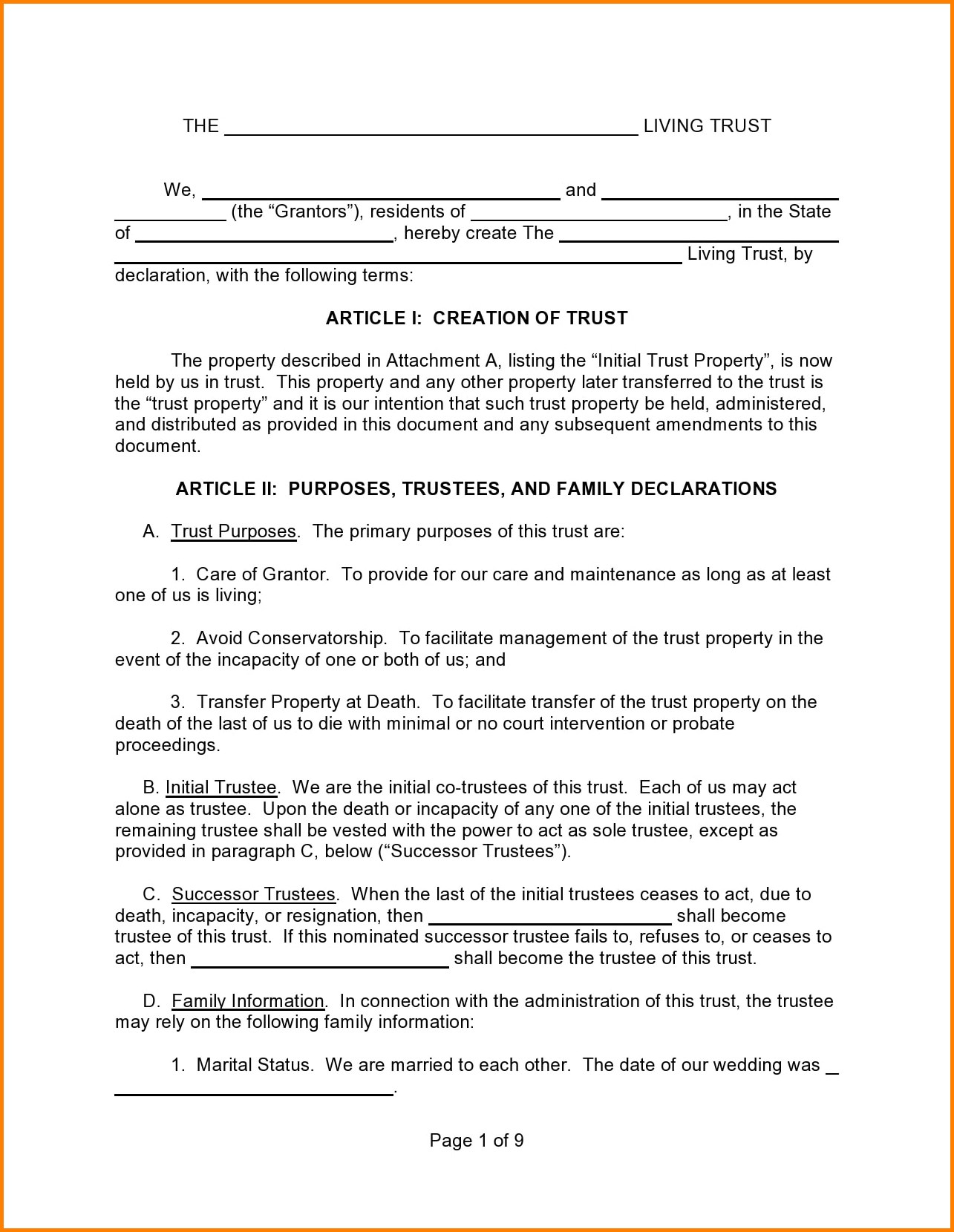
When it comes to estate planning, one of the essential tools that individuals use is a living trust form. This legal document allows you to dictate how your assets will be managed and distributed during your lifetime and after your passing. Understanding the intricacies of a living trust form is crucial for ensuring that your wishes are carried out effectively.
In this guide, we will delve into the What, Why, What to Include, How to, and Tips for creating a living trust form.
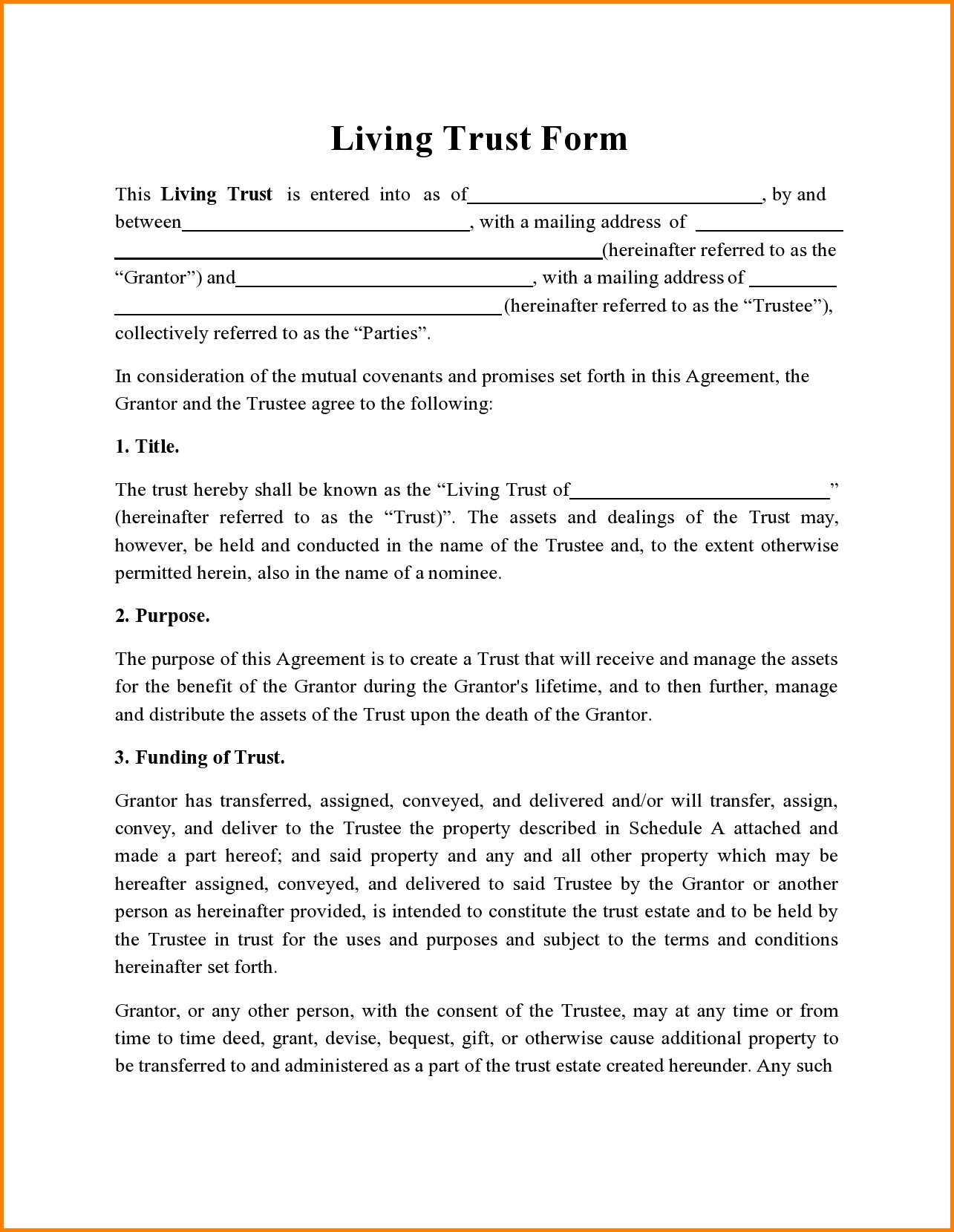
What is a Living Trust Form?
A living trust form, also known as a revocable trust or inter vivos trust, is a legal document that allows you to transfer ownership of your assets into a trust during your lifetime. This trust is managed by a trustee, who will follow your instructions on how to distribute the assets to your beneficiaries after your passing. Unlike a will, a living trust is not subject to probate, which means that the distribution of assets can occur more quickly and privately.
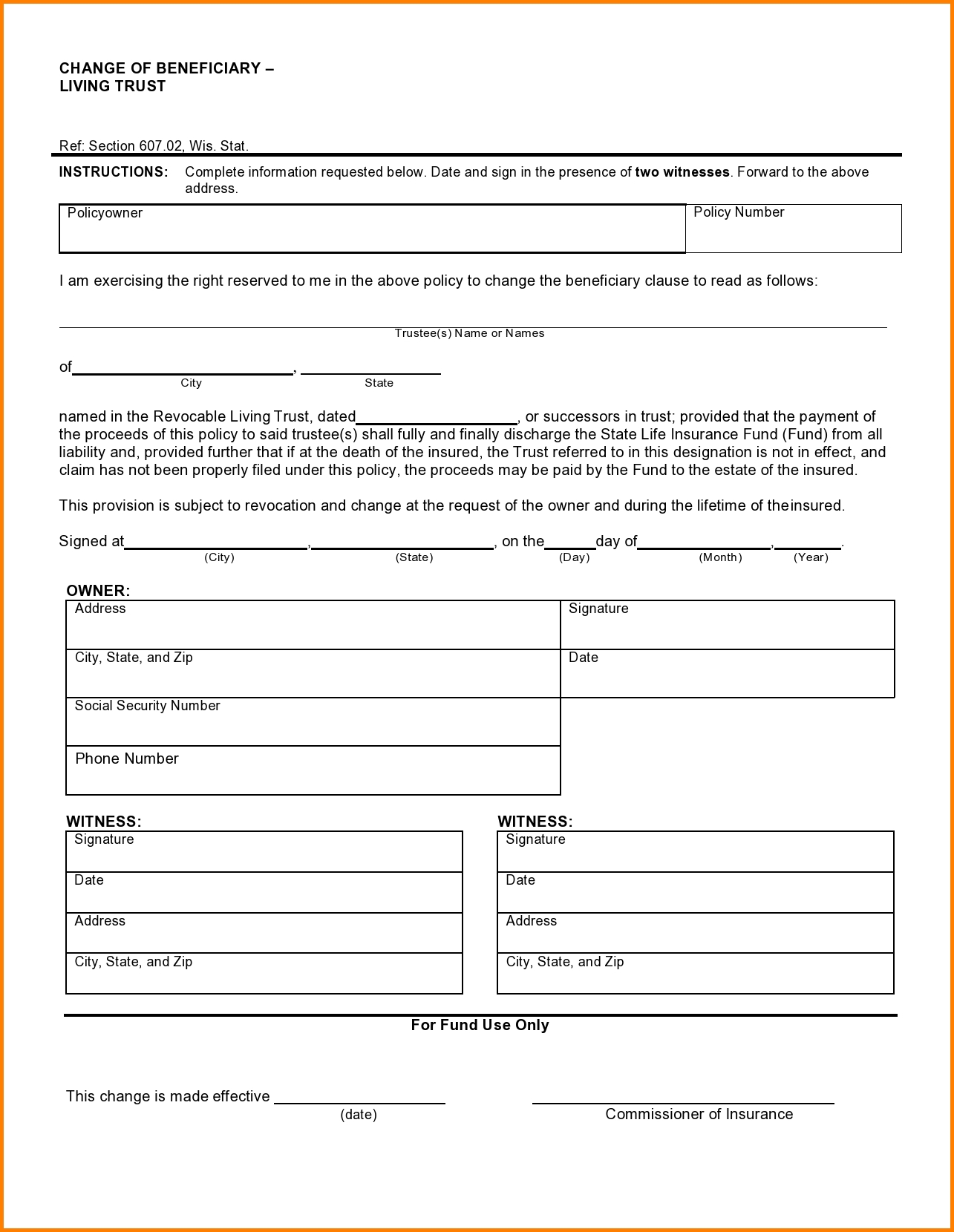
Why Create a Living Trust Form?
There are several reasons why individuals choose to create a living trust form as part of their estate plan:
- Avoiding Probate: By transferring assets into a living trust, you can avoid the lengthy and costly probate process.
- Privacy: Unlike a will, which becomes a matter of public record during probate, a living trust allows for a more private distribution of assets.
- Incapacity Planning: A living trust can provide instructions on how your assets should be managed if you become incapacitated.
- Control: With a living trust, you can specify how and when your assets are distributed to your beneficiaries.
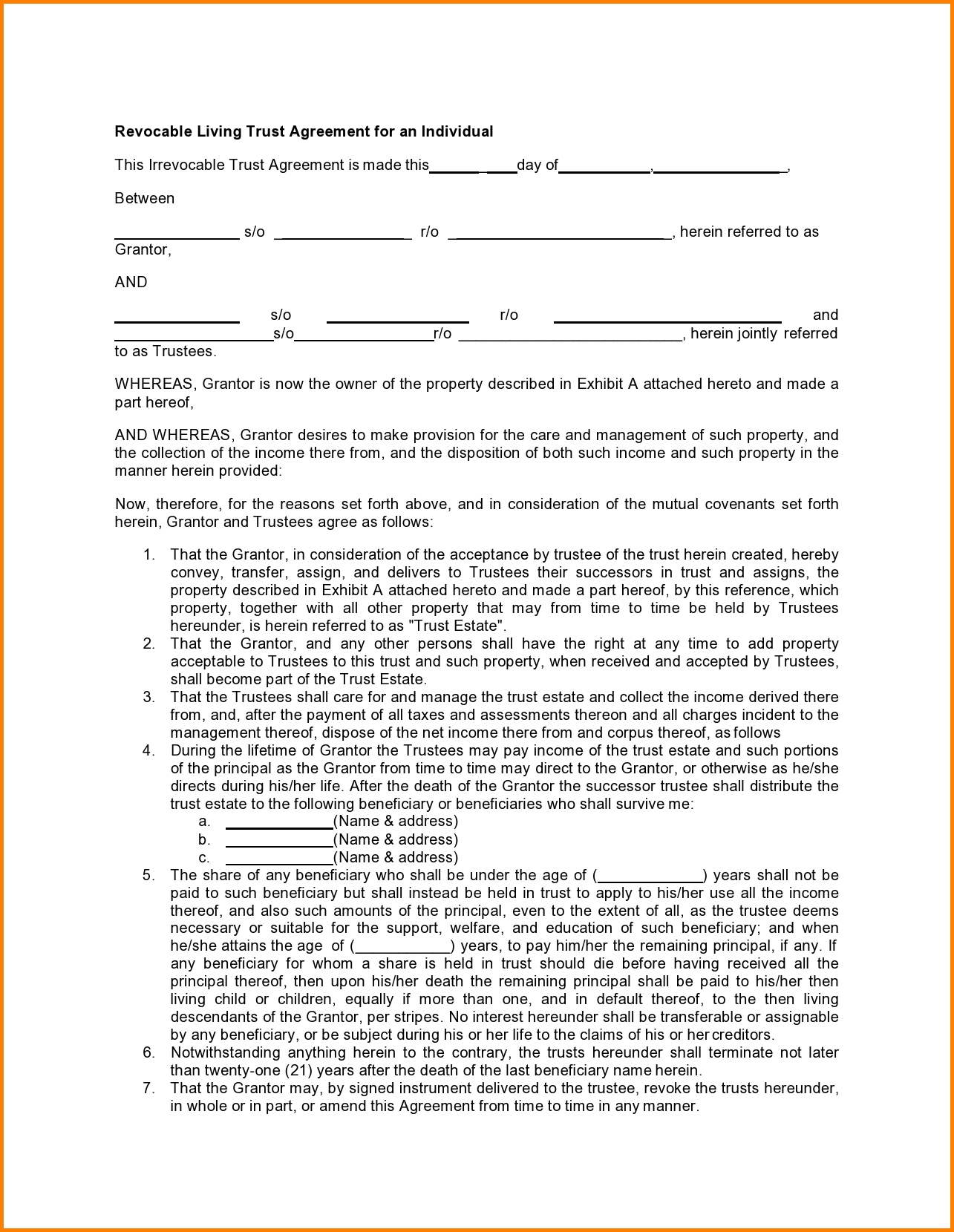
What to Include in a Living Trust Form
When creating a living trust form, there are several key components that you should include:
- Identification: Clearly identify yourself as the grantor of the trust.
- Trustee Designation: Name the individual or institution who will serve as the trustee of the trust.
- Beneficiaries: Specify who the beneficiaries of the trust are and how the assets should be distributed to them.
- Assets: Detail the assets that are being placed into the trust.
- Successor Trustee: Designate a successor trustee who will take over the management of the trust in case the original trustee is unable to fulfill their duties.
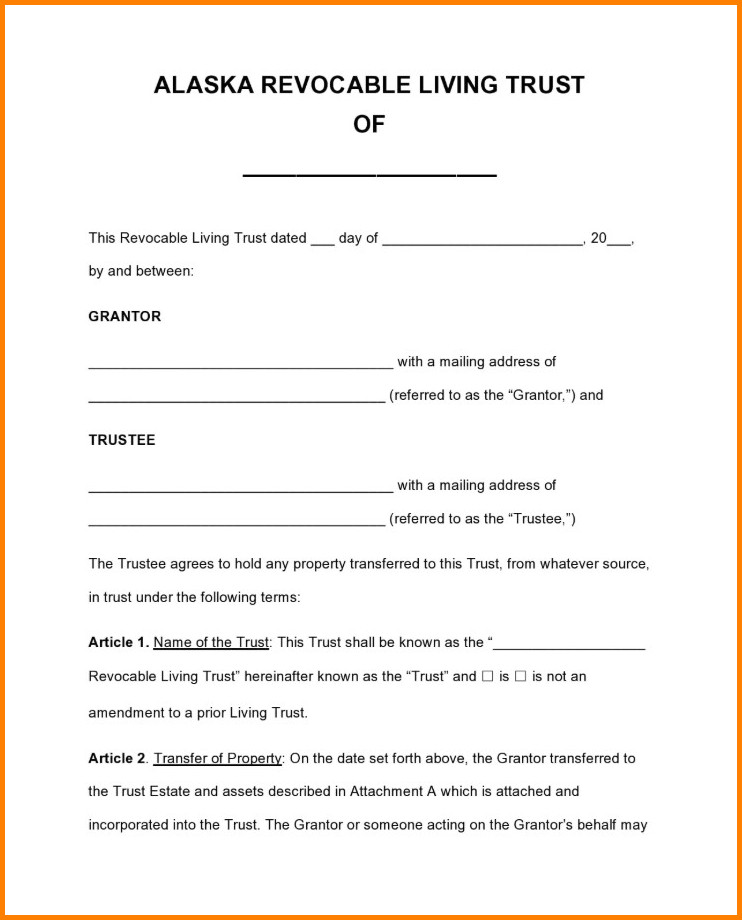
How to Create a Living Trust Form
Creating a living trust form involves several steps, including:
1. Consult with an Attorney
It is advisable to seek the guidance of an experienced estate planning attorney who can help you draft a living trust form that aligns with your wishes and state laws.
2. Gather Necessary Information
Compile a list of your assets, beneficiaries, and other relevant information that will be needed to create the trust.
3. Draft the Trust Document
Work with your attorney to draft the trust document, ensuring that all necessary provisions are included to meet your specific needs.
4. Sign and Notarize the Document
Once the trust document is finalized, sign it in the presence of a notary public to make it legally binding.
5. Transfer Assets into the Trust
Transfer ownership of your assets into the trust as outlined in the trust document.
Tips for Managing a Living Trust Form
Once you have created a living trust form, it is essential to manage it effectively to ensure that your wishes are carried out properly:
- Review Regularly: Periodically review your living trust form to ensure that it still aligns with your intentions and make any necessary updates.
- Communicate with Beneficiaries: Keep your beneficiaries informed about the existence of the trust and how it will impact them.
- Work with a Professional: Consider working with a professional trustee or financial advisor to help manage the trust assets.
- Update as Needed: Make sure to update your living trust form if there are any significant life changes, such as marriage, divorce, or the birth of children.
By understanding the importance of a living trust form and following the necessary steps to create and manage it effectively, you can ensure that your assets are distributed according to your wishes and provide for your loved ones in the future.
Living Trust Form Template – Word

- Ship Chart Template - October 5, 2026
- Free Printable Table Tent Template - October 5, 2026
- Free Printable Supply List Template - October 5, 2026
