When it comes to protecting your intellectual property, a licensing agreement can be a crucial tool. Whether you’re a small business owner looking to monetize your creations or a large corporation seeking to expand your market reach, understanding the basics of licensing agreements is essential.
In this comprehensive guide, we will delve into the what, why, and how of licensing agreements, as well as provide tips for drafting a successful agreement.
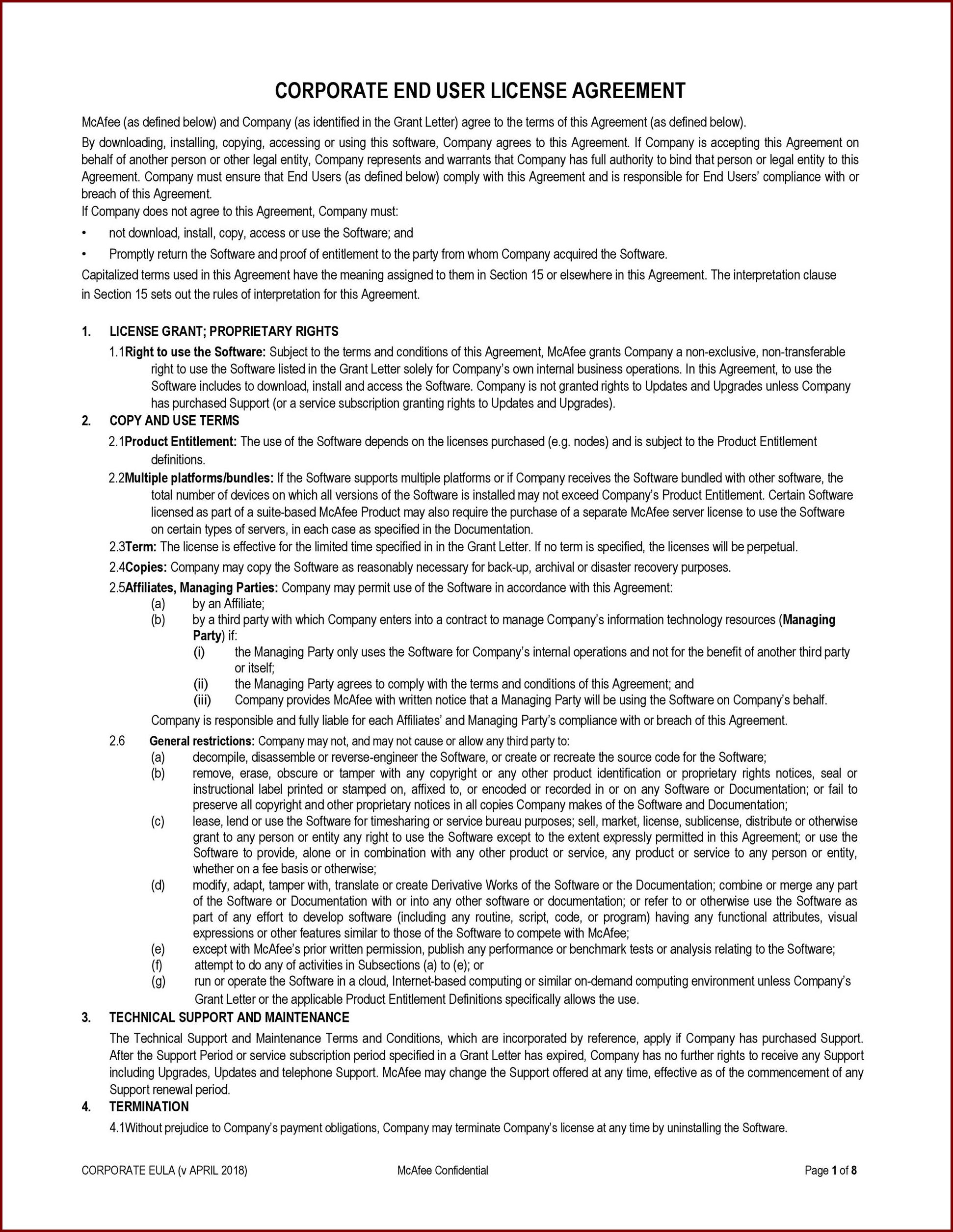
What is a Licensing Agreement?
A licensing agreement is a contract between two parties where one party (the licensor) grants the other party (the licensee) the right to use their intellectual property for a specific purpose, typically in exchange for a fee or royalty. Intellectual property can include trademarks, copyrights, patents, or trade secrets.
This agreement outlines the terms and conditions of use, as well as any restrictions or limitations.
Why Consider a Licensing Agreement?
There are several reasons why a business may choose to enter into a licensing agreement. One common reason is to generate additional revenue by allowing others to use their intellectual property in exchange for a fee. Licensing agreements can also help businesses reach new markets or expand their product offerings without having to invest in new research and development.
Additionally, licensing agreements can provide legal protection for intellectual property by clearly defining the rights and responsibilities of each party.
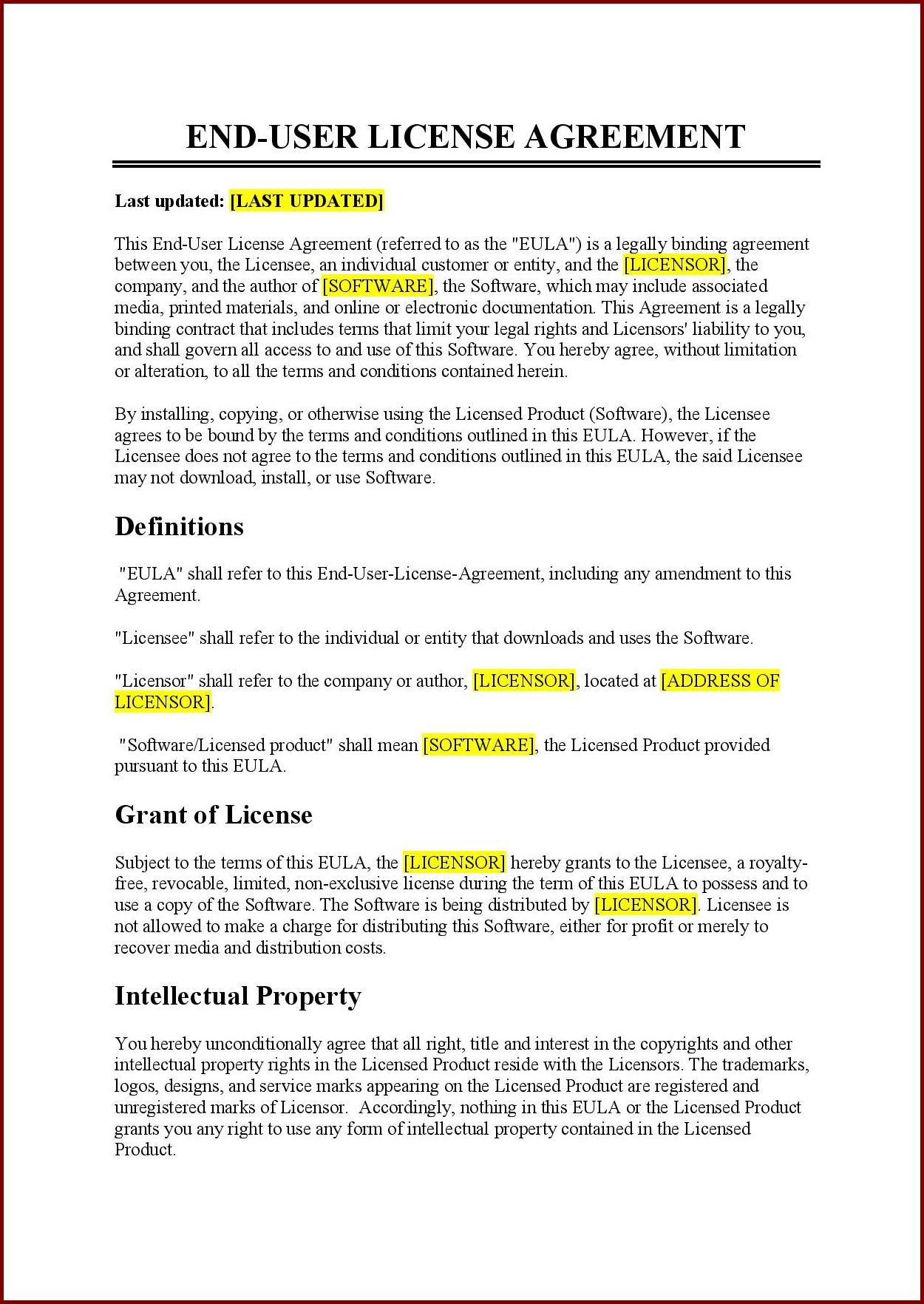
What to Include in a Licensing Agreement
When drafting a licensing agreement, it’s important to include the following key elements:
- Parties: Clearly identify the licensor and licensee.
- Scope of License: Define the specific rights granted to the licensee.
- Term and Termination: Specify the duration of the agreement and conditions for termination.
- Royalties and Payment Terms: Outline the fees or royalties to be paid and the schedule for payment.
- Intellectual Property Rights: Clarify ownership of the intellectual property and any limitations on use.
- Confidentiality: Include provisions for protecting confidential information shared during the agreement.
- Dispute Resolution: Detail the process for resolving any disputes that may arise.
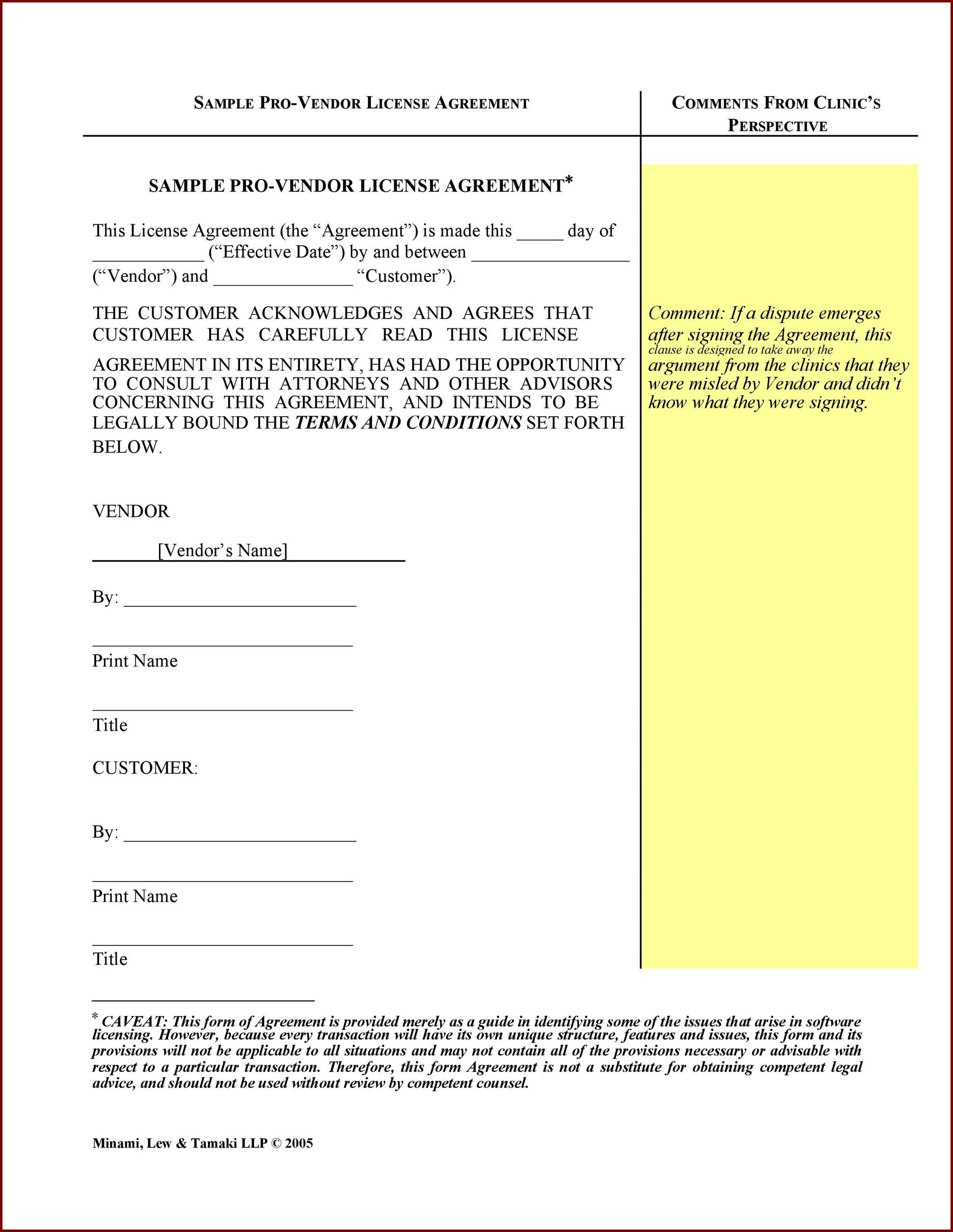
How to Negotiate a Licensing Agreement
Negotiating a licensing agreement can be a complex process, but there are several tips to help you navigate the negotiation successfully:
- Do Your Research: Understand the market value of your intellectual property before entering into negotiations.
- Set Clear Objectives: Define your goals and priorities for the agreement to guide negotiations.
- Seek Legal Advice: Consult with an attorney experienced in intellectual property law to ensure your rights are protected.
- Be Flexible: Be open to compromise on certain terms to reach a mutually beneficial agreement.
- Document Everything: Ensure all agreements and changes are documented in writing to avoid misunderstandings later on.
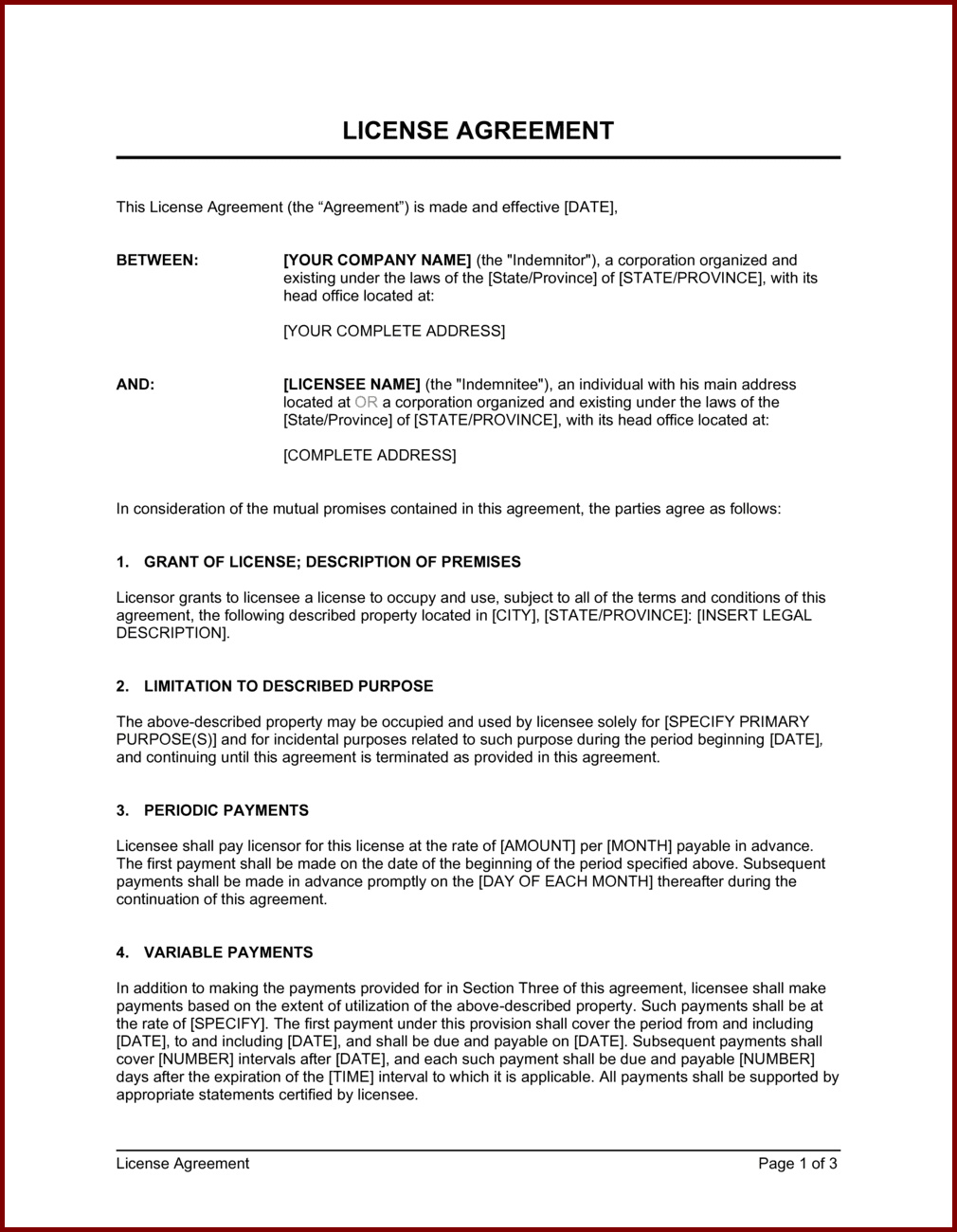
Tips for Drafting a Successful Licensing Agreement
When drafting a licensing agreement, keep the following tips in mind to create a strong and enforceable contract:
- Be Specific: Clearly define the rights and obligations of each party to avoid ambiguity.
- Include Termination Clauses: Specify conditions under which either party can terminate the agreement.
- Protect Confidential Information: Include provisions for safeguarding sensitive information shared during the agreement.
- Address Dispute Resolution: Outline the process for resolving disputes to avoid costly legal battles.
- Review Regularly: Periodically review and update the agreement to ensure it remains relevant and effective.
In Conclusion
A licensing agreement can be a powerful tool for businesses looking to protect and monetize their intellectual property. By understanding the key components of a licensing agreement, negotiating effectively, and drafting a well-crafted contract, businesses can leverage their intellectual property for growth and success. Whether you’re a startup or a multinational corporation, a licensing agreement can help you achieve your business goals while safeguarding your valuable intellectual assets.
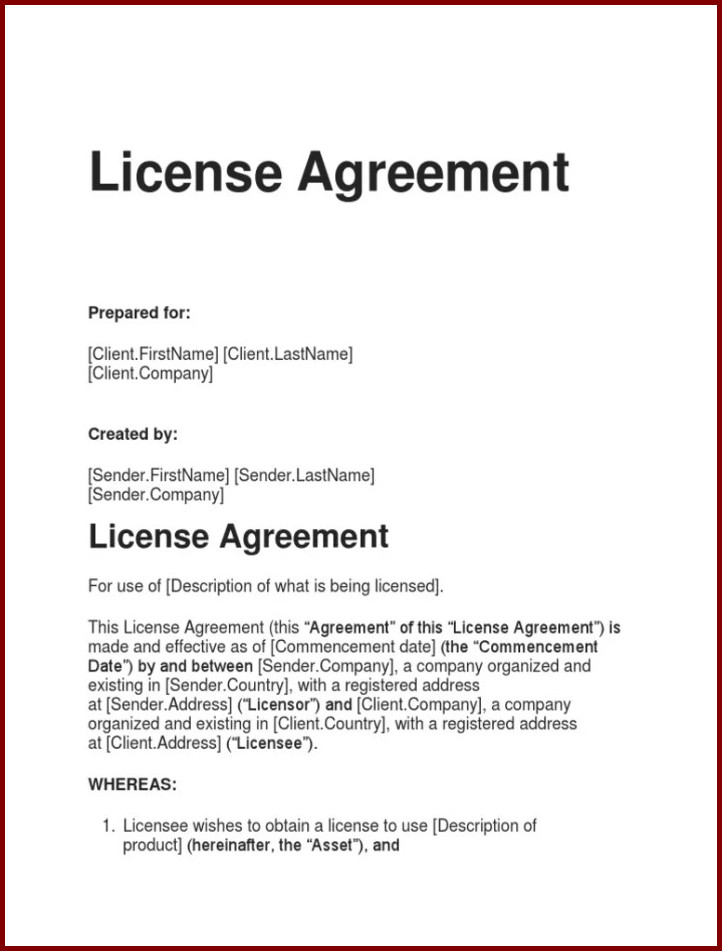
Licensing Agreement Template – Word

- Ship Chart Template - October 5, 2026
- Free Printable Table Tent Template - October 5, 2026
- Free Printable Supply List Template - October 5, 2026
