Plot diagrams are an essential tool for writers, educators, and students alike. They provide a visual representation of the events that unfold in a story, helping to map out the key elements such as the exposition, rising action, climax, falling action, and resolution. Whether you are analyzing a novel, planning your own narrative, or teaching literature, understanding the components of a plot diagram is crucial.
What is a Plot Diagram?
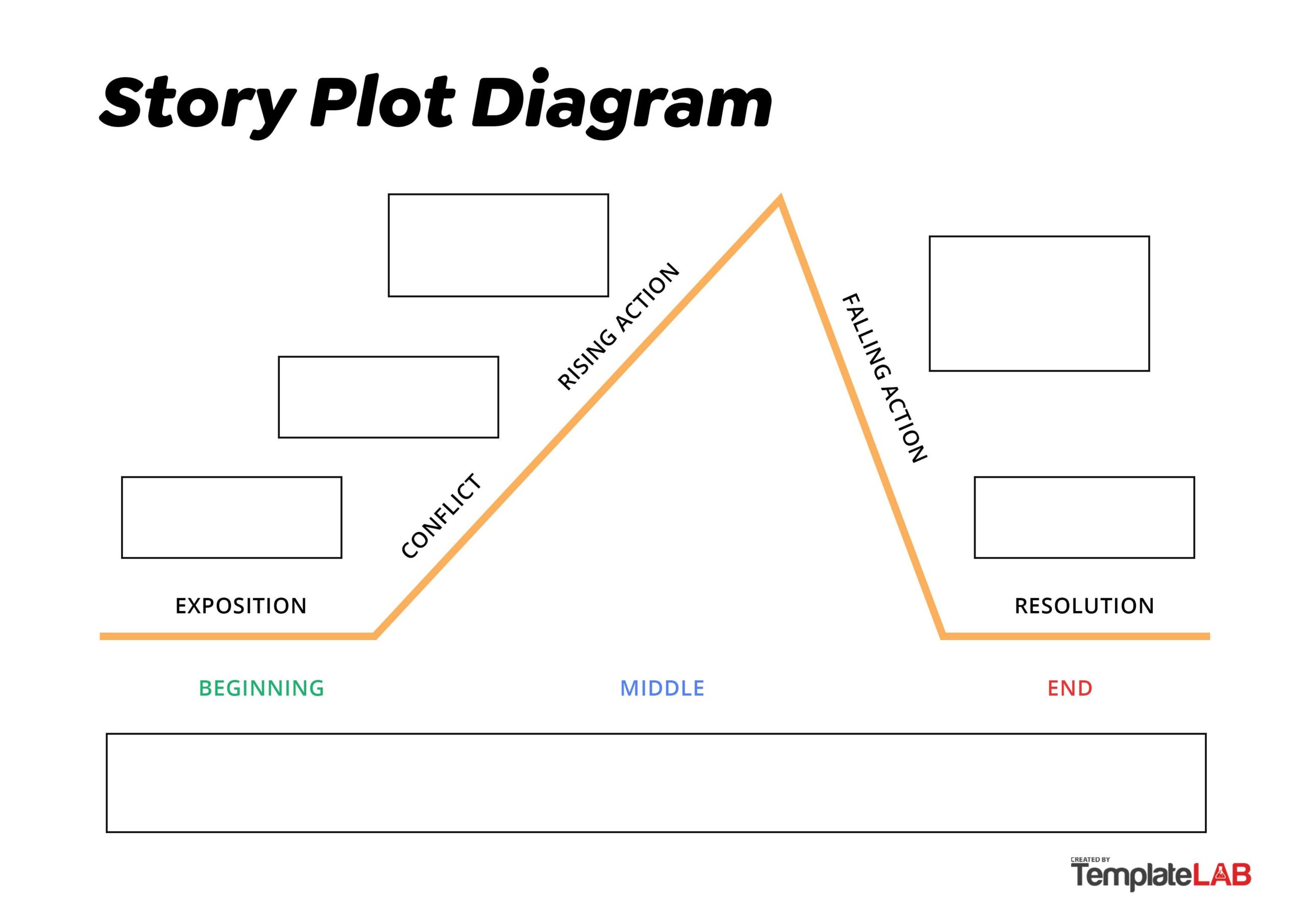
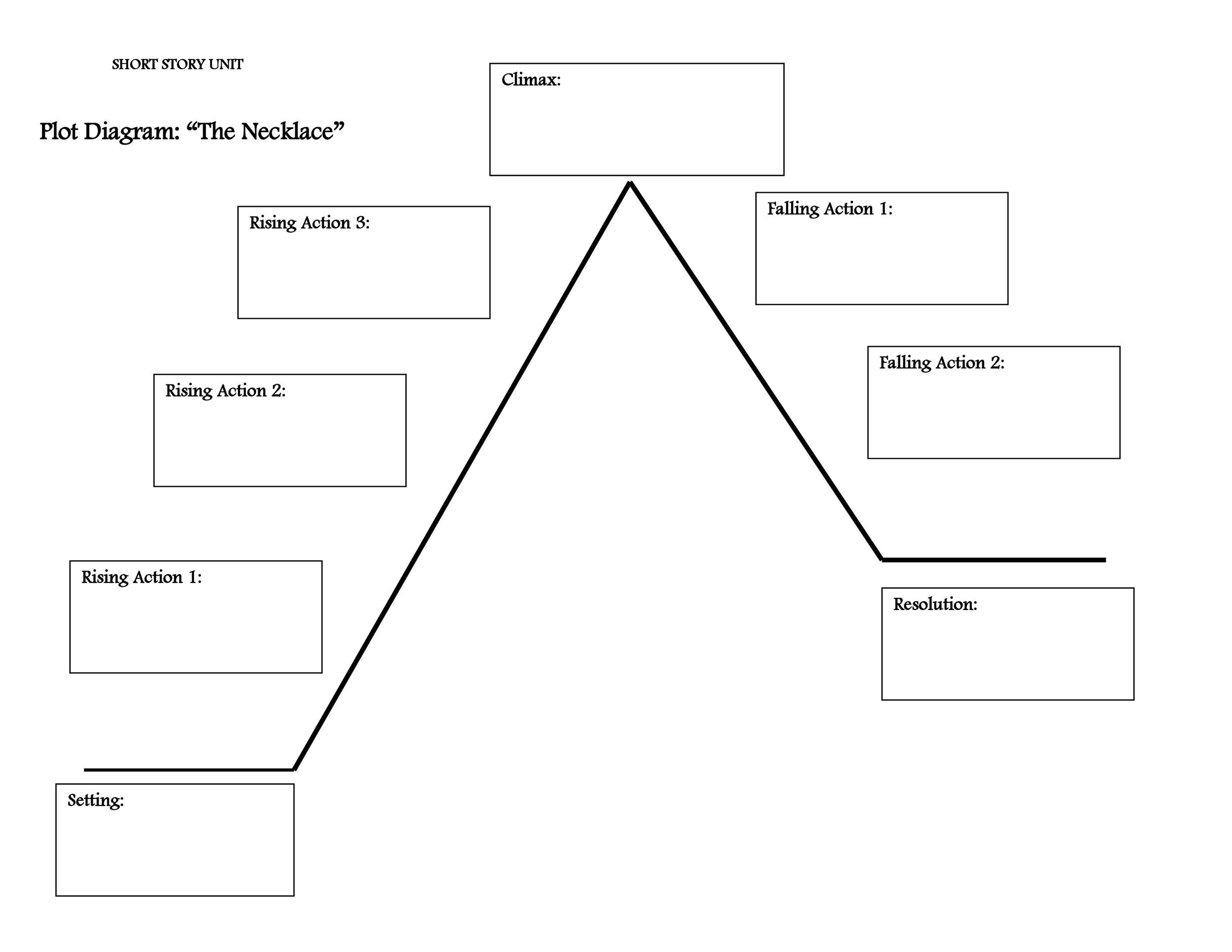
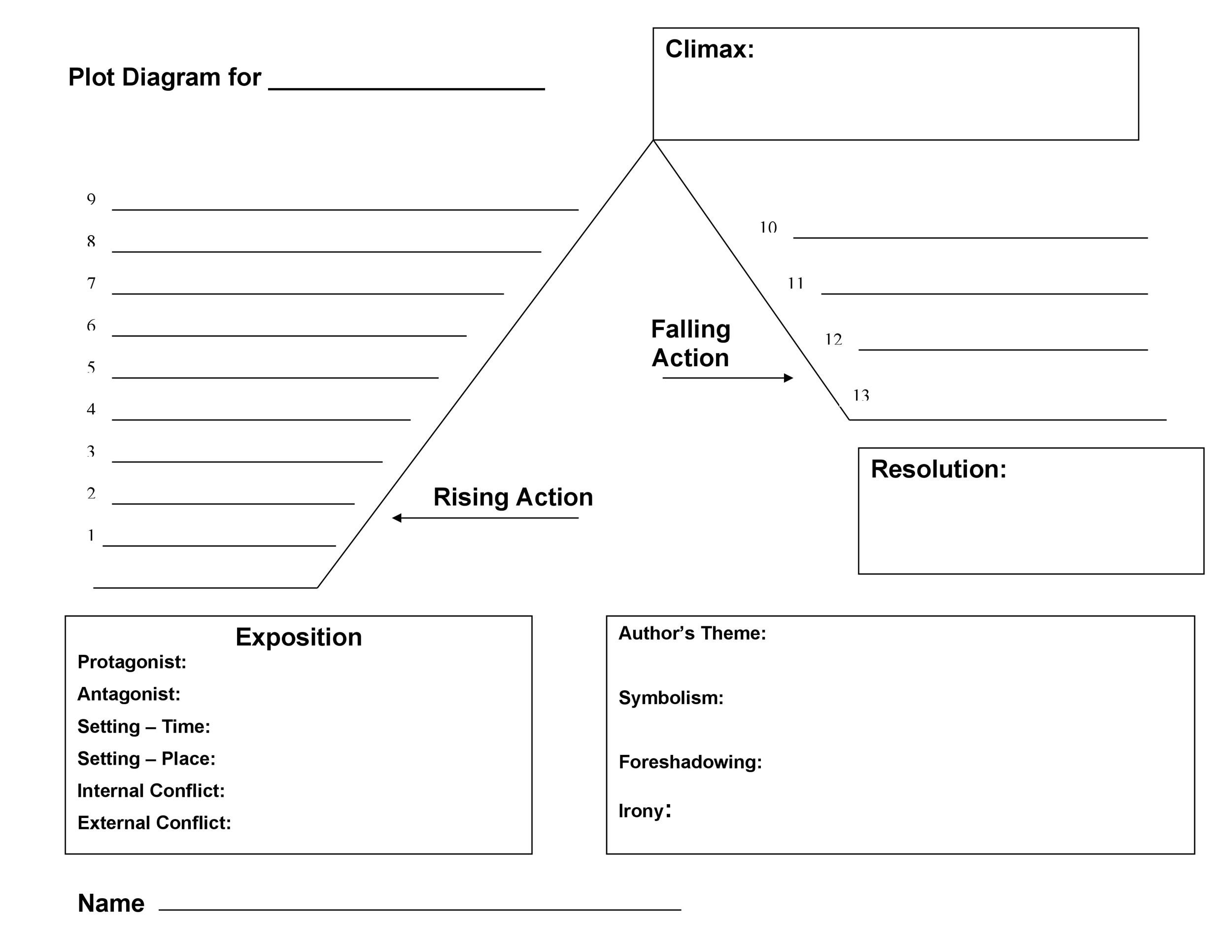
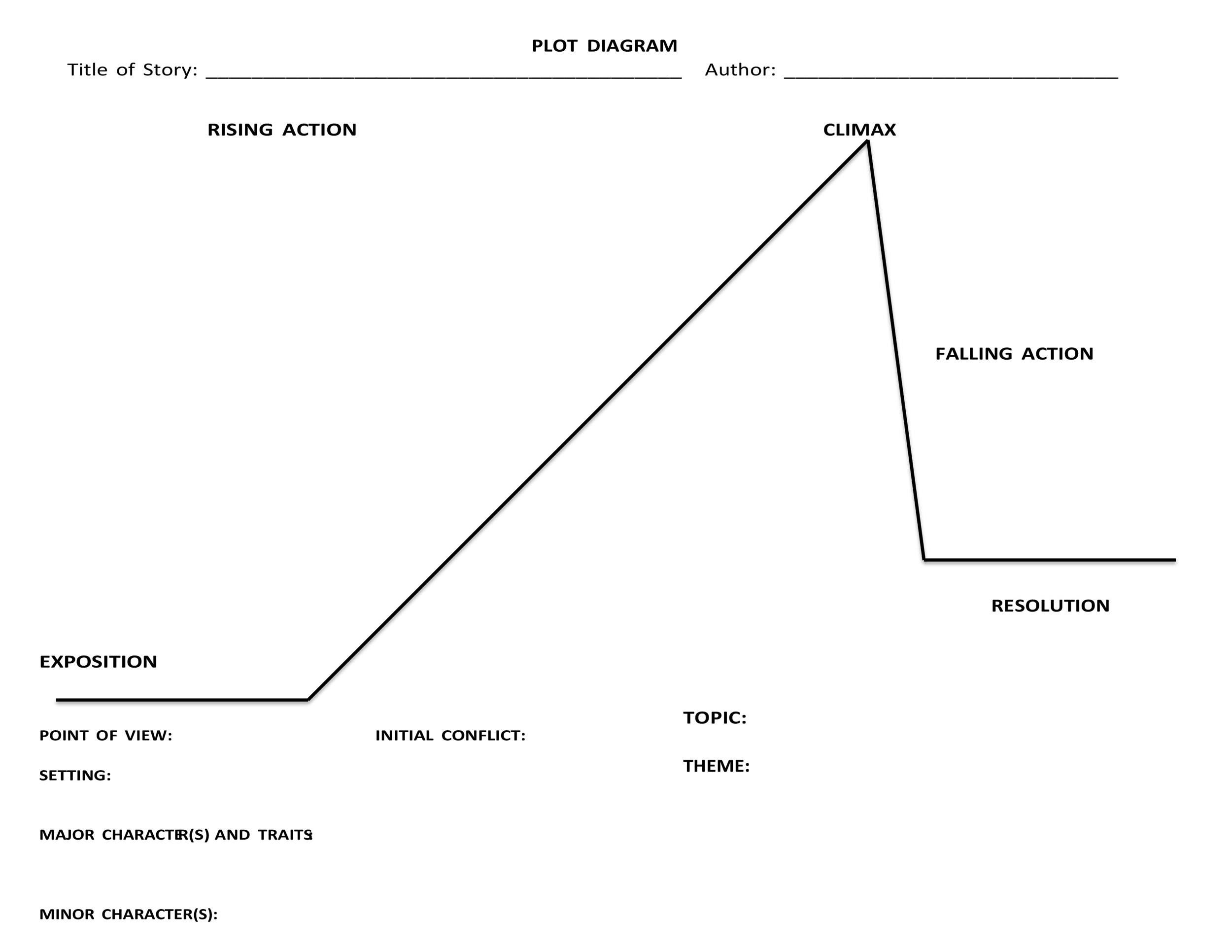
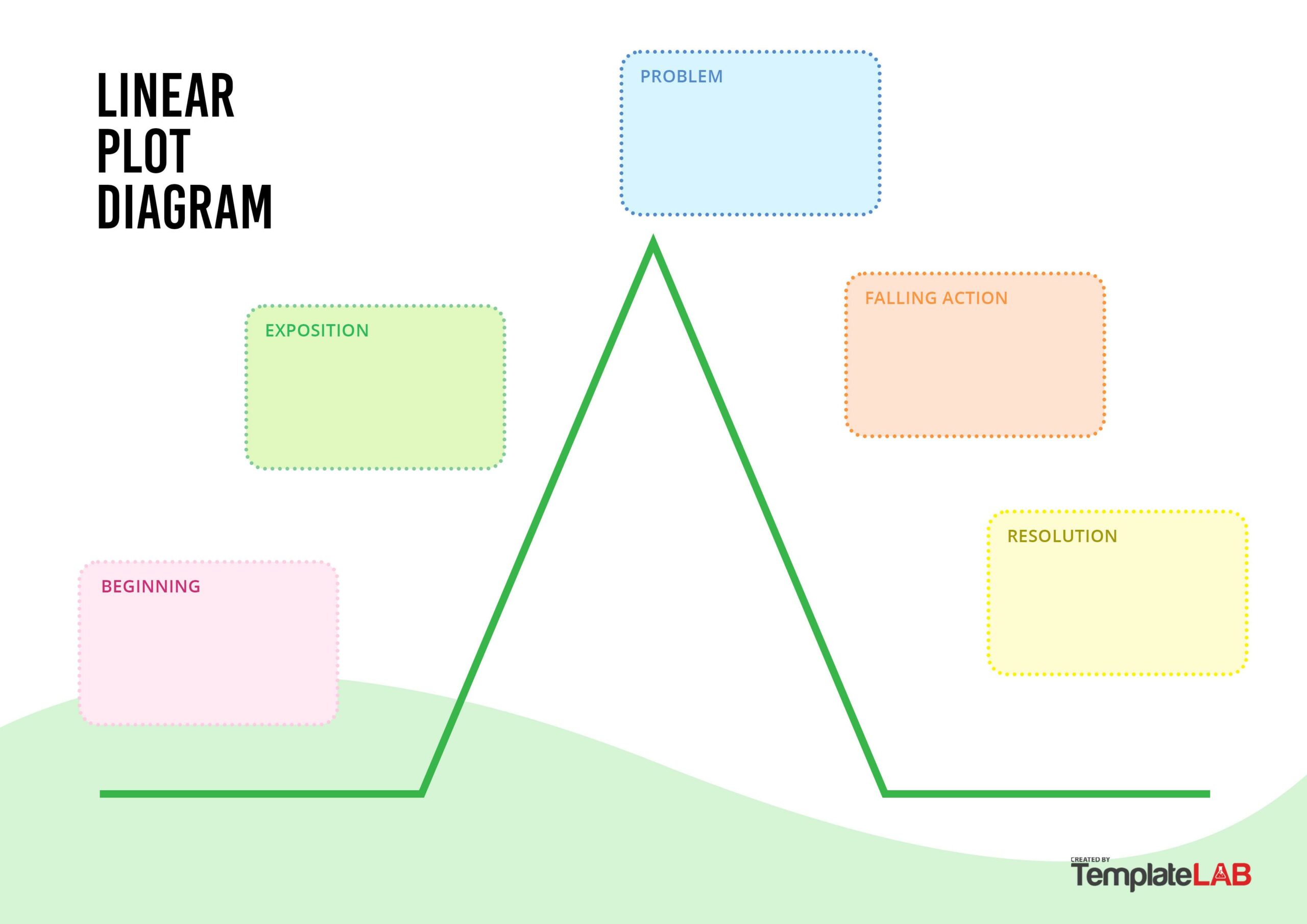
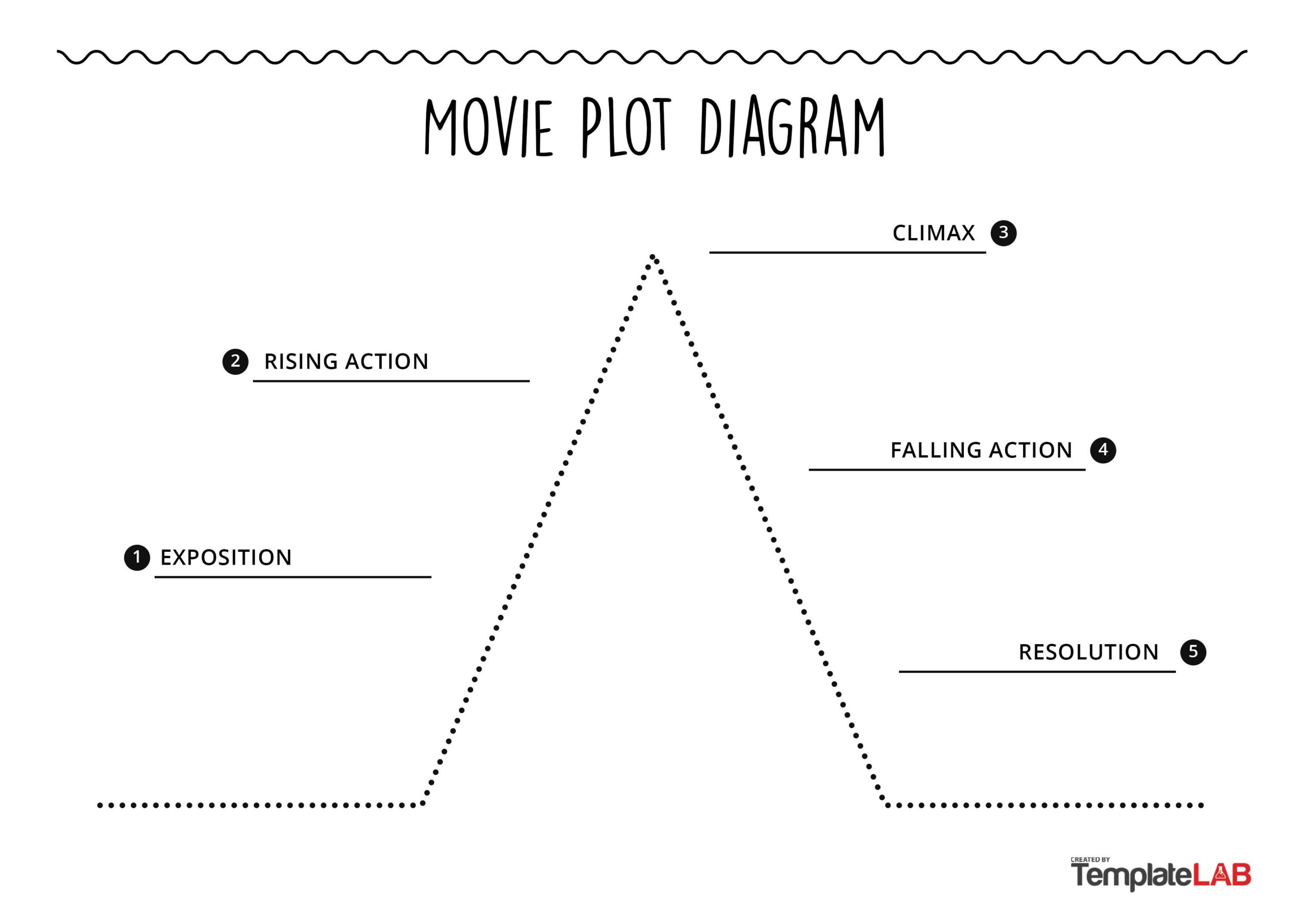
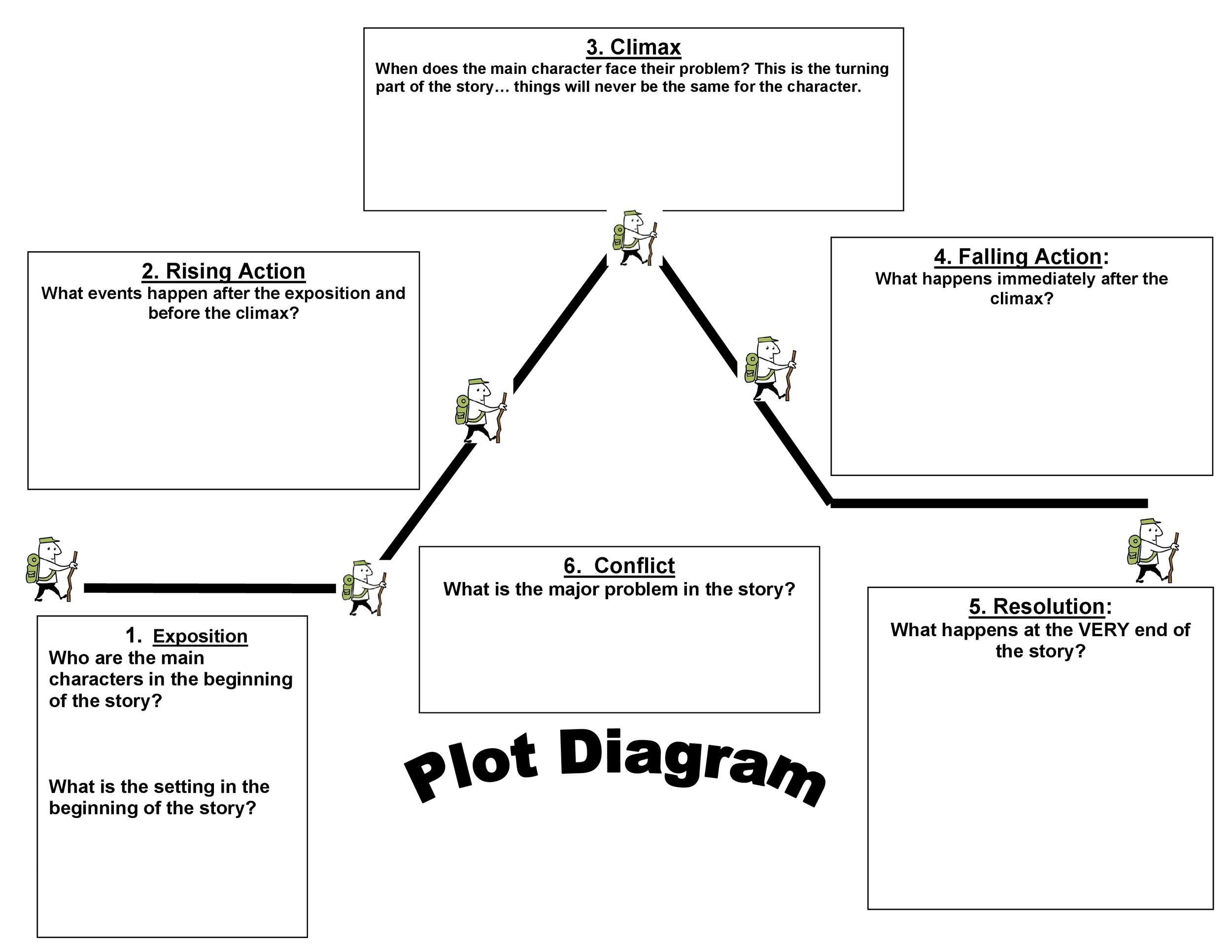
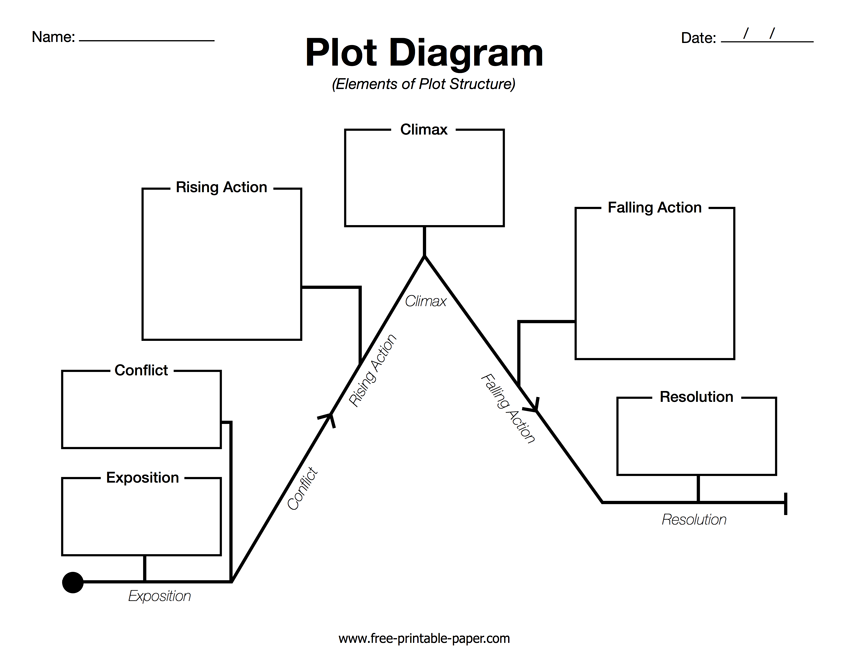
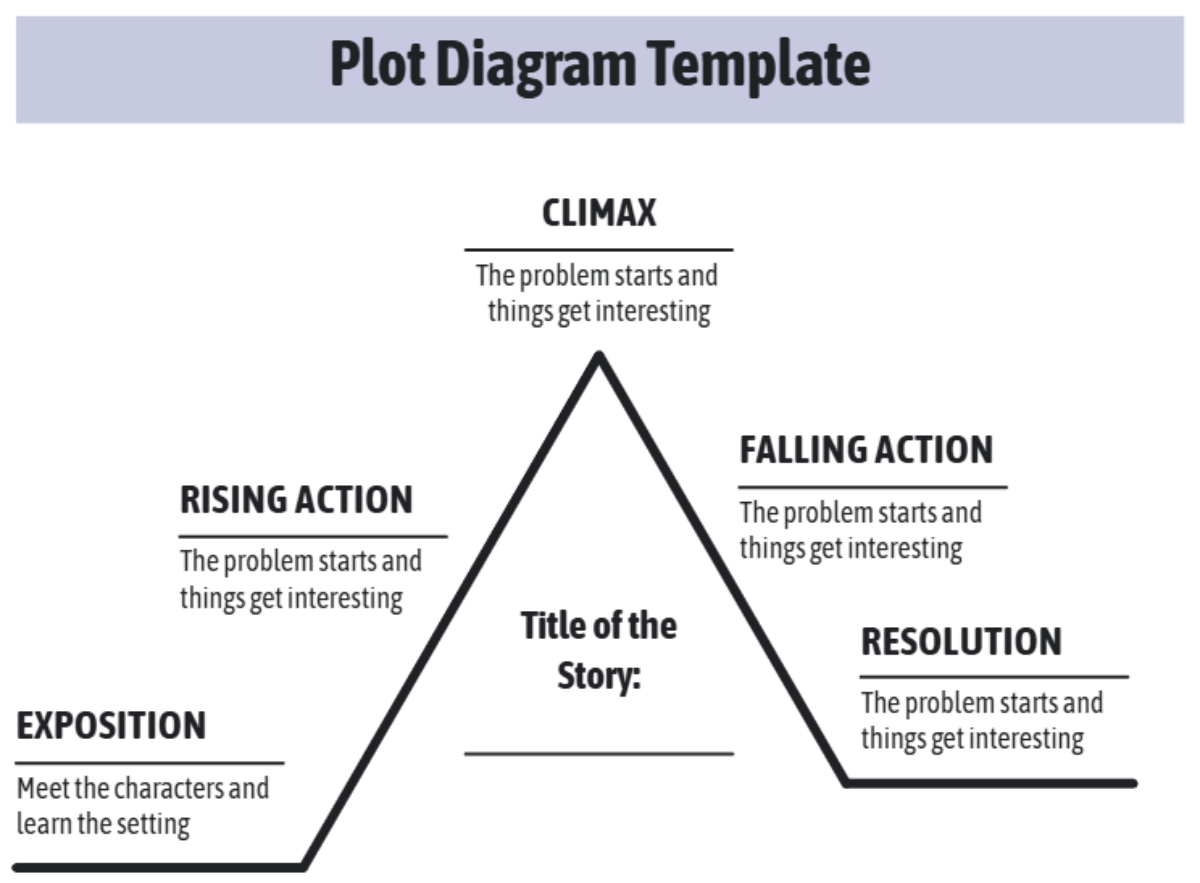
A plot diagram is a graphic organizer that illustrates the structure of a story. It typically consists of five main parts: the exposition, rising action, climax, falling action, and resolution. Each of these components plays a vital role in shaping the narrative and engaging the audience.
Why Use a Plot Diagram?
Plot diagrams serve several purposes in the realm of storytelling. They help writers organize their ideas, develop a coherent plotline, and ensure that the story follows a logical progression. For educators, plot diagrams are valuable tools for teaching literary concepts and analyzing the structure of a text. Students can also benefit from using plot diagrams to enhance their comprehension and critical thinking skills.
What to Include in a Plot Diagram
When creating a plot diagram, there are specific elements that should be included to accurately represent the story’s structure. Here are the key components to consider:
- Exposition: Introduce the characters, setting, and background information.
- Rising Action: Develop the conflict and build tension leading up to the climax.
- Climax: The turning point of the story where the conflict reaches its peak.
- Falling Action: Resolve the conflict and begin to wrap up the story.
- Resolution: Conclude the story and provide closure for the characters and plot.
Examples
How to Create a Plot Diagram
Creating a plot diagram is a straightforward process that involves mapping out the key events of a story in a visual format. Here are some steps to help you create your own plot diagram:
- Identify the key elements of the story: Determine the main characters, setting, conflict, and resolution.
- Organize the events: Arrange the events in chronological order to show the progression of the plot.
- Create a visual representation: Draw a diagram or use a template to illustrate the exposition, rising action, climax, falling action, and resolution.
- Label each section: Clearly mark each part of the plot diagram to indicate its significance in the story.
Tips for Successful Plot Diagrams
To create a successful plot diagram, keep the following tips in mind:
- Focus on the main plot points: Highlight the most important events that drive the story forward.
- Use clear and concise language: Ensure that your labels and descriptions are easy to understand.
- Stay organized: Keep your plot diagram neat and structured to convey the narrative effectively.
- Revise and refine: Review your plot diagram to make sure it accurately reflects the story’s structure and message.
- Experiment with different layouts: Explore various formats and styles to find the one that best represents your story.
By understanding the components of a plot diagram and how to create one effectively, you can enhance your storytelling skills, analyze literature more critically, and engage with stories on a deeper level. Whether you are a writer, educator, or avid reader, mastering the art of plotting is essential for crafting compelling narratives.
Plot Diagram Template – Download

- Free Printable Bill Receipt Template - October 27, 2026
- Free Printable Bill Organizer Template - October 27, 2026
- Bill of Materials Template - October 27, 2026
