Root cause analysis is a crucial tool in problem-solving that focuses on identifying the underlying causes of issues rather than just addressing the symptoms. By digging deeper into the root causes of problems, organizations can implement more effective and long-lasting solutions.
In this article, we will explore the what, why, and how of root cause analysis, as well as provide tips for successful implementation.
What is Root Cause Analysis?
Root cause analysis is a methodical approach to problem-solving that aims to identify the fundamental reason for an issue. Instead of just treating the symptoms, root cause analysis seeks to uncover the underlying factors that contribute to a problem. By understanding the root causes, organizations can develop more effective solutions that prevent the issue from recurring.
Why is Root Cause Analysis Important?
Root cause analysis is essential for organizations looking to improve their processes and prevent recurring problems. By identifying the underlying causes of issues, organizations can implement targeted solutions that address the root of the problem. This not only leads to more efficient operations but also helps in avoiding costly mistakes in the future.
What to Include in Root Cause Analysis?
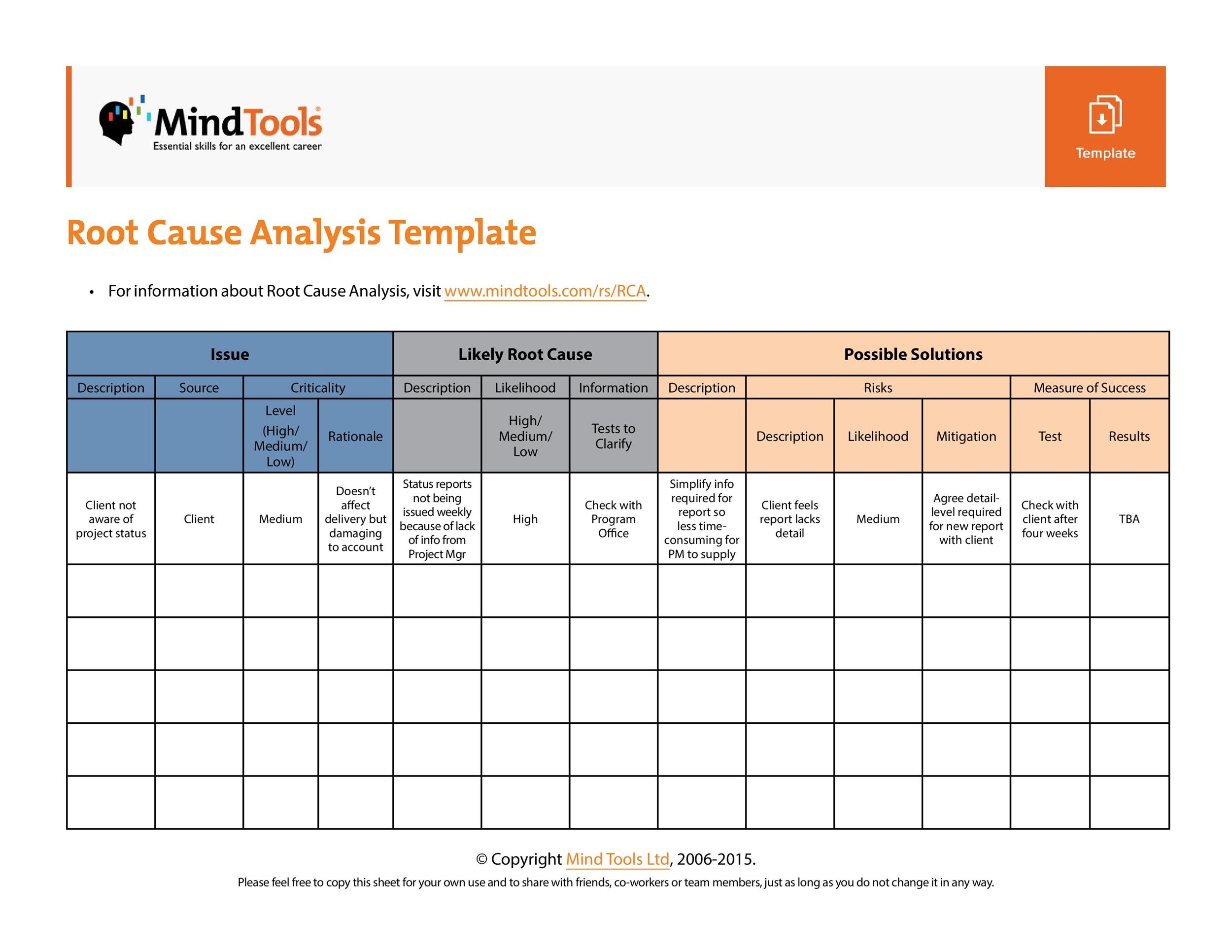
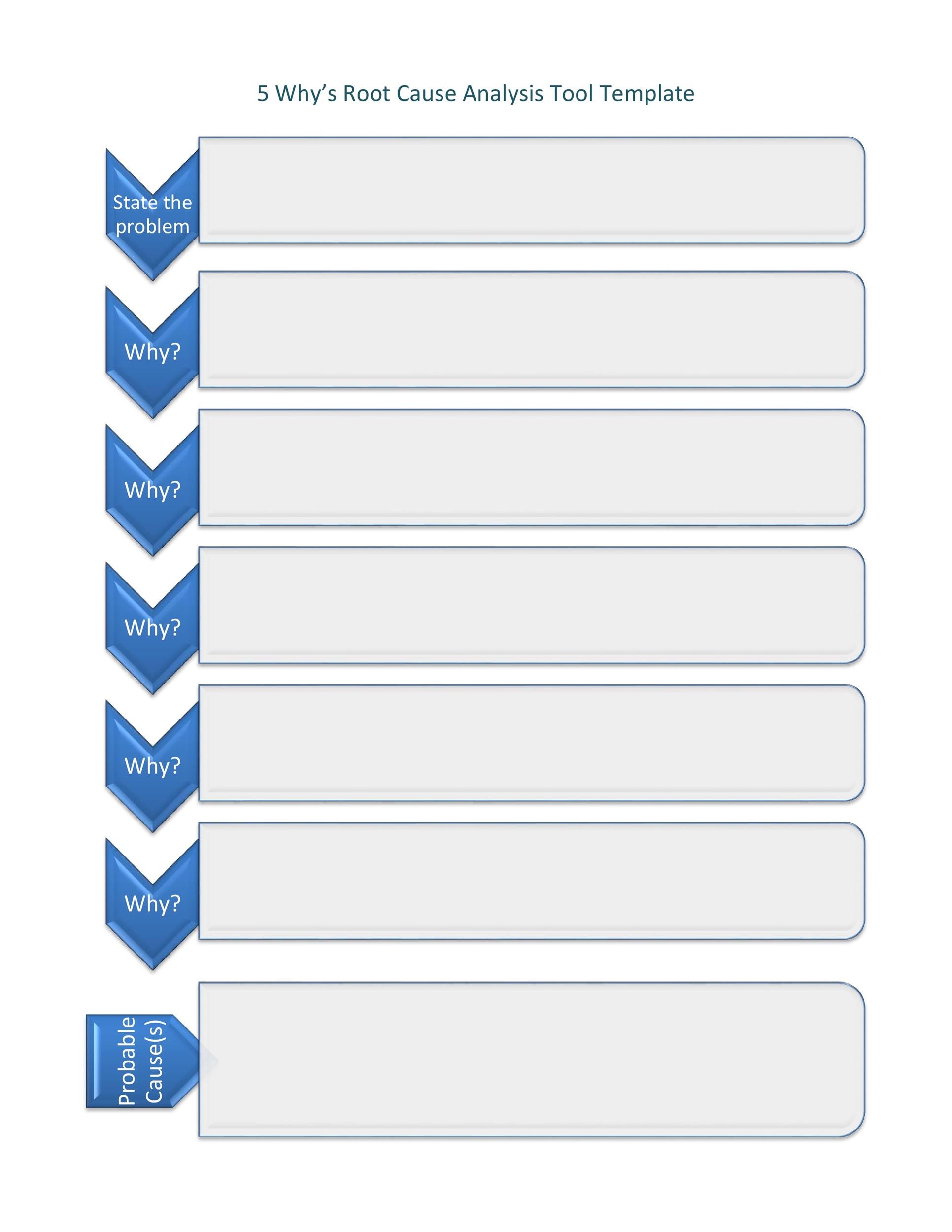
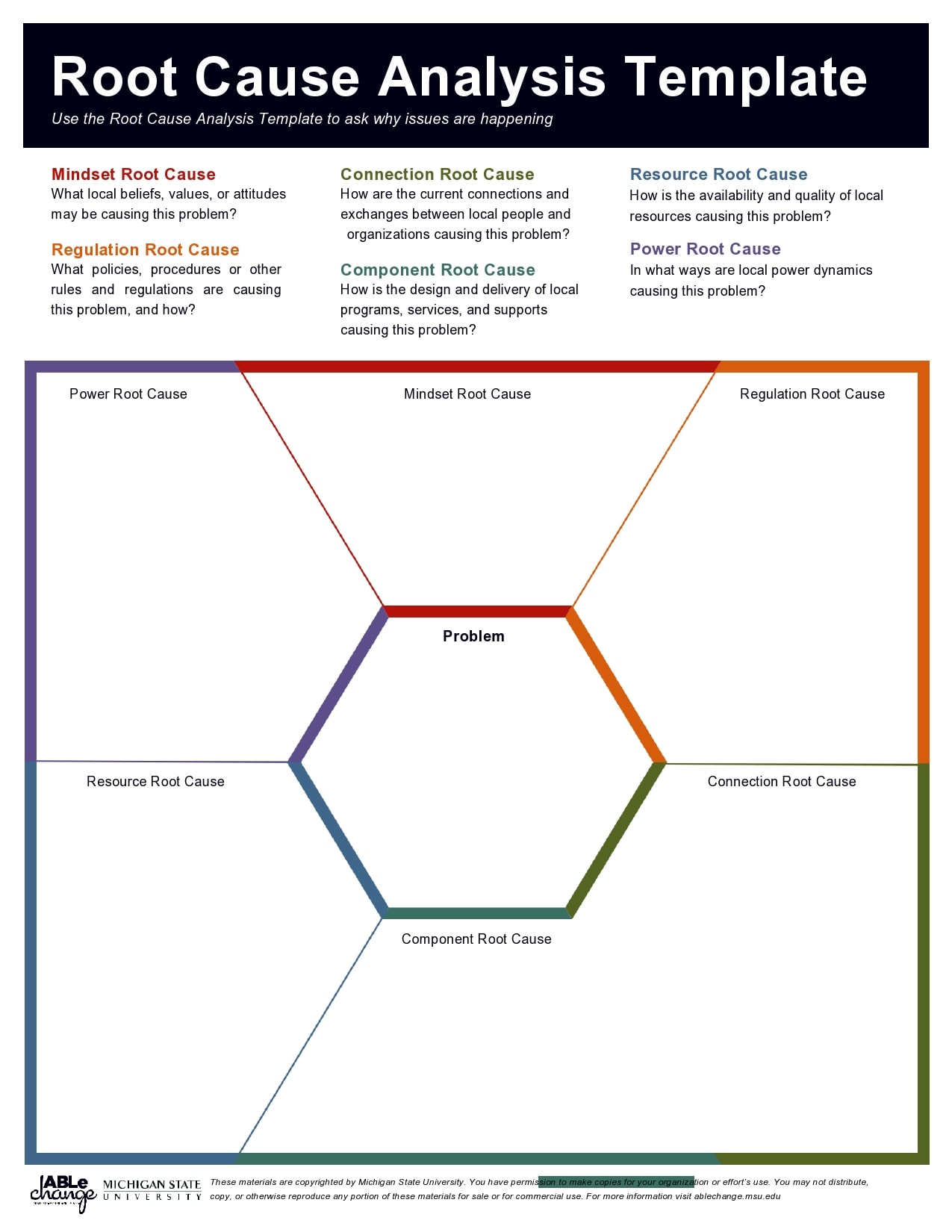
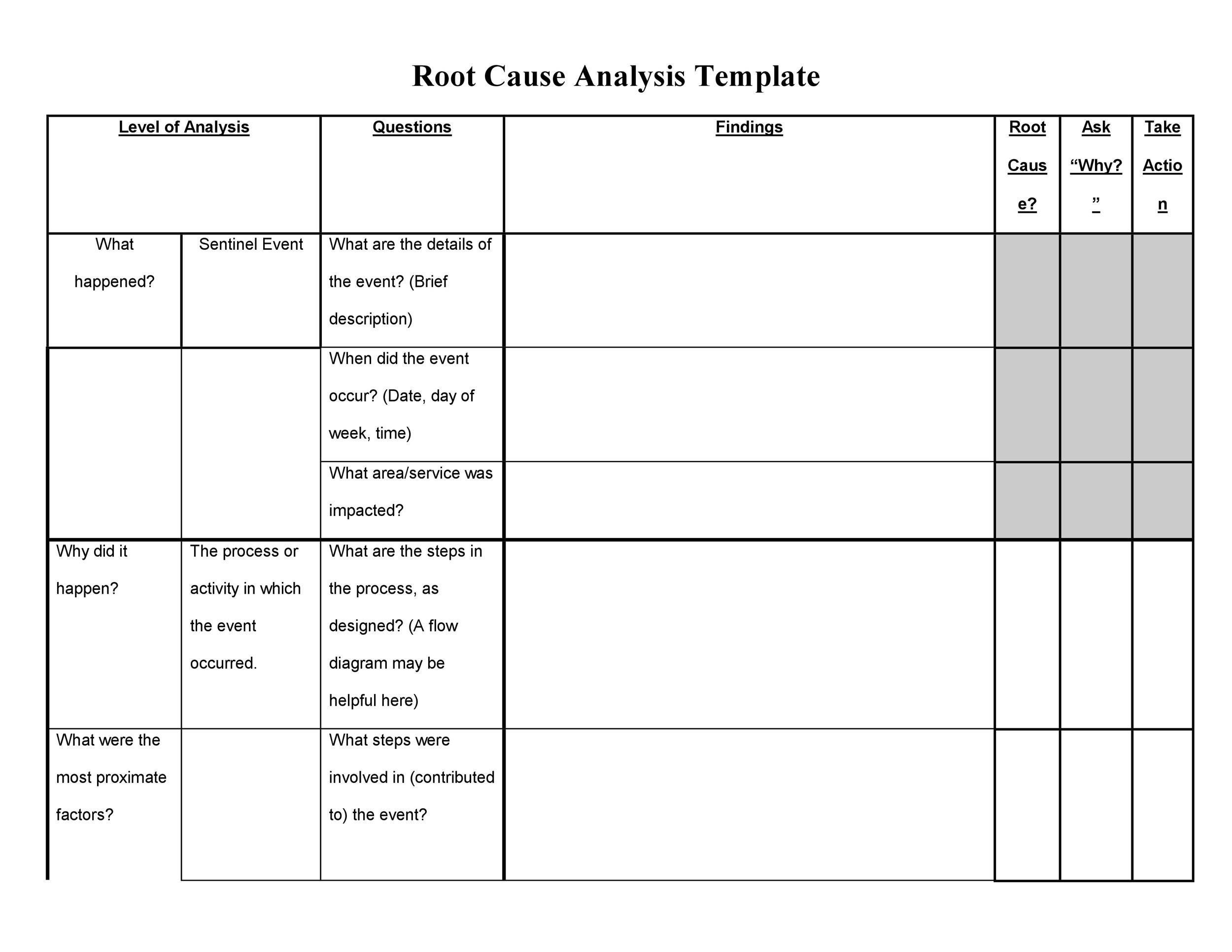
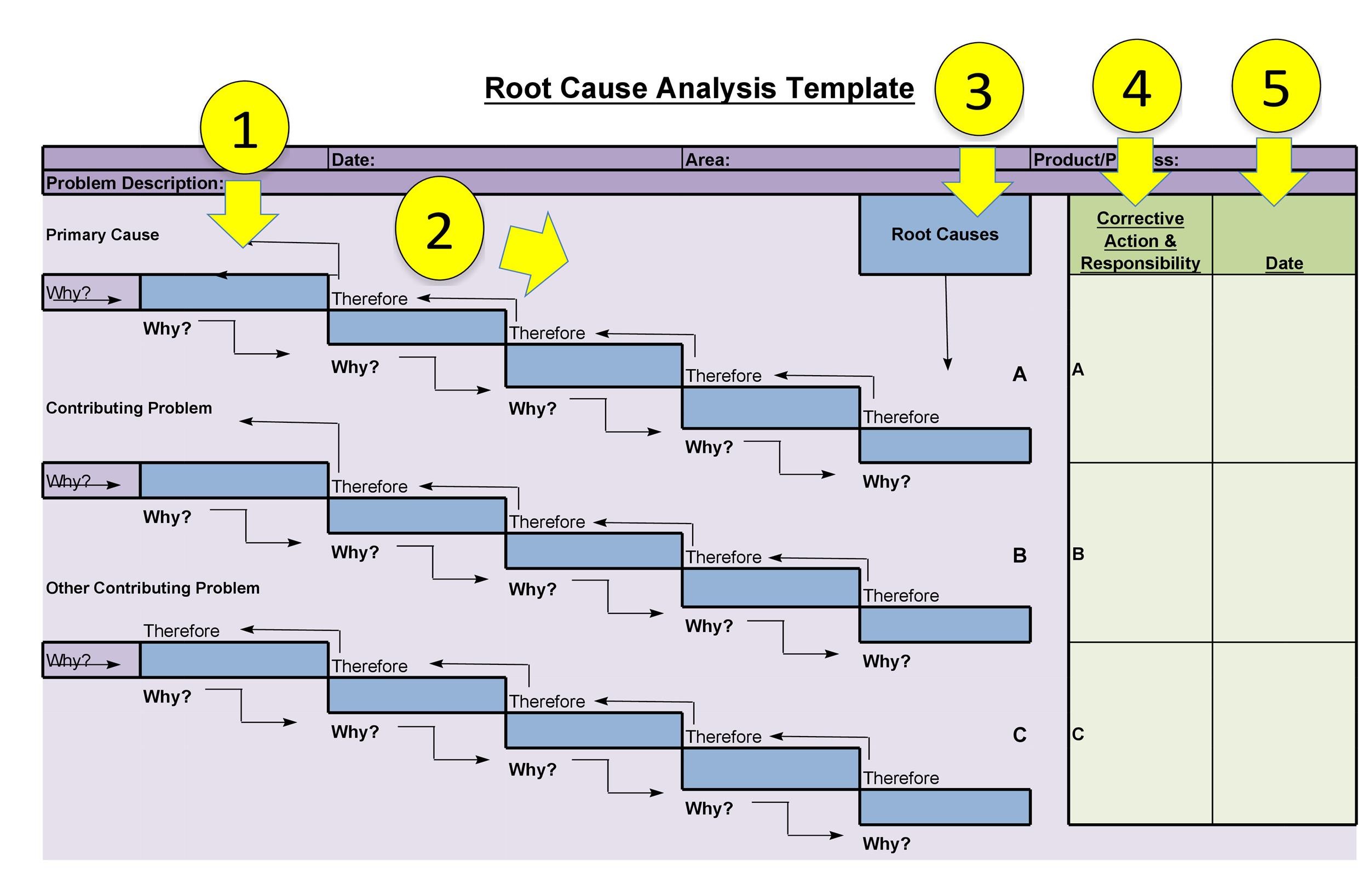
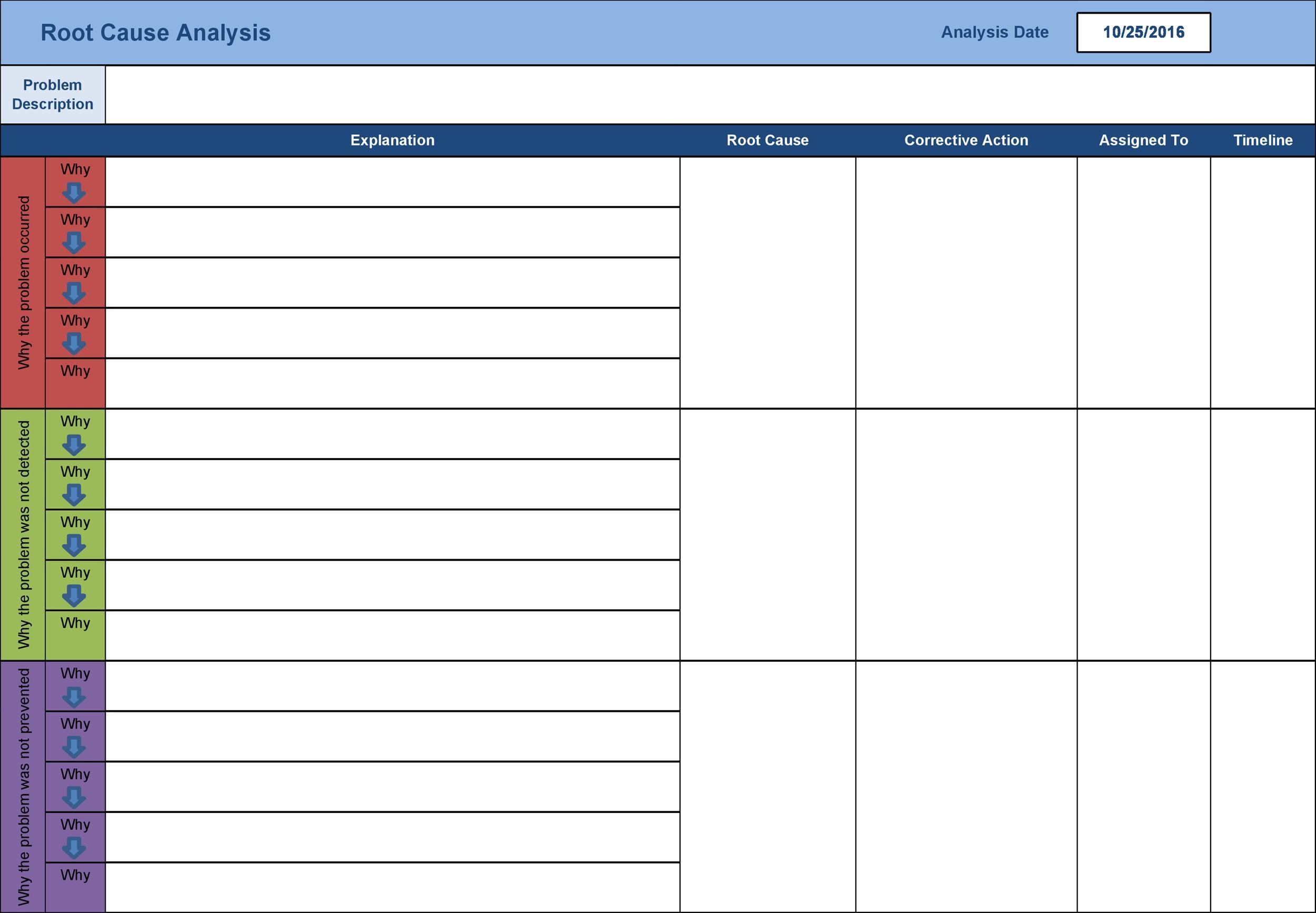
When conducting a root cause analysis, it is important to gather as much data as possible to understand the problem thoroughly. This may involve interviewing stakeholders, reviewing documentation, and analyzing process flows. It is also crucial to ask “why” multiple times to drill down to the root cause of the issue.
Examples
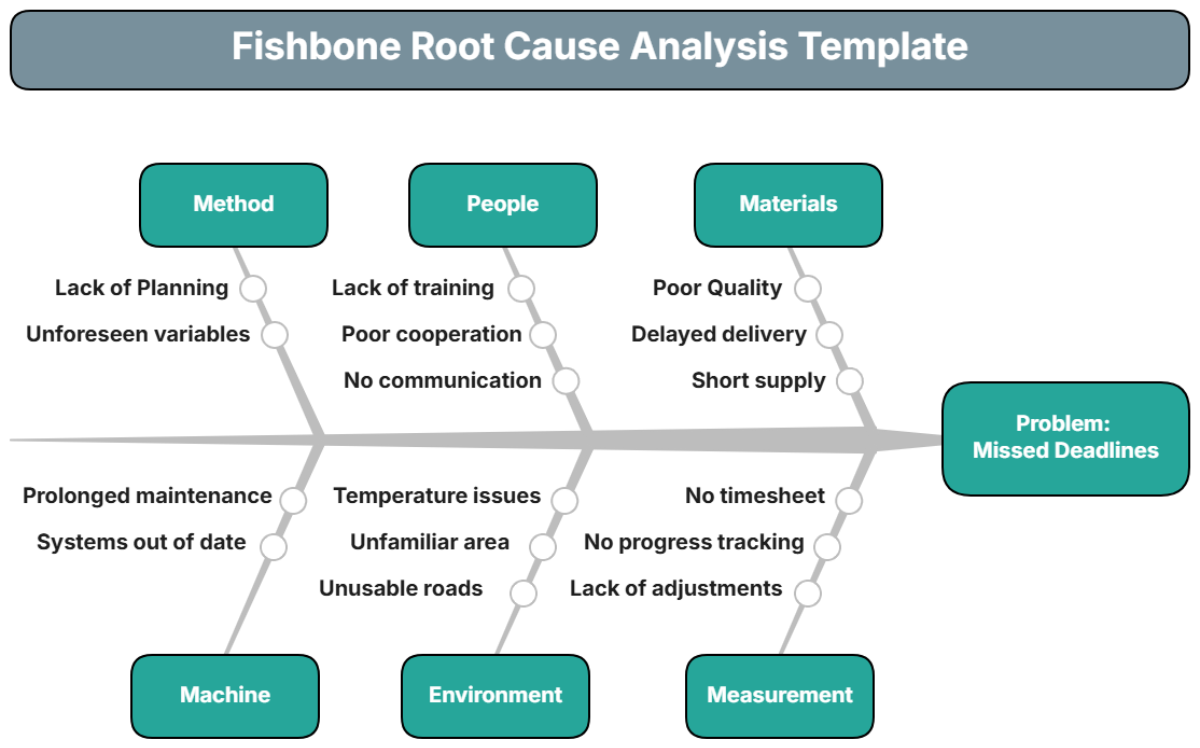
How to Conduct Root Cause Analysis
The following steps can help guide you through the process of conducting a root cause analysis:
- Define the problem: Clearly articulate the issue that needs to be addressed.
- Collect data: Gather relevant information and data related to the problem.
- Identify possible causes: Brainstorm potential factors that may have contributed to the problem.
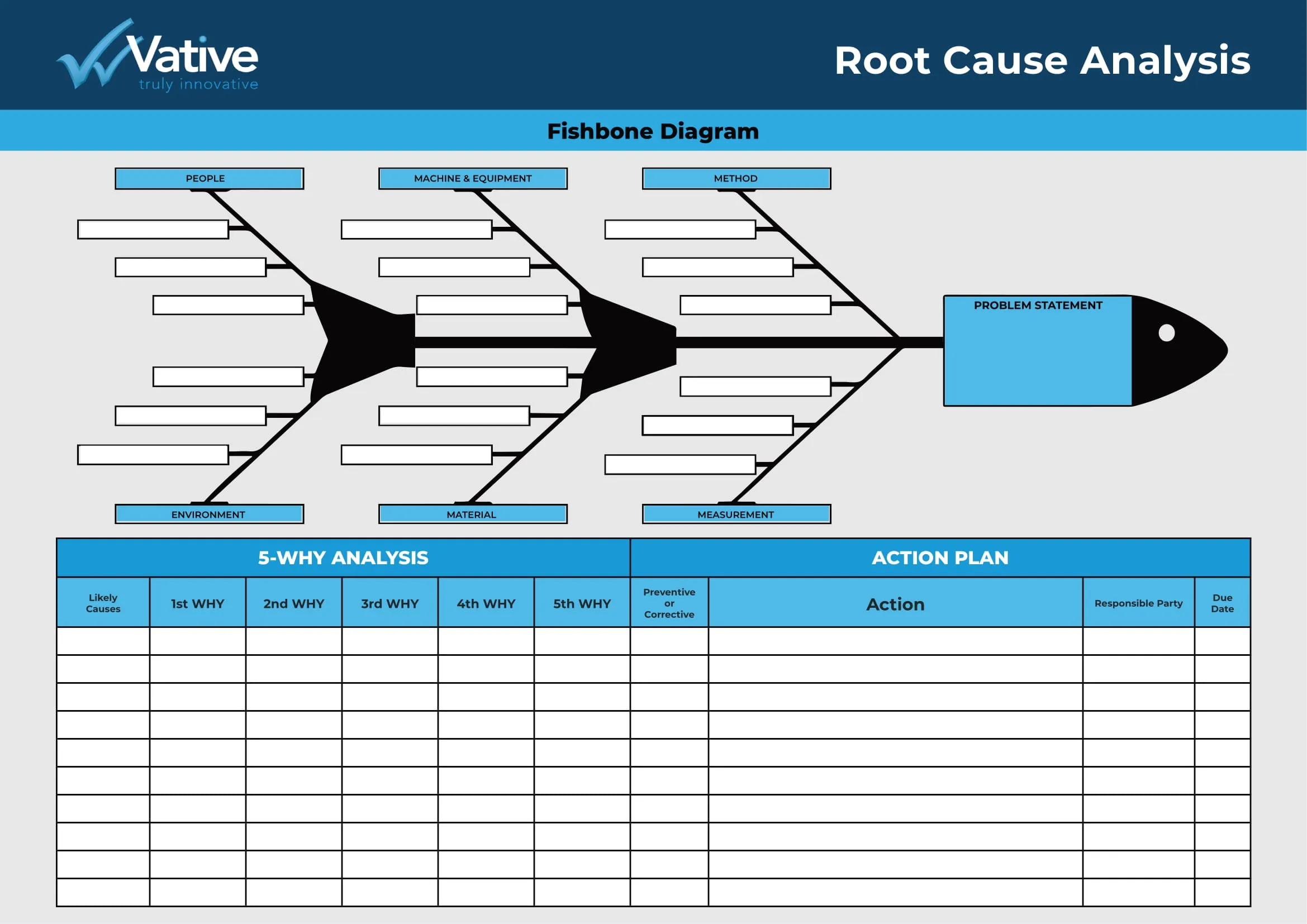
- Analyze root causes: Use tools such as the 5 Whys or Fishbone Diagram to identify the root cause of the issue.
- Develop solutions: Once the root cause is identified, develop targeted solutions to address the issue.
Tips for Successful Root Cause Analysis
When conducting a root cause analysis, keep the following tips in mind to ensure a successful outcome:
- Involve key stakeholders: Engage those who are directly impacted by the issue in the analysis process.
- Use a structured approach: Follow a systematic method like the 5 Whys or Fishbone Diagram to uncover root causes.
- Focus on facts: Base your analysis on data and evidence rather than assumptions or opinions.
- Implement corrective actions: Once the root cause is identified, take action to address the issue and prevent recurrence.
- Continuously improve: Use the findings from root cause analysis to make ongoing improvements to processes and systems.
By utilizing root cause analysis as a problem-solving tool, organizations can not only resolve immediate issues but also prevent future problems from occurring. Taking a systematic approach to identifying root causes leads to more effective solutions and ultimately helps in driving continuous improvement within an organization.
Root Cause Analysis Template – Download

- Free Printable Bill Receipt Template - October 27, 2026
- Free Printable Bill Organizer Template - October 27, 2026
- Bill of Materials Template - October 27, 2026
