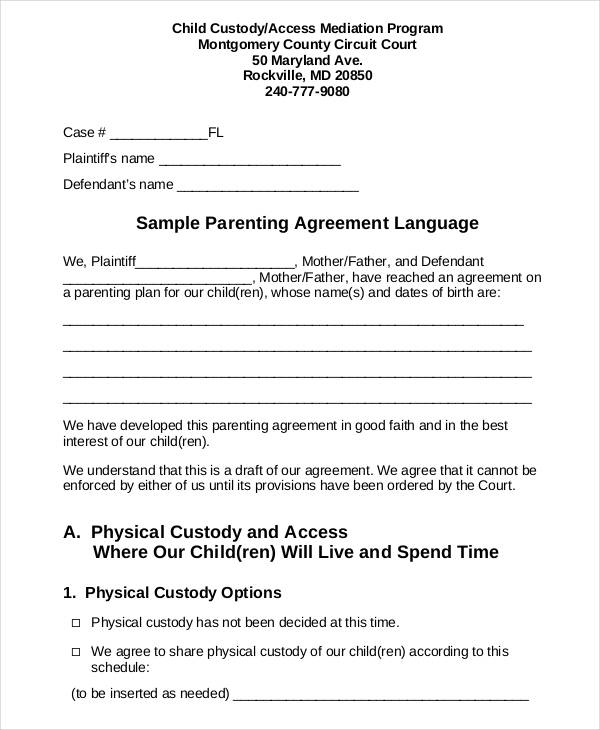
Parenting agreements, also known as parenting plans or custody agreements, are legal documents that outline the responsibilities and arrangements for raising children after a separation or divorce. These agreements are crucial for ensuring that both parents have a clear understanding of their roles and obligations in co-parenting. In this comprehensive guide, we will explore the importance of parenting agreements, what they should include, how to create one, and tips for successful co-parenting.
What is a Parenting Agreement?
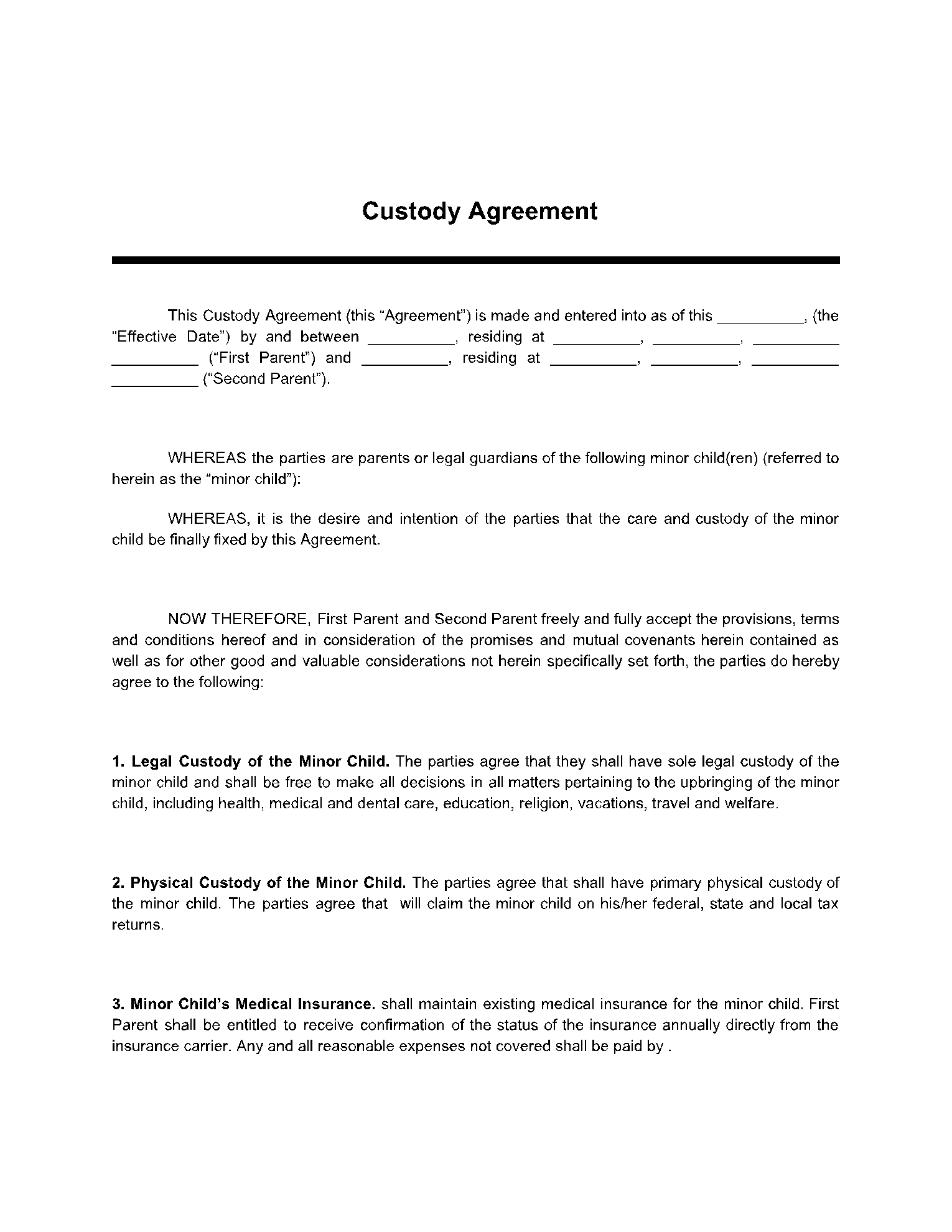
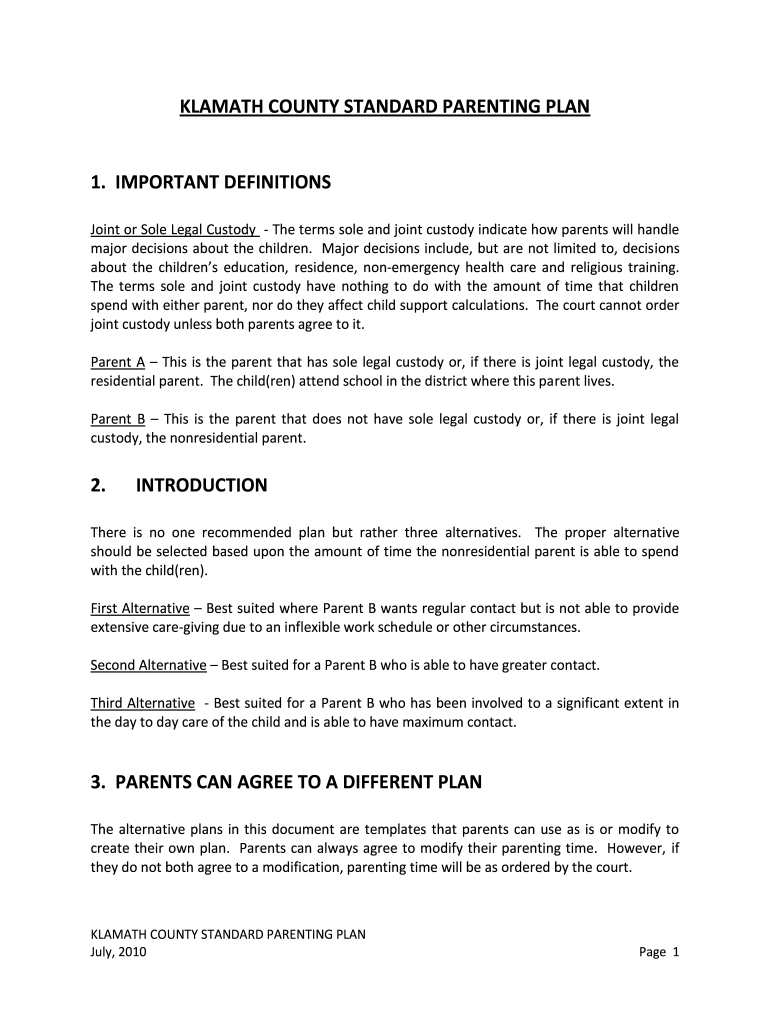
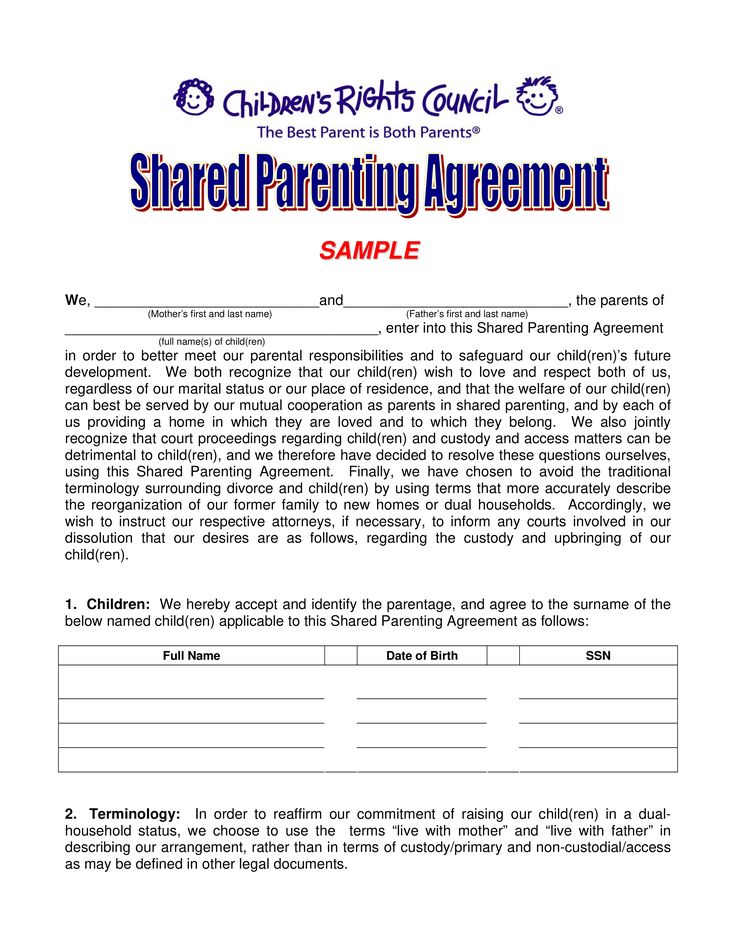
A parenting agreement is a formal document that details the terms and conditions of how parents will share custody and responsibilities for their children. This agreement is designed to ensure that both parents are on the same page when it comes to important decisions regarding the child’s upbringing, such as education, healthcare, and visitation schedules.
Parenting agreements can be created through mediation, negotiation, or with the help of a family law attorney. These agreements are legally binding and can help prevent disputes and conflicts between parents in the future.
Why are Parenting Agreements Important?
Parenting agreements are essential for ensuring that both parents have a clear understanding of their roles and responsibilities in co-parenting. These agreements help establish a framework for communication, decision-making, and conflict resolution between parents, which ultimately benefits the well-being of the children.
By outlining the terms of custody, visitation schedules, holiday arrangements, and other important details, parenting agreements can provide stability and consistency for children during a time of transition and uncertainty.
What to Include in a Parenting Agreement
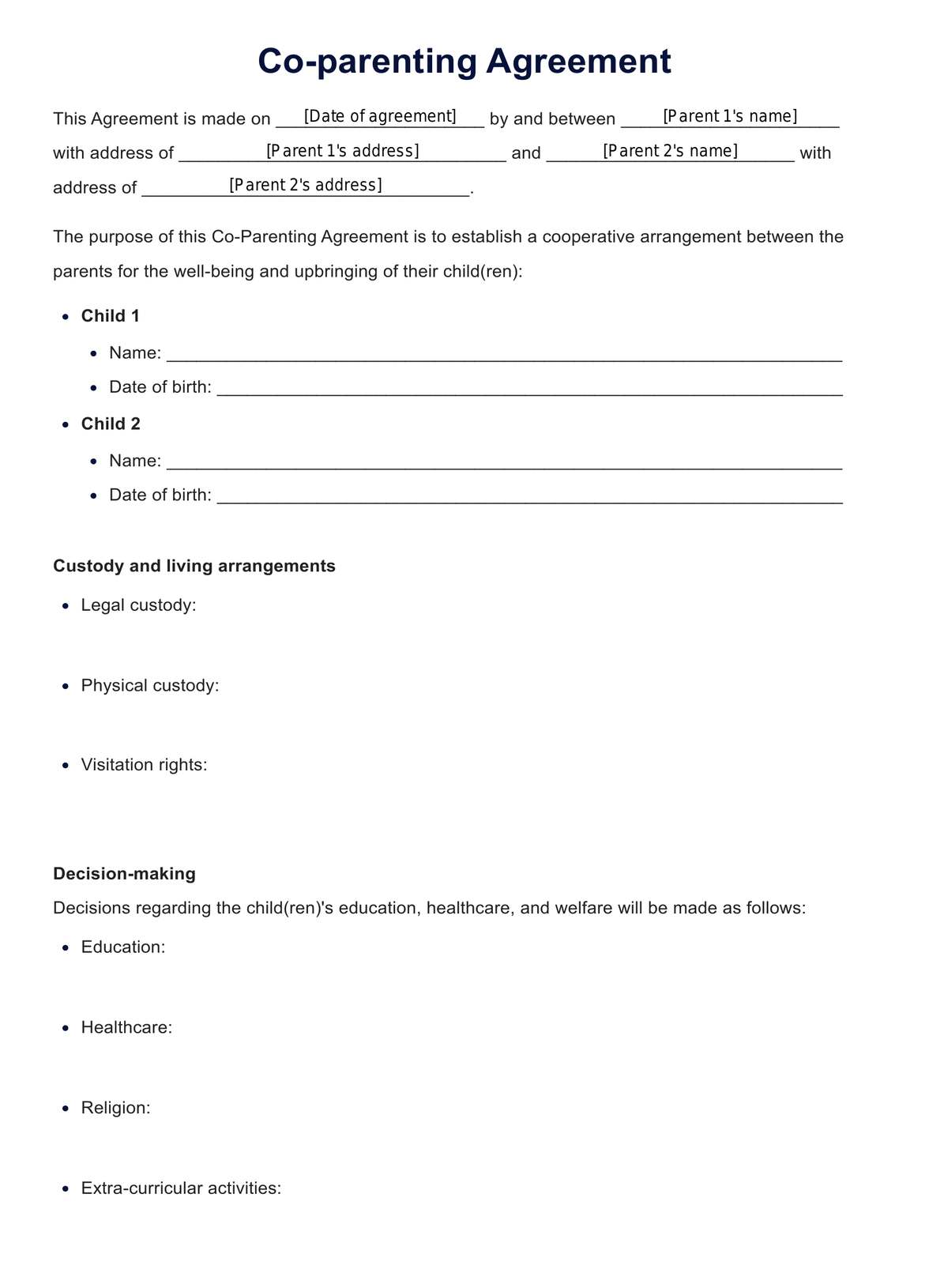
When creating a parenting agreement, it is important to include specific details that address the needs and best interests of the children. Here are some key components to consider when drafting a parenting agreement:
- Custody and Visitation Schedules. Clearly outline the custody arrangement and visitation schedule, including holidays, school breaks, and special occasions.
- Communication Plan. Establish guidelines for communication between parents, including how to handle important decisions and emergencies.
- Child Support. Specify the financial responsibilities of each parent, including child support payments, medical expenses, and extracurricular activities.
- Education and Healthcare. Detail how decisions regarding the child’s education, healthcare, and other important matters will be made.
- Dispute Resolution. Include a plan for resolving conflicts or disputes that may arise between parents in the future.
How to Create a Parenting Agreement
Creating a parenting agreement can be a collaborative process that involves open communication, compromise, and consideration for the needs of the children. Here are some steps to help you create a successful parenting agreement:
1. Communicate Effectively
Open and honest communication is key to successful co-parenting. Make an effort to listen to each other’s concerns, be flexible, and prioritize the well-being of the children.
2. Seek Mediation or Legal Advice
If you are having trouble reaching an agreement, consider seeking the help of a mediator or a family law attorney. These professionals can provide guidance and support in creating a parenting agreement that works for both parties.
3. Put the Children First
Remember that the parenting agreement is ultimately about the well-being of the children. Keep their best interests at the forefront of the decision-making process and focus on creating a stable and nurturing environment for them.
4. Be Flexible
Life is unpredictable, and circumstances may change over time. Be willing to revisit and adjust the parenting agreement as needed to accommodate new developments or changes in the children’s needs.
5. Stay Committed
Co-parenting requires dedication, patience, and a willingness to work together for the sake of the children. Stay committed to following the terms of the parenting agreement and prioritize cooperation and respect in your interactions with the other parent.
Tips for Successful Co-Parenting
Co-parenting can be challenging, but with the right approach and mindset, it is possible to build a successful co-parenting relationship. Here are some tips to help you navigate the co-parenting journey:
- Communicate Effectively. Keep the lines of communication open and respectful with the other parent.
- Put the Children First. Focus on what is best for the children and prioritize their well-being above all else.
- Be Flexible. Be willing to compromise and adjust your co-parenting arrangements as needed.
- Seek Support. Don’t be afraid to seek help from a therapist, mediator, or support group if you are struggling with co-parenting.
- Take Care of Yourself. Remember to take care of yourself physically, mentally, and emotionally to be the best parent you can be for your children.
By creating a comprehensive parenting agreement, committing to effective communication, and prioritizing the well-being of the children, parents can navigate the challenges of co-parenting successfully and provide a stable and loving environment for their children.

- Wedding Invitation Wording Template - September 27, 2026
- Free Printable Vacation Planner Template - September 27, 2026
- Free Printable Slumber Party Invitation Template - September 27, 2026
