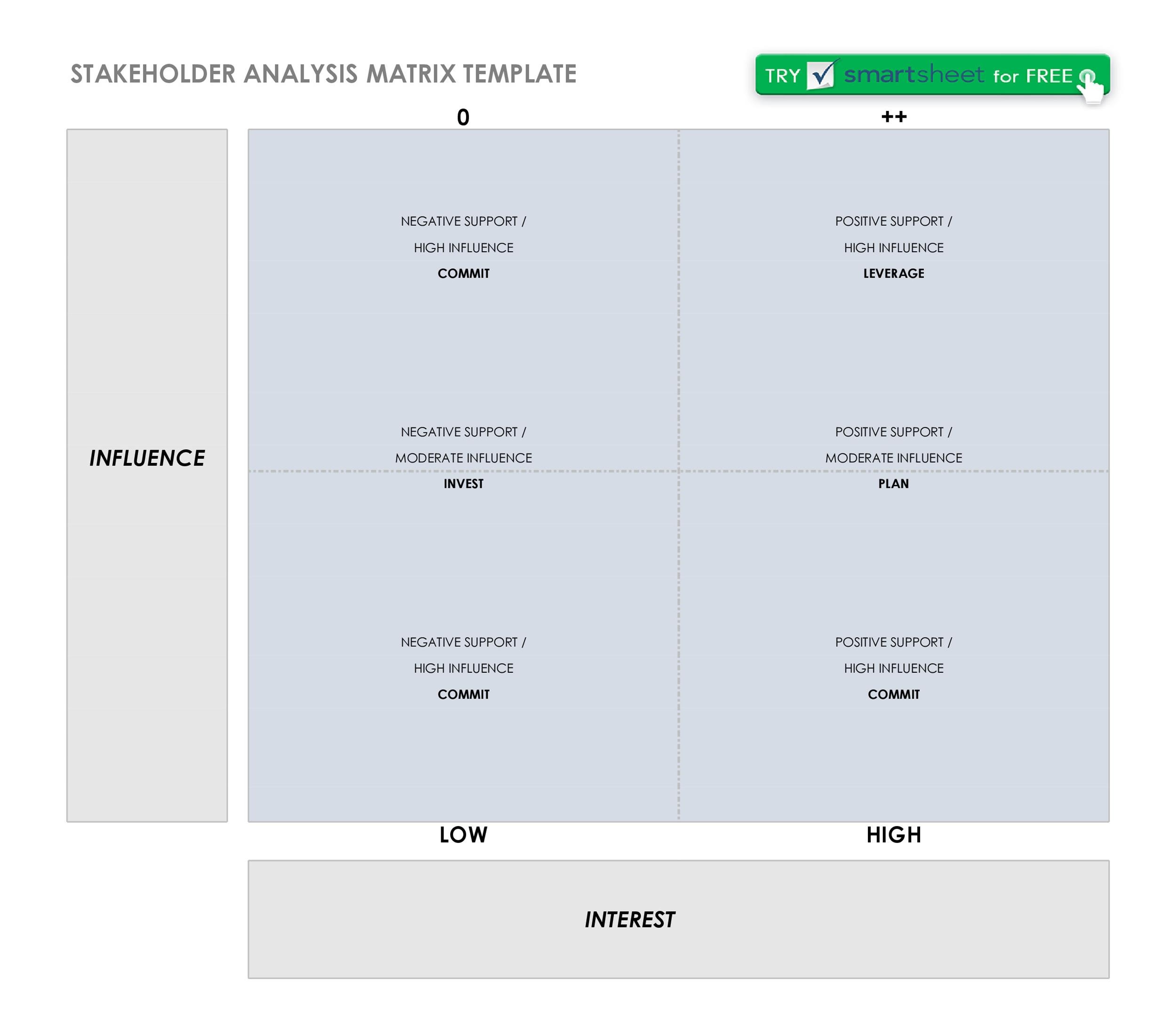
Stakeholder analysis is a crucial process in project management that involves identifying, understanding, and prioritizing individuals or groups who have an interest in a project or organization. By assessing their potential impact or influence, project managers can develop strategies to effectively engage with stakeholders, manage potential conflicts, and ultimately increase the likelihood of project success by ensuring alignment and support.
What is Stakeholder Analysis?
Stakeholder analysis is a systematic approach to identifying and understanding the key individuals or groups who can affect or are affected by a project or organization. These stakeholders can include internal and external parties such as employees, customers, suppliers, government agencies, and community members. By conducting a thorough stakeholder analysis, project managers can gain insights into the interests, expectations, and potential influence of each stakeholder, allowing them to tailor their communication and engagement strategies accordingly.
Why is Stakeholder Analysis Important?
Stakeholder analysis is essential for project success because it helps project managers to:
- Identify key stakeholders: By conducting a stakeholder analysis, project managers can identify all relevant individuals or groups who have a stake in the project.
- Understand stakeholder interests: By understanding the interests, expectations, and concerns of stakeholders, project managers can better address their needs and priorities.
- Assess potential impact: By assessing the potential impact or influence of stakeholders, project managers can prioritize their engagement efforts and allocate resources effectively.
- Develop effective strategies: Stakeholder analysis helps project managers to develop communication and engagement strategies that are tailored to the specific needs and expectations of key stakeholders.
- Manage conflicts: By identifying potential conflicts or disagreements among stakeholders, project managers can proactively address issues and prevent them from derailing the project.
Key Elements of Stakeholder Analysis
There are several key elements involved in conducting a stakeholder analysis:
- Identifying stakeholders: This involves creating a list of all individuals or groups who have a stake in the project.
- Assessing stakeholder interests: Understanding the interests, expectations, and concerns of each stakeholder.
- Evaluating stakeholder influence: Assessing the potential impact or influence of stakeholders on the project.
- Mapping stakeholder relationships: Identifying relationships and connections between different stakeholders.
- Developing engagement strategies: Creating tailored communication and engagement strategies for each stakeholder group.
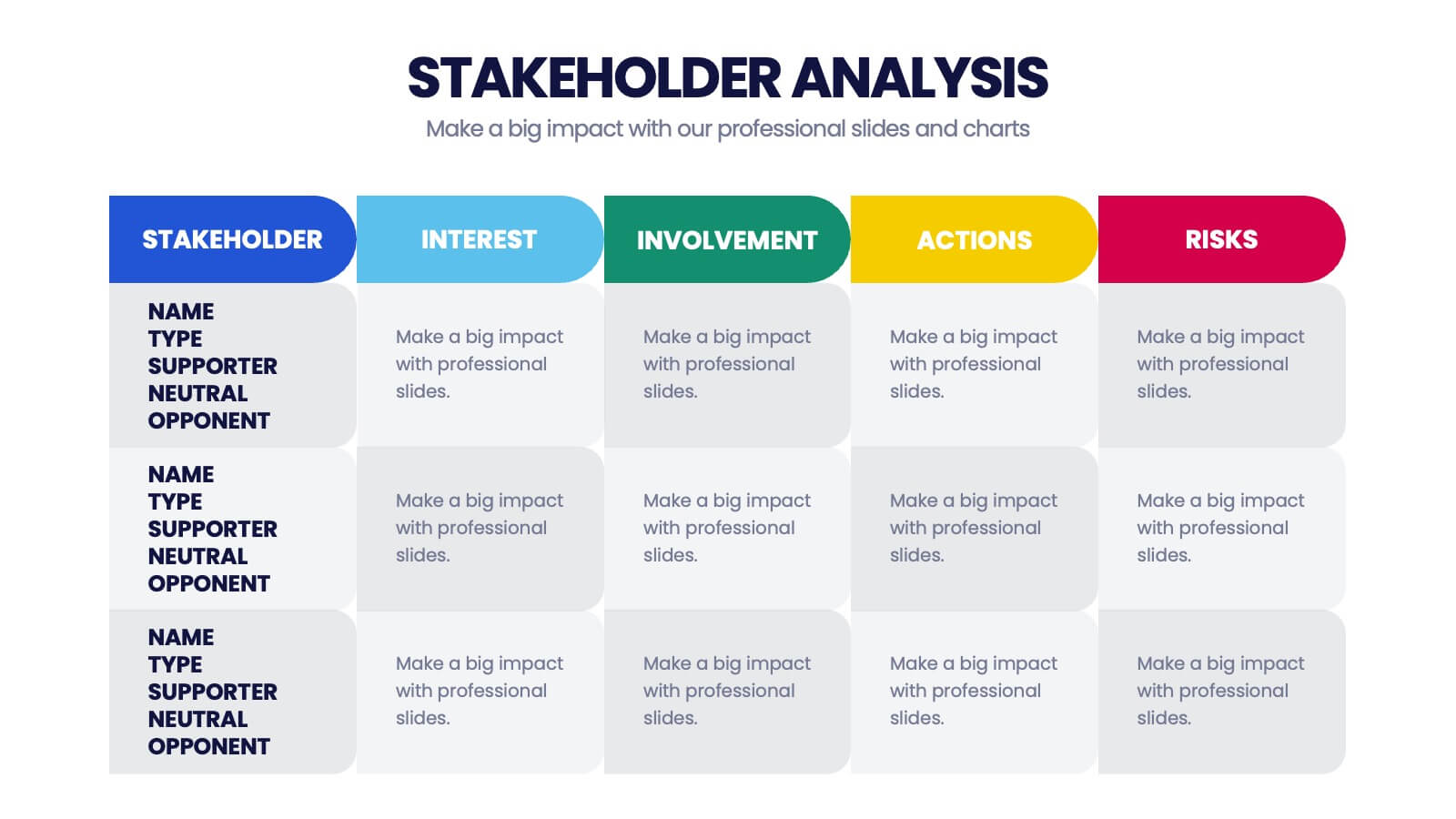
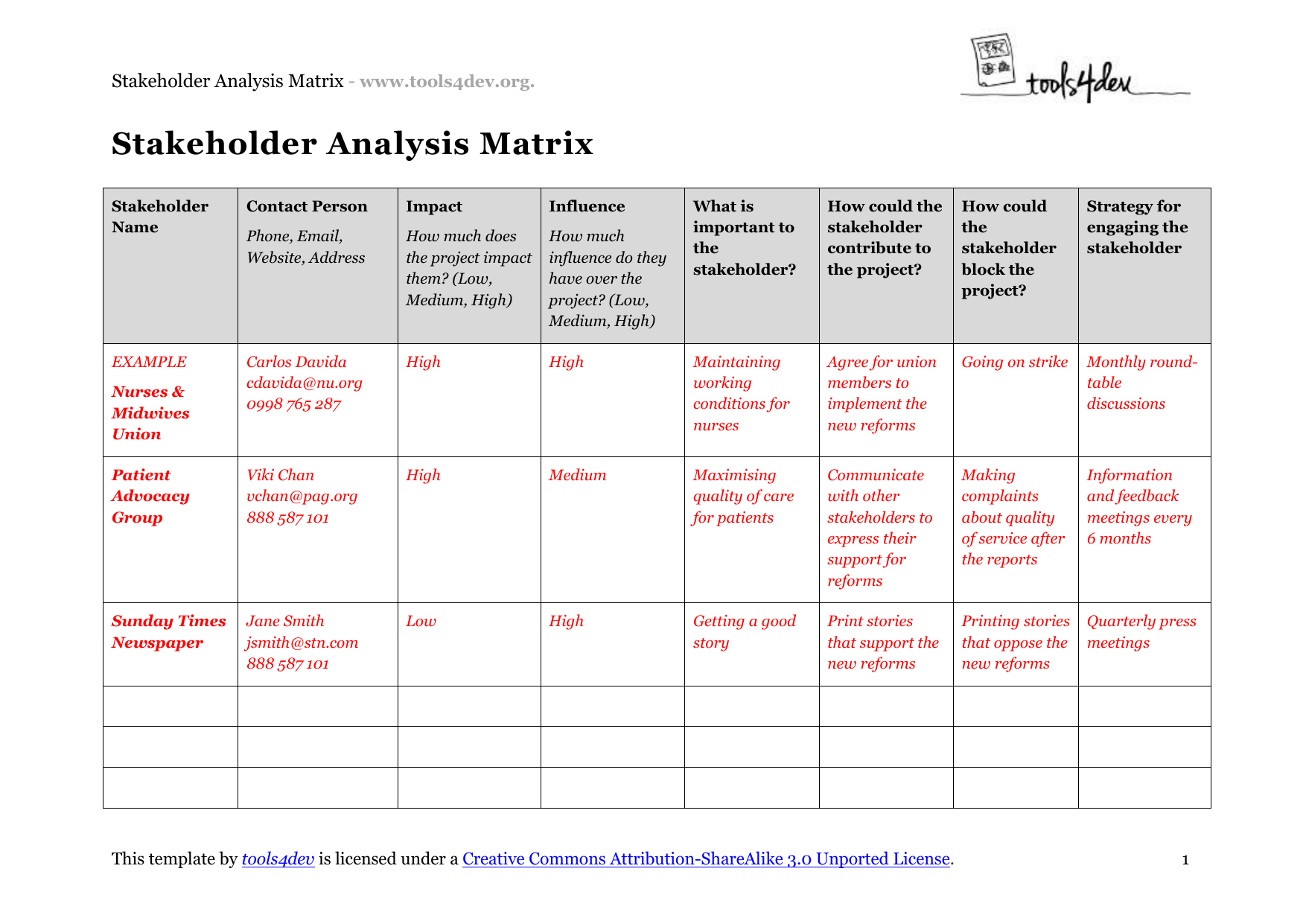
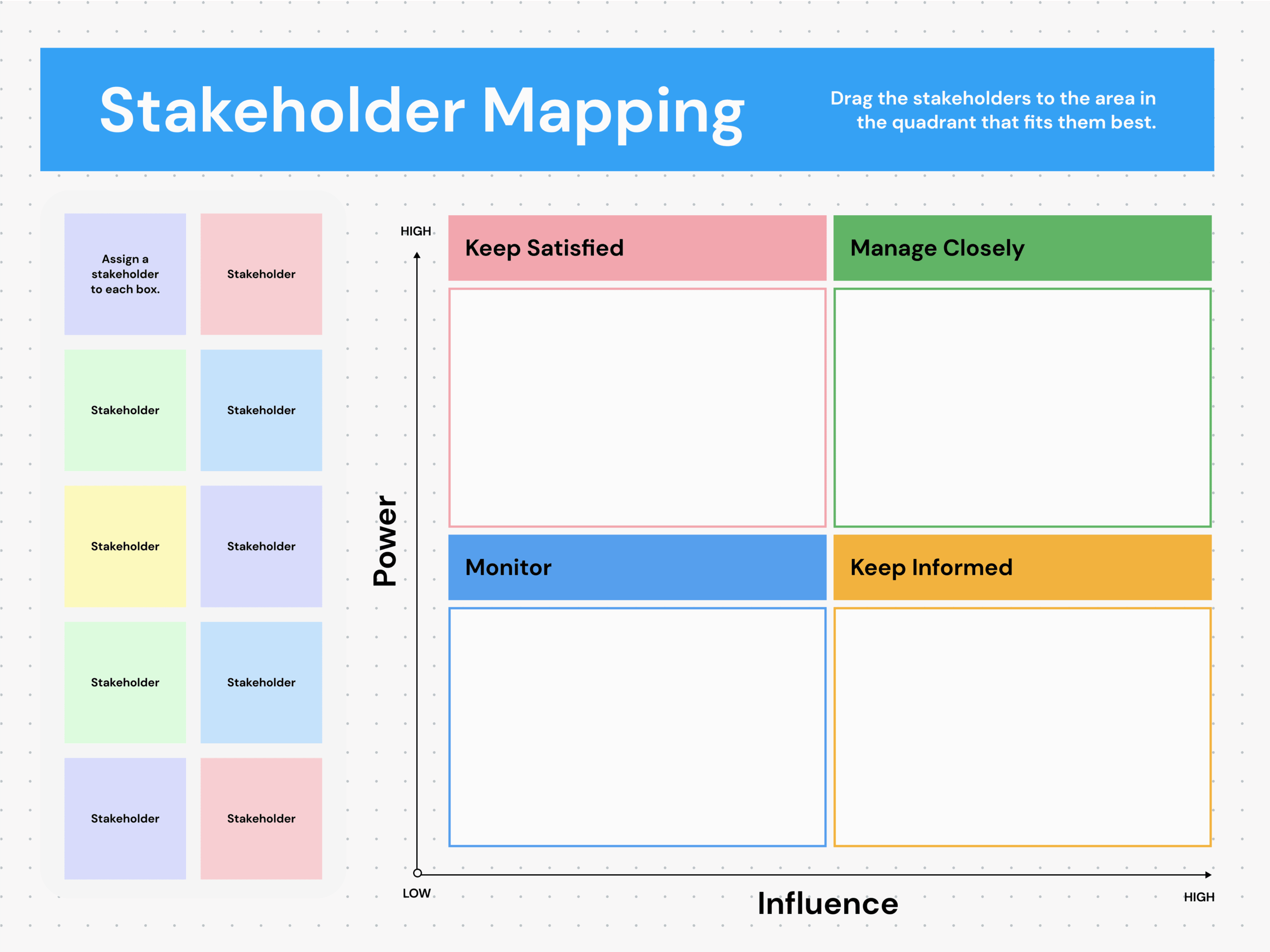
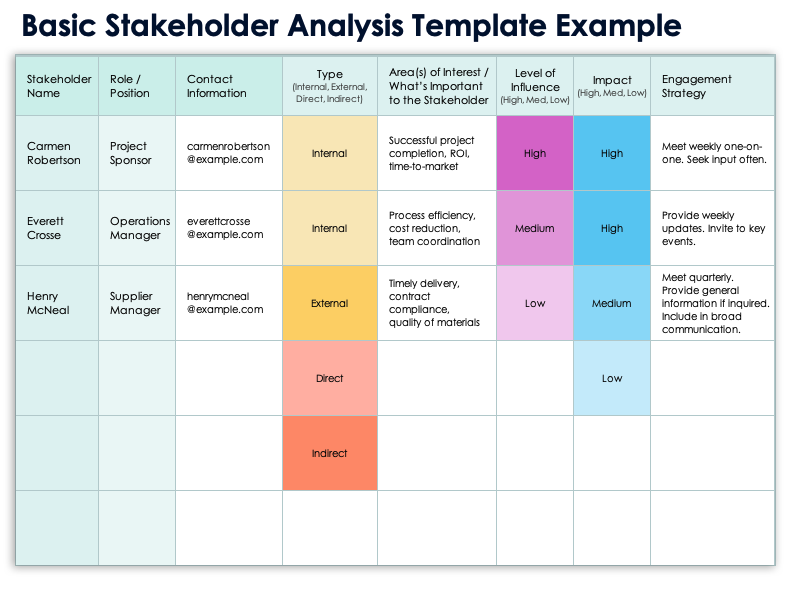
How to Conduct Stakeholder Analysis
Here are the steps to conduct a stakeholder analysis effectively:
1. Identify Stakeholders
Start by creating a comprehensive list of all individuals or groups who have a stake in the project. This can include internal and external stakeholders such as employees, customers, suppliers, regulators, and community members.
2. Analyze Stakeholder Interests
Understand the interests, expectations, and concerns of each stakeholder group. This can be done through interviews, surveys, or focus groups to gather relevant information.
3. Assess Stakeholder Influence
Evaluate the potential impact or influence of each stakeholder on the project. Consider factors such as their decision-making power, level of support, and ability to affect project outcomes.
4. Prioritize Stakeholders
Based on their level of influence and interest, prioritize stakeholders into high, medium, and low priority groups. This will help in focusing engagement efforts on key stakeholders.
5. Develop Engagement Strategies
Create tailored communication and engagement strategies for each stakeholder group. This can include regular updates, meetings, feedback sessions, and other activities to keep stakeholders informed and engaged.
6. Monitor and Adjust
Continuously monitor stakeholder relationships and adjust engagement strategies as needed. This will help in addressing any changes in stakeholder interests or concerns throughout the project lifecycle.
7. Communicate Effectively
Ensure clear and transparent communication with stakeholders throughout the project. Keep them informed about project progress, changes, and decisions to maintain their support and alignment.
Tips for Successful Stakeholder Analysis
Here are some tips for conducting a successful stakeholder analysis:
- Involve key stakeholders early: Engage with key stakeholders from the beginning to gain their buy-in and support for the project.
- Be transparent and open: Maintain open communication with stakeholders and address any concerns or issues promptly.
- Regularly update stakeholders: Keep stakeholders informed about project progress, milestones, and decisions to maintain their engagement.
- Listen to stakeholder feedback: Actively listen to stakeholder feedback and incorporate their suggestions into project planning and execution.
- Adapt to changing circumstances: Be flexible and adaptable in responding to changes in stakeholder interests or priorities throughout the project.
- Monitor stakeholder relationships: Continuously monitor stakeholder relationships and adjust engagement strategies as needed to ensure alignment and support.
- Seek stakeholder buy-in: Work towards gaining stakeholder buy-in and commitment to the project goals and outcomes.
- Celebrate successes: Recognize and celebrate achievements with stakeholders to maintain positive relationships and momentum.
By following these tips and best practices, project managers can effectively conduct stakeholder analysis to increase the likelihood of project success and achieve desired outcomes.

- Free Printable Address Label Template - October 11, 2026
- Free Printable Action Planning Template - October 11, 2026
- Printable Acknowledgement Receipt Template - October 11, 2026
