In today’s fast-paced world, meetings have become a common occurrence in the workplace. Whether it’s a quick check-in with your team or a high-stakes presentation to stakeholders, meetings are essential for effective communication and collaboration.
However, with the sheer number of meetings we attend on a daily basis, it can be challenging to keep track of all the information shared and decisions made. This is where meeting summaries come in handy.
What is a Meeting Summary?
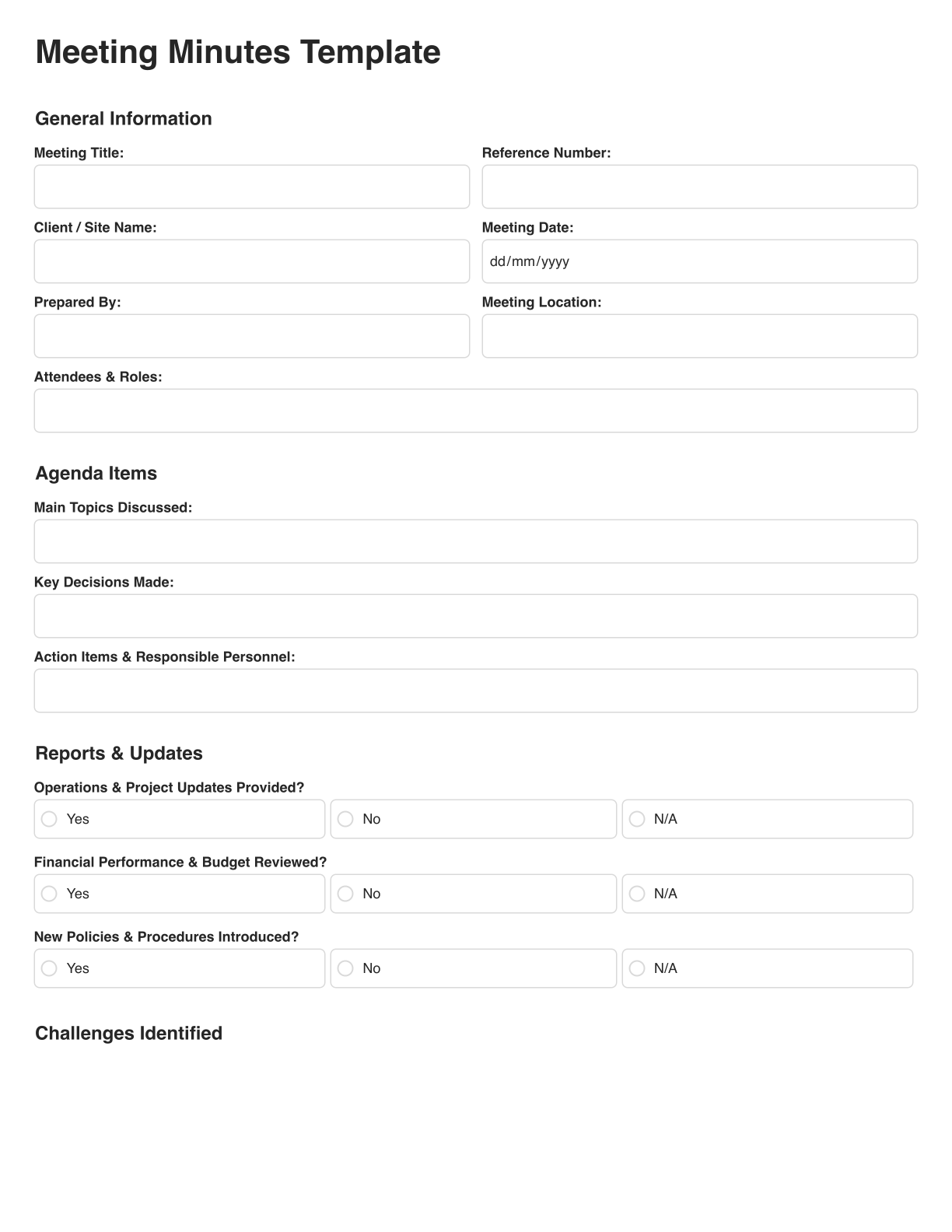
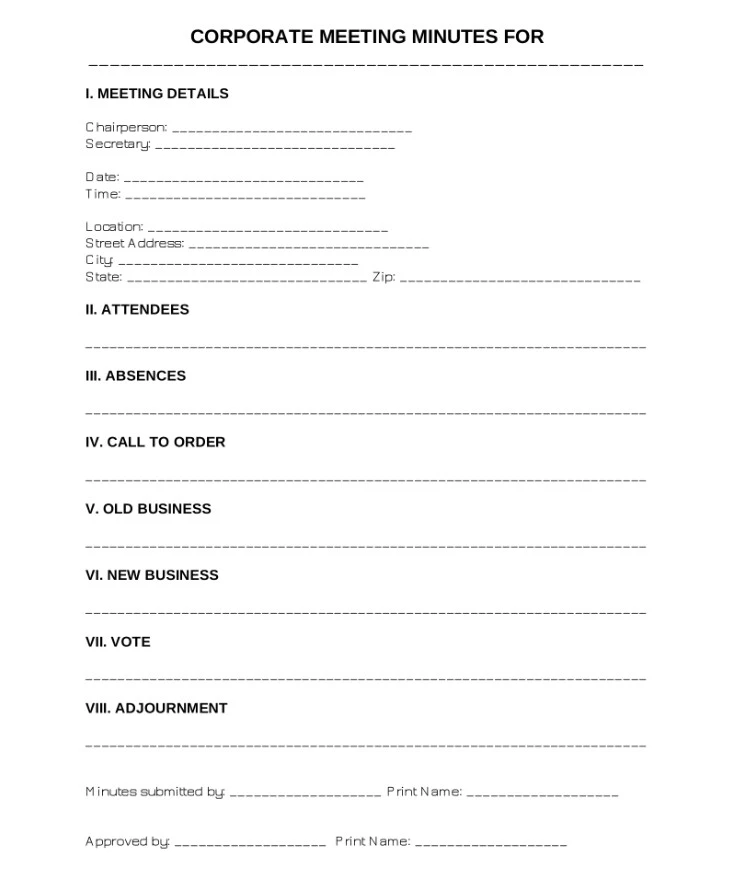
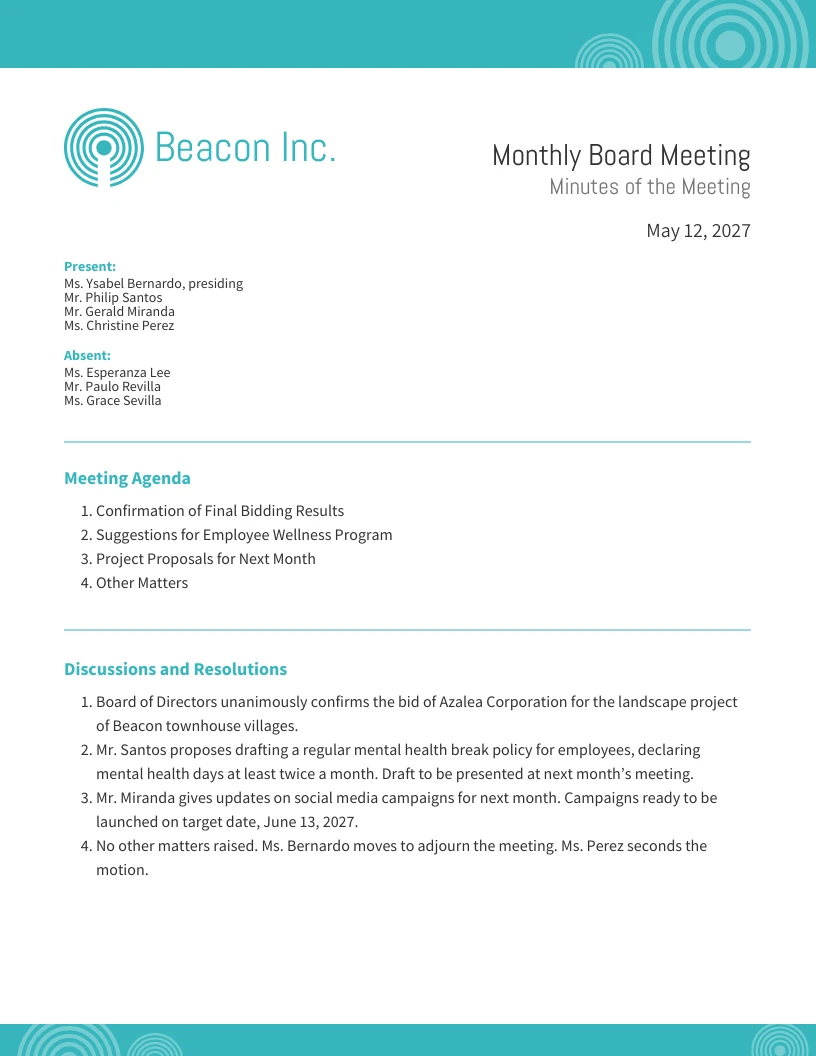
A meeting summary is a concise and organized document that captures the key points discussed, decisions made, and action items assigned during a meeting. It serves as a reference point for attendees to review what was discussed, stay on track with action items, and ensure accountability for follow-up tasks.
Meeting summaries can be in the form of written notes, audio recordings, or visual presentations, depending on the nature of the meeting and preferences of the attendees.
Why Meeting Summaries are Important
Meeting summaries play a crucial role in enhancing communication and productivity in the workplace. Here are some key reasons why meeting summaries are important:
– Clarity: Meeting summaries provide a clear and concise overview of the meeting discussions, ensuring that everyone is on the same page.
– Accountability: By documenting action items and decisions, meeting summaries hold attendees accountable for their commitments and follow-up tasks.
– Reference: Meeting summaries serve as a reference point for future meetings or discussions, helping attendees recall important details or decisions.
– Efficiency: With a well-prepared meeting summary, attendees can quickly review key points without having to listen to the entire meeting recording or sift through lengthy notes.
What to Include in a Meeting Summary
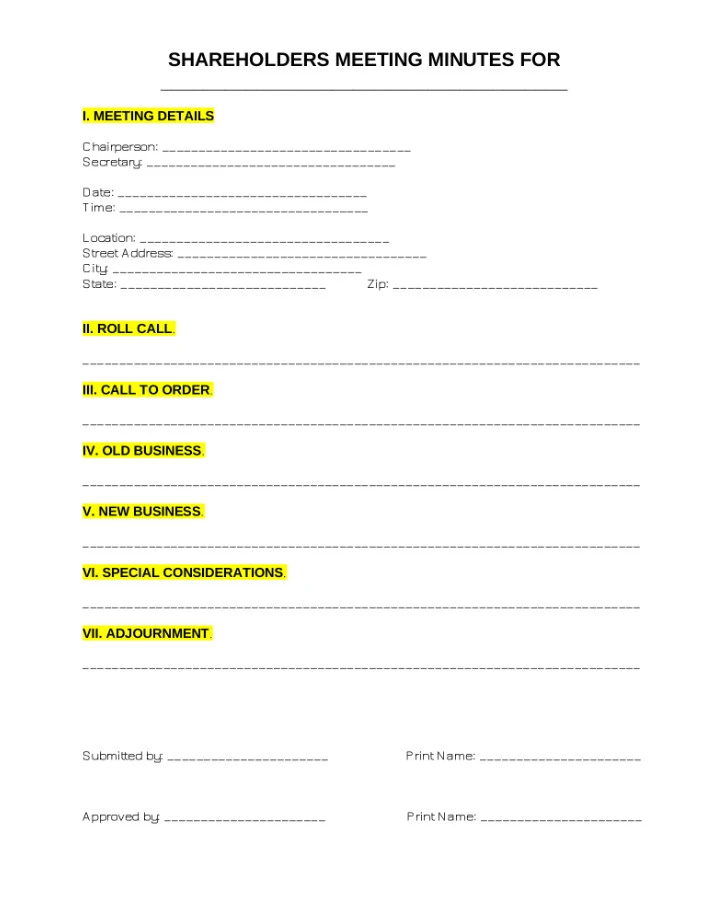
A well-crafted meeting summary should include the following key elements:
– Meeting Details: Date, time, location, and attendees.
– Agenda Items: List of topics discussed during the meeting.
– Key Points: Summary of the main discussion points.
– Decisions Made: Clear documentation of any decisions or agreements reached.
– Action Items: List of tasks assigned to specific individuals with deadlines.
– Follow-Up Plan: Next steps and timeline for completing action items.
– Attachments: Any supporting documents or materials shared during the meeting.
How to Create an Effective Meeting Summary
Creating an effective meeting summary requires careful planning and attention to detail. Here are some tips to help you master the art of meeting summaries:
– Prepare in Advance: Review the meeting agenda and familiarize yourself with the topics to be discussed.
– Take Clear Notes: During the meeting, focus on capturing key points and decisions clearly and concisely.
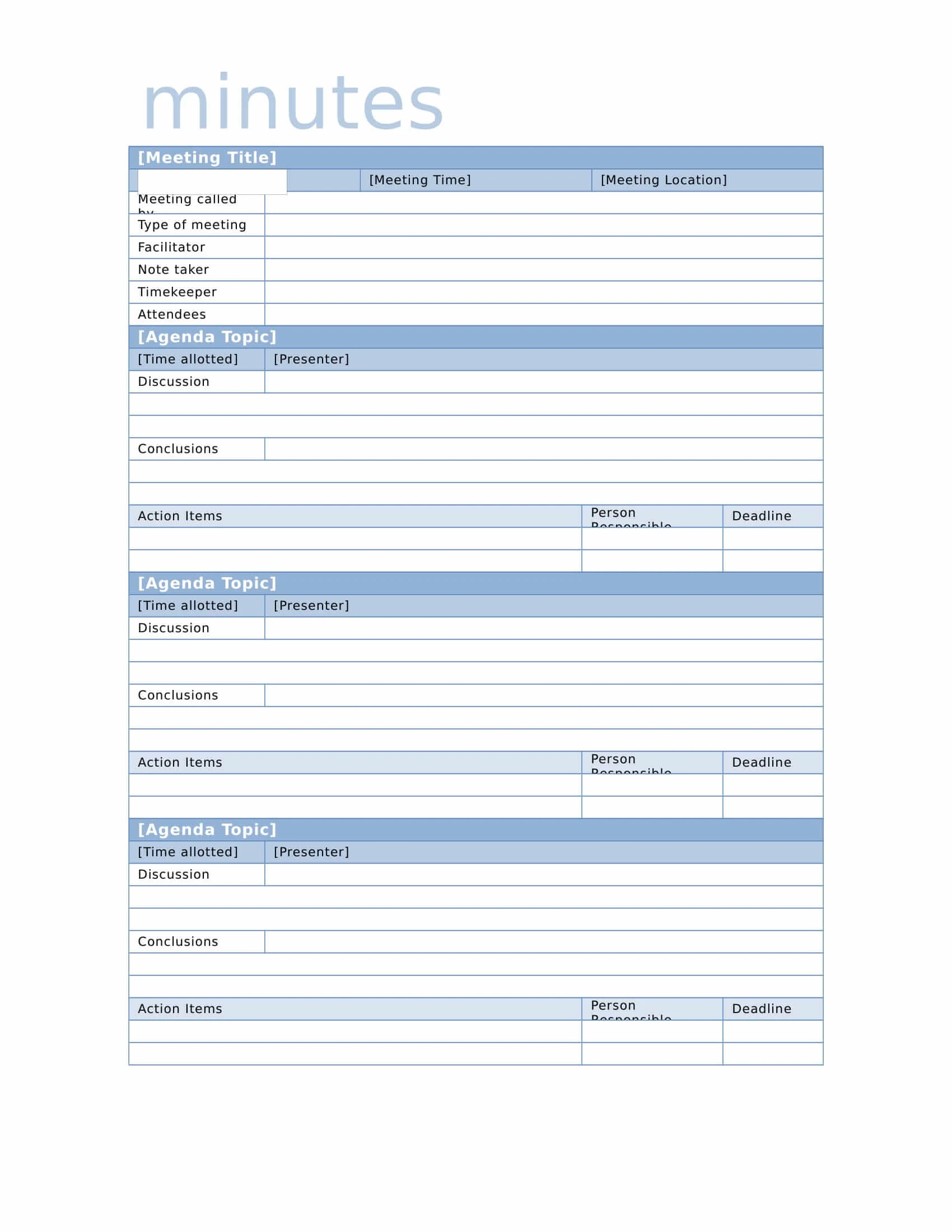
– Use Templates: Consider using a meeting summary template to ensure consistency and organization.
– Assign Action Items: Clearly document action items and assign tasks to specific individuals with deadlines.
– Review and Distribute: Review the meeting summary for accuracy and distribute it to attendees promptly after the meeting.
– Follow-Up: Monitor progress on action items and provide updates or reminders as needed.
– Seek Feedback: Encourage attendees to provide feedback on the meeting summary to improve future summaries.
Tips for Writing an Engaging Meeting Summary
Writing an engaging meeting summary involves more than just listing information. Here are some tips to make your meeting summary more compelling:
– Use Plain Language: Avoid jargon or technical terms that may confuse readers.
– Be Concise: Keep your summary brief and to the point, focusing on the most important details.
– Highlight Key Points: Use bullet points or bold text to emphasize key takeaways or action items.
– Include Visuals: Incorporate charts, graphs, or images to make the summary more visually appealing and easier to understand.
– Provide Context: Offer background information or context to help readers understand the significance of the discussion points.
– Use Active Voice: Write in an active voice to make your summary more engaging and dynamic.
– Proofread: Double-check your meeting summary for errors or typos before distributing it to attendees.
By mastering the art of meeting summaries, you can streamline communication, enhance productivity, and ensure that important discussions and decisions are documented and followed through effectively. Incorporate these tips and best practices into your meeting summary process to make your meetings more productive and impactful.
Meeting Summary Template – Download

- Free Printable Wedding Schedule Template - September 15, 2026
- Free Printable Weekly Employee Timesheet Template - September 15, 2026
- Printable Sign-in Sign-out Sheet Template - September 15, 2026
