Keeping track of your expenses is an essential part of managing your finances. Whether you are a business owner, an employee, or a freelancer, maintaining an accurate expense report can help you stay organized and make informed financial decisions.
In this guide, we will dive deep into the world of expense reports, discussing what they are, why they are important, what to include in them, how to create one, and tips for successful expense reporting. Let’s get started!
What is an Expense Report?
An expense report is a detailed record of all the expenses incurred by an individual or a company during a specific period of time. It typically includes information such as the date of the expense, the amount spent, the purpose of the expense, and any relevant receipts or documentation. Expense reports are commonly used in businesses to track company spending, reimburse employees for business-related expenses, and prepare financial statements.
Why are Expense Reports Important?
Expense reports play a crucial role in financial management for several reasons:
- Financial Tracking: Expense reports help individuals and businesses track where their money is being spent, identify areas of overspending, and make informed budgeting decisions.
- Compliance: Many businesses are required to maintain accurate expense records for tax purposes and regulatory compliance. Expense reports help ensure that all expenses are properly documented and accounted for.
- Reimbursement: For employees who incur business expenses on behalf of their company, submitting an expense report is necessary to receive reimbursement. Proper documentation is essential to avoid any discrepancies or delays in payment.
What to Include in an Expense Report
When creating an expense report, it is important to include the following information:
- Expense Date: The date when the expense was incurred.
- Expense Category: Categorize expenses into different categories such as travel, meals, office supplies, etc.
- Amount Spent: The total amount spent on the expense.
- Vendor Name: The name of the vendor or merchant where the expense was made.
- Receipts: Attach receipts or documentation to support each expense listed in the report.
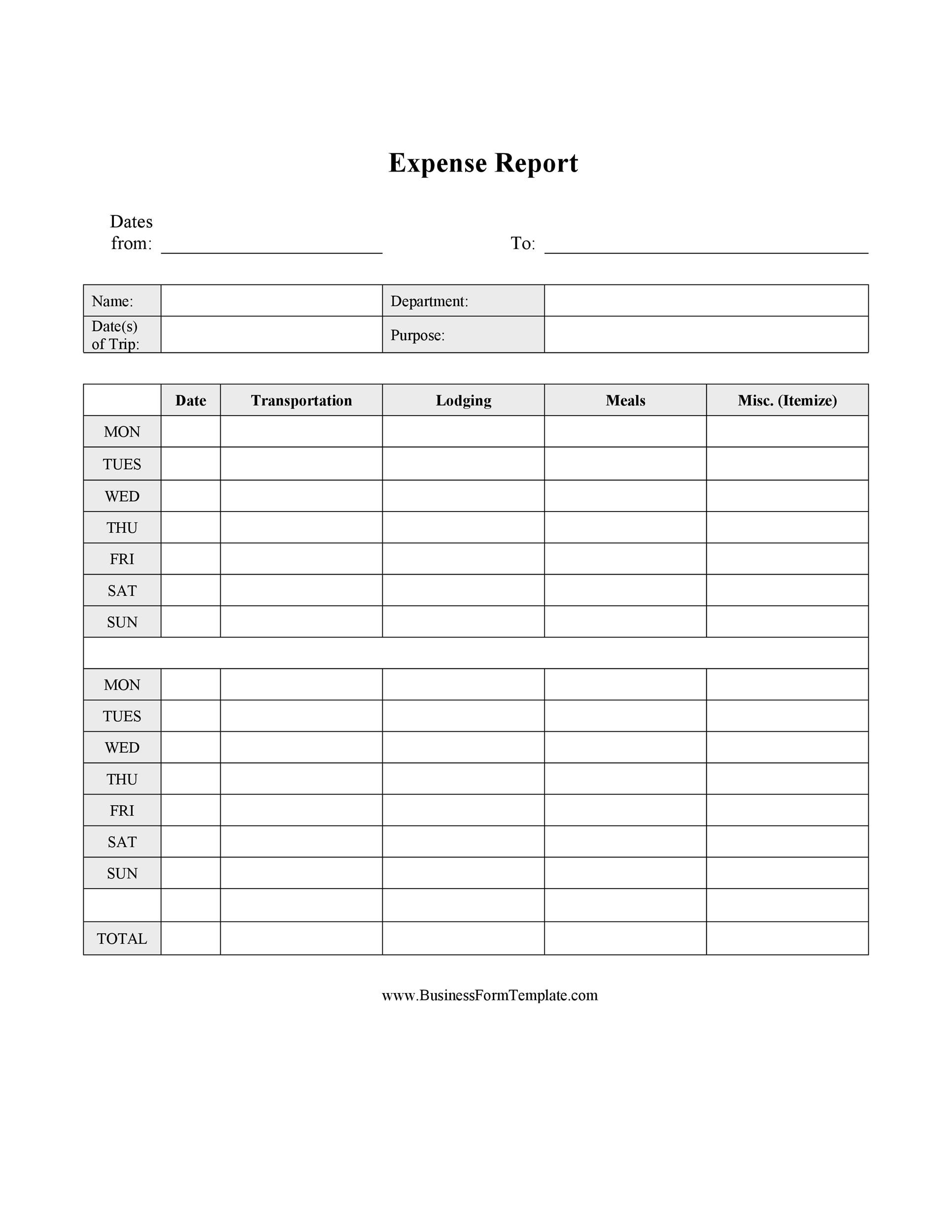
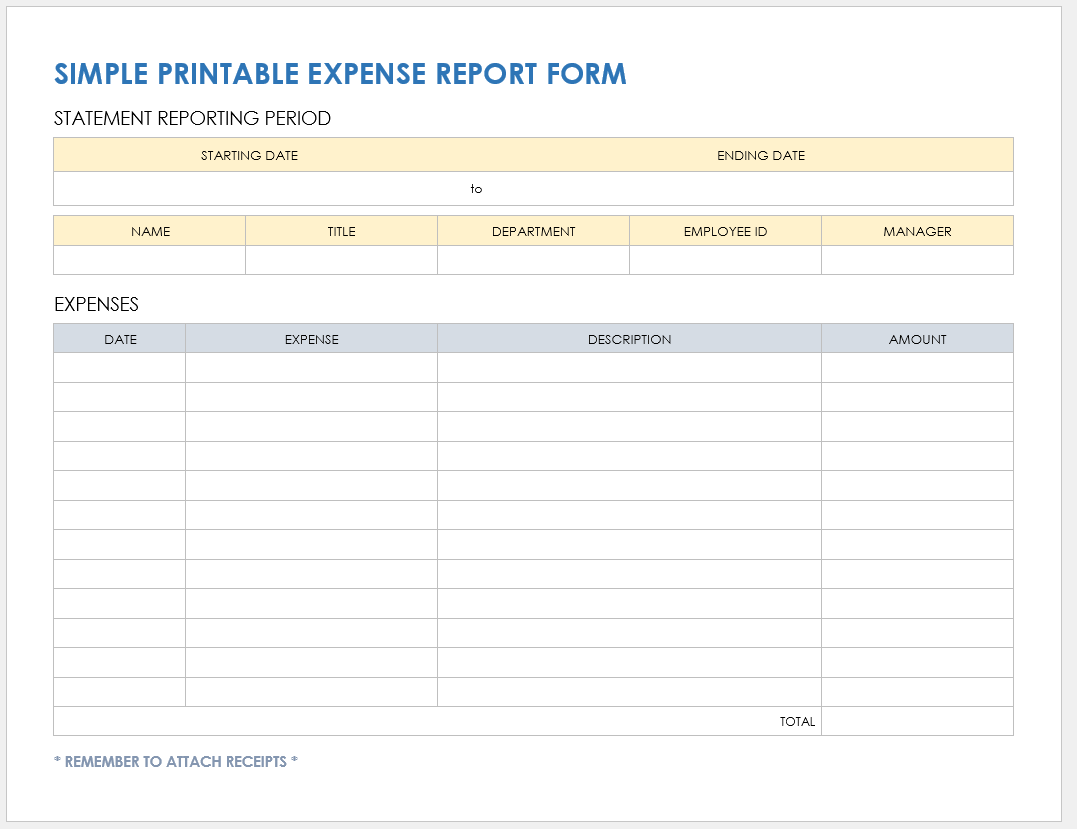
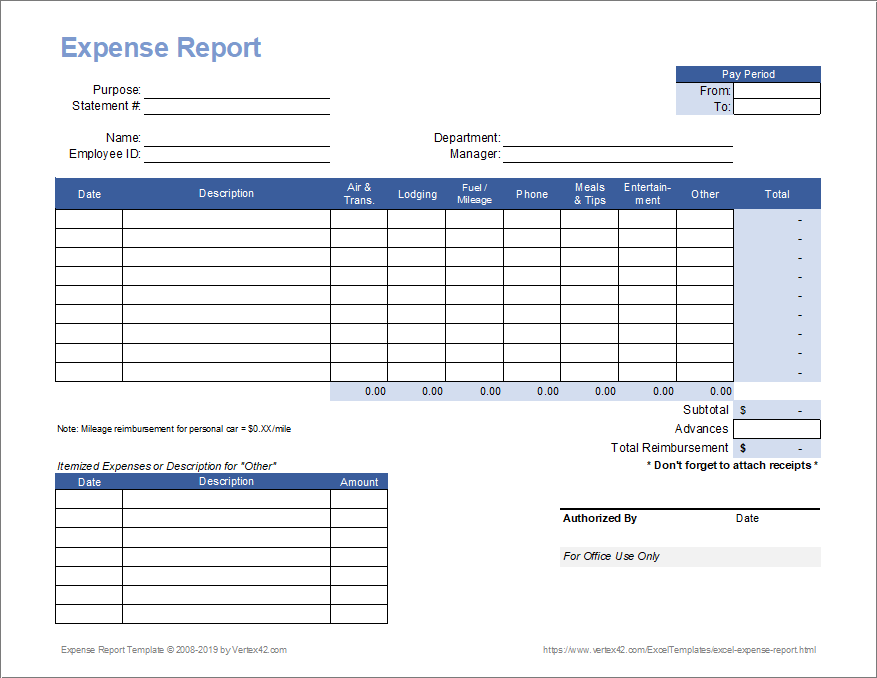
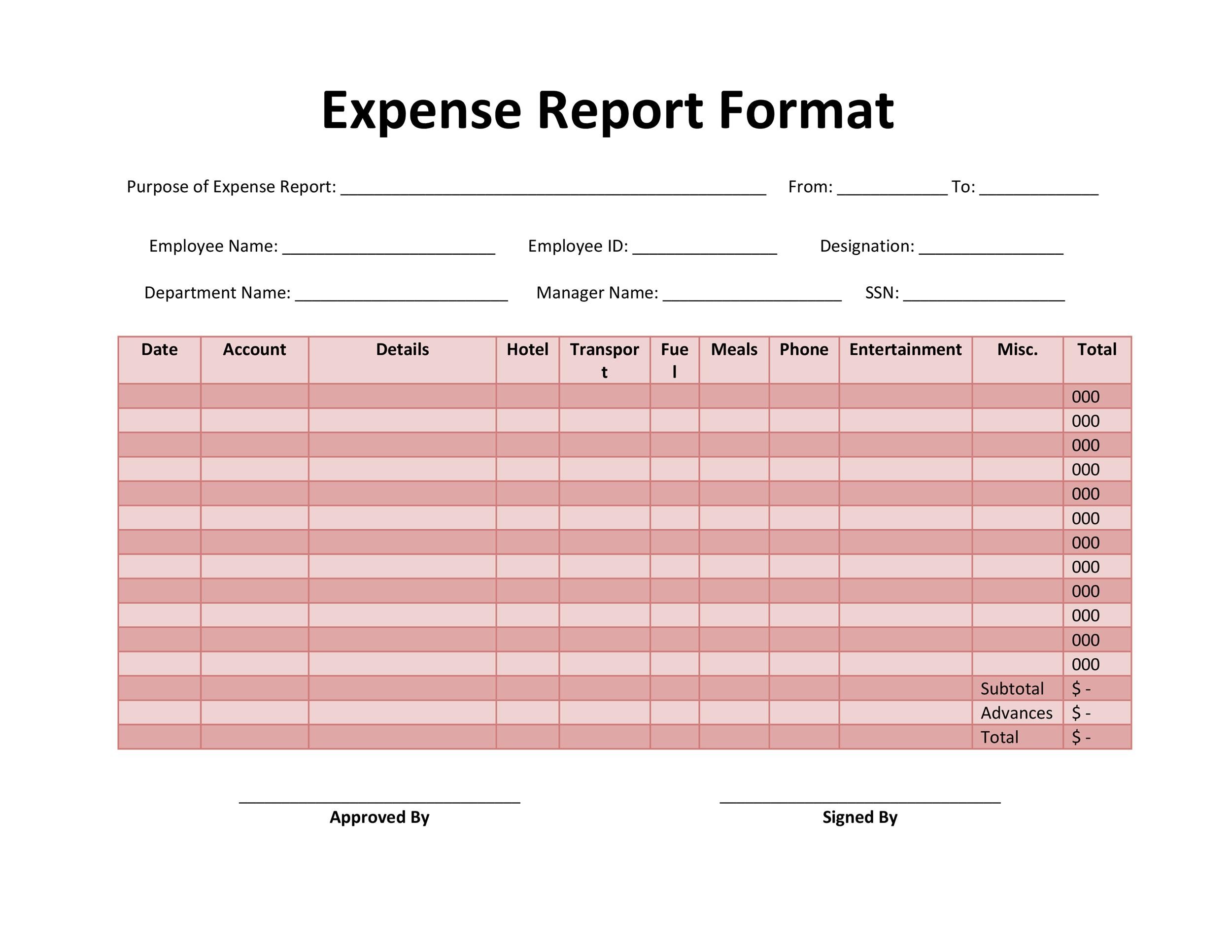
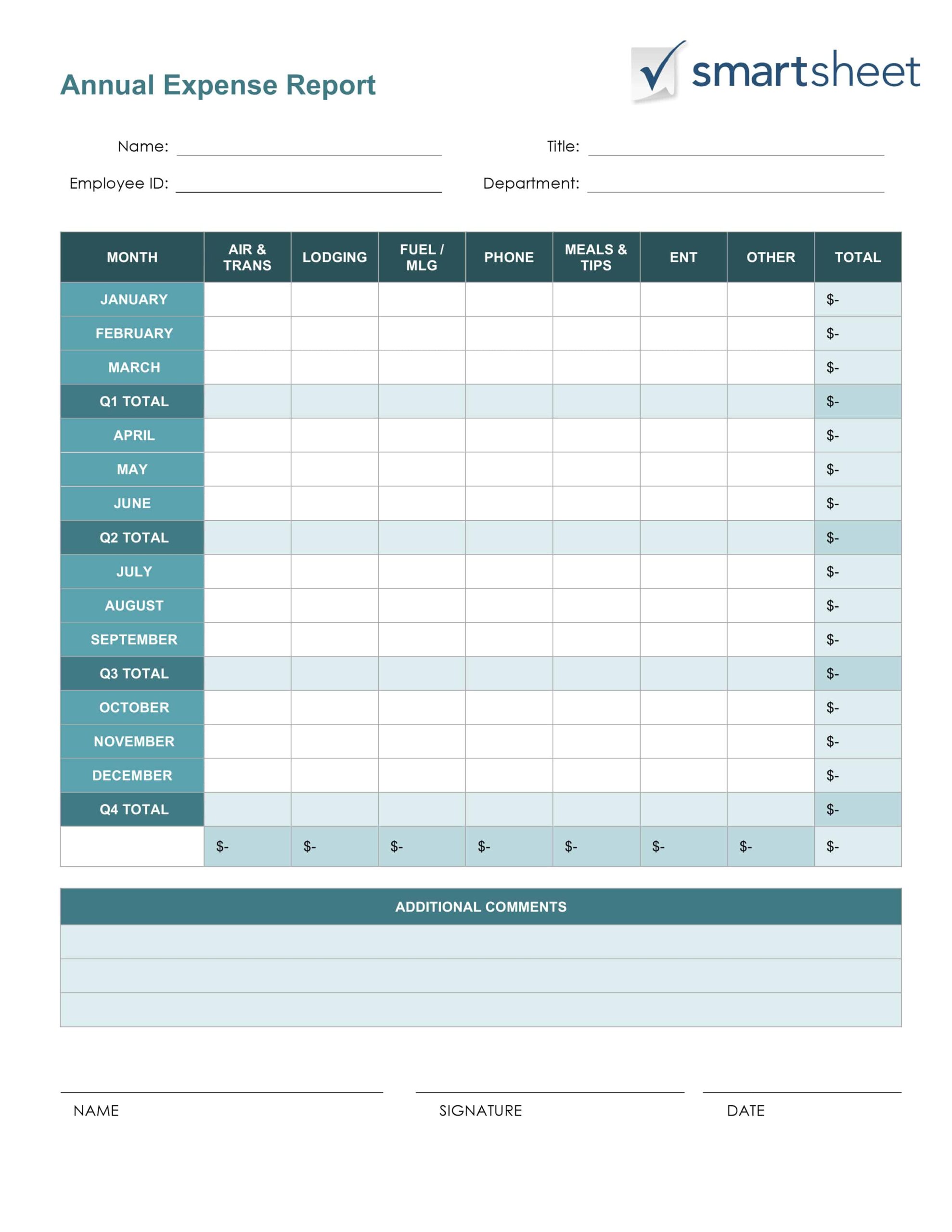
Examples
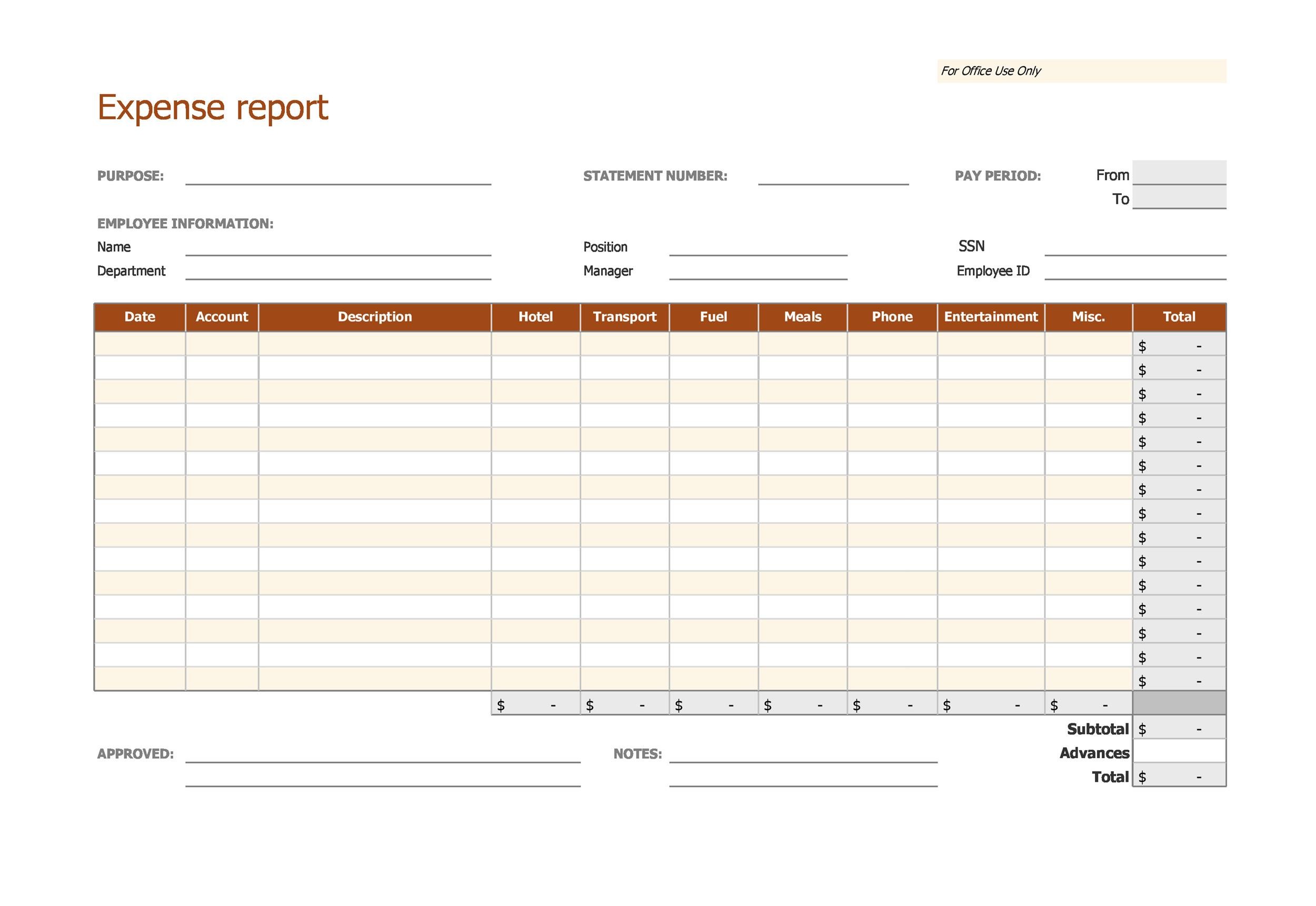
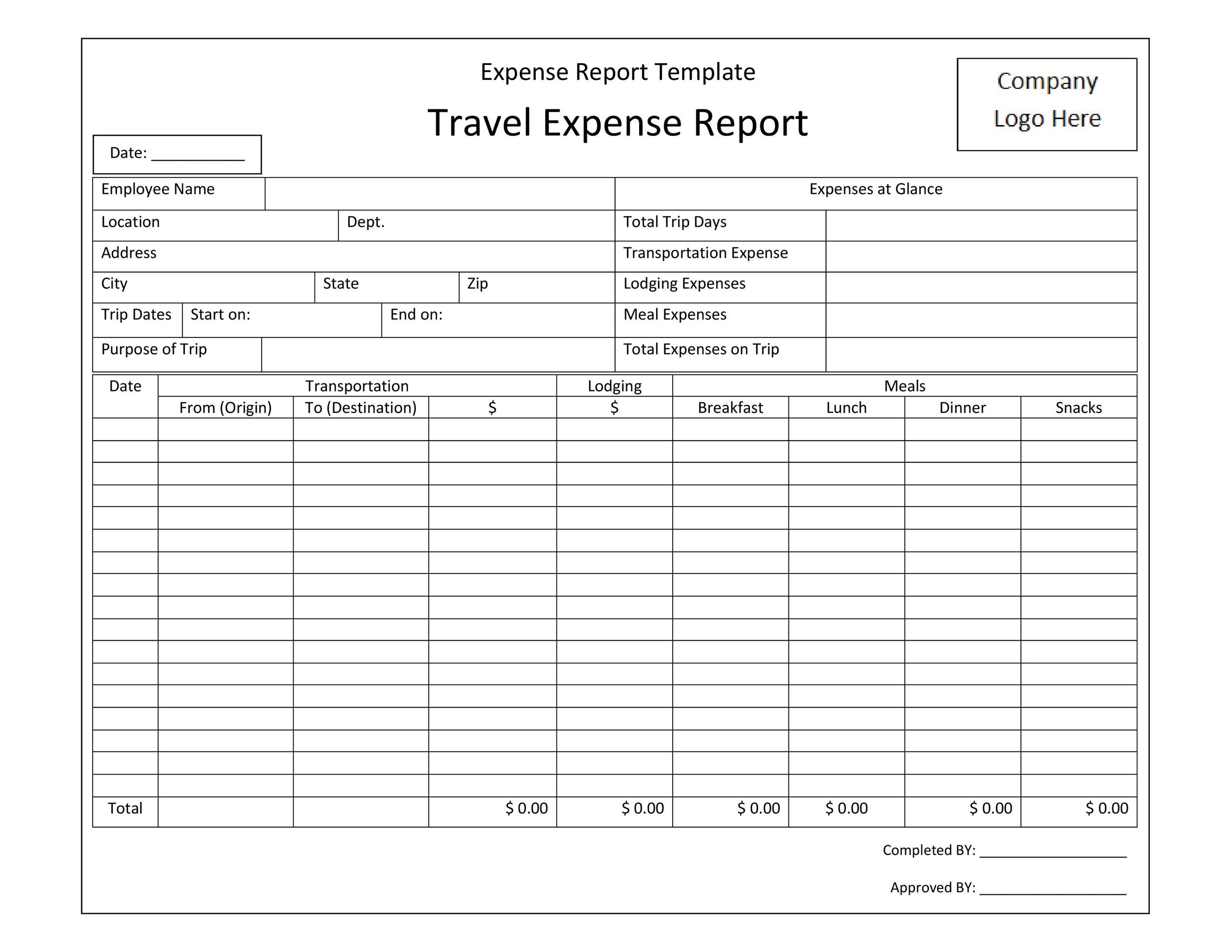
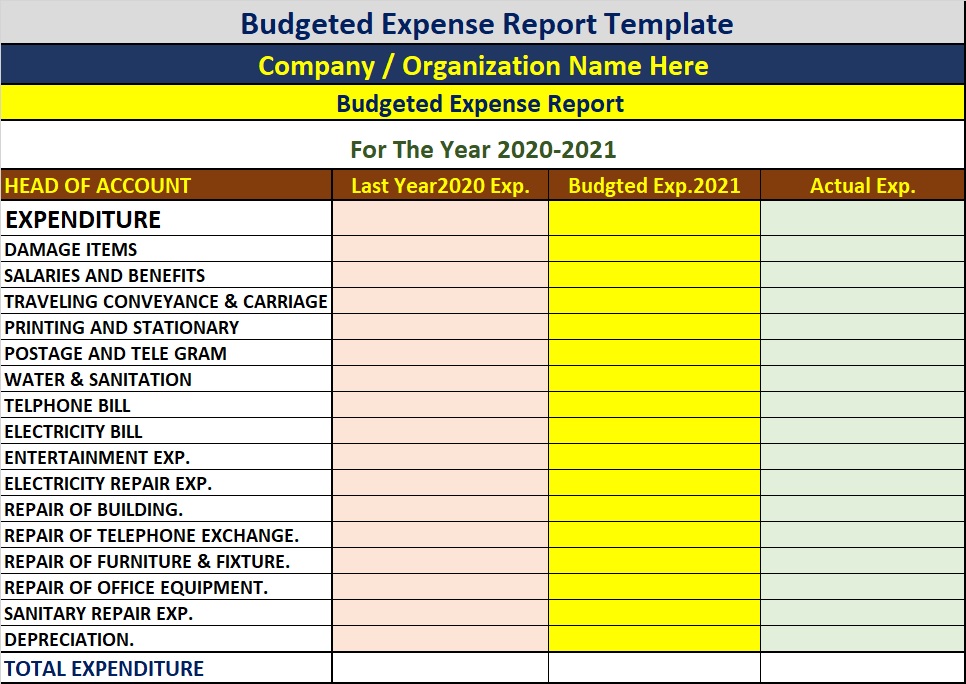
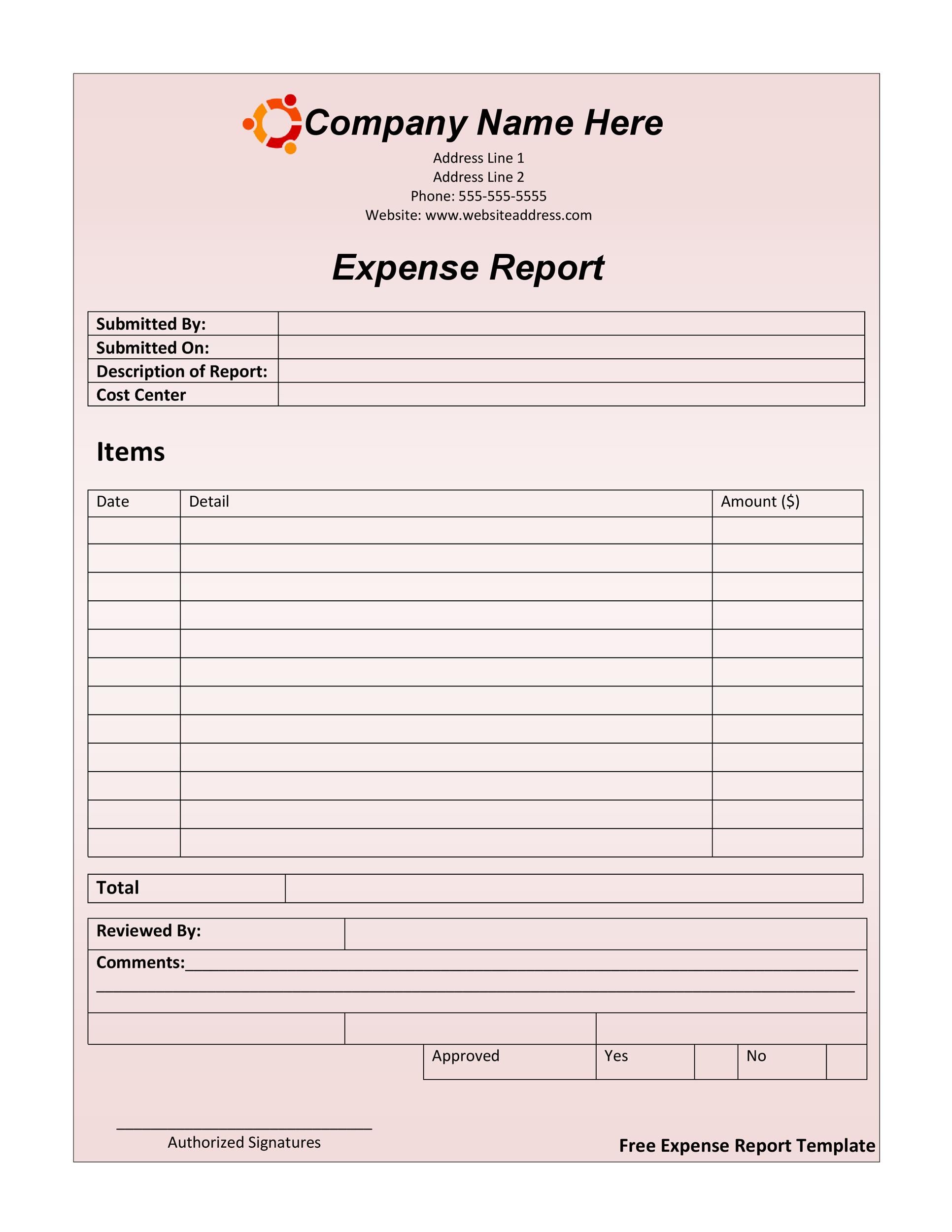
How to Create an Expense Report
Creating an expense report can be a straightforward process if you follow these steps:
1. Collect Receipts
Make sure to collect and organize all receipts and documentation related to your expenses. This will help ensure that you have the necessary information to create an accurate report.
2. Choose a Reporting Tool
There are many expense tracking tools and software available that can help streamline the process of creating and submitting expense reports. Choose a tool that best fits your needs and preferences.
3. Enter Expense Details
Input all the necessary information for each expense, including the date, category, amount spent, vendor name, and any additional notes or comments.
4. Submit for Approval
Once your expense report is complete, submit it to the appropriate person or department for approval. Make sure to follow any specific guidelines or policies set by your company.
Tips for Successful Expense Reporting
Here are some tips to help you master the art of expense reporting:
- Be Accurate: Double-check all information entered in your expense report to ensure accuracy and avoid any errors.
- Keep Receipts Organized: Store all receipts in a safe place and organize them by date or category to make it easier to reference when needed.
- Submit Reports on Time: Make it a habit to submit your expense reports in a timely manner to avoid any delays in reimbursement.
- Review Company Policies: Familiarize yourself with your company’s expense reporting policies and guidelines to ensure compliance.
- Track Expenses Regularly: Keep track of your expenses on a regular basis to stay on top of your spending and budget effectively.
In Conclusion
Mastering your expense report is essential for effective financial management and budgeting. By understanding what expense reports are, why they are important, what to include in them, how to create one, and following the tips provided, you can streamline the process and make informed financial decisions. Remember, accuracy and organization are key when it comes to expense reporting. Happy tracking!
Expense Report Template – Download

- Free Printable SWOT Analysis Template - October 8, 2026
- Free Printable Work Estimate Template - October 8, 2026
- Ship Chart Template - October 5, 2026
