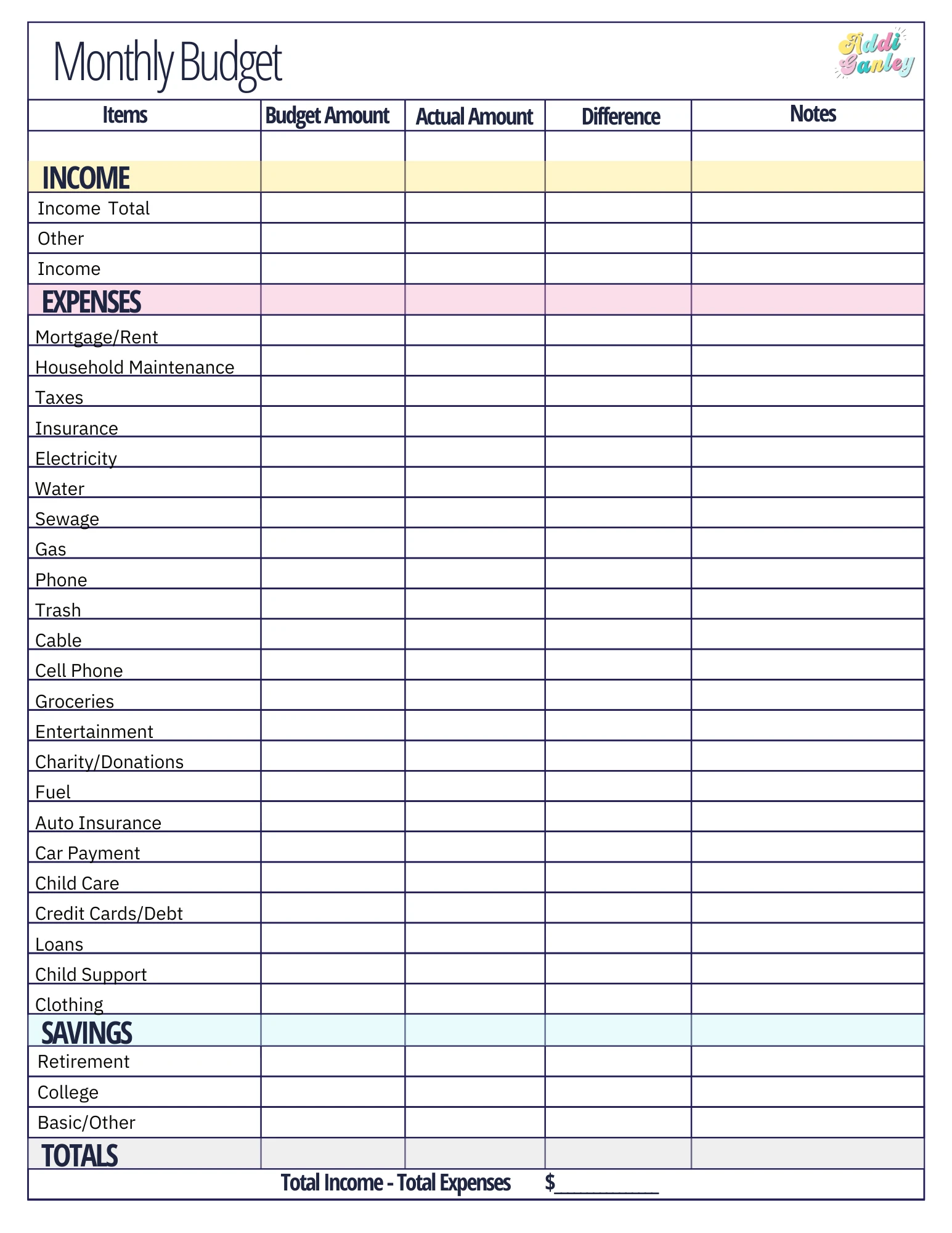
Are you tired of living paycheck to paycheck? Do you struggle to keep track of your spending and find yourself constantly stressed about money? If so, a monthly budget planner may be just what you need to take control of your finances and start working towards your financial goals.
In this article, we will explore what a monthly budget planner is, why it is important, what to include in your budget, how to create an effective budget, and tips for sticking to your budget.
What is a Monthly Budget Planner?
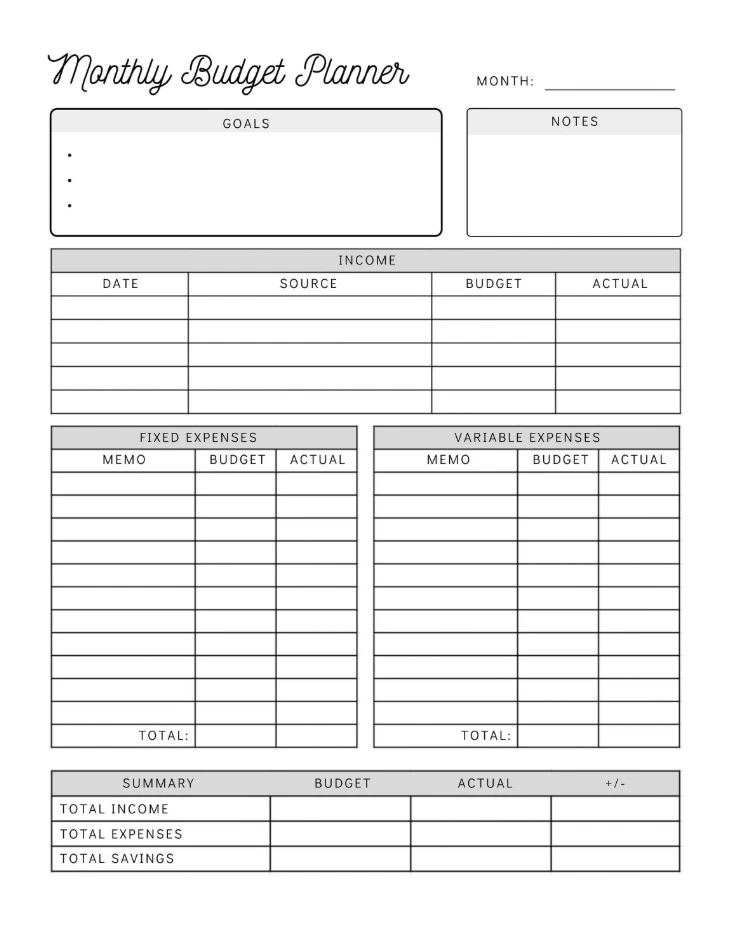
A monthly budget planner is a tool that helps you track your income and expenses. By creating a budget, you can see exactly where your money is going and make informed decisions about how to allocate your funds.
A budget planner can be as simple as a pen and paper or as complex as a digital spreadsheet or budgeting app. The key is to find a system that works for you and lets you easily monitor your finances.
Why Use a Monthly Budget Planner?
Creating and following a monthly budget can have numerous benefits for your financial health. Some of the key reasons to use a budget planner include:
- Financial Awareness. A budget helps you understand your spending habits and identify areas where you can cut back.
- Goal Setting. By tracking your income and expenses, you can set realistic financial goals and work towards achieving them.
- Debt Reduction. A budget can help you prioritize debt repayment and avoid accumulating more debt.
- Emergency Fund. Setting aside money in your budget for emergencies can provide a safety net when unexpected expenses arise.
- Peace of Mind. Knowing where your money is going can reduce financial stress and give you greater peace of mind.
What to Include in Your Budget
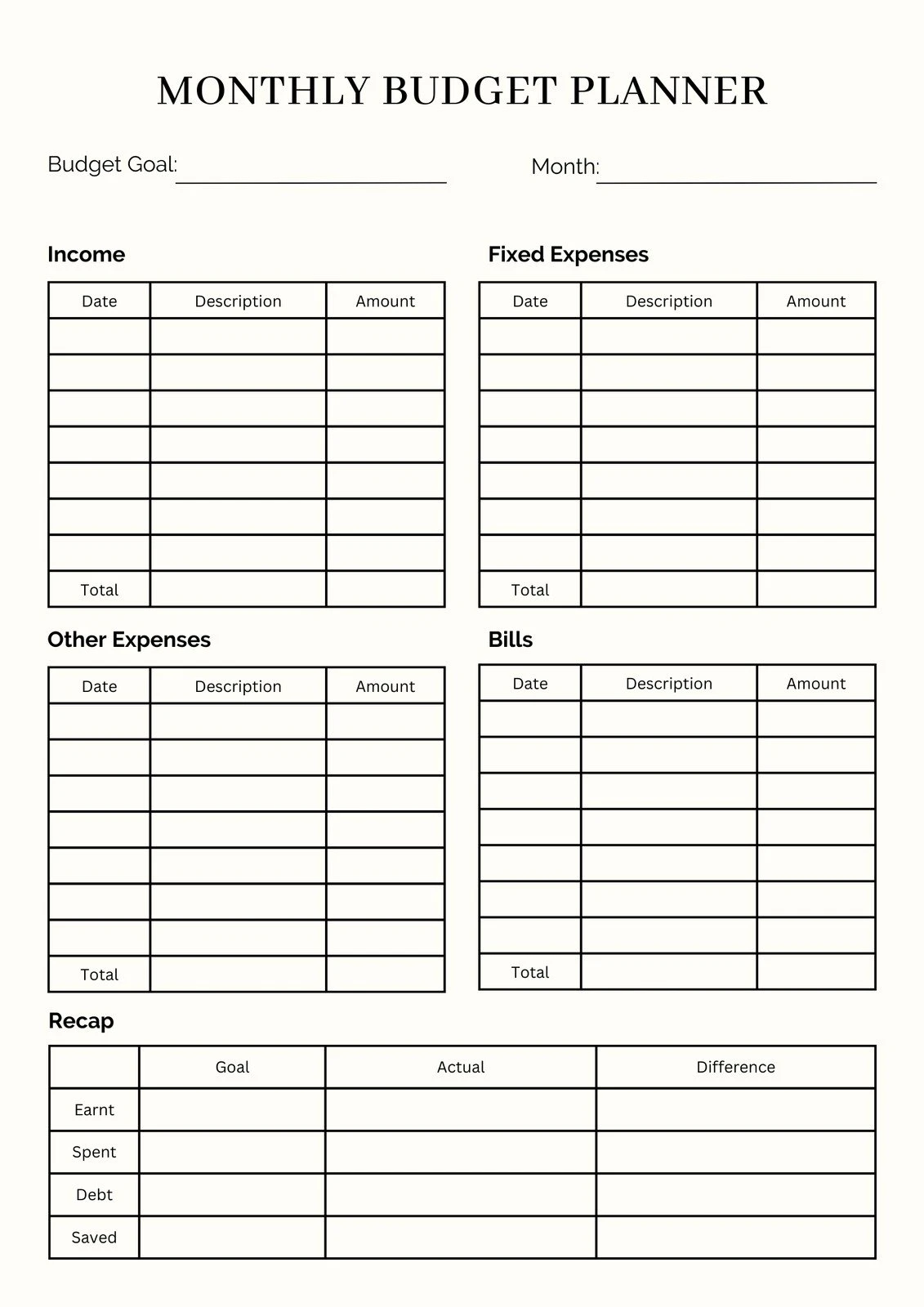
When creating a monthly budget, it is important to include all sources of income and expenses. Here are some key elements to consider when building your budget:
- Income. Include your monthly income from all sources, including wages, bonuses, and any other sources of income.
- Fixed Expenses. These are expenses that stay the same each month, such as rent/mortgage, utilities, and insurance payments.
- Variable Expenses. These are expenses that can fluctuate each month, such as groceries, entertainment, and dining out.
- Savings Goals. Allocate a portion of your income towards savings goals, such as an emergency fund, retirement savings, or a vacation fund.
- Debt Payments. Include any payments towards debt repayment, such as credit card bills or student loans.
How to Create an Effective Budget
Now that you know what to include in your budget, it’s time to create an effective budget that works for you. Here are some steps to help you get started:
1. Track Your Spending
Before creating a budget, track your spending for a month to understand where your money is going.
2. Set Financial Goals
Determine what you want to achieve with your budget, whether it’s paying off debt, saving for a big purchase, or building an emergency fund.
3. Allocate Your Income
Distribute your income among your expenses, savings goals, and debt payments to ensure you are living within your means.
4. Review and Adjust
Regularly review your budget and make adjustments as needed to stay on track with your financial goals.
5. Use Budgeting Tools
Consider using budgeting apps or software to help streamline the budgeting process and make it easier to track your finances.
Tips for Sticking to Your Budget
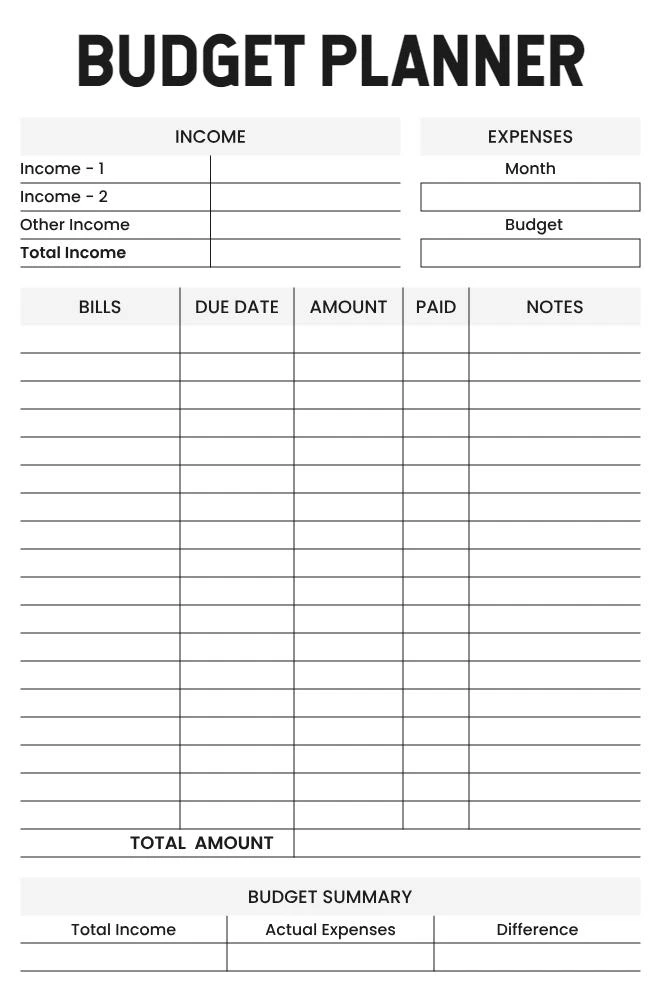
Sticking to a budget can be challenging, but with some discipline and dedication, you can successfully manage your finances. Here are some tips to help you stick to your budget:
- Set Realistic Goals. Make sure your budget is achievable and realistic based on your income and expenses.
- Track Your Spending. Keep tabs on your expenses and adjust your budget as needed to stay on track.
- Avoid Impulse Purchases. Think carefully before making any non-essential purchases to avoid overspending.
- Reward Yourself. Set aside a small portion of your budget for fun activities or treats to stay motivated.
- Seek Support. Share your budgeting goals with a friend or family member for accountability and encouragement.
- Stay Flexible. Life happens, and occasionally you may need to adjust your budget to accommodate unexpected expenses.
- Celebrate Milestones. Celebrate your financial achievements, whether it’s paying off debt or reaching a savings goal, to stay motivated.
By using a monthly budget planner, you can take control of your finances, reduce stress, and work towards achieving your financial goals. Remember, consistency is key, so make budgeting a habit and watch your financial situation improve over time. Happy budgeting!
Monthly Budget Planner Template – Free Download

- Free Printable Bill Receipt Template - October 27, 2026
- Free Printable Bill Organizer Template - October 27, 2026
- Bill of Materials Template - October 27, 2026
