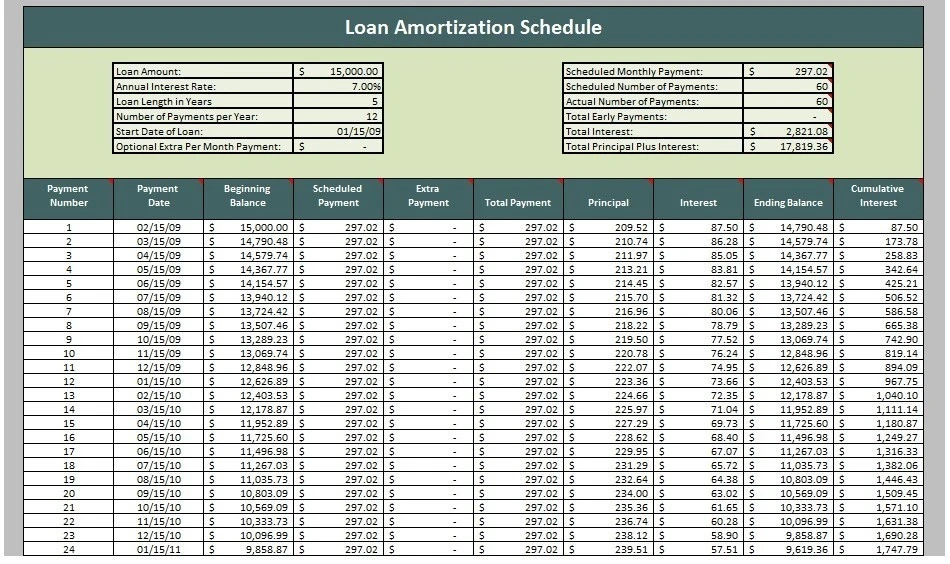
When you take out a mortgage to buy a home, it’s essential to understand how the repayment process works. One key element of this process is the mortgage amortization schedule.
This schedule outlines how your monthly payments are applied to both the principal balance and the interest on your loan over time. By gaining a clear understanding of how this works, you can make informed decisions about your mortgage and financial future.
What is a Mortgage Amortization Schedule?
A mortgage amortization schedule is a table that details how your mortgage payments are allocated between paying off the principal loan amount and the interest that accrues on the loan.
This schedule is typically provided to you by your lender at the start of your mortgage term and outlines how each payment you make will impact your loan balance over time. It can help you see how much of each payment goes toward reducing your debt and how much goes toward paying interest on the loan.
Why Understanding Your Amortization Schedule is Important?
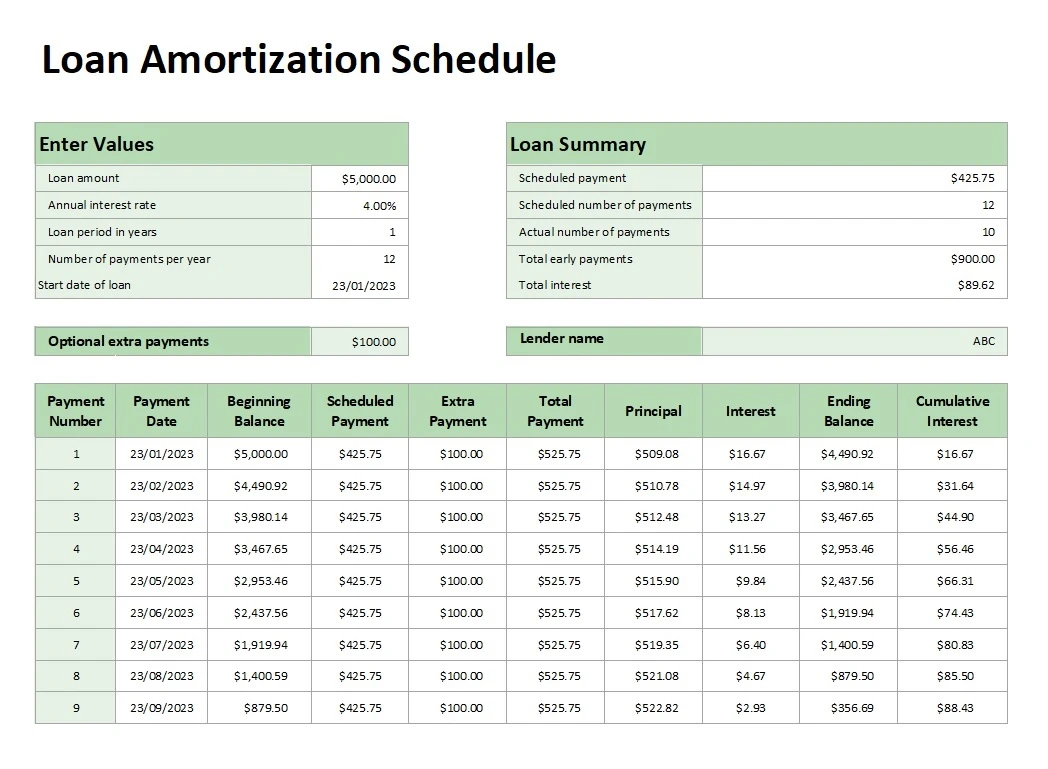
Understanding your mortgage amortization schedule is crucial for several reasons. Firstly, it allows you to see how your payments are reducing your loan balance over time. This can help you track your progress towards paying off your mortgage and can be motivating as you see the principal amount decrease.
Additionally, understanding your amortization schedule can help you see how much interest you will pay over the life of the loan, which can inform decisions about refinancing or making extra payments to reduce the overall cost of the loan.
What to Include in a Mortgage Amortization Schedule
A typical mortgage amortization schedule will include the following information:
- Loan Amount: The total amount of money borrowed for the mortgage.
- Interest Rate: The annual interest rate charged on the loan.
- Loan Term: The length of time over which the loan will be repaid (e.g., 30 years).
- Monthly Payment: The amount you will pay each month towards your mortgage.
- Principal Paid: The portion of your monthly payment that goes towards reducing the loan balance.
- Interest Paid: The portion of your monthly payment that goes towards paying the interest on the loan.
- Remaining Balance: The outstanding loan balance after each payment is made.
How to Read a Mortgage Amortization Schedule
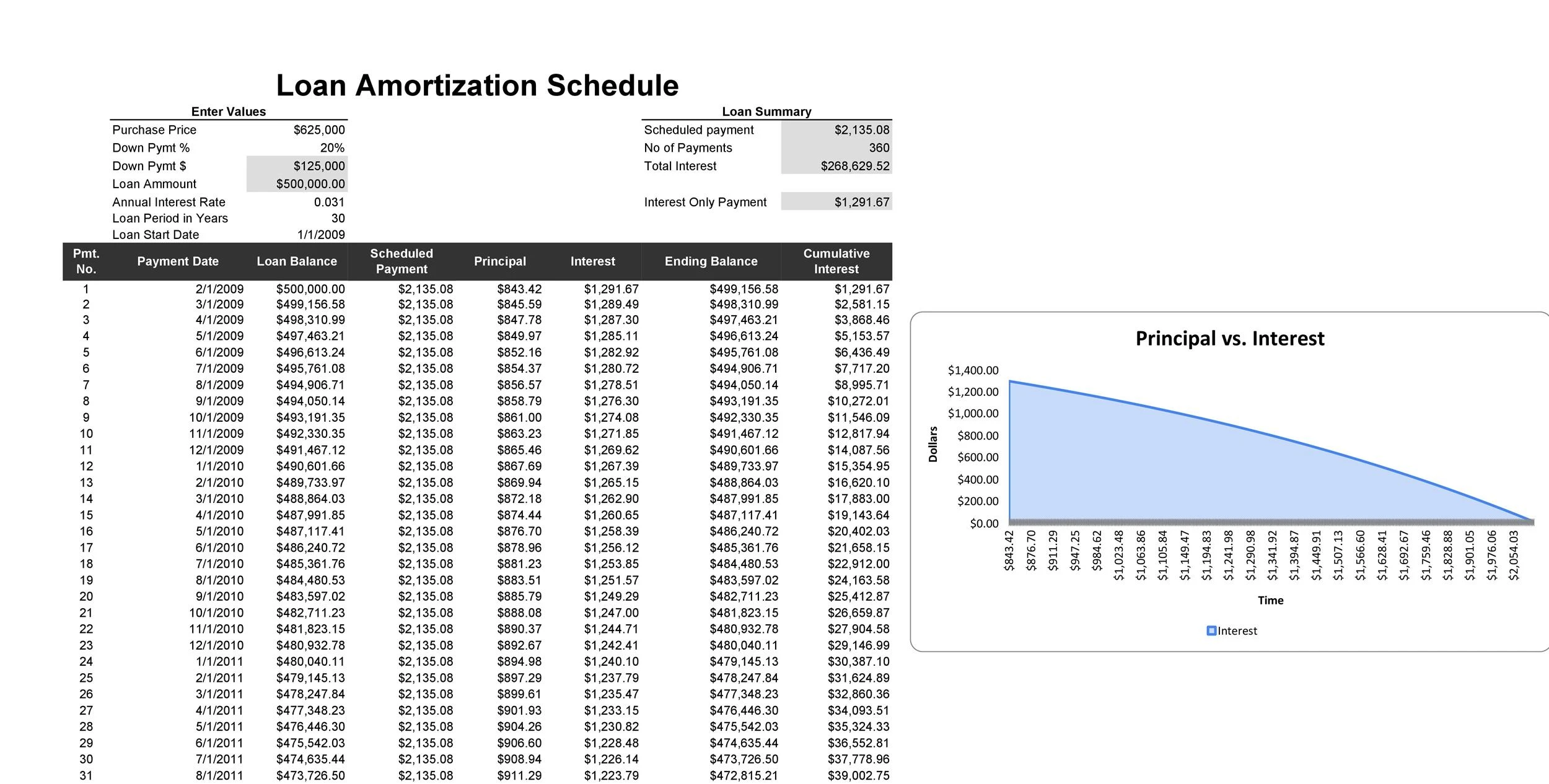
Reading a mortgage amortization schedule may seem daunting at first, but it’s actually quite straightforward once you know what to look for. The schedule will typically show each monthly payment you make, broken down into the principal and interest components.
As you progress through the schedule, you will see the principal amount increase while the interest amount decreases, reflecting the fact that more of your payment is going towards paying down the loan balance.
Tips for Managing Your Mortgage with an Amortization Schedule
Here are some tips for effectively managing your mortgage using your amortization schedule:
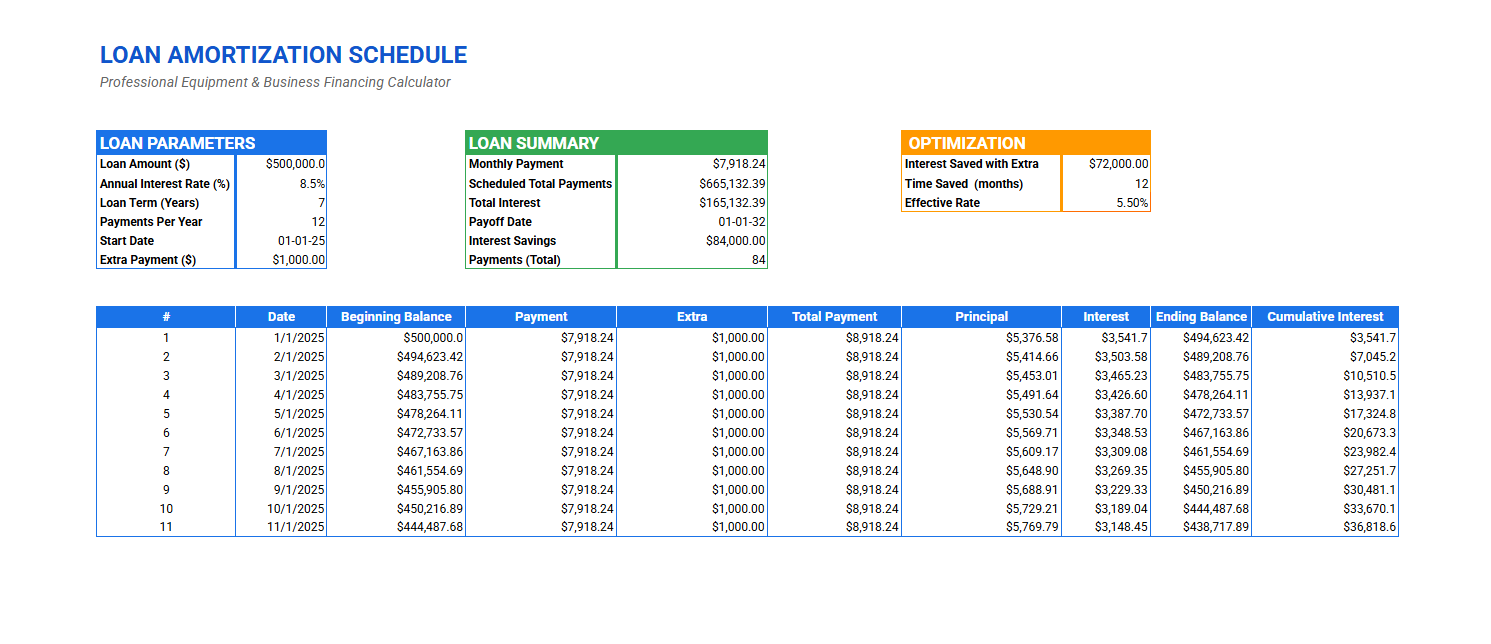
- Make Extra Payments: If possible, consider making extra payments towards your principal to reduce the overall cost of the loan.
- Refinance Wisely: Use your amortization schedule to determine if refinancing at a lower interest rate makes financial sense for you.
- Understand the Impact of Term Length: Shorter loan terms result in higher monthly payments but lower overall interest costs.
- Monitor Your Progress: Regularly review your amortization schedule to track your progress towards paying off your mortgage.
- Consult with a Financial Advisor: If you’re unsure about how to interpret your amortization schedule, consider seeking advice from a financial professional.
Conclusion
Understanding your mortgage amortization schedule is essential for managing your mortgage effectively and making informed financial decisions. By familiarizing yourself with how the schedule works and using it to track your progress, you can take control of your mortgage and work towards paying it off in a way that aligns with your financial goals.
Mortgage Amortization Schedule Template – Download

- Attendance Tracker Template - October 15, 2026
- Free Printable Attendance Sheet Template - October 15, 2026
- Asset Purchase Agreement Template - October 15, 2026
