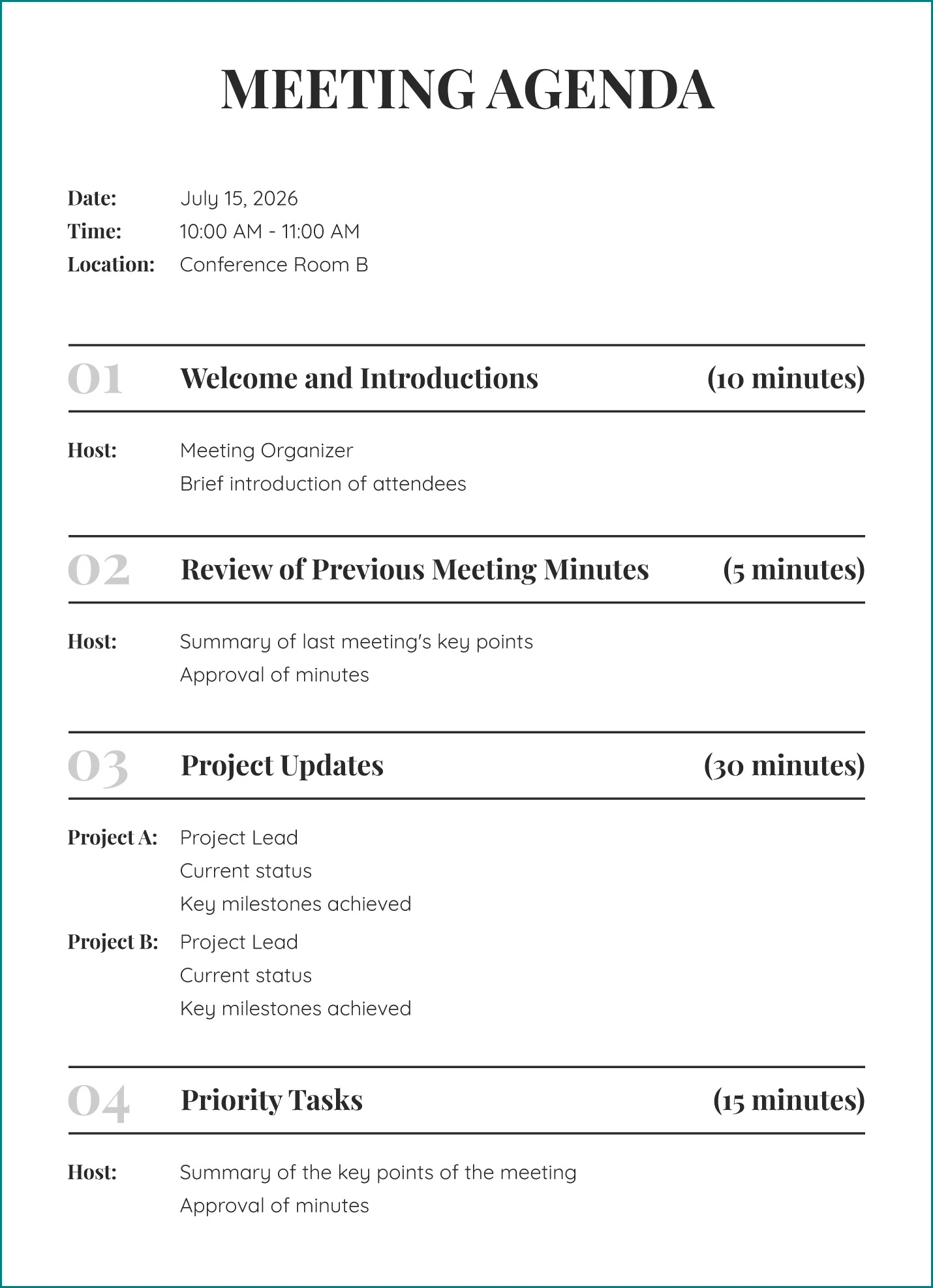
Meetings are an essential part of any business or organization, but they can often be unproductive and inefficient without proper planning. One of the key tools for ensuring that meetings stay on track and achieve their objectives is a well-crafted meeting agenda.
In this comprehensive guide, we will explore everything you need to know about meeting agendas, from what they are to how to create one effectively.
What is a Meeting Agenda?
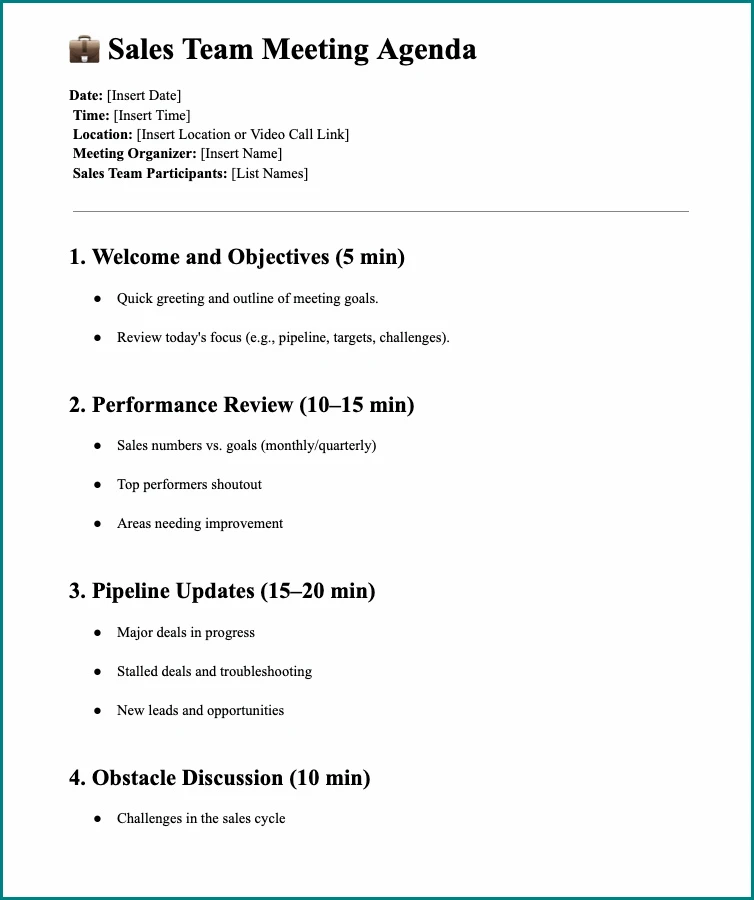
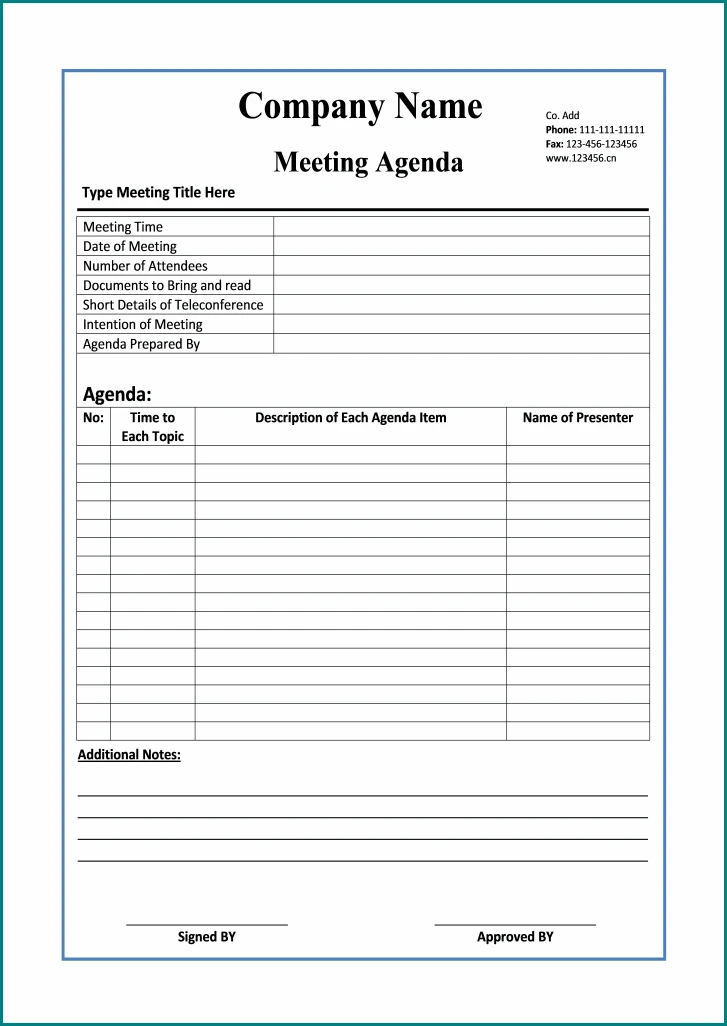
A meeting agenda is a document that outlines the topics to be discussed during a meeting, along with the time allocated to each item and any relevant information or materials that attendees need to prepare in advance. It serves as a roadmap for the meeting, ensuring that everyone is on the same page and that the discussion stays focused on the key objectives.
Why are Meeting Agendas Important?
Meeting agendas are important for several reasons. Firstly, they help to set clear expectations for the meeting, ensuring that all participants are aware of what will be discussed and what is expected of them. This can help to increase engagement and participation during the meeting.
Additionally, meeting agendas can help to improve time management by ensuring that the discussion stays on track and that all important topics are covered within the allotted time.
What to Include in a Meeting Agenda
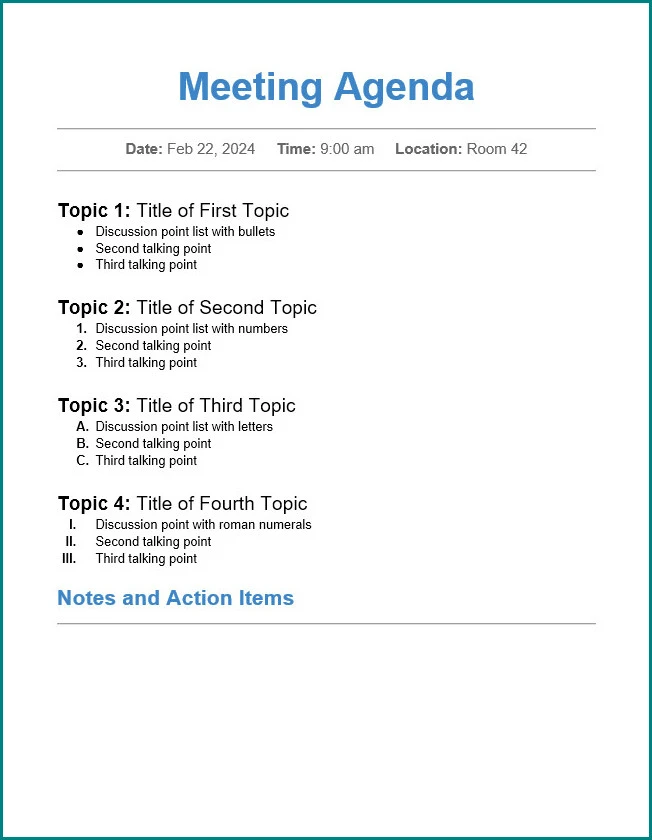
When creating a meeting agenda, it is important to include the following key elements:
- Meeting title: Clearly indicate the purpose of the meeting.
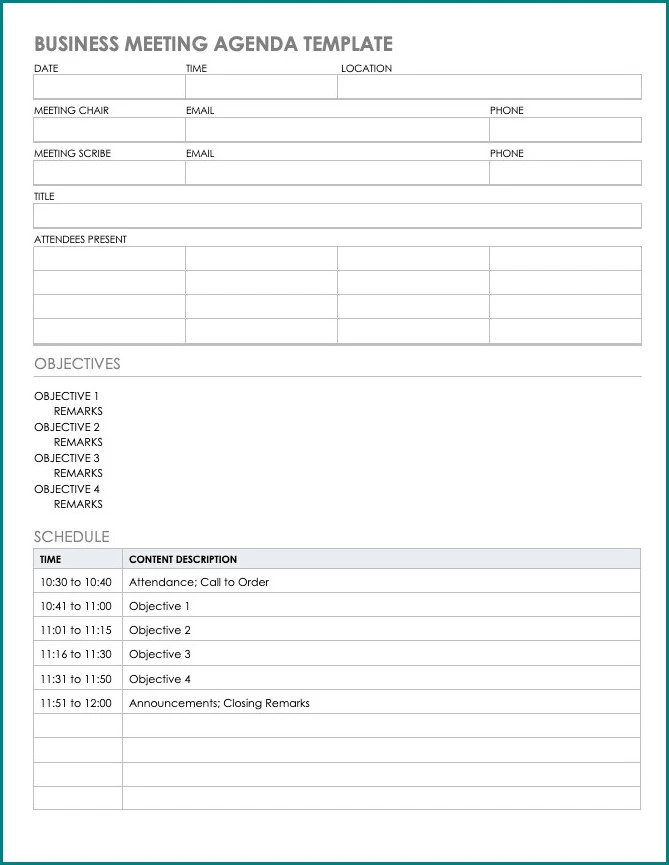
- Date and time: Specify the date, time, and duration of the meeting.
- Attendees: List the names of all participants who are expected to attend.
- Agenda items: Outline the topics to be discussed in the order they will be addressed.
- Time allocation: Assign a specific amount of time to each agenda item to ensure the meeting stays on schedule.
- Preparation materials: Provide any necessary background information or materials that attendees need to review before the meeting.
How to Create an Effective Meeting Agenda
Creating an effective meeting agenda involves careful planning and attention to detail. Follow these steps to create a successful meeting agenda:
1. Define the Objectives
Start by clearly defining the objectives of the meeting. What do you hope to achieve by the end of the discussion? This will help you determine which topics to include on the agenda.
2. Prioritize Topics
Once you have identified the objectives, prioritize the topics based on their importance and relevance to the objectives. This will help you allocate time appropriately.
3. Set a Realistic Timeline
Allocate a specific amount of time to each agenda item, taking into account the complexity of the topic and the number of participants who will be contributing to the discussion.
4. Communicate Expectations
Share the meeting agenda with all participants in advance and clearly communicate any expectations for preparation or participation. This will help ensure that everyone is on the same page.
5. Stick to the Agenda
During the meeting, stick to the agenda and ensure that discussions stay focused on the topics at hand. If new topics arise, note them for future meetings rather than derailing the current discussion.
6. Assign Responsibilities
Assign responsibilities for each agenda item, including who will lead the discussion, who will take notes, and who will follow up on action items after the meeting.
7. Review and Reflect
After the meeting, review the agenda to assess what worked well and what could be improved for future meetings. Use feedback from participants to make adjustments as needed.
Tips for Creating an Effective Meeting Agenda
Here are some additional tips for creating an effective meeting agenda:
- Keep it concise: Only include essential topics to avoid overwhelming participants.
- Include breaks: Allow for short breaks during longer meetings to give participants a chance to recharge.
- Follow up: Send out meeting minutes and action items promptly after the meeting to keep everyone accountable.
- Be flexible: Be prepared to adjust the agenda on the fly if necessary to address unexpected issues or opportunities.
- Solicit feedback: Ask participants for feedback on the agenda and meeting process to continuously improve.
In Conclusion
Meeting agendas are a valuable tool for ensuring that meetings are productive, efficient, and focused on achieving their objectives. By following the tips and guidelines outlined in this guide, you can create effective meeting agendas that help you make the most of your valuable time and resources. Remember, a well-planned meeting agenda sets the stage for a successful meeting.
Meeting Agenda Template – Download

- Printable Weekly Cleaning Schedule Template - September 17, 2026
- Free Printable Travel Budget Template - September 17, 2026
- Printable Weekly Lesson Planner Template - September 17, 2026
