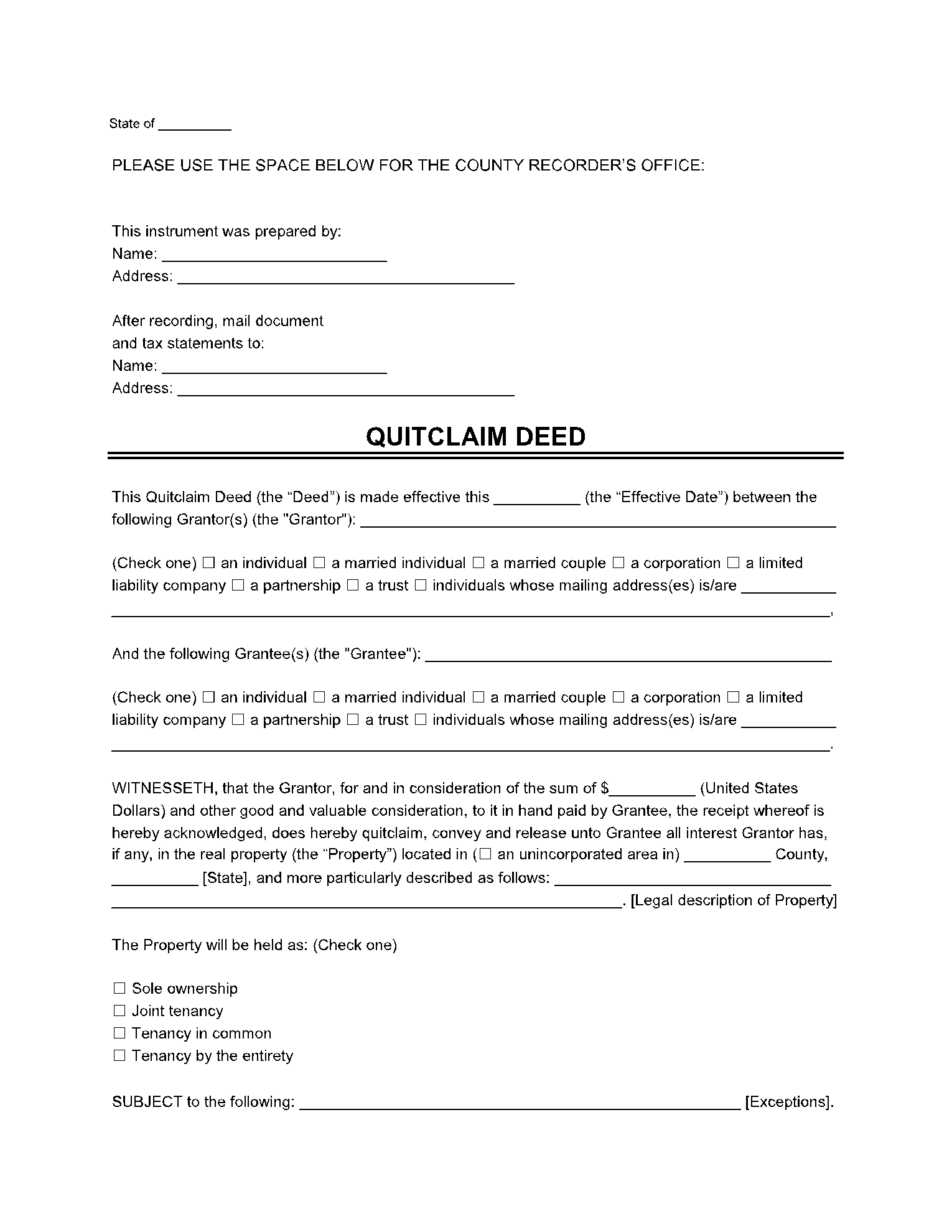
When it comes to real estate transactions, understanding the legal documents involved is crucial. One important form that is frequently used in property transfers is the quit-claim deed form. This document plays a significant role in transferring property ownership from one party to another, but it is essential to fully grasp its implications before signing. In this guide, we will delve into the details of the quit-claim deed form, covering what it is, why it is used, what to include, how to fill it out, and tips for successful completion.
What is a Quit-Claim Deed Form?
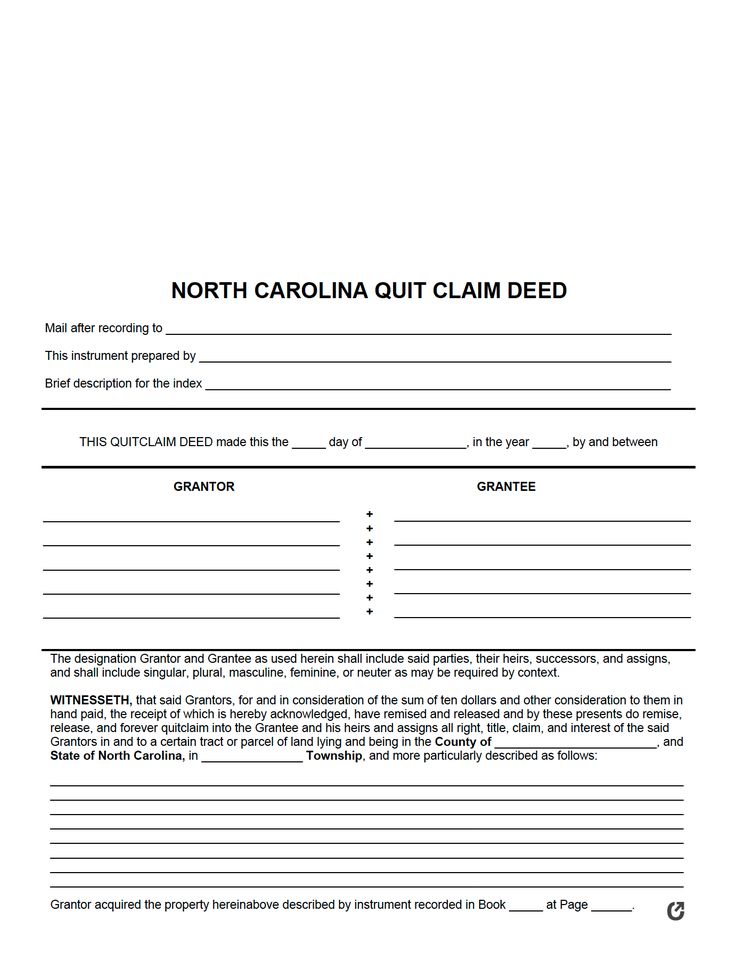
A quit-claim deed form is a legal document used to transfer ownership interest in a property from one party to another. Unlike a warranty deed, which guarantees that the grantor (the person transferring the property) has clear title to the property and can legally transfer it, a quit-claim deed offers no such guarantee. Instead, it simply transfers whatever interest the grantor may have in the property, without making any promises about the validity of that interest.
Quit-claim deeds are often used in situations where the parties involved know and trust each other, such as transferring property between family members, or when clarifying ownership rights in cases of divorce or inheritance.
Why Use a Quit-Claim Deed Form?
There are several reasons why a quit-claim deed form may be used in a real estate transaction:
- Transferring Property Between Family Members: Quit-claim deeds are commonly used to transfer property between family members, such as parents transferring ownership to their children.
- Clarifying Ownership Rights: In cases of divorce or inheritance, a quit-claim deed can help clarify ownership rights and transfer property interests.
- Resolving Boundary Disputes: Quit-claim deeds can be used to resolve boundary disputes between neighboring properties by clarifying ownership boundaries.
Overall, quit-claim deeds provide a simple and straightforward way to transfer property interests without the need for extensive legal documentation.
What to Include in a Quit-Claim Deed Form
When filling out a quit-claim deed form, there are several key pieces of information that should be included:
- Names of Grantor and Grantee: The full legal names of the parties involved in the transfer of ownership.
- Description of Property: A detailed description of the property being transferred, including the address and legal description.
- Signature of Grantor: The signature of the grantor, indicating their consent to transfer ownership.
It is important to ensure that the quit-claim deed form is completed accurately and signed by all parties involved to make the transfer legally binding.
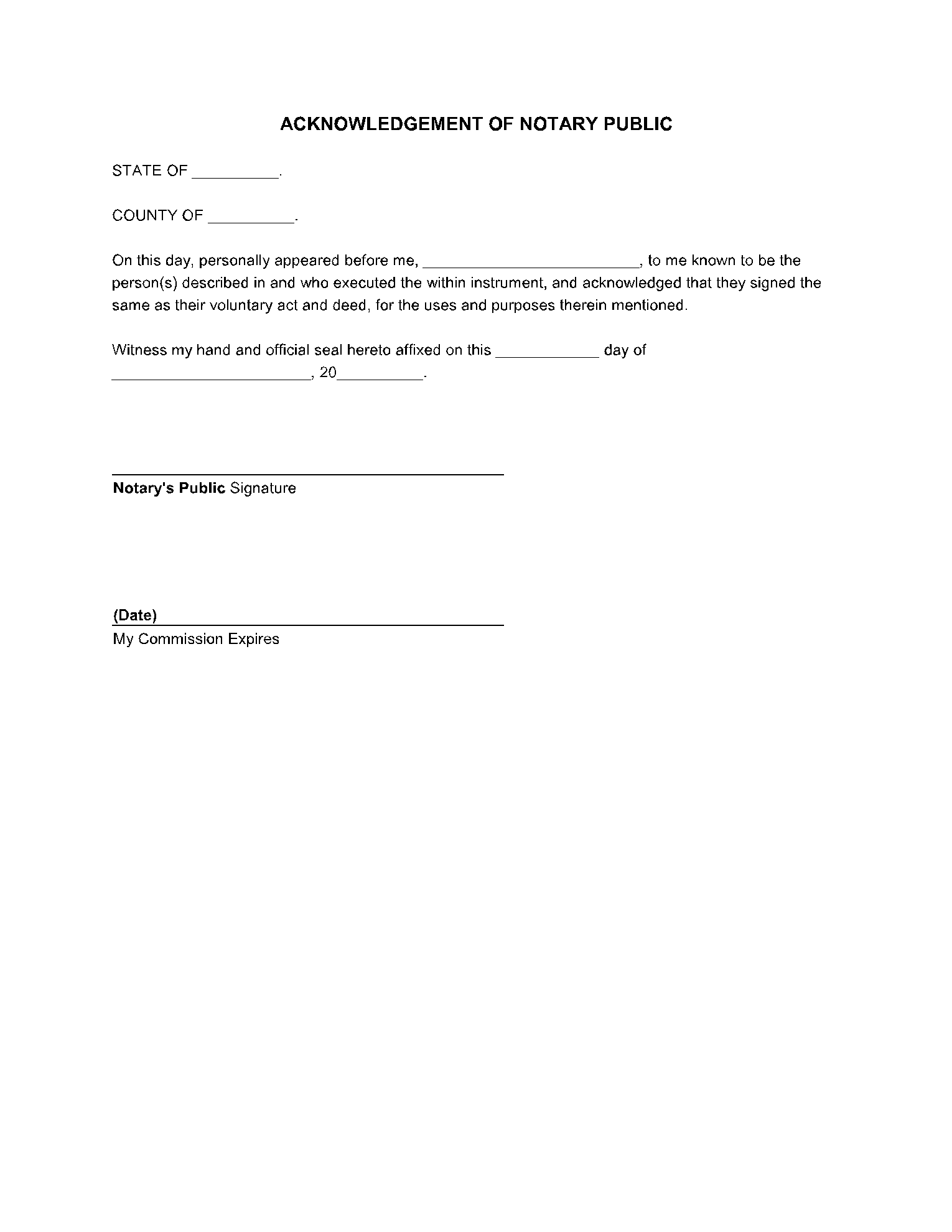
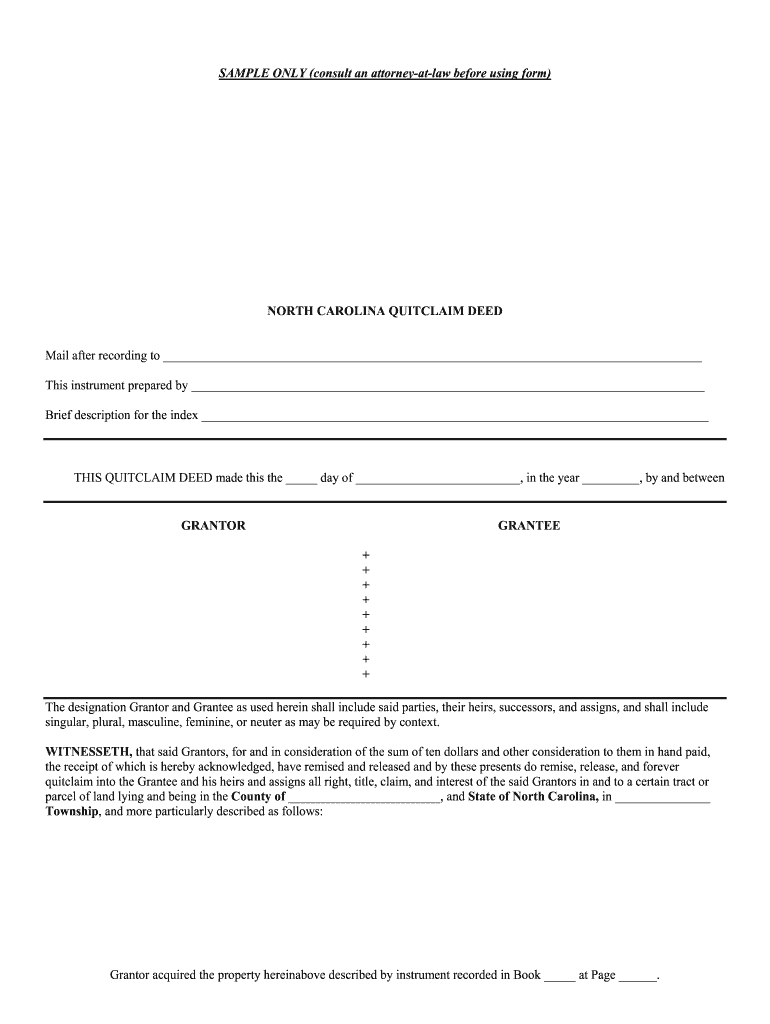
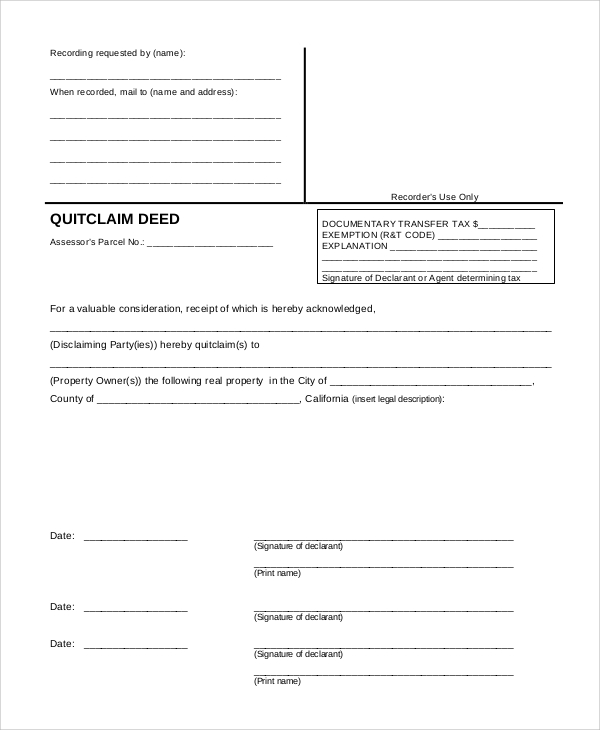
How to Fill Out a Quit-Claim Deed Form
Filling out a quit-claim deed form is a relatively straightforward process, but it is crucial to follow the instructions carefully to avoid any errors. Here are the general steps to fill out a quit-claim deed:
1. Obtain the Form:
Start by obtaining a quit-claim deed form from your local county clerk’s office or online legal forms provider.
2. Fill in the Details:
Enter the names of the grantor and grantee, the property description, and any other required information on the form.
3. Sign the Form:
Both parties must sign the quit-claim deed form in the presence of a notary public to make the transfer legally binding.
4. Record the Deed:
After signing the form, file it with the county clerk’s office to officially record the transfer of ownership.
5. Keep a Copy:
Make sure to keep a copy of the signed quit-claim deed form for your records, as it serves as proof of the property transfer.
Tips for Successful Completion of a Quit-Claim Deed Form
Here are some tips to ensure a successful completion of a quit-claim deed form:
- Consult with a Legal Professional: If you are unsure about any aspect of the quit-claim deed form, it is advisable to seek guidance from a legal professional.
- Double-Check Information: Before signing the form, double-check all information to ensure accuracy and completeness.
- File Promptly: Once the form is signed, file it with the county clerk’s office promptly to avoid any delays in the transfer of ownership.
By following these tips and understanding the implications of a quit-claim deed form, you can navigate the property transfer process with confidence and ease.

- Wedding Invitation Wording Template - September 27, 2026
- Free Printable Vacation Planner Template - September 27, 2026
- Free Printable Slumber Party Invitation Template - September 27, 2026
