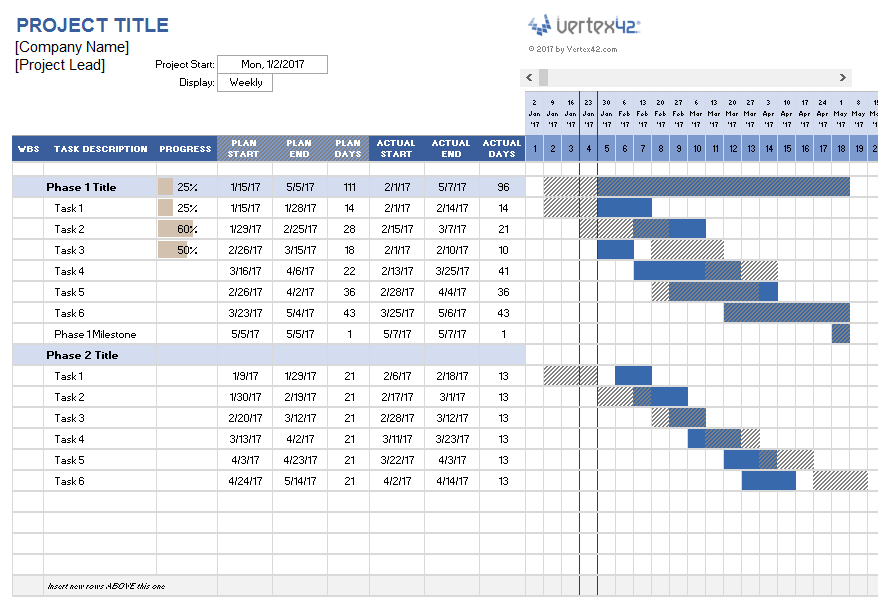
Embarking on a new project can be an exciting yet daunting task. With so many moving parts and variables to consider, having a well-thought-out project plan is essential for success. In this guide, we will delve into the intricacies of project planning and provide you with valuable insights on how to create a foolproof project plan that will set you up for success.
What is a Project Plan?
A project plan is a detailed roadmap that outlines the objectives, scope, timeline, resources, and deliverables of a project. It serves as a guiding document that helps project managers and team members stay on track and ensure that all tasks are completed efficiently and effectively.
Why is a Project Plan Important?
A project plan is crucial for the success of any project for several reasons:
- Clear Direction: It provides a clear roadmap for the project team, outlining the goals and objectives to be achieved.
- Resource Allocation: It helps in allocating resources effectively, ensuring that all necessary resources are available when needed.
- Risk Management: It helps identify potential risks and challenges early on, allowing the team to develop mitigation strategies.
- Timeline Management: It establishes a timeline for the project, helping the team stay on track and meet deadlines.
- Communication Tool: It serves as a communication tool for all stakeholders, ensuring everyone is on the same page regarding project progress and status.
What to Include in a Project Plan
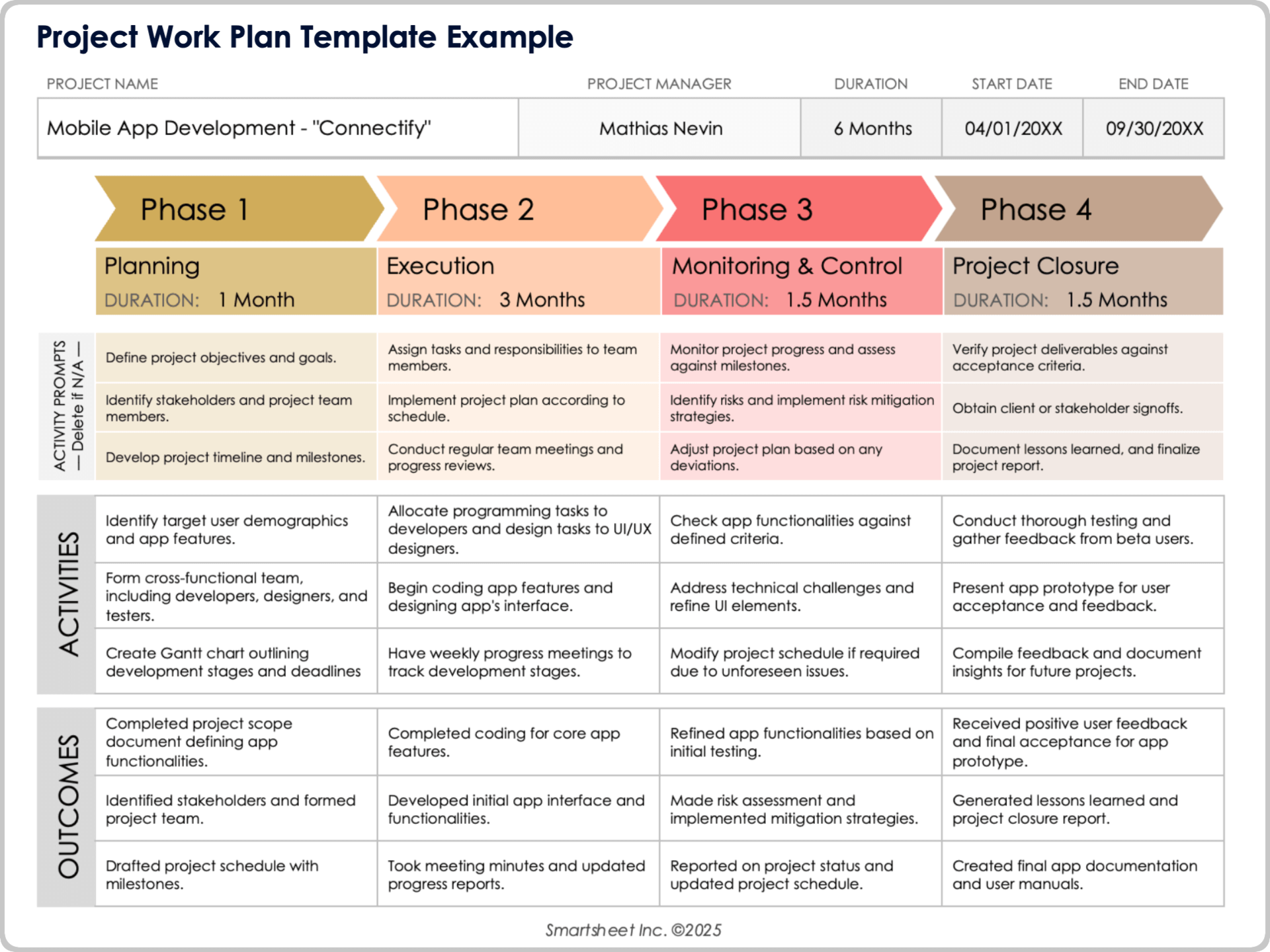
A comprehensive project plan should include the following key elements:
- Project Objectives: Clearly define the goals and objectives of the project.
- Scope: Define the scope of the project, including what is included and excluded.
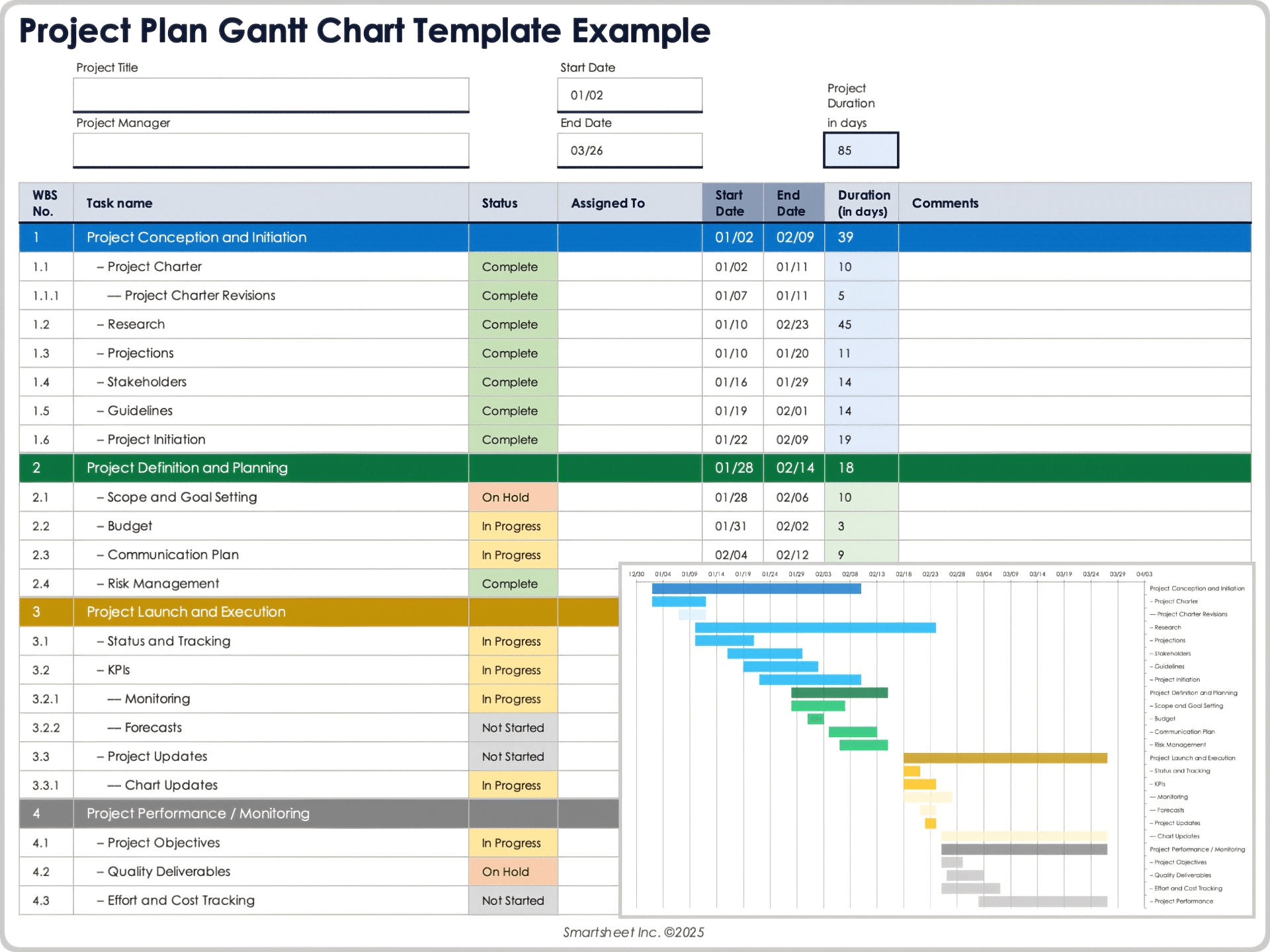
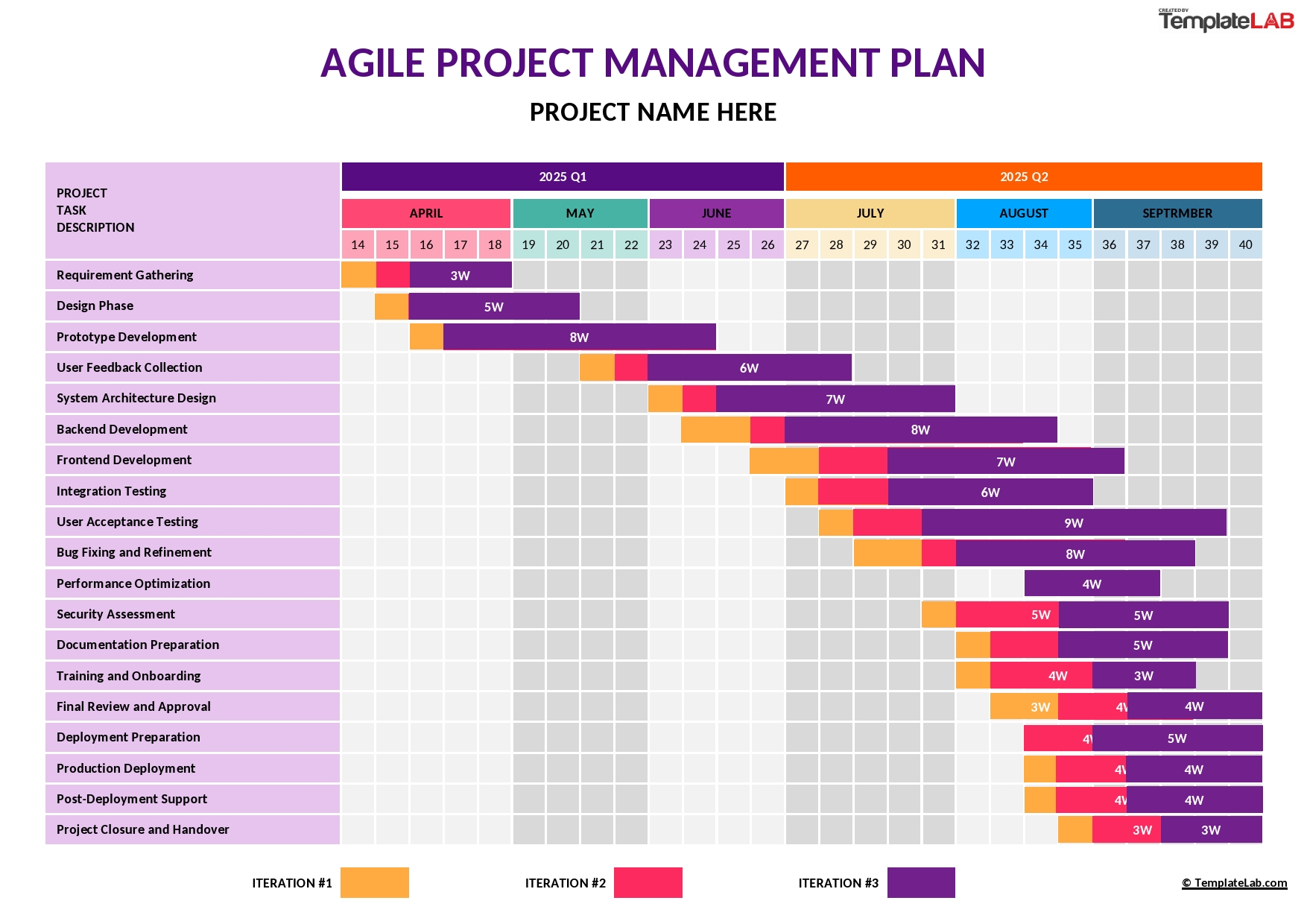
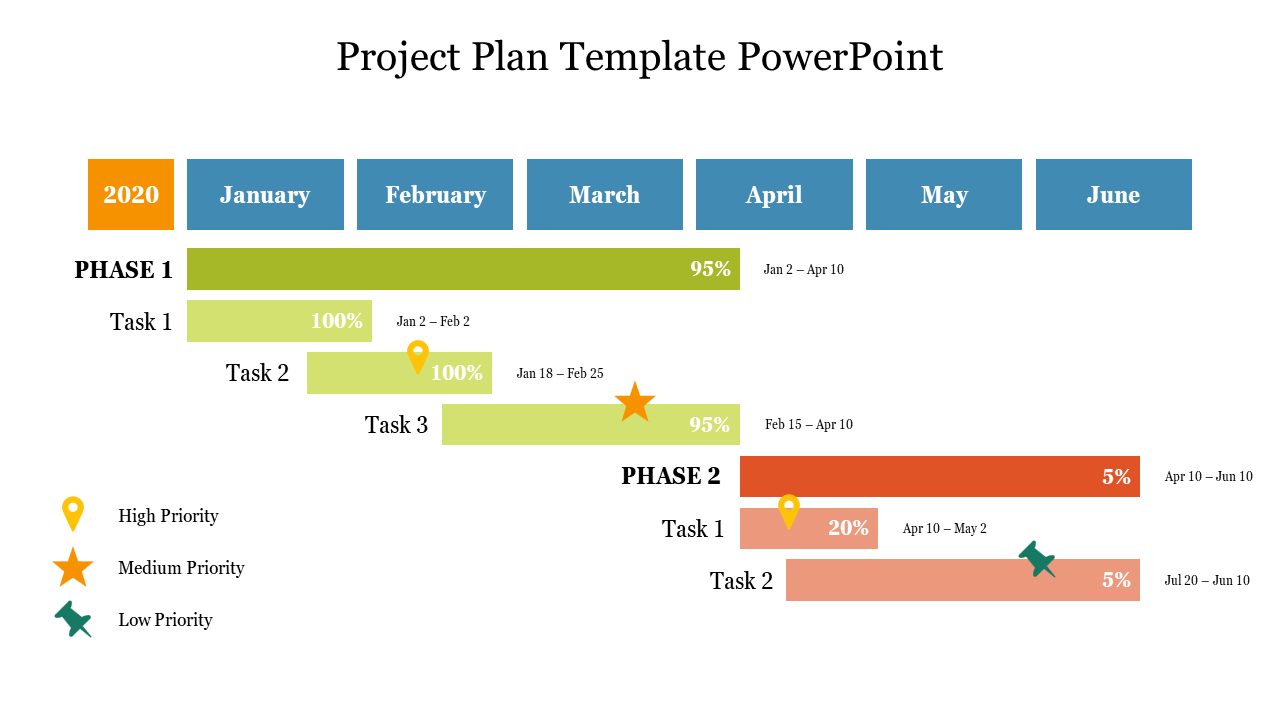
- Timeline: Establish a timeline with key milestones and deadlines.
- Resources: Identify the resources required for the project, including human resources, equipment, and budget.
- Risk Management Plan: Identify potential risks and develop strategies to mitigate them.
How to Create a Project Plan
Creating a project plan involves several key steps:
- Define Project Objectives: Clearly outline the goals and objectives of the project.
- Identify Stakeholders: Identify all stakeholders involved in the project and their roles and responsibilities.
- Develop a Work Breakdown Structure (WBS): Break down the project into smaller tasks and subtasks to create a detailed plan.
- Estimate Resources: Estimate the resources required for each task, including time, budget, and equipment.
- Create a Timeline: Establish a timeline with key milestones and deadlines for each task.
Tips for Successful Project Planning
Here are some tips to help you create a successful project plan:
- Involve Stakeholders: Involve key stakeholders in the planning process to ensure buy-in and collaboration.
- Use Project Management Tools: Utilize project management tools to streamline the planning process and track progress.
- Regularly Review and Update the Plan: Continuously review and update the project plan to reflect changes and ensure alignment with project goals.
- Communicate Effectively: Ensure open and transparent communication with all stakeholders to keep everyone informed and engaged.
- Celebrate Milestones: Celebrate key milestones and achievements to boost team morale and motivation.
By following these guidelines and best practices, you can create a robust project plan that will help you navigate the complexities of project management and achieve success in your endeavors.

- Wedding Invitation Wording Template - September 27, 2026
- Free Printable Vacation Planner Template - September 27, 2026
- Free Printable Slumber Party Invitation Template - September 27, 2026
