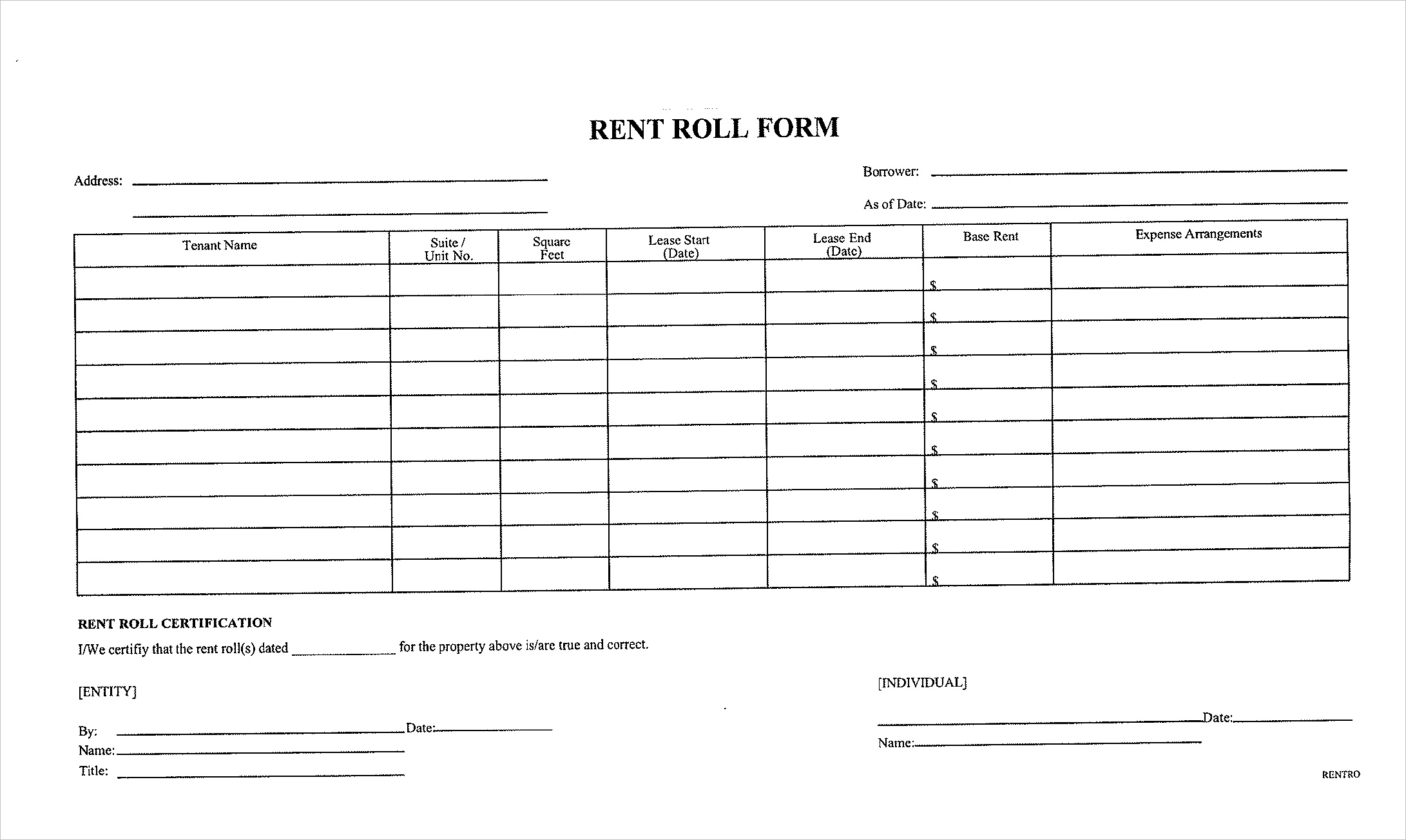
When diving into the world of real estate investing, understanding key financial concepts is crucial. One such concept is the rent roll, which plays a significant role in evaluating the financial performance of a rental property. In simple terms, a rent roll is a document that provides a detailed breakdown of all rental income and expenses associated with a property. This essential tool helps investors analyze the cash flow and overall profitability of a rental property.
What is a Rent Roll?
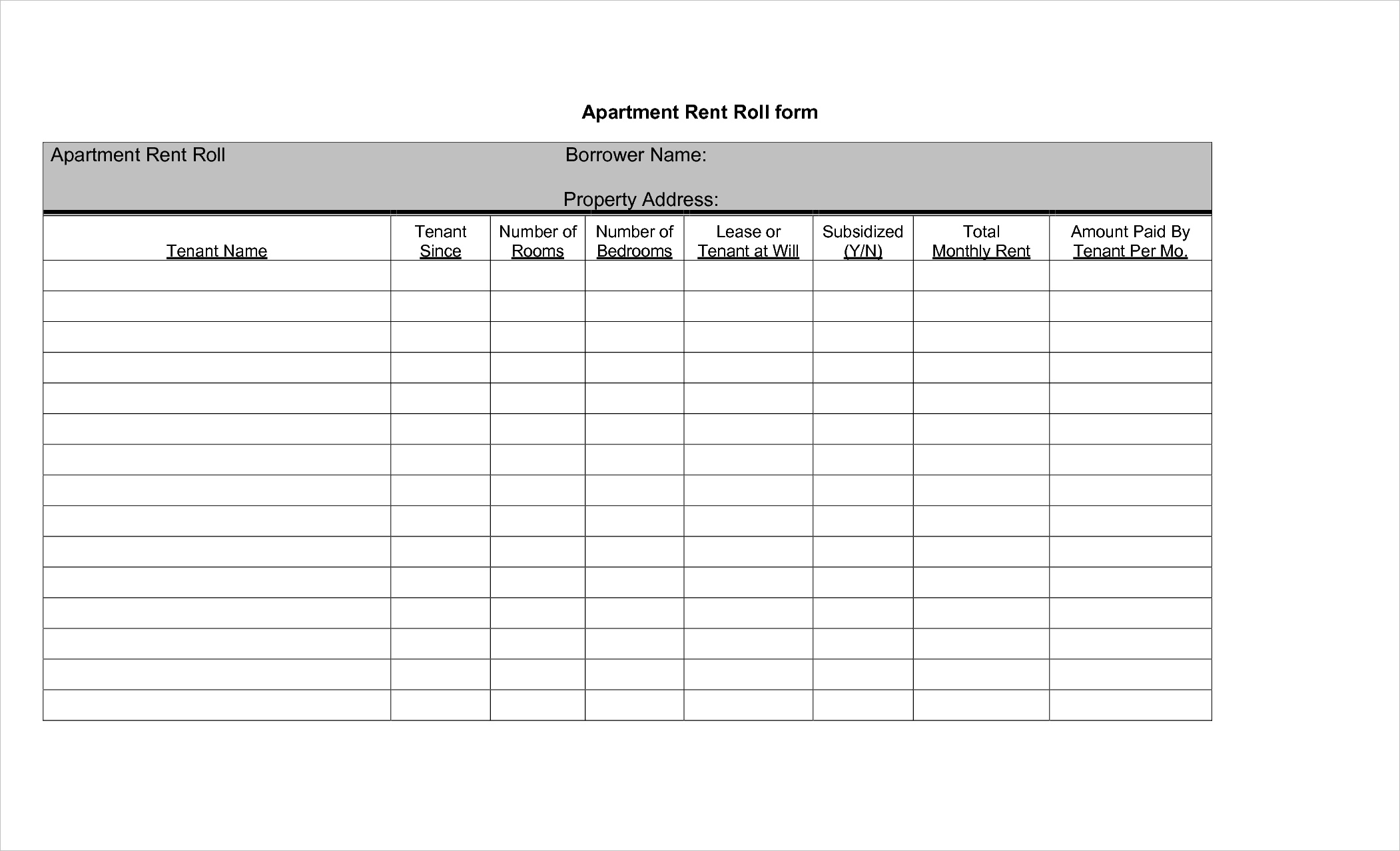
A rent roll is a comprehensive document that outlines the rental income generated by a property over a specific period, typically one year. It includes details such as the rental rates for each unit, lease terms, tenant names, move-in dates, and any additional fees or charges. The rent roll also lists any vacancies, delinquent tenants, and upcoming lease expirations. By compiling this information, investors can gain a clear picture of the property’s financial health and make informed decisions about its potential for growth.
Why is a Rent Roll Important?
A rent roll serves as a valuable tool for real estate investors for several reasons. Firstly, it provides a snapshot of the property’s income stream, allowing investors to assess its current performance and potential for future growth. By analyzing the rent roll, investors can identify trends, such as increasing or decreasing rental rates, and make strategic decisions to maximize profitability. Additionally, lenders and potential buyers often request a rent roll when evaluating a property, as it offers insight into the property’s financial stability and income-generating potential.
What to Include in a Rent Roll?
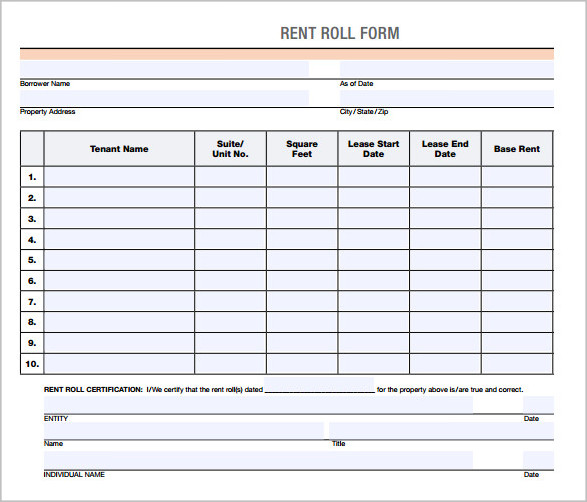
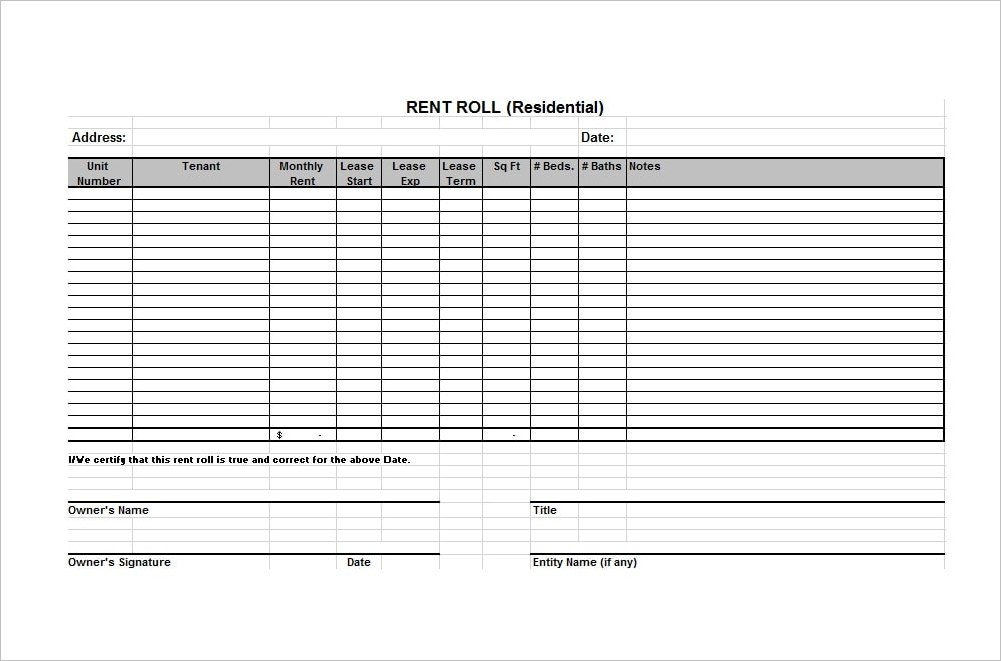
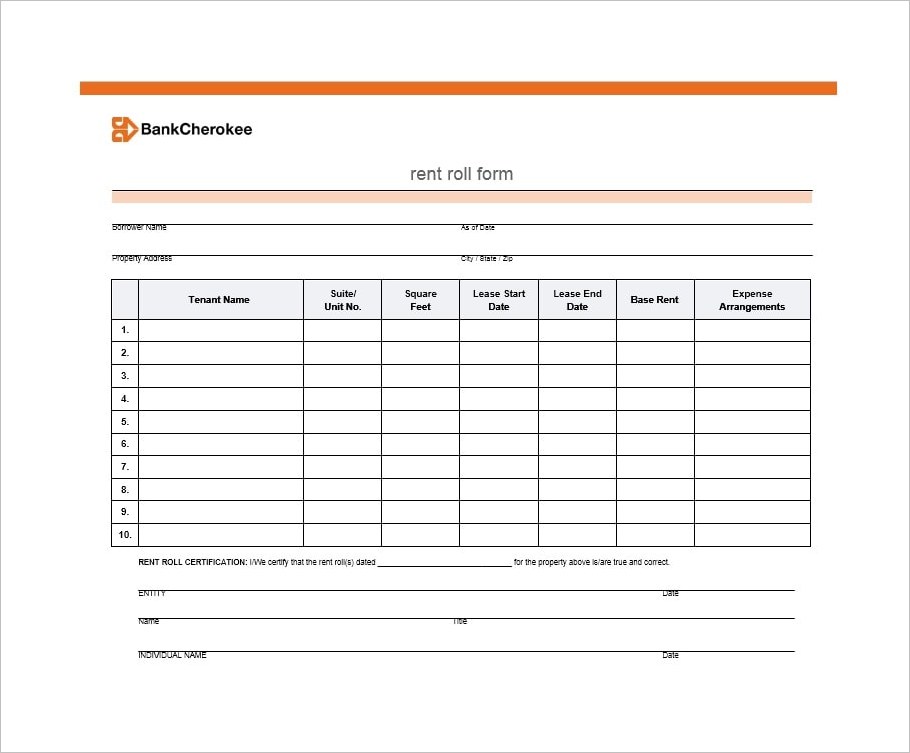
When creating a rent roll, it’s essential to include detailed information to accurately reflect the financial status of the property. Key components to include in a rent roll are:
- Rental Income: List the monthly rental income for each unit, including any additional income from parking spaces, storage units, or other amenities.
- Lease Terms: Include the lease start and end dates, rental rates, security deposits, and any renewal options for each tenant.
- Tenant Information: Provide the names of tenants, contact information, and a record of any late payments or delinquencies.
- Vacancy Details: Note any vacant units and the expected lease-up timeline for filling them.
- Expense Breakdown: Outline the property’s operating expenses, such as maintenance costs, utilities, property taxes, insurance, and property management fees.
How to Analyze a Rent Roll?
Analyzing a rent roll involves more than just looking at the numbers. Investors should pay attention to various factors to gain a deeper understanding of the property’s financial performance. Some key metrics to consider when analyzing a rent roll include:
1. Gross Potential Rent (GPR):
GPR represents the total rental income the property would generate if all units were occupied and paying rent at market rates. It provides insight into the property’s income potential under ideal conditions.
2. Effective Gross Income (EGI):
EGI is the total rental income minus any vacancy losses and credit losses. This metric helps investors understand the property’s actual income after accounting for vacancies and delinquent tenants.
3. Net Operating Income (NOI):
NOI is calculated by subtracting operating expenses from EGI. This figure represents the property’s profitability before accounting for debt service and capital expenditures.
4. Occupancy Rate:
The occupancy rate indicates the percentage of occupied units in the property. A high occupancy rate signifies a healthy rental property with steady income flow.
5. Lease Expiration Schedule:
Reviewing the lease expiration schedule helps investors anticipate potential vacancies and plan for lease renewals or rent increases to maximize income.
Tips for Successful Rent Roll Management
Effective rent roll management is essential for maintaining the financial health of a rental property. To ensure success, consider the following tips:
- Stay Organized: Keep detailed records of tenant information, lease agreements, and rental payments to maintain an accurate rent roll.
- Regularly Update the Rent Roll: Update the rent roll regularly to reflect any changes in rental income, lease terms, or tenant information.
- Monitor Vacancies Closely: Actively work to fill vacancies and minimize turnover to maximize rental income and occupancy rates.
- Utilize Property Management Software: Consider using property management software to streamline rent roll management and generate detailed reports for analysis.
- Seek Professional Advice: When in doubt, consult with a real estate professional or accountant to ensure accurate financial analysis and decision-making.
By understanding the role of a rent roll in real estate investing and implementing effective management practices, investors can make informed decisions to maximize the profitability of their rental properties.

- Ship Chart Template - October 5, 2026
- Free Printable Table Tent Template - October 5, 2026
- Free Printable Supply List Template - October 5, 2026
