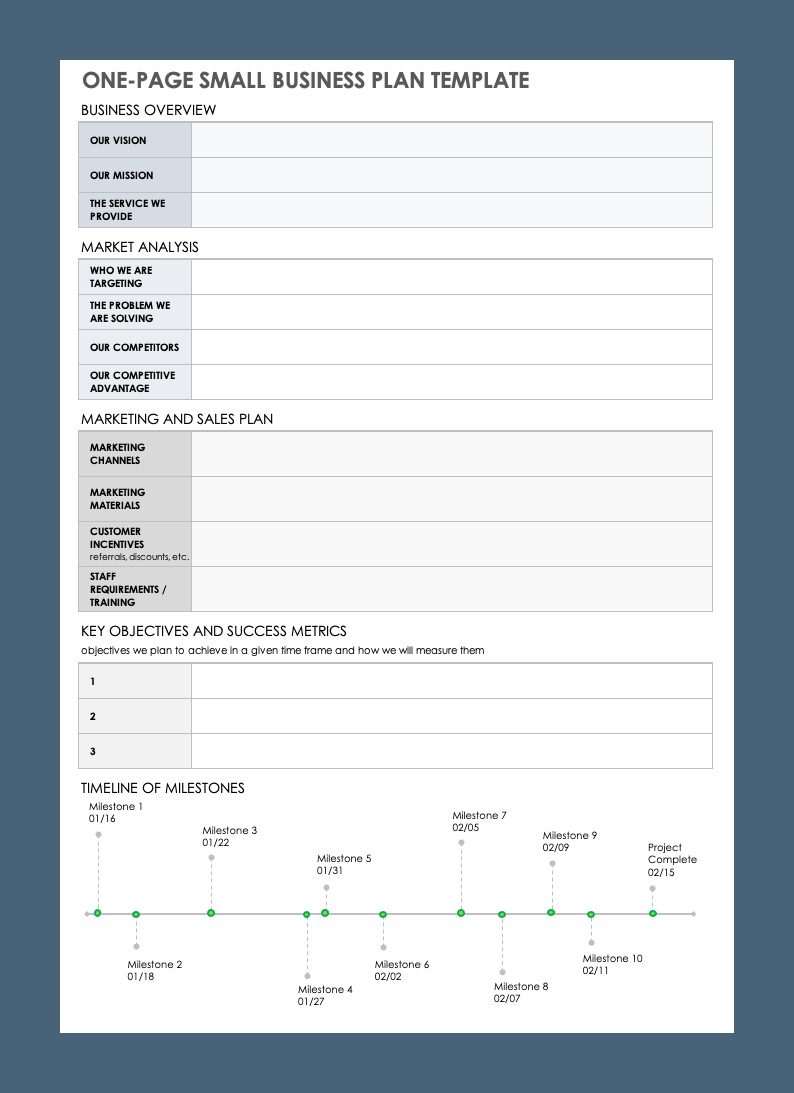
Starting a small business can be an exciting and rewarding endeavor, but it requires careful planning and organization to ensure success. One of the most important tools you can have in your entrepreneurial toolkit is a well-thought-out small business plan. A business plan serves as a roadmap for your company, outlining your goals, strategies, and financial projections. In this article, we will delve into the key elements of a small business plan and provide tips for creating a successful one.
What is a Small Business Plan?
A small business plan is a written document that outlines the goals, strategies, and financial projections of a new or existing business. It serves as a roadmap for your company, guiding you through the process of starting, growing, and managing your business. A well-crafted business plan can help you attract investors, secure funding, and stay on track towards your goals.
Why Do You Need a Small Business Plan?
Having a small business plan is essential for several reasons:
- Clarity: A business plan helps you clarify your business idea and identify your target market.
- Focus: It keeps you focused on your goals and objectives, helping you stay on track.
- Attract Investors: A well-written business plan can attract investors and lenders who are interested in your business idea.
- Set Priorities: It helps you prioritize tasks and allocate resources effectively.
- Measure Progress: A business plan allows you to track your progress and make adjustments as needed.
Key Elements of a Small Business Plan
When creating a small business plan, there are several key elements that you should include:
1. Executive Summary
The executive summary is a brief overview of your business plan, highlighting your company’s mission, goals, and key accomplishments. It should provide a snapshot of your business and entice readers to learn more.
2. Company Description
This section provides a detailed description of your company, including its history, mission statement, products or services, target market, and competitive advantage.
3. Market Analysis
Conduct a thorough analysis of your target market, including industry trends, customer demographics, and competitive landscape. This section should demonstrate your understanding of the market and your competitive position.
4. Organization and Management
Outline the structure of your company, including key personnel, management team, and organizational hierarchy. Define roles and responsibilities to ensure smooth operations.
5. Products and Services
Describe the products or services you offer, highlighting their features, benefits, and unique selling points. Clearly define your value proposition to attract customers.
6. Marketing and Sales Strategy
Detail your marketing and sales strategies, including pricing, promotion, distribution, and sales channels. Identify your target customers and outline how you will reach them.
7. Financial Projections
Include financial projections such as revenue forecasts, cash flow statements, and profit and loss statements. This section demonstrates the financial viability of your business and helps attract investors.
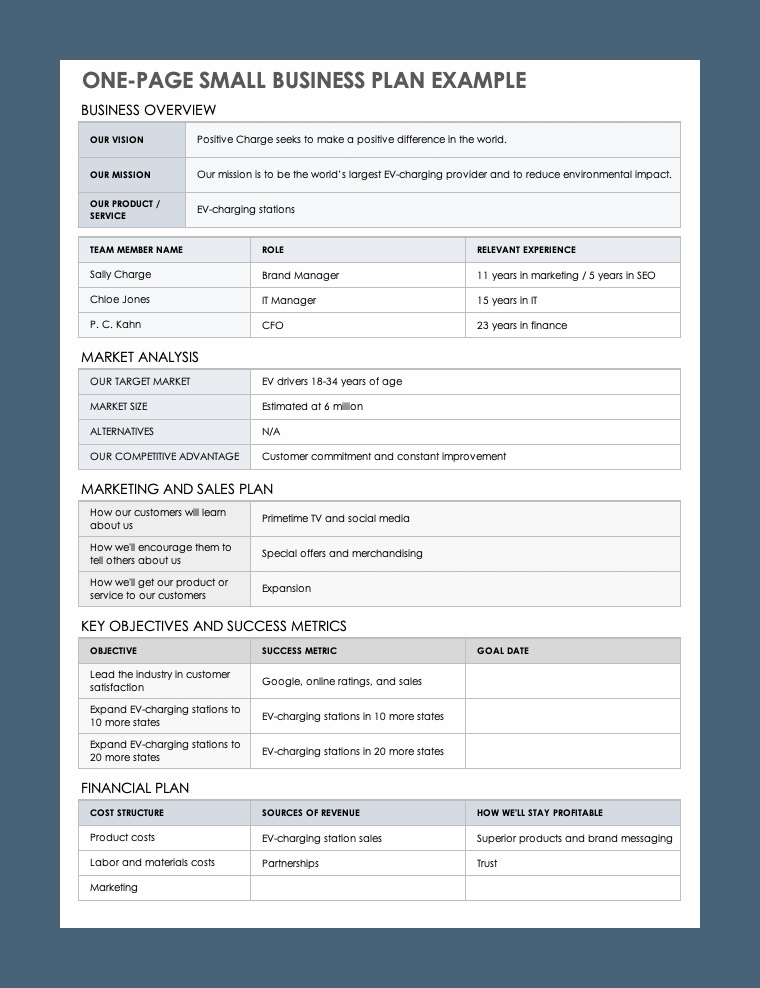
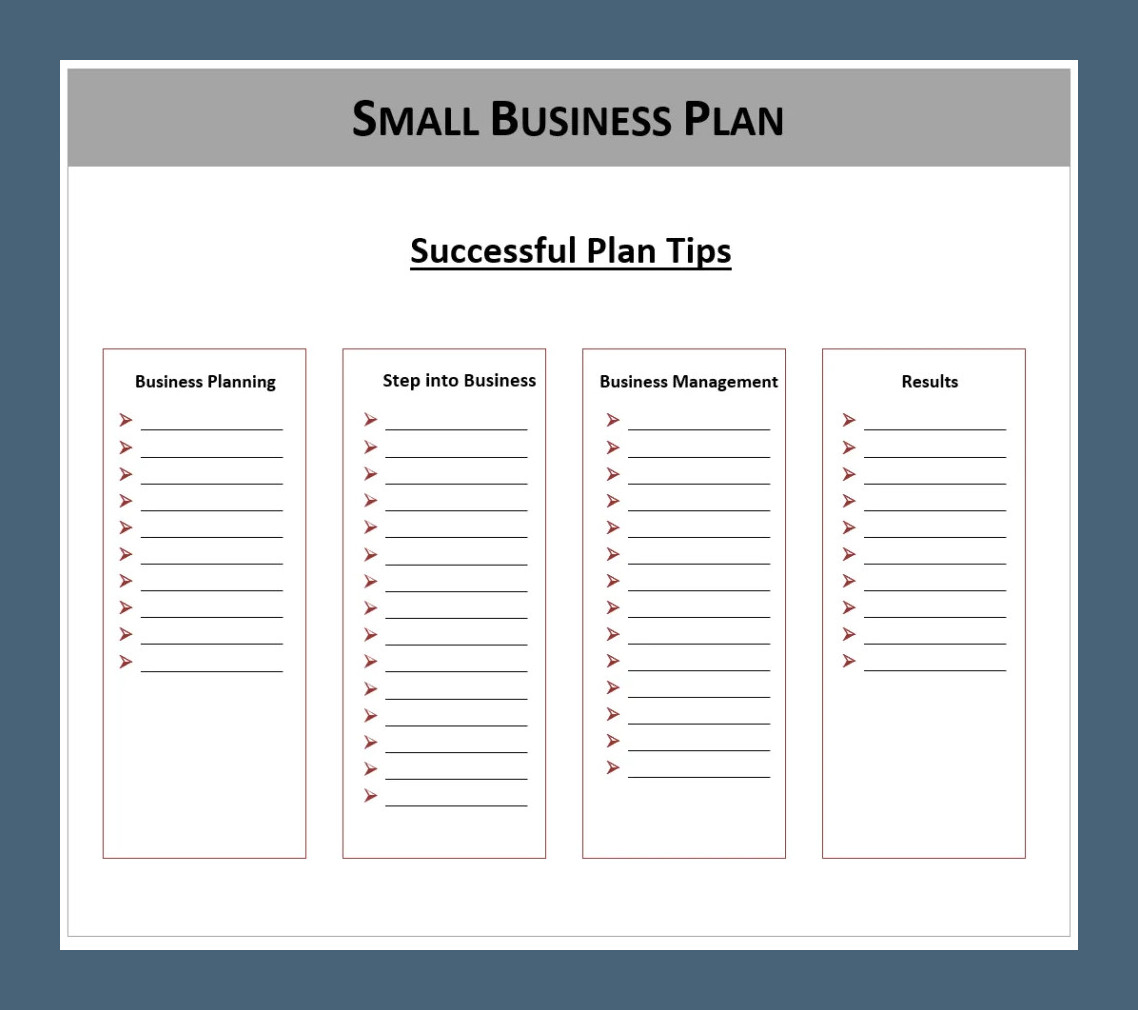
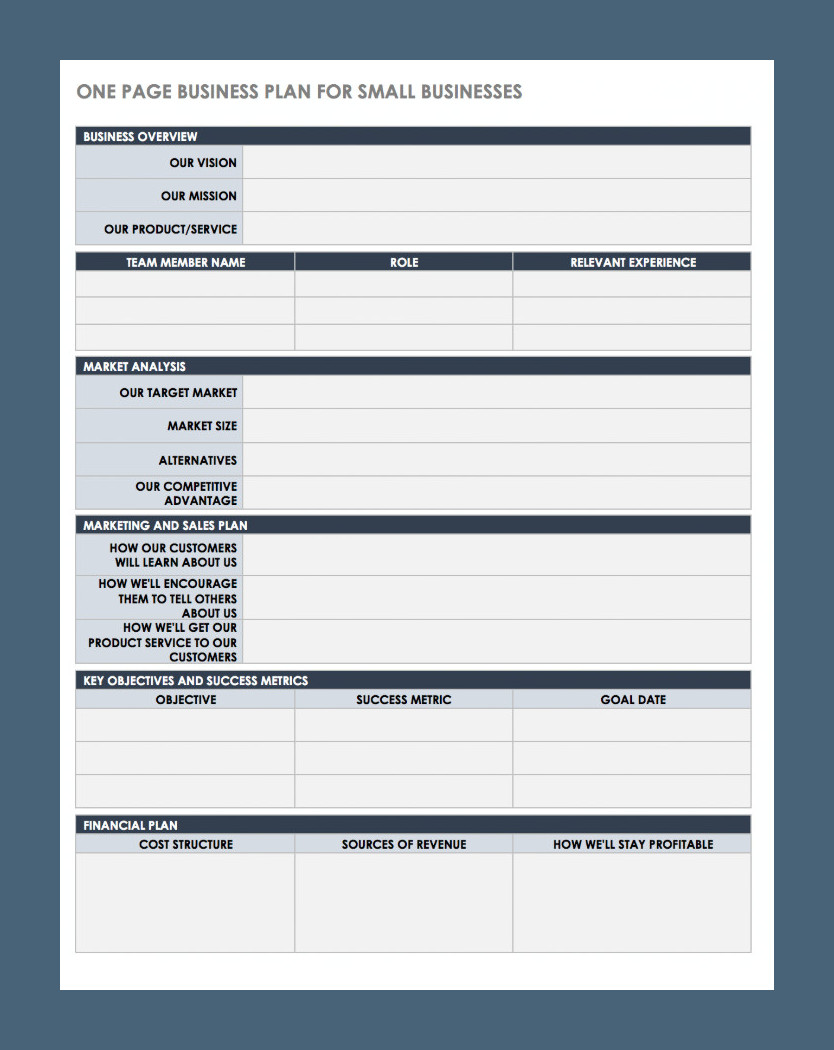
Examples
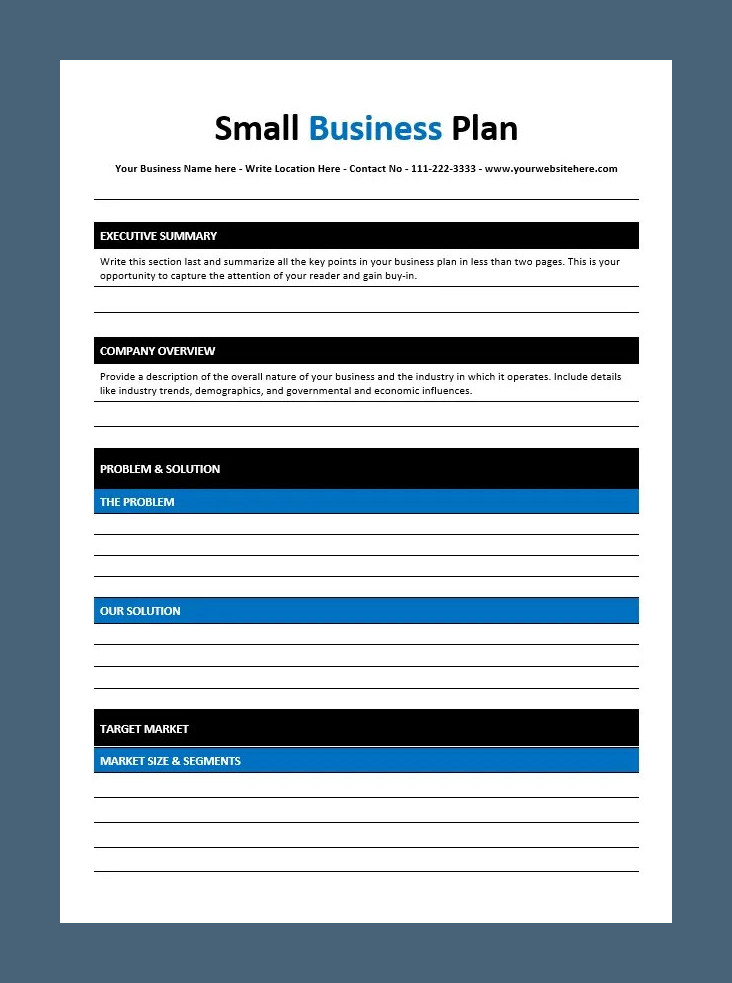
How to Create a Small Business Plan
Now that you understand the key elements of a small business plan, here are some tips for creating a successful one:
- Research: Conduct thorough research on your industry, market, and competitors to inform your business plan.
- Set Clear Goals: Define your business goals and objectives, outlining how you plan to achieve them.
- Be Realistic: Ensure that your financial projections are realistic and based on accurate data.
- Seek Feedback: Get feedback from mentors, advisors, and potential investors to improve your business plan.
- Update Regularly: Review and update your business plan regularly to reflect changes in the market or your business.
Tips for Successful Small Business Planning
Here are some additional tips to help you succeed in creating a small business plan:
- Stay Flexible: Be open to adjusting your plan as needed to adapt to changing circumstances.
- Focus on the Customer: Keep the needs and preferences of your target customers at the forefront of your business plan.
- Monitor Progress: Track your progress against your goals and make adjustments as necessary to stay on track.
- Seek Expert Advice: Consult with business advisors, mentors, or industry experts to refine your business plan.
- Stay Committed: Stay committed to your business plan and work diligently towards achieving your goals.
By following these guidelines and incorporating the key elements into your small business plan, you can create a roadmap for success and set your business up for growth and profitability. Remember, a well-crafted business plan is not only a tool for securing funding but also a roadmap for achieving your entrepreneurial dreams.
Small Business Plan Template – Download

- Free Printable Wedding Schedule Template - September 15, 2026
- Free Printable Weekly Employee Timesheet Template - September 15, 2026
- Printable Sign-in Sign-out Sheet Template - September 15, 2026
